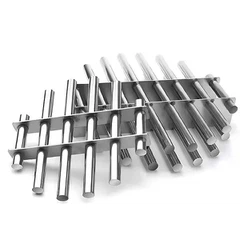
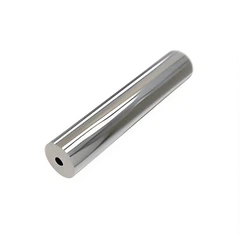



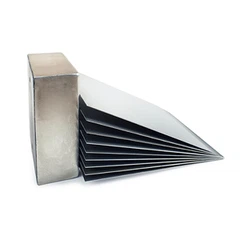
























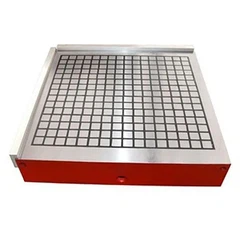

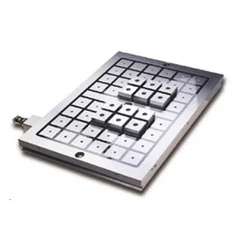


You can find magnets everywhere, starting from small fridge magnets which hold your shopping lists to large magnets found in MRI machines and motors. The strength of magnets depends directly on temperature variations.
People typically associate magnet functionality with bar magnets that attract pins and stick to refrigerator doors. The power of magnetic fields depends significantly on the temperature of the material. A significant change in temperature affects magnets so their magnetic properties become noticeable.
This article explains the scientific foundation of magnetic effects together with their practical applications in magnetic systems.
What is Magnetic Strength and How is It Measured?
You must understand the affected substance before discussing temperature effects. The strength of magnetic fields that magnets produce determines their magnetic strength. The magnetic strength of a magnet controls its ability to attract iron metals and its power to repel other magnets.
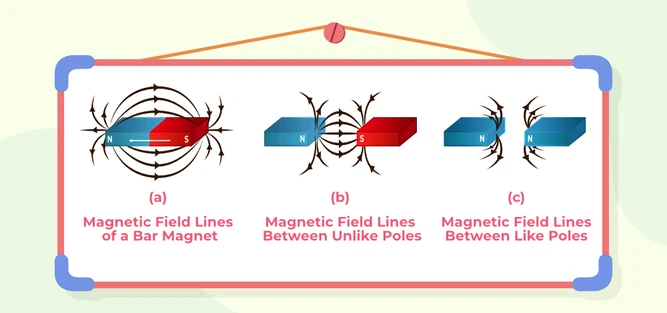
Scientists evaluate magnetic field strength through two measurement units known as Teslas (T) and Gauss (G). A standard refrigerator magnet produces a magnetic field of 0.01 T, which equals 100 G. MRI machines require magnetic fields above 1.5 T (15,000 G) to produce clear images of human bodies.
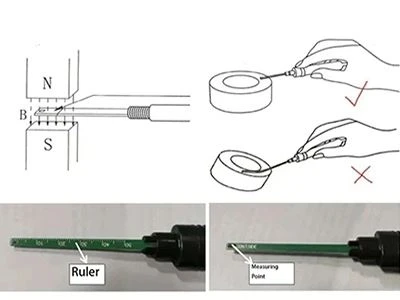
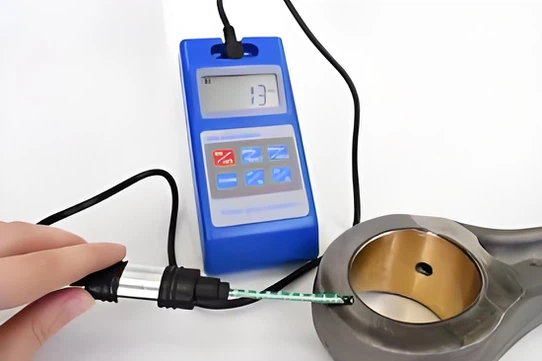
Laboratory personnel use gaussmeters to measure magnetic strength through testing procedures. There are also more casual methods, like timing an induced current in a wire or checking how many paperclips stick to a magnet at once. Understanding both the measurement and relative strength of different magnet types is key for effective applications.
From motors and brakes in cars to sensors in airports, the role of magnets and their precise strength calibration impacts many aspects of engineering and daily life. Now let's look at why temperature can disrupt these sensitive magnetic properties.
How Temperature Affects Magnetism: The Science Explained
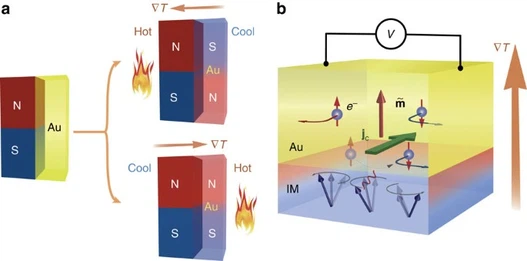
Heat and Magnetism
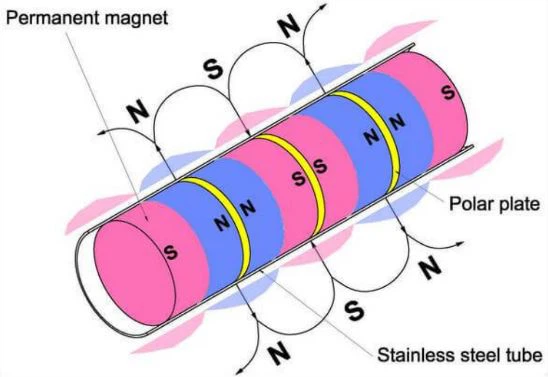
On an atomic level, magnetism arises from the spin and movement of electrons within metals like iron. These flowing electrons essentially create tiny magnetic domains that align to produce an overall magnetic field.
However, temperature affects magnets through increased atomic agitation from heat. As more thermal energy enters the metal, electron spins and orbits get disrupted. The alignments between neighboring magnetic domains break down as particle motion overpowers magnetic attraction forces.
Beyond a certain temperature unique to each material, called the curie point, the random thermal motion completely overrides the magnetic forces. This leads to a rapid decline in magnet strength once the curie temperature is reached.
Heating a magnet above its curie point for any length of time effectively destroys the magnetic properties. The atomic agitation eliminates domain alignment even if the magnet later cools off.
Cold and Magnetism
On the flip side, lowering temperatures can actually strengthen magnets. Cooling reduces the atomic motion, allowing the magnetic domains to align over larger areas without thermal interference. This enhances the collective magnetic field being produced.
However, supercooling magnets only enhances their strength up to a certain point. Once temperatures approach absolute zero, additional cooling no longer impacts atomic agitation or magnetic strength. The magnet's power simply plateaus at its maximum possible value.
Nonetheless, for applications where magnets experience routine heating, strategic cooling can help offset thermal losses. Spacecraft equipment provides one example, where onboard magnets must retain strength despite wide temperature swings.
Different Types of Magnets and Their Response to Temperature
Not all magnets behave the same when you heat or chill them. Properties like the curie point and loss of strength over time depend heavily on the magnetic material involved.
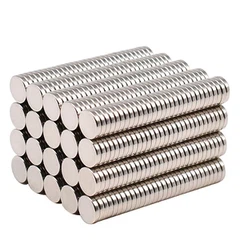
Neodymium Magnets

NdFeB magnets achieve their status as the strongest permanent magnets through the use of rare earth metal alloys. The combination of high power output and compact dimensions makes neodymium magnets suitable for electronics applications and motor systems, and magnetic assembly work.
Neodymium magnets exhibit a curie point range from 310 to 400 degrees Celsius (590 to 750 degrees Fahrenheit). High temperatures exceeding this range trigger an immediate and permanent destruction of magnetic properties in these materials. Neodymium magnets maintain their power but need protection against any brief heating process.
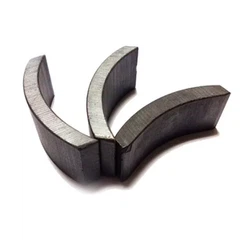
Ferrite (Ceramic) Magnets
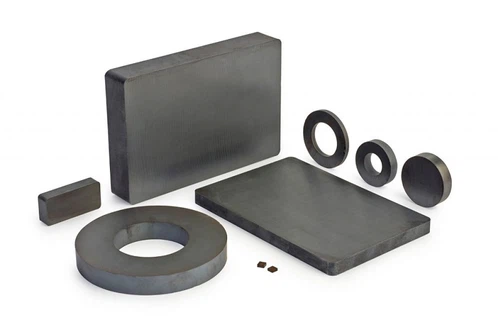
Ferrites represent ceramic magnets, which result from mixing iron oxide with strontium or barium. Manufacturers produce ferrite magnets in three standard forms, which include rods, discs, and blocks.
The curie point of ferrite magnets exceeds 450°C (840°F), which provides better temperature resistance than neodymium magnets. The maximum magnetic field strength of these magnets stays below the overall range.
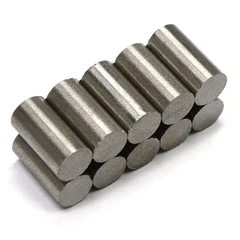
Alnico Magnets
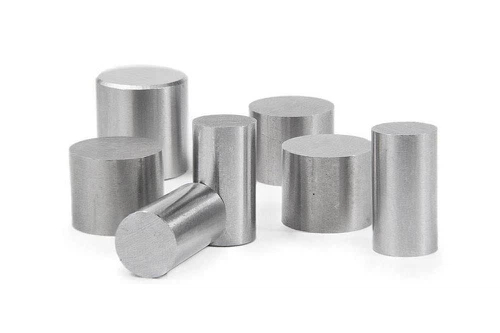
The alnico family utilizes aluminum, nickel, and cobalt alloys to produce intermediate strength magnets with high heat resistance. Different alloy combinations result in several Alnico grades with varied properties.
Some alnico magnets keep appreciable strength even up to 800°C (1470°F), although peak performance often declines above 500°C (930°F) temporarily. Their unique temperature responses make Alnico a popular choice for high-temperature applications when neodymium would fail.
Magnet Type Comparison
|
Magnet |
Maximum Strength |
Curie Point |
Heat Resistance |
|
Neodymium |
Very Strong |
310–400°C |
Low |
|
Ferrite |
Medium |
450°C+ |
Medium |
|
Alnico |
Strong |
500–800°C |
High |
Why Magnet Strength and Temperature Matter
Now that you understand the science, let's consider why it's useful to know how temperature impacts magnetic strength. Whether dealing with small fridge magnets or massive MRI machines, we depend on consistent magnet performance across environments.
In sectors like electronics and aerospace, engineers select magnet types based on expected operating temperatures and thermal changes. Permanent weakness above curie points or even gradual decline from repeated heating can lead to product failures and safety issues.
Understanding thermal limits allows appropriate magnet selection along with cooling or shielding additions as needed. Likewise, some applications leverage strategic heating and cooling to manipulate magnetic properties on demand.
While fridge magnets seem harmless, even home uses demonstrate temperature effects on a small scale. Notice how ordinary magnets slowly slide down the front over time as nearby door openings warm them up repeatedly. Industrial systems simply amplify these ongoing impacts.
Can You Restore a Magnet's Strength After Temperature Damage?
A common question is whether thermal damage to permanent magnets can be reversed. Unfortunately, heating beyond a magnet's curie point causes irreversible changes to magnetic domain structure. This leads to permanent losses in field strength.
However, not all temperature exposure harms magnets irretrievably. Shorter heating duration or remaining below curie points may only temporarily weaken a magnet. In these cases, remagnetization can realign magnetic domains and restore lost strength.
Industrial processes exist to remagnetize weaker magnets using strong external fields or induced electrical currents. This resets domain alignment to reinforce overall field strength. However, results depend on the initial level of thermal damage.
For best longevity, engineers advise keeping magnets below their maximum temperature thresholds whenever possible. Some cooling or protective steps can also be taken to mitigate repeated heating in warmer environments.
Experiment Idea: Test Magnet Strength at Different Temperatures
Curious to see temperature effects on magnets for yourself? Try this simple experiment to compare magnetic strength changes under hot and cold conditions:
Materials Needed:
- Various magnet types
- Thermometer
- Container of hot water
- Container of ice water
- Paperclips or other small metal objects
First, test each magnet's strength at room temperature by counting the number of paperclips it can lift at once. Record this baseline value.
Next, submerge each magnet in hot water above 80°C (175°F) for 3 minutes. Remove with care and test again while hot by attaching paperclips. Expect weakened performance.
Finally, repeat the strength test after submerging the magnets in cold water below 10°C (50°F) for 3 minutes. Count paperclips again to compare performance.
Try graphing the three data points for each magnet. You should observe reduced magnetic strength in hot conditions, but enhanced power after chilling below room temperature.
Magnet Safety and Storage Tips Across Temperature Ranges
The proper storage and handling of magnets in any environment, including classrooms and workshops, and industrial facilities, protects their magnetic strength from unintended weakening caused by temperature changes. Keep magnets in a dry and cool space that is separate from heat sources including radiators and ovens, and sunny windowsills. Magnetic strength diminishes slowly when magnets remain in warm conditions that do not reach the curie point temperature.
High-performance magnets such as neodymium require storage with protective spacers or insulated containers to protect against temperature variations. The brittleness of magnets increases after heating or cooling, so avoid striking or dropping them at any time.
Outdoor and temperature-variable environments require magnets to be enclosed in temperature-resistant casings or to be connected with heat sinks or cooling systems. Regular maintenance practices help maintain consistent magnetic performance throughout all applications.
Simple preventative measures protect magnet strength and operational life, which reduces replacement needs and supports safe professional and home applications.
Conclusion
As you've learned, magnet strength depends heavily on surrounding temperature conditions. Heating and cooling impacts atomic alignment, with real-world implications for magnetic applications.
While fridge magnets offer a harmless demonstration, severe enough temperature changes can disrupt sensitive equipment. Whether dealing with MRI machines, aerospace systems, or industrial processes, engineers must consider both maximum ratings and routine operating environments when selecting permanent magnets.
Similarly, anyone experimenting with magnets should recognize these principles at work, particularly the risk of irreversible damage above material-specific curie points. As an ongoing area of research, better high-temperature magnets present an opportunity for innovators. For now, take care not to underestimate the effects of temperature on magnetic field strength.