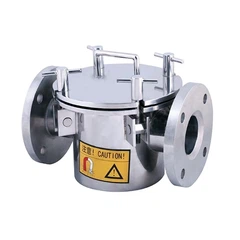
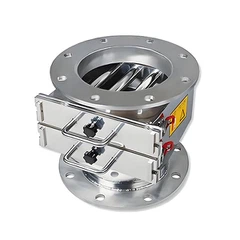
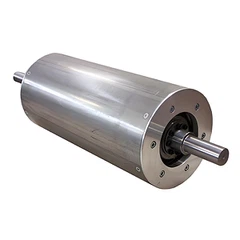








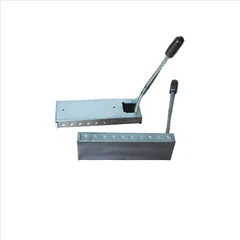
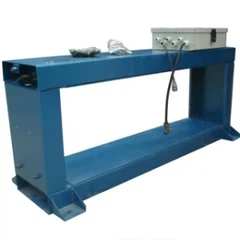


The hump magnetic separator is a special purpose magnetic separator that is widely used in industrial settings to ensure that materials are free of contamination. Let's explore the structure, purpose, and typical usage scenarios of these uniquely designed separators.
What is a Hump Magnetic Separator
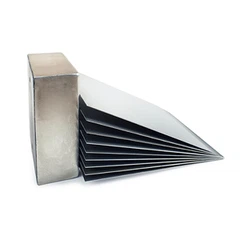
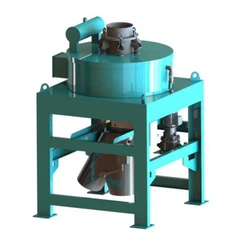
Hump magnetic separator are named for their unique dual-hump design that houses high-strength magnets that extract iron contaminants from dry, free-flowing materials. These separators play a vital role in protecting process equipment, maintaining product purity, and ensuring compliance with safety standards in key industries such as food production, pharmaceuticals, plastics, and chemicals. The hump configuration maximizes magnetic field exposure and promotes uninterrupted material flow, making them the preferred choice for in-line magnetic separation. As the demand for cleaner processing environments and higher product standards continues to grow, these devices are becoming an integral part of quality assurance programs and lean manufacturing initiatives.

Hump Magnetic Separator Design and Features
To understand the efficiency of the camel hump iron remover, its internal structure and operating principle must be studied.
Structural Overview
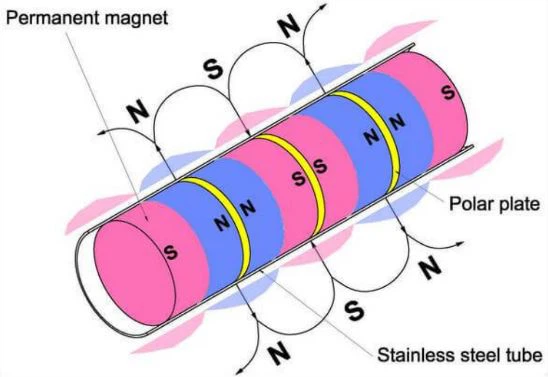
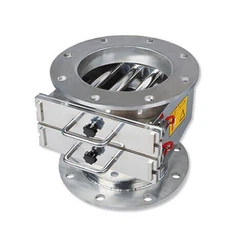
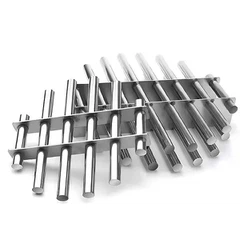
The camel hump iron remover adopts a dual-chamber design, resembling two adjacent hump magnetic. Each chamber contains rare-earth or ceramic permanent magnets encapsulated in stainless steel, and their arrangement can maximize the magnetic field strength and contact area. The entire device is usually made of 304 or 316 grade stainless steel to meet hygiene and corrosion resistance requirements. The vertical direction and central channel enable bulk materials to flow evenly, while iron particles are attracted and adsorbed by magnetic forces. Some models are available with optional wear-resistant liners to enhance their durability in abrasive processing environments, and modular structure options are available for easy upgrade or replacement.
How It Works
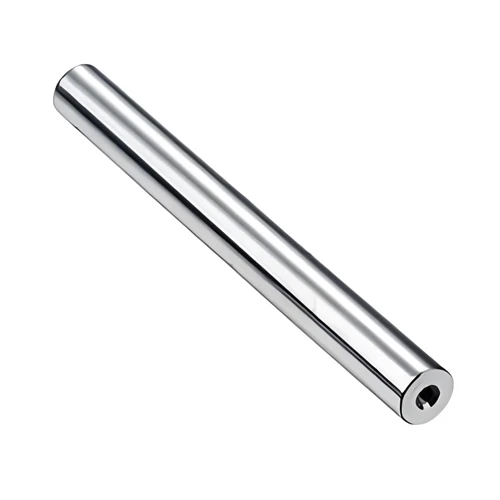
As the material passes through the central pipe of the sorter, iron impurities are attracted by the internal magnet assembly within each protrusion. These particles adhere to the magnetic surface, preventing them from entering downstream processes. The cleaning process is carried out through a quick access door or a removable magnetic tube, and the operator can manually remove the accumulated metal. Some advanced models are equipped with automatic self-cleaning mechanisms to reduce downtime and labor requirements. Depending on the flow rate and material characteristics, the removal efficiency of iron impurities has been measured on the flour processing line, with a capture rate of 99.3% for iron chips larger than 0.3mm. In addition, the sorter is designed to minimize turbulence and maintain the integrity of the material during the sorting process, which is especially important for fragile or high-value products.

Hump Magnetic Separator of Industry Applications
These separators are critical in several areas where metal contamination poses a risk to quality or regulatory compliance.
Food Processing
Metal contamination in food production can lead to product recalls, brand damage, and regulatory penalties. CamelHump Magnetic Separators are strategically placed on production lines to remove iron from raw materials such as flour, spices, sugar, and grains. Their stainless steel, hygienic design complies with HACCP and FDA regulations. These systems are beneficial at the entrance and exit of mixers, sifters, and packaging stations.
Pharmaceutical Manufacturing
Pharmaceuticals require ultra-high purity and strict compliance with GMP standards. CamelHump magnetic separators are used in powder and granule processing lines to prevent iron contaminants from damaging tablet presses, capsule filling machines, and mixers. Their non-invasive magnetic separation technology ensures product integrity without introducing mechanical stress or heat. In high-speed production environments, these magnetic separators can act as critical control points (CCPs) and are often accompanied by quality audit documentation and validation reports to support regulatory inspections.
Plastics and the Chemical Industry
Metal fragments can damage extruders, injection molding equipment, and reactors during plastic and chemical processing. Camel Hump Separators remove metal contaminants early in the production cycle, ensuring safe handling of polymers, resins, and chemical powders. These separators are compatible with a wide range of bulk densities and particle size distributions, making them flexible for a wide range of formulations. They also prevent expensive equipment failures and material waste, directly contributing to lower operating costs and improved sustainability metrics in production environments.
Advantages of Camel Hump Iron Remover
The popularity of hump separators is due to their performance, resilience and user-friendly features.
High Efficiency: The dual peak structure provides maximum magnetic field exposure, capturing even small and weakly magnetic particles with high accuracy. The strong magnetic field gradient ensures consistent removal under different material flow rates and composition conditions.
Durability: Made of industrial-grade stainless steel and equipped with wear-resistant magnets, these separators are designed for long-term use in harsh environments. For severe applications, optional upgrades such as heavy-duty support frames and wear-resistant liners are also available.
Easy Maintenance: Removable magnetic elements and quick-clean devices simplify the removal of ferrous deposits, minimizing production downtime. Some units also feature visual indicators for magnetic saturation and contaminant loading.
Compact Footprint: Its vertical design enables it to be easily integrated into the tight spaces of existing production lines. Space-saving options such as flange-mounted models and custom hopper designs further support factory layout optimization.
Compliance: Designed to meet industry-specific safety, cleaning, and material handling standards. Documentation packages, validation protocols, and certificates of compliance are often available for regulated environments.

Selection and Installation Considerations
Selecting the right separator and properly integrating it into your production system is critical to achieving the best results.
Evaluating Material Properties
The selection of a magnetic separator depends on the characteristics of the material, including particle size, flow characteristics, moisture content, and temperature. For example, fine powders may require stronger rare-earth magnets, while larger particles may be better suited to ceramic magnets. Understanding these variables helps ensure the highest separation efficiency. Flow testing and pilot testing are often recommended to verify performance before full deployment.
Integrate into Existing Systems
Camel hump iron removers can be customized in size, inlet/outlet orientation, and magnetic strength to suit existing equipment layouts. Proper alignment with feeders, chutes, and hoppers ensures smooth material flow and prevents bridging or blockages. In addition, safety interlocks and access doors should be configured to allow inspection without interrupting operations.
Maintenance and Best Practices
Regular maintenance ensures long-term efficiency and minimizes the risk of operational disruptions.
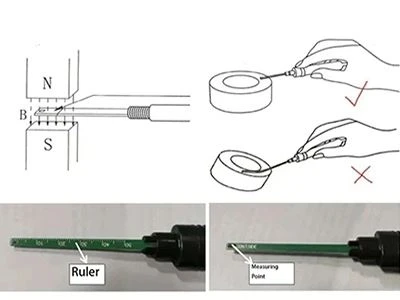
Routine Inspection: Visual inspection and magnet strength inspection should be performed regularly to detect signs of wear or demagnetization. Regular calibration of the magnet strength using a gauss meter is recommended.
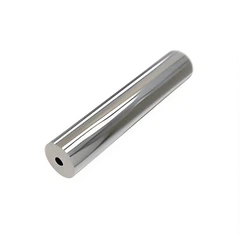
Regular Cleaning: Establish a maintenance schedule to clean the magnetic elements manually or automatically and remove accumulated debris. If necessary, the magnetic bar should be demagnetized during the cleaning process and carefully reinstalled to maintain the magnetic field direction.
Training and Standard Operating Procedures: Operators should be trained on safe operations, proper cleaning techniques, and documentation practices to maintain consistent performance. Clear standard operating procedures help maintain quality and prevent damage to magnetic components during maintenance.
Replacement Parts: Spare cores and seals should be kept in inventory for quick replacement during service. Make sure all replacement parts meet original factory specifications to maintain separator performance.
Conclusion
Hump magnetic separator are reliable and effective iron separation tools in demanding industrial environments.
Their design, performance, and versatility make them indispensable for maintaining production integrity and safety.
By introducing hump iron removers into processing lines, industries can achieve higher product purity, extend equipment life, and ensure compliance with regulatory standards. As manufacturing demands continue to grow, investing in high-performance magnetic separation technology is not only a necessity but a strategic advantage.
Companies seeking to optimize productivity, reduce contamination risks and meet international quality standards should consider hump iron removers as a foundational element of their process control strategy. With proper selection, customization, and maintenance, these systems can deliver a very attractive return on investment and contribute to cleaner, safer, and more efficient industrial operations.