






If you wear a headscarf regularly, you know that there's more to keeping your headscarf in place than just keeping it in place. You need a tool that can keep your headscarf in place without causing discomfort or damage, while still showing off your style. The debate over headscarf magnets vs headscarf pins has been going on for a long time, leaving many people confused as to which is the better choice. The simplicity and ease of use of magnets, or the classic appeal and versatility of pins?
In this guide, we'll explore the pros and cons of both hijab magnets and hijab pins. We'll dive into their functionality, comfort, safety, and overall impact on the hijab-wearing experience. Ultimately, whether you prioritize comfort, style, or convenience, you'll know exactly which option is best for you.
Definition of Hijab Magnets
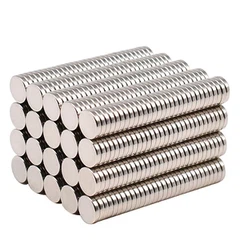
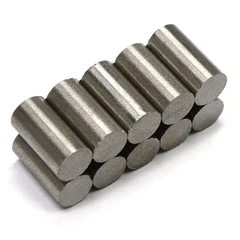
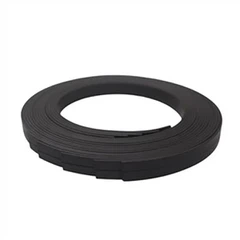
A hijab magnet is a magnetic accessory designed to fix headscarves, scarves, or lightweight fabrics. It usually consists of a pair of small, strong magnets, which are sewn or embedded at the ends or edges of the headscarf. Through the principle of magnetic adsorption, it can quickly fix the headscarf shape to prevent it from slipping or loosening, while reducing the pulling of hair or damage to fabrics by traditional pins or straps. Its appearance is often designed as a flat and smooth button or a hidden sheet. It is practical and beautiful, suitable for sports, daily wear, or religious headscarves, and has become an innovative solution for modern clothing accessories.
Types of Hijab Magnets
Bandana magnets come in a variety of designs and sizes to suit different tastes and needs. Some common types include:
1. Round Hijab Magnets
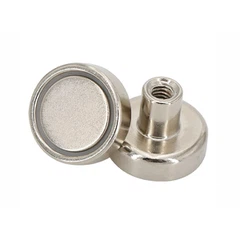
Round hijab magnets are the most classic and widely used type. Their smooth, circular design makes them comfortable to wear and easy to handle. They provide a firm grip without damaging the fabric, making them perfect for daily hijab styling. These magnets are discreet and blend in well, offering both simplicity and functionality.

2. Square Hijab Magnets
Square hijab magnets offer a more modern and structured look. With clean edges and a slightly larger surface area than round magnets, they hold thicker fabrics securely in place. Their unique shape adds a subtle touch of style, making them a favorite among users who want both a strong hold and a fashion-forward appearance.

3. Shaped Hijab Magnets
Shaped hijab magnets come in a variety of creative forms, such as hearts, stars, flowers, or designer patterns. These magnets combine style with practicality, allowing wearers to express their personality while securing their hijab comfortably. They are often used for special occasions or to add a decorative touch to everyday outfits.
How Hijab Magnets Work
The principle of bandana magnets is simple: each set usually contains two magnets, one placed on each side of the fabric. They are easily attached, forming a secure clasp that keeps your bandana in place all day long. Unlike pins, magnets do not require holes to be poked in the fabric, making them safer and more environmentally friendly.
Advantages and Disadvantages of Hijab Magnets
1. Advantages
No Damage to Fabric: The most significant advantage of bandana magnets is that they will not pierce or damage fabric. Pins may leave holes or cause wear and tear over time, especially on delicate fabrics. With magnets, you never have to worry about damaging your bandana.
Easy to Use: Magnets are very simple and convenient to use. Simply place two magnets on either side of the bandana and gently suck them into place. This is especially useful if you are pressed for time or need to fasten your headscarf quickly.
Secure Fit: Bandana magnets provide a secure and strong hold. The magnets keep it in place even when it is windy or active.
Convenient: Magnets are perfect for people who need to fix their headscarves anytime, anywhere. You can easily and quickly fix your headscarf, whether it is a busy morning or a long work day, it is your ideal choice.
2. Disadvantages
Material Restrictions: Only applicable to headscarves containing metal fibers or built-in metal sheets. Non-magnetic materials such as pure cotton and wool require additional modification.
Hold: Magnets may not always provide a strong enough hold for heavier fabrics.
Magnetic Interference: Magnets may interfere with other metal objects, such as glass or jewelry.
Durability: Over time, the strength of the magnets may weaken due to frequent use.
Comfort Issues: Some users may be sensitive to the pressure of magnets and may feel uncomfortable wearing them for a long time.
Definition of Hijab Pin
A headscarf pin is a traditional fastener used to secure a headscarf, veil, or headdress, usually made of metal, plastic, or jewellery. Its design is both practical and decorative, usually with a pointed or snap structure that can pierce or clamp the fabric to ensure that the headscarf is stable and does not fall off.

Types of Hijab Pins
1. Straight Needle
These are the simplest and most basic of the bandana pins. They are great for easily securing your bandana, but you need to be careful when doing so as they can be sharp.
2. Safety Pins
Safety pins are a safer option and are popular for their extra security. These pins come with a clasp that prevents the pin from coming undone, providing extra security for those who need it.

3. Decorative Pins
For those who want to add a touch of style to their headscarf, decorative pins are a great option. These pins can be embellished with beads, pearls, or intricate patterns, making them both an accessory and a fastening tool.

4. Brooch
Larger, more decorative brooches can add a touch of elegance to your hijab. They are perfect for a special or formal occasion when you want your hijab to stand out.
How Hijab Pins Work
Hijab pins work by piercing through multiple layers of fabric, thus securing your hijab in place. Depending on the type of hijab pin, the pin can pierce through a single layer or multiple layers of fabric, ensuring your hijab stays in place throughout the day.
Advantages and Disadvantages of Hijab Pins
1. Advantages
Security: The pins provide a strong and reliable hold even in harsh conditions.
Strong Fixation: Prevents the headscarf from sliding or loosening, which is especially practical when exercising, in windy weather, or when wearing for a long time.
Convenient and Fast: Simplifies the wearing process of the headscarf, saves time, especially suitable for busy daily users
Durability: Bandana pins are usually more durable and last longer.
Variety: Pins come in a variety of styles for personalization and decoration.
2. Disadvantages
Risk of Injury: Sharp points may accidentally puncture skin or damage fabric.
Time-Consuming: Using pins can take more time and effort than using magnets.
Limited Flexibility: They are less useful for delicate or light fabric types.
Discomfort: If the needle is not placed correctly, it can be uncomfortable to wear, especially for long periods.
Comparison of Hijab Magnets and Hijab Pins
Magnets and pins have their advantages and disadvantages when fixing headscarves, and you can choose flexibly according to your needs. Magnets are easy to use, comfortable to wear, can avoid pricking the skin, and are well hidden, making the style more simple and low-key; while pins provide a more secure fixing effect, especially suitable for heavier fabrics or windy weather, and have a longer service life. If you are looking for quick and comfortable daily wear, magnets are ideal; if you need a long-lasting and stable fixation or to cope with special environments, pins are more reliable. Both methods can bring different styles to the headscarf.
|
Characteristic |
Hijab Magnet |
Hijab Pin |
|
Fixing Principle |
Fixed by magnetic attraction |
Fixation by metal needle puncture |
|
Ease of Use |
No piercing required, quick to put on/take off |
Need to puncture the fabric, the operation is a bit complicated |
|
Damage to Clothing |
No damage (no perforation) |
May leave pinholes or wire drawing |
|
Stability |
Easy to slide (may fall off during strenuous exercise or heavy fabrics) |
Firmly fixed, suitable for dynamic scenes |
|
Applicable Scenarios |
Lightweight headscarf, temporary fixation |
Heavy fabrics, where permanent fixation is required |
|
Security |
No sharp parts, kid-friendly |
Needle tips may pierce skin or snag on other objects |
|
Durability |
Magnetic force may weaken over time |
Metal is durable but may rust or deform |
|
Price |
Usually higher |
low |
|
Aesthetics |
Good concealment, no exposed parts |
May be exposed, affecting the appearance |
|
Applicable Materials |
Only magnetic materials |
Can be used on almost all fabrics |
How to Choose Between Hijab Magnets and Hijab Pins
Consider Your Priorities: If comfort, speed, and security are your top priorities, magnets are your best choice. They install quickly, securely, and won't damage fabric.
Evaluate the Occasion: If you need to add some extra embellishment or decoration to your hijab, pins are a better choice. They are especially suitable for formal occasions or when you want to make a statement with your hijab style.
Try Both: The best way to find the best fit for you is to try both. You may find that magnets are great for casual wear, while pins are great for special occasions.
When to Use Hijab Magnets and Hijab Pins
Hijab Magnets

Best for a Sports Day: If you plan on going out into the wind or playing sports, magnets are a great option. They keep your bandana in place without the worry of the pins slipping off.
Quick and Easy Styling: Magnets are ideal for those mornings when you need to quickly secure your headband before heading out the door. Not only do magnets save time, but they also save you the hassle of having to secure your headband multiple times.
Hijab Pins

Formal Occasions: Pins are the first choice for special occasions like weddings, parties, or formal gatherings. You can use pins to enhance your look and match them with your outfit.
Traditional Wear: If you prefer a classic and timeless style, a safety pin is a great choice. Safety pins are versatile and suitable for all occasions, whether casual or formal.
Conclusion
So, which is better, bandana magnets or pins? There is no absolute answer, as it depends on your personal preferences and needs. Magnets are easy to wear, comfortable, and protect the fabric, making them perfect for everyday use. Pins, on the other hand, are stylish, versatile, and add a touch of elegance, making them perfect for formal occasions.
Ultimately, the best choice is the one that fits your lifestyle and style goals. Whether you're after a convenient magnet or a decorative pin, they both have a place in a well-rounded headscarf outfit.
Frequently Asked Questions
Are Bandana Magnets Safe to Wear Daily?
Bandana magnets are generally safe for everyday wear as long as they are used correctly. Unlike needles, which can puncture your skin, magnets are gentle. However, make sure the magnets are firmly in place to prevent them from slipping off.
Can I Wear a Bandana Magnet on an Airplane?
Yes, you can wear bandana magnets on board an aircraft. They do not pose any safety risk and are generally safe for air travel. However, please check with your airline for any specific restrictions.
Are Bandana Pins Safe?
Headscarf pins are generally safe when used correctly, but there is a risk of pricking the skin or snagging clothing; in contrast, headscarf magnets are safer, do not easily fall off, and have no sharp parts, making them suitable for frequent daily use.
Do Bandana Magnets Effectively Hold Bandanas in Place?
Yes, bandana magnets can effectively secure bandanas, especially on lighter fabrics. However, for thicker fabrics or in extreme conditions, using pins may provide a more secure hold.