










Magnets are everywhere, from the fridge door at home to high-tech machines in factories. Sometimes, you might need to remove or reduce a magnet's power, whether for safety, repairs, or a DIY project. That's where demagnetization comes in.
In this guide, you'll learn exactly how to demagnetize a magnet safely and effectively. We'll cover the science behind demagnetization, practical methods, tools you can use, and common mistakes to avoid.
By the end, you'll understand how to handle magnets with confidence, whether you want to temporarily disable one, fully demagnetize it, or even remagnetize it later.
Magnetism and How Demagnetization Works
Before you learn how to demagnetize a magnet, it helps to understand what magnetism is and how it works. Knowing the basics makes it easier to see why certain methods are effective and why some magnets are harder to demagnetize than others.
What Does Demagnetization Mean?
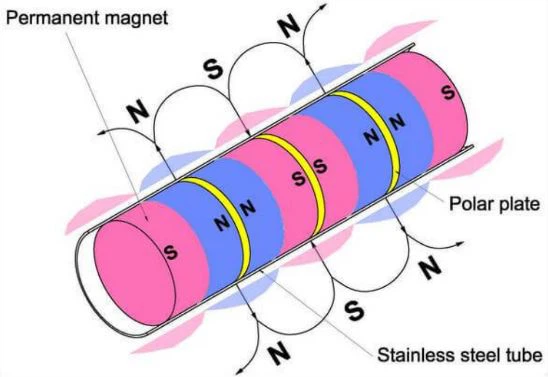
Demagnetization is the process of reducing or removing a magnet's magnetic force. This happens when the tiny magnetic regions inside the magnet, called magnetic domains, lose their alignment.

A fully magnetized magnet has most domains pointing in the same direction.
When those domains are disrupted, the magnet becomes weaker.
In some cases, the magnet can lose its power completely.
Scientific Principles of Demagnetization
Demagnetization works because the alignment of magnetic domains is delicate. Several factors can disturb them:
Heat: Raising a magnet's temperature past a certain point makes the domains randomize.
Physical Shock: Striking or dropping a magnet can misalign its domains.
Alternating Magnetic Fields: Using AC or reverse fields gradually reduces the magnet's strength.
Understanding these principles helps you choose the safest and most effective method for your magnet.
Why Demagnetization Is Necessary
You might wonder why anyone would want to demagnetize a magnet. There are several practical reasons, whether you're working at home, in a workshop, or in an industrial setting.
Safety: Strong magnets can damage electronics, tools, or even cause injuries if left active.
Maintenance and Repairs: Machines or instruments may need magnets removed or weakened for proper servicing.
Recycling or Reuse: Sometimes you need to repurpose a magnet for another project or safely dispose of it.
Precision Work: In some applications, residual magnetism can interfere with measurements or assembly.
By understanding why demagnetization is necessary, you can make better decisions about which method to use and when to take extra precautions.

Tools and Equipment Used for Demagnetizing
When you're ready to demagnetize a magnet, having the right tools makes the process safer and more effective. The type of magnet you're working with will influence which equipment you need.
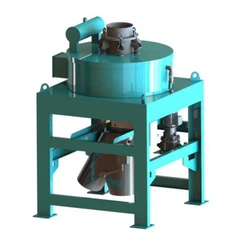
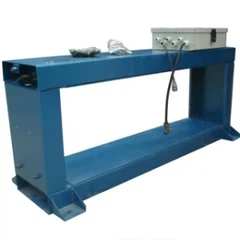
Industrial Demagnetizer Machines: These machines use controlled alternating magnetic fields to reduce or remove magnetism. They are ideal for large or strong magnets and offer precise control.
Handheld AC Demagnetizers: Small and portable, these are great for tools, screwdrivers, or smaller magnets. Simply pass the magnet through the device while following safety instructions.

Lab-Based Setups: In scientific or electronics labs, specialized coils or circuits can demagnetize magnets with precision.
Safety Equipment: Gloves, goggles, and insulated surfaces protect you from accidents, especially when handling strong or rare-earth magnets.
Choosing the right tool not only makes demagnetization more efficient but also helps prevent damage to the magnet or surrounding equipment.
Common Methods to Demagnetize a Magnet
There are several ways to demagnetize a magnet, and the best method depends on the type of magnet and your available tools. Understanding each approach helps you choose the safest and most effective option.
Heating (Curie Temperature)
Heating a magnet past its Curie temperature disrupts the alignment of its magnetic domains. Permanent magnets lose most of their strength when heated to this critical temperature. Each type of magnet has its own specific Curie point, so it's important to heat carefully to avoid damaging the material. This method is commonly used in workshops and industrial processes where precise control is available.
Hammering or Physical Shock
A strong physical impact can weaken a magnet by misaligning its magnetic domains. Striking, dropping, or hammering a magnet may reduce its magnetic force effectively. However, this method can potentially damage delicate magnets or nearby materials, so you need to handle it carefully and ensure safety when applying force.
Reverse Magnetic Field
Using an alternating or reverse magnetic field is a precise way to reduce a magnet's power. This is often done with AC demagnetizers, which pass the magnet through a decreasing alternating field. Over time, the magnet's domains gradually lose their alignment, weakening the magnet without physically damaging it. This method works well for tools or equipment that require controlled demagnetization.
Specialized Demagnetizers
Professional demagnetizer machines, whether industrial or handheld, are designed to remove magnetism safely and efficiently. They can handle magnets of various sizes and strengths, providing consistent results. These devices are ideal for workshops, laboratories, and electronics work, where precision and safety are critical.
How to Remagnetize a Magnet: Principles and Methods
Once a magnet has been demagnetized, you might wonder if it can regain its magnetic strength. The good news is that many magnets can be remagnetized; however, the process depends on the type of magnet and the amount of its original power that remains. Permanent magnets, like neodymium or AlNiCo, often retain some magnetic memory, which allows them to be restored under the right conditions. However, if a magnet has been overheated or physically damaged, full restoration may not be possible.
Can a Magnet Be Remagnetized After Demagnetization?
Yes, a magnet can often be remagnetized after demagnetization. The key is aligning the magnetic domains in the same direction they were originally oriented. For most magnets, applying a strong external magnetic field can help restore the lost magnetism. Keep in mind that repeated demagnetization and remagnetization may cause the magnet to weaken slightly over time, so careful handling is essential.
How to Remagnetize a Magnet at Home?
Remagnetizing a magnet at home is possible with simple tools. You can use a strong permanent magnet or an electromagnet to realign the magnetic domains. For small magnets, gently stroking them with a strong magnet in a single direction can restore some of their magnetic force. If you have access to a coil or a DIY electromagnet, passing a brief current through it can also help re-magnetize the magnet effectively. Always handle magnets carefully and keep them away from electronics or sensitive materials during the process.
Step-by-Step Guide for Safe DIY Demagnetization
If you want to safely weaken or remove a magnet's pull at home, following a clear process will help you get better results. Here's a simple step-by-step guide you can use.
Step 1: Prepare Your Workspace
Choose a safe area away from electronics, credit cards, or anything sensitive to magnetic fields. Place the magnet on a non-metal surface.
Step 2: Decide on a Method
Pick the approach that fits your situation:
Heat for small magnets (e.g., hot water instead of an open flame).
Light physical shock for durable magnets.
Rubbing with another magnet in the opposite direction.
Step 3: Apply the Method Carefully
If heating, slowly raise the temperature so the magnet warms evenly.
If using shock, tap gently rather than striking hard to avoid breakage.
If rubbing, move steadily in one direction to confuse the domains.
Step 4: Test the Magnet
Check its strength by picking up a paperclip or nail. If it still feels strong, repeat the process gradually.

Step 5: Finish and Store Safely
Once the magnet is weak enough, let it cool if you used heat, and store it away from sensitive items.
How to Demagnetize Without a Tool?
Without special equipment, you can use simple methods:
Drop the magnet several times on a hard surface to disturb its domains.
Rub it against another magnet in the reverse direction.
These methods won't erase magnetism completely, but they can lower the strength enough for everyday use.
How do I Temporarily Disable a Magnet?
Sometimes you don't need to fully demagnetize a magnet-you just need to reduce its pull for a short time. There are a few simple ways to do this without damaging the magnet.
One method is to place a non-magnetic spacer, like cardboard, plastic, or wood, between the magnet and the object it attracts. This reduces the effective force. You can also wrap the magnet in a thick cloth or tape to limit contact with metal surfaces.
If you want a more direct approach, placing the magnet in an alternating magnetic field for a brief time can weaken it temporarily. Once removed, the magnet slowly regains its strength.
These tricks are useful when you need a quick solution without changing the magnet permanently.
Common Mistakes to Avoid When Demagnetizing
It's easy to make errors when trying to weaken or remove a magnet's force. Knowing what to avoid will help you stay safe and protect the magnet from damage.
One common mistake is using too much heat. If you heat a magnet past its limits, it may crack or lose its strength permanently. Another is hitting the magnet too hard; this can break it instead of just reducing its pull.
You should also avoid placing magnets near electronics or magnetic storage during the process, since stray fields can erase data or cause damage. Finally, don't rush the job. Demagnetization works best when applied gradually and carefully.
Industrial Applications of Demagnetization
Demagnetization isn't just something you do at home; it's an important process in many industries. From manufacturing to healthcare, removing unwanted magnetism helps keep tools accurate and equipment safe.
Machining and Tool Maintenance
In machine shops, cutting tools and workpieces often become magnetized after grinding or drilling. This can cause metal chips to stick, which lowers accuracy and slows down production. By demagnetizing these parts, you ensure smoother machining and longer tool life.

Electronics and Electrical Equipment
Electronic components are sensitive to stray magnetic fields. A small amount of leftover magnetism can lead to errors in sensors, relays, or measuring devices. That's why manufacturers often demagnetize parts before assembly to guarantee reliability.
Medical and Scientific Uses
In medical fields, demagnetization is critical for imaging equipment like MRI machines, where even small magnetic fields can interfere with clear results. Laboratories also demagnetize instruments to avoid false readings in scientific experiments.
Everyday Industrial Applications
Other common uses include:
Removing magnetism from automotive parts before assembly.
Ensuring clean finishes in polishing and coating processes.
Preventing contamination in industries like food processing.
As you can see, demagnetization plays a bigger role than most people realize. Without it, many everyday products and services would not perform as reliably.
Precautions and Safety Recommendations
Demagnetizing a magnet may sound simple, but it can carry risks if not done carefully. Following a few safety steps will help you protect both yourself and your tools.
Protect Yourself
Always wear safety glasses and gloves when handling magnets. Heating or striking them can cause small fragments to break off. Work in a well-ventilated area if you're using heat to avoid harmful fumes.
Handle Electronics with Care
Magnets and electronic devices don't mix well. Keep phones, credit cards, and storage devices far away from the workspace. Even a weak magnetic field can cause permanent data loss.
Avoid Overheating
If you choose heat as your method, never expose the magnet to open flames. Controlled heating, such as warm water or a low oven, is much safer. Overheating not only weakens the magnet permanently but can also create cracks or burns.
Work Gradually
Take your time. Demagnetization is most effective when done step by step instead of with extreme force or heat. Rushing often leads to damage or poor results.
By keeping these precautions in mind, you'll reduce risks and ensure the process is both safe and effective.
Conclusion
Demagnetizing a magnet is not as complicated as it may seem once you understand the basics. Whether you're working with heat, shock, or specialized tools, the key is to apply the method safely and gradually.
You've also learned when demagnetization is necessary, how magnets can be remagnetized, and even how to reduce their pull temporarily. By avoiding common mistakes and following the right precautions, you can handle magnets with confidence.
Remember, take your time, choose the method that fits your needs, and always put safety first.
FAQs About Demagnetizing a Magnet
Q: Is it possible to completely remove magnetism?
A: Yes. With enough heat or exposure to a strong alternating magnetic field, you can eliminate nearly all magnetism.
Q: How long does demagnetization last?
A: It depends on the method. Heat or strong shock can remove magnetism permanently, while some methods only weaken it for a short time.
Q: Do all types of magnets demagnetize the same way?
A: No. Harder magnets like neodymium need more effort, while softer magnets lose strength more easily.
Q: Can demagnetized magnets still be recycled?
A: Yes, many magnets can be reused or reprocessed even after losing their strength.
Q: Can you demagnetize a natural magnet?
A: You can, but it often takes more heat or force than man-made magnets.