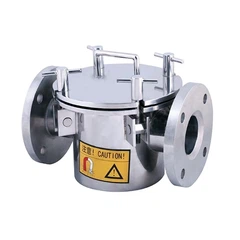
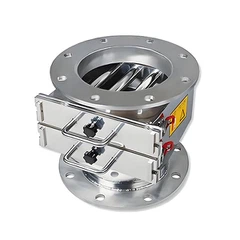
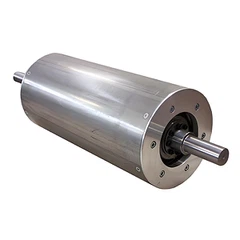
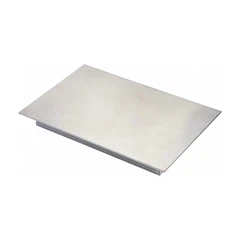
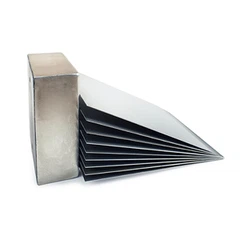
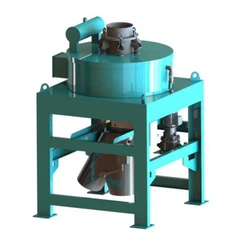

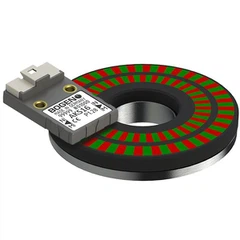
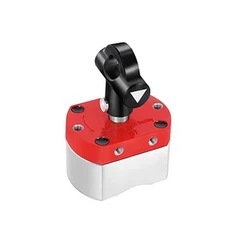





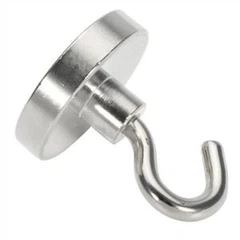
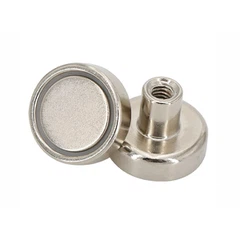
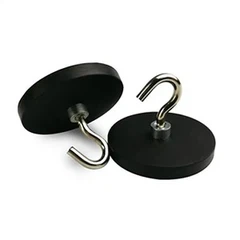
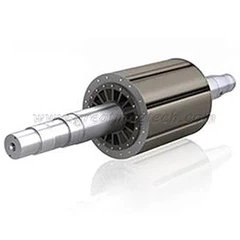


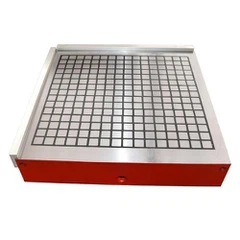
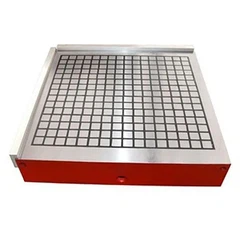
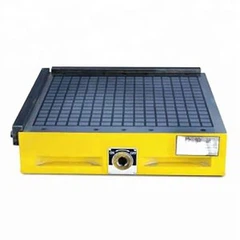
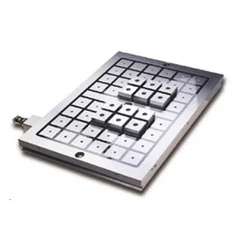


When you work on a grinder or CNC machine, keeping your metal parts in place is very important. Magnetic chucks help you do exactly that. They hold the workpiece firmly so you can focus on cutting, shaping, or finishing without worrying about movement.
There are two main types: permanent magnetic chucks and electro-permanent magnetic chucks. Each has its own strengths, and knowing the differences can help you pick the right one for your machine and the job at hand.
In this article, you will learn how these chucks work, the different types available, their uses, and tips for choosing the best one for your needs. By the end, you will understand which magnetic chuck suits your workshop best.
What Are Permanent and Electro-Permanent Magnetic Chucks?
A magnetic chuck is a device that holds metal workpieces firmly in place on machines like grinders, mills, or CNCs. It ensures the workpiece stays stable while you work, improving accuracy and safety.
There are two main types: permanent magnetic chucks and electro-permanent magnetic chucks.
Permanent Magnetic Chucks
A permanent magnetic chuck uses built-in magnets to create a constant magnetic field. Once the workpiece is placed on the chuck, it stays held securely without any electricity. These chucks are simple, reliable, and perfect for small to medium-sized metal pieces.
Electro-Permanent Magnetic Chucks
An electro-permanent magnetic chuck combines permanent magnets with a short electrical pulse to activate the magnetic field. Once activated, the magnets keep holding the workpiece even if the power is turned off. This type is ideal for larger, heavier, or more complex workpieces because it provides a strong and controllable clamping force.
By understanding these two types, you can choose the right magnetic chuck for your machines. Using the correct chuck saves setup time, improves machining accuracy, and reduces the risk of the workpiece moving.
Types of Magnetic Chucks
Besides the common permanent and electro-permanent magnetic chucks, there are several other types designed for specific machining tasks. Knowing these types helps you pick the right chuck for your workpiece and machine.
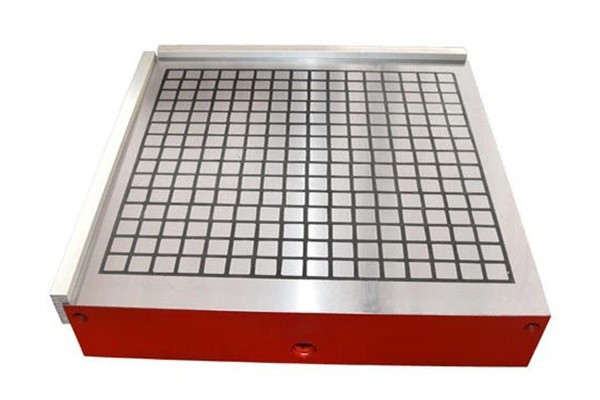

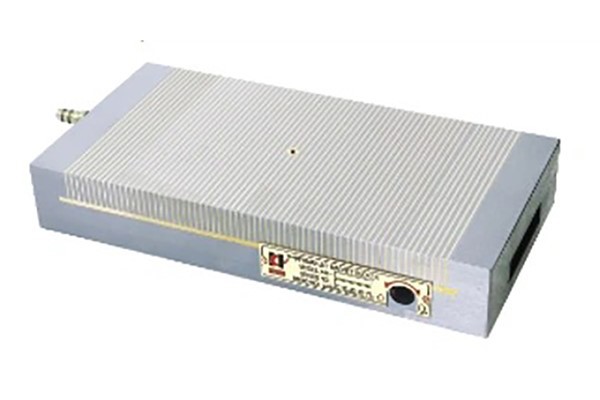

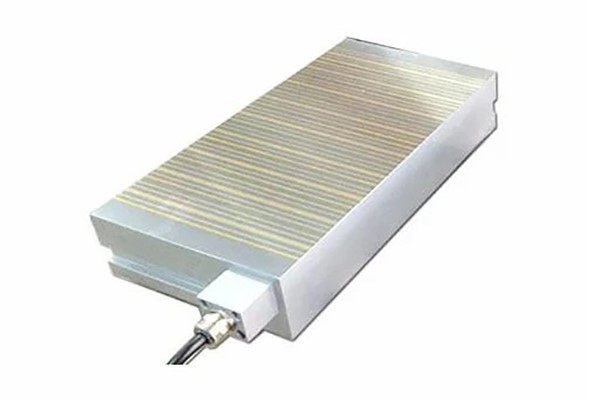

Thin-plate or Precision Chucks: Designed for thin sheets or delicate metal parts. They provide even holding without damaging the workpiece.
Rotary Magnetic Chucks: Allow the workpiece to rotate while remaining firmly held, ideal for circular machining operations.
Vacuum-Assisted Magnetic Chucks: Combine magnetic force with vacuum suction for high-precision work and handling of thin materials.
Specialty Custom Chucks: Some workshops need custom shapes or sizes for unusual parts, which can be designed to fit unique machining needs.
These types expand your options beyond standard permanent or electro-permanent chucks, enabling you to handle various materials, sizes, and machining requirements.
Pole Arrangements and Performance
The pole arrangement refers to how the magnetic poles are laid out on the chuck. This affects how evenly and strongly the workpiece is held.
Concentric Poles: Perfect for round or cylindrical parts.
Square or Rectangular Poles: Work best for flat or square workpieces.
Fine Poles: Provide more holding points, ideal for thin or delicate metal sheets.
Coarse Poles: Offer stronger holding for thick or heavy materials.
Choosing the right pole arrangement ensures your workpiece stays secure, improves machining accuracy, and reduces the risk of movement during operation.
Advantages and Disadvantages of Permanent Magnetic Chucks
Permanent magnetic chucks are widely used because they are simple and reliable. They hold metal workpieces securely without needing electricity. This makes them ideal for many shops, especially when working with small to medium-sized pieces.

Advantages
No power source is required during operation.
Simple design with low maintenance.
Reliable and consistent holding force for standard jobs.
Disadvantages
The holding force is fixed and can't be turned on or off.
Not suitable for very large or heavy workpieces.
Fine adjustments are limited compared to electro-permanent chucks.
Energy and Cost Considerations
One of the biggest benefits is energy savings. Since permanent magnetic chucks don't need electricity, you save on power costs.
They are also cost-effective upfront. The initial investment is often lower than that of electro-permanent chucks. However, keep in mind that they might not be the best choice for jobs requiring frequent switching on and off or heavy-duty clamping.
Using a permanent magnetic chuck is a good choice if your workpieces fit within its holding capacity and you value simplicity and energy efficiency.
Advantages and Disadvantages of Electro-Permanent Magnetic Chucks
Electro-permanent magnetic chucks combine the benefits of permanent magnets with the flexibility of electric activation. This allows you to control the holding force easily, making them suitable for a wide range of workpieces, including heavy or complex parts.
Advantages
It can be switched on and off with a brief electrical pulse.
Strong holding force for larger or heavier workpieces.
Maintains magnetic force even if the power goes out.
More versatile than standard permanent magnetic chucks.
Disadvantages
Slightly higher initial cost compared to permanent magnetic chucks.
Requires occasional maintenance of electrical components.
Setup may be more complex for smaller workshops.
Energy and Cost Considerations
Although electro-permanent chucks need a brief electrical pulse to activate, they consume very little energy overall. Once activated, no continuous power is required.
The upfront investment is higher than permanent magnetic chucks, but the flexibility and increased holding capacity often justify the cost, especially if you work with a variety of metal sizes and shapes.
Choosing an electro-permanent magnetic chuck gives you control and reliability while keeping energy consumption low.
Why Should You Use a Magnetic Chuck?
A magnetic chuck can make your machining tasks easier, safer, and more precise. Whether you work with grinders, mills, or CNC machines, using the right magnetic chuck helps keep your workpieces stable and reduces errors.
Key Benefits of Using a Magnetic Chuck
Improved Accuracy: The chuck holds the workpiece firmly in place, reducing movement and vibration during machining.
Time-Saving Setup: You don't have to rely on clamps or fixtures that take longer to install.
Versatility: Magnetic chucks can hold a variety of metal shapes and sizes, from small flat sheets to large cylindrical parts.
Safety: A secure workpiece reduces the risk of slipping, which protects both the operator and the machine.
Using a magnetic chuck also helps you handle repetitive jobs more efficiently. You can focus on precision instead of worrying about the workpiece moving.
Permanent vs Electro-Permanent Magnetic Chucks: A Comparison
Choosing the right magnetic chuck can be tricky. Both permanent and electro-permanent magnetic chucks offer unique benefits, so it helps to see the main differences at a glance:
|
Feature |
Permanent Magnetic Chucks |
Electro-Permanent Magnetic Chucks |
|
Power Requirement |
No electricity needed |
A brief electrical pulse to activate |
|
Holding Force |
Fixed, suitable for small to medium workpieces |
Adjustable, can handle larger or heavier workpieces |
|
Ease of Use |
Simple to operate |
Slightly more complex setup due to activation |
|
Maintenance |
Low maintenance |
Requires occasional check of electrical components |
|
Cost |
Lower upfront cost |
Higher initial investment |
|
Flexibility |
Less flexible, cannot turn off the holding force |
Can turn on/off and adjust holding force |
|
Safety |
Secure for standard jobs |
Secure for heavy or complex parts |
|
Best For |
Small to medium-sized flat metal pieces |
Large, heavy, or varied metal shapes |
Applications of Magnetic Chucks in Machining
Magnetic chucks are used across many industries to hold metal workpieces securely during machining. Their ability to provide stable clamping makes them essential for precision and efficiency.
Aerospace Applications
In the aerospace industry, magnetic chucks hold lightweight and thin metal sheets during milling or grinding. They help maintain tight tolerances, which is critical for aircraft components.
Automotive Applications
Magnetic chucks are widely used in automotive workshops for holding engine parts, frames, and metal panels during machining or inspection. They speed up production and improve accuracy.
CNC 5-Axis Machining Applications
For CNC 5-axis machines, magnetic chucks allow complex parts to be held firmly while multiple sides are machined. This reduces repositioning errors and increases efficiency.
EDM Applications
Electrical Discharge Machining (EDM) requires workpieces to remain perfectly still. Magnetic chucks provide the precise holding needed for cutting intricate shapes without shifting or vibration.
Magnetic chucks make your workflow smoother, whether you're working with thin sheets, heavy components, or complex 3D parts. They save time, improve precision, and ensure safer operations across multiple industries.
How to Choose the Right Magnetic Chuck
Choosing the right magnetic chuck starts with understanding your workpieces and machining needs. Size, weight, and material type all affect the holding force required.
Consider These Factors
Workpiece Size and Shape: Thin sheets may need fine-pole or precision chucks, while heavy or large parts require stronger electro-permanent chucks.
Type of Machine: Grinders, CNC machines, or EDM machines may have different requirements for chuck height, pole pattern, or activation method.
Frequency of Use: If you need to switch the magnetic field on and off often, electro-permanent chucks offer better flexibility.
Budget and Energy Considerations: Permanent chucks are cost-effective and energy-efficient, while electro-permanent chucks provide more control but at a higher upfront cost.
Maintenance and Safety Tips for Magnetic Chucks
Proper maintenance and safety practices help you get the most out of your magnetic chuck while keeping your work safe. Neglecting either can lead to reduced performance or accidents.
Maintenance Tips
Keep the Surface Clean: Remove metal chips, dust, and coolant regularly to maintain a strong holding force.
Inspect for Damage: Check the chuck surface for cracks, dents, or wear that can affect performance.
Check Electrical Components: For electro-permanent chucks, ensure wires and connectors are intact.
Lubrication: Lightly oil moving parts if recommended by the manufacturer to prevent corrosion.

Safety Tips
Secure Workpieces Properly: Always ensure the workpiece is fully in contact with the chuck before machining.
Avoid Overloading: Don't exceed the chuck's holding capacity, or the workpiece may shift.
Use Proper PPE: Safety glasses and gloves help protect you from metal chips and sparks.
Turn Off Power When Not in Use: For electro-permanent chucks, deactivate after finishing your work.
Following these maintenance and safety steps keeps your magnetic chuck performing reliably and ensures a safer workshop environment.
Troubleshooting and Common Issues
Even with proper maintenance, magnetic chucks can sometimes experience issues. Understanding common problems helps you fix them quickly and keep your workpieces secure.
Common Issues
Weak Holding Force: Often caused by metal chips or debris on the chuck surface. Clean the surface thoroughly and check for wear.
Uneven Holding: May result from damaged poles or improper workpiece contact. Inspect the chuck and reposition the workpiece.
Electrical Problems: For electro-permanent chucks, loose wires or faulty connectors can prevent activation. Check all electrical connections.
Corrosion or Rust: Can reduce magnetic performance over time. Regular cleaning and light lubrication help prevent this.
Quick Troubleshooting Tips
Always clean the surface before use.
Check the workpiece size and placement to ensure full contact.
Inspect electrical components on electro-permanent chucks.
Schedule regular maintenance checks to catch issues early.
By addressing these common problems, you maintain strong holding power, improve machining accuracy, and prevent delays in your workflow.
Conclusion
Magnetic chucks are essential tools in any machining workshop. They hold your workpieces firmly, improve accuracy, and save time during setup. Choosing the right type, permanent or electro-permanent, depends on your needs.
Permanent magnetic chucks are simple, reliable, and energy-efficient, making them ideal for smaller or standard parts. Electro-permanent magnetic chucks provide flexibility, stronger holding force, and the ability to turn on or off, which is perfect for heavy or complex workpieces.
Understanding types, pole arrangements, advantages, and maintenance ensures you get the most from your magnetic chuck. Using the right chuck improves safety, reduces errors, and makes machining smoother and more efficient.
FAQ
Q: Can a magnetic chuck hold all types of metal?
A: No. Magnetic chucks work best with ferromagnetic metals such as steel and iron. They do not hold aluminum, copper, brass, or non-magnetic stainless steel directly.
Q: Why does the workpiece need full contact with the chuck surface?
A: Full contact helps create a stronger magnetic holding force. If the surface is uneven, dirty, or only partly touching, the workpiece may move during machining.
Q: Which magnetic chuck is better for thin workpieces?
A: Thin or small parts usually need a fine-pole magnetic chuck. It gives more contact points and helps reduce the risk of weak or uneven holding.
Q: When is a permanent magnetic chuck a better choice?
A: It is a practical choice for simple grinding jobs, smaller workpieces, and workshops that need low maintenance without electrical control.
Q: When should you choose an electro-permanent magnetic chuck?
A: Choose it for larger parts, frequent workpiece changes, CNC machining, or jobs where switching the magnetic force on and off is important.
Q: Can magnetic chucks be customized?
A: Yes. Size, pole pattern, chuck height, mounting holes, control method, and workpiece contact area can be customized for different machines and parts.