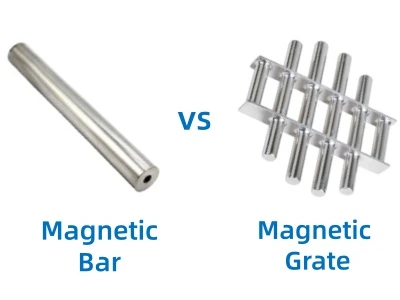








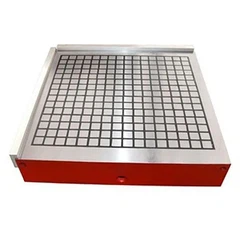
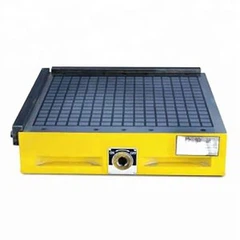
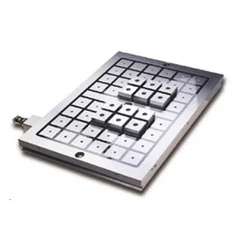


When choosing a magnetic separator for powder, granules, food materials, chemicals, or plastic pellets, many buyers compare two options: a drawer magnet and a rotary magnet.
Both are used for ferrous metal removal. They can help capture iron, steel, and other magnetic particles from the material flow. But they are not the same type of equipment.
A drawer magnet has a simpler, fixed magnetic tube structure. A rotary magnet uses rotating magnetic rods inside the housing. Because of this difference, they are used for different material conditions.
This article explains the difference between a drawer magnet and a rotary magnet in a clear way. Please continue reading.
Key Takeaways
A drawer magnet is usually used for free-flowing powders, granules, plastic pellets, and similar materials. A rotary magnet is used when the material is sticky, poor-flowing, or easy to bridge inside the housing. The main difference is structure. A drawer magnet uses fixed magnetic tubes, while a rotary magnet uses rotating magnetic rods driven by a motor. Drawer magnets are simpler in structure and maintenance. Rotary magnets have moving parts, so motor, sealing, and cleaning access should be checked.
What Is a Drawer Magnet?
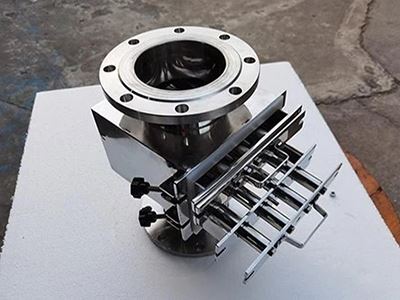
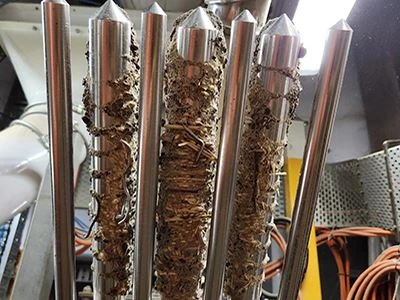
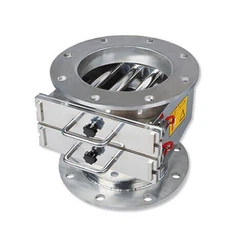
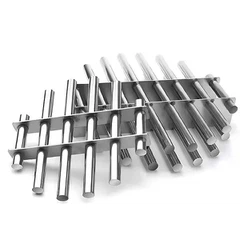
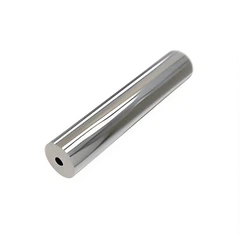
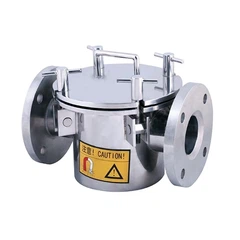
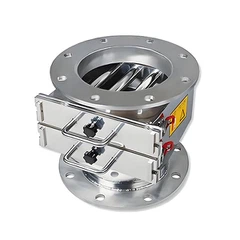
A drawer magnet is a type of magnetic separator used to remove ferrous metal from dry powders, granules, and similar bulk materials. It has rows of magnetic tubes installed inside a housing. When material passes through the housing, iron and steel particles are attracted to the magnetic tube surface.
The magnetic tubes are arranged like drawers, so operators can pull them out for cleaning or inspection. Some drawer magnets use manual-clean structures, while others use easy-clean or pneumatic designs. In most cases, the structure is simple and does not use rotating parts.

Drawer Magnets
Send Inquiry Now

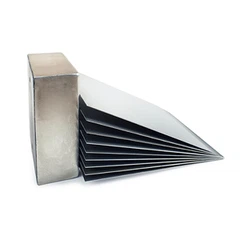
Magnetic Drawer Separation
Send Inquiry Now
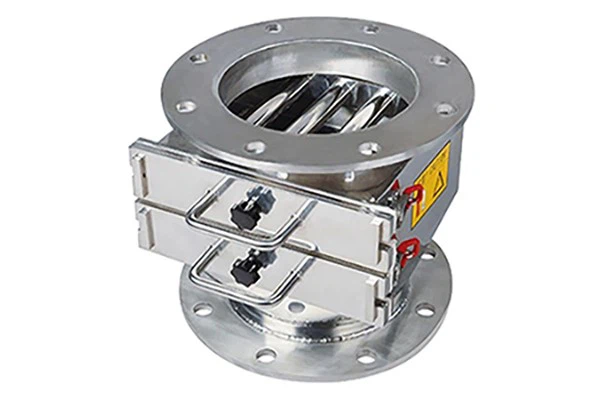
Magnetic Drawer
Send Inquiry Now

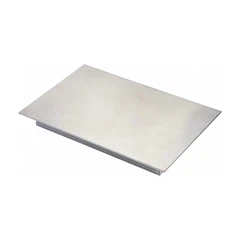
Square Magnetic Drawer
Send Inquiry Now
What Is a Rotary Magnetic Separator?
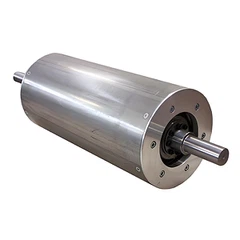
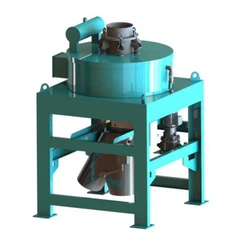
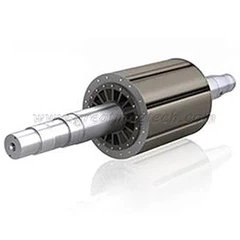
A rotary magnetic separator-also known as a rotary magnetic separator or rotary grate magnet-is a piece of magnetic separation equipment featuring rotating magnetic bars housed within a casing. It typically consists of a housing, a magnetic bar assembly, a motor, seals, and inlet/outlet ports. It is designed to capture ferromagnetic metal impurities from dry powders and similar materials as they flow through the unit. The magnetic bars are driven by a motor and rotate within the material stream. This design differs from that of drawer-style magnetic separators, which utilize stationary magnetic bars.

Rotary Magnetic Separator
Send Inquiry Now
Drawer Magnet vs Rotary Magnet: Main Difference
| Item | Drawer Magnet | Rotary Magnet |
|---|---|---|
| Magnetic Structure | Fixed magnetic tubes | Rotating magnetic rods |
| Working Form | Static magnetic separation | Rotating magnetic separation |
| Moving Parts | No rotating magnetic assembly | Includes a motor, shaft, seals, and rotating components |
| Structure Complexity | Simpler structure with fewer mechanical parts | More complex structure due to the rotary mechanism |
| Drive System | Usually operates without a motor | Uses a motor-driven rotating rod system |
| Cleaning Access | Magnetic tubes can be pulled out for manual cleaning | The cleaning method depends on the rotary assembly design |
| Main Difference | Material passes through fixed magnetic tubes to remove ferrous contaminants | Magnetic rods rotate inside the material flow to improve the separation of difficult or sticky materials |
How They Work in Powder and Granule Lines
Both drawer magnets and rotary magnets are installed in material flow paths. The difference is how the magnetic rods contact the material.
Drawer Magnet Working Process
In a drawer magnet, powder or granules enter the housing from the inlet. The material falls through rows of fixed magnetic tubes. When iron or steel particles pass near the tubes, they are held by the magnetic surface. The clean material continues through the outlet.

Rotary Magnet Working Process
In a rotary magnet, material enters the housing and meets a group of rotating magnetic rods. The motor drives the rods during operation. As the rods rotate, they move through the material flow and capture ferrous particles on their surfaces.
Drawer Magnet vs Rotary Magnet Comparison
| Comparison Item | Drawer Magnet | Rotary Magnet |
|---|---|---|
| Magnetic Structure | Fixed magnetic tubes arranged in multiple layers | Rotating magnetic rods inside the housing |
| Moving Parts | No rotating magnetic assembly | Includes a motor, shaft, seals, and rotating components |
| Suitable Material Flow | Best for free-flowing powders, granules, and pellets | Designed for poor-flowing, sticky, or bridging powders |
| Bridging Risk | Not suitable for materials that bridge or clog easily | Better suited for materials that tend to bridge or build up |
| Cleaning Method | Available with manual-clean, easy-clean, or pneumatic cleaning options | The cleaning method depends on the rotary rod assembly design |
| Maintenance | Simpler maintenance with fewer mechanical parts | Requires regular inspection of the motor, seals, bearings, and drive system |
| Cost Level | Usually lower due to the simpler design | Usually higher because of the motor and rotary mechanism |
| Typical Materials | Plastic pellets, resin, grain, sugar, and dry powders | Starch, milk powder, chemical powders, lithium battery powders, and other cohesive materials |
| Installation Space | Compact structure with lower space requirements | Requires additional space for the motor and maintenance access |
When to Choose a Drawer Magnet
A drawer magnet is usually a practical choice when the material can move through the housing without help from rotating parts.
Free-Flowing Powder or Granules
Choose a drawer magnet when the material flows easily by gravity. Dry powder, plastic pellets, resin, grain, sugar, and similar granules can usually pass through fixed magnetic tubes without serious buildup.
Lower Bridging Risk
A drawer magnet is more suitable when the material does not clump, stick, or bridge inside the housing. If the material forms blocks or hangs between the tubes, the flow may become uneven.
Simple Cleaning Requirements
Drawer magnets are also suitable when the line needs a simpler cleaning structure. Manual-clean, easy-clean, or pneumatic drawer magnet designs can be selected based on how often ferrous metal needs to be removed.
When to Choose a Rotary Magnet
A rotary magnet is used when fixed magnetic tubes may not be enough for the material flow. It is mainly considered when powder does not move evenly through a standard drawer magnet.
Sticky or Poor-Flowing Powder
Choose a rotary magnet when the material is sticky, light, or hard to flow. Some fine powders may stay inside the housing instead of falling through smoothly.
Material Tends to Bridge or Clog
If the powder forms bridges, clumps, or buildup between magnetic tubes, a rotary magnet may be more suitable. The rotating rods help disturb the material during separation, but the result still depends on moisture, particle size, and flow rate.
Higher Contact Between Material and Magnetic Rods
The rotating rods can increase contact between the material and the magnetic surface. This can help when ferrous particles are mixed inside the powder rather than staying on the surface.
Material Type: Which Magnet Fits Better?
Material behavior is key when choosing between a drawer magnet and a rotary magnet. Check if the material flows freely or tends to stick or build up.
Plastic Pellets and Regrind
Plastic pellets and dry regrind usually flow well. A drawer magnet is often enough for these materials. If the regrind is dusty or uneven, the inlet size and cleaning space should be checked.
Food Powder
For flour, sugar, starch, milk powder, or seasoning powder, the choice depends on flow behavior. Free-flowing powder can use a drawer magnet. Powder that cakes or bridges may need a rotary magnet.

Chemical Powder and Additives
Chemical powders and additives vary a lot. Some flow like fine granules, while others stick to the housing. Test the real material before choosing the structure.
Lithium Battery Powder Materials
Lithium battery powder materials are often fine and sensitive to metal contamination. Rotary magnets are commonly considered when the powder is light, fine, or difficult to flow.
Sticky or Moist Powder
Sticky or moist powder is not ideal for a standard drawer magnet. A rotary magnet may be considered if buildup or bridging is likely.
Cleaning and Maintenance Differences
Cleaning is different for drawer magnets and rotary magnets because their structures are different.
A drawer magnet is usually easier to clean. The magnetic tube drawer can be pulled out for manual cleaning, or it can use an easy-clean structure to remove collected iron more quickly. Since it has no rotating magnetic assembly, daily maintenance mainly involves checking the tubes, seals, housing, and cleaning frequency.
A rotary magnet needs more attention because it has moving parts. The motor, shaft, bearings, seals, and rotating magnetic rods should be checked during use. If powder is sticky or fine, buildup around the rods or seals may also need regular cleaning.
Cost, Space, and Operation Factors
Cost is one difference between a drawer magnet and a rotary magnet. A drawer magnet usually has a simpler structure, so the price and maintenance cost are often lower. A rotary magnet includes a motor, shaft, seals, and rotating parts, so the cost is usually higher.
Space also matters. Drawer magnets are more compact and easier to fit into many hoppers, chutes, or feeding points. Rotary magnets need extra space for the motor and maintenance access.
For operation, check your line speed, running time, power supply, and cleaning schedule. If your material flows well, a drawer magnet may be enough. If the powder often sticks or bridges, the extra cost and space of a rotary magnet may be worth checking.
What to Check Before Choosing Equipment
Before choosing a drawer magnet or rotary magnet, confirm the material condition first. You should know the material name, powder or granule size, flow rate, moisture level, and whether it tends to stick, cake, or bridge.
Also check the metal contamination risk. Is the problem fine iron powder, small steel pieces, or occasional larger metal? This affects magnetic strength and structure.
Installation details are just as important. Confirm the inlet and outlet size, available height, connection method, cleaning space, working temperature, and whether the unit needs to match an existing hopper, chute, or production line.
If possible, provide drawings, photos, or sample material before quotation.
Conclusion
There is no fixed answer between a drawer magnet and a rotary magnet. The better choice depends on how the material behaves after it enters the separator.
If your powder or granules fall smoothly and do not build up between the magnetic tubes, a drawer magnet is usually enough. If the material is light, sticky, or easy to bridge, you may need to look at a rotary magnet instead.
Before ordering, it is better to confirm the material condition, flow rate, inlet and outlet size, and cleaning space.
Great Magtech supplies drawer magnets and rotary magnets for different material lines. If you are unsure which structure fits your line, you can send material details, photos, or drawings for review.
FAQ
Q: Can a drawer magnet be changed to a rotary magnet later?
A: Sometimes, but not always. The inlet size, outlet position, height, motor space, and frame structure may need to be changed. It is better to confirm the line layout before ordering.
Q: Can a drawer magnet handle fine iron powder?
A: Yes, if the material can pass close to the magnetic tubes. For fine iron, the tube arrangement, magnetic strength, and material layer thickness should be checked.
Q: Is 13000GS necessary for every application?
A: No. Higher Gauss is not always needed. The choice depends on metal size, material flow, working temperature, and separation requirement.
Q: What can cause material buildup inside a drawer magnet?
A: Common causes include high moisture, poor flow, uneven feeding, small inlet space, or powder that cakes easily.
Q: What should be tested before choosing a rotary magnet?
A: Test whether the material bridges, sticks to the rods, affects rotation, or builds up near seals and corners.
Q: Does a rotary magnet always solve powder bridging?
A: No. A rotary magnet can reduce bridging in many cases, but moisture, particle size, powder stickiness, and feed speed still matter. Very sticky powder may need other flow-control measures.
Q: Can these magnets be used in food-grade lines?
A: Yes, but the surface finish, stainless steel material, welding, sealing, and cleaning method should match the hygiene requirements of the line.
Q: What drawings should I provide before customization?
A: A simple layout drawing is helpful. It should show the inlet, outlet, available height, connection size, material flow direction, and cleaning access.