



































Magnets have fascinated humans for thousands of years, from simple refrigerator magnets to powerful industrial magnets used in manufacturing and medical equipment. But for businesses looking to source high-performance magnets, the key question remains: how strong can a magnet be? Understanding a magnet's strength, especially the neodymium magnet strength, is crucial for selecting the right product for your industrial applications.
Industrial magnets are not just components; they are essential tools that improve efficiency, safety, and precision across multiple sectors. From lifting heavy steel beams to separating metals in production lines, knowing the magnetic pull force and material characteristics ensures that your business makes informed purchasing decisions.
What Determines How Strong a Magnet Can Be
The strength of a magnet depends on several key factors, and understanding these variables is essential for selecting the right industrial magnets. Whether you need magnets for lifting, separation, or custom machinery, knowing what affects neodymium magnet strength can help you make informed decisions and avoid costly mistakes.
Material Composition
The type of material used in a magnet plays the most critical role in its strength. Neodymium magnets (NdFeB), made from rare earth elements, offer the highest magnetic energy density available commercially, making them the strongest magnets on the market. Other materials, such as ferrite magnets or samarium-cobalt, have lower magnetic strength but can be more cost-effective or resistant to high temperatures.
Size and Shape
A magnet's pull force is heavily influenced by its size and shape. Larger magnets typically generate stronger fields, but the configuration-such as disc, block, or ring shapes-determines how the magnetic field is focused. Proper selection of size and geometry ensures maximum efficiency for industrial applications.

Temperature and Environment
Magnet performance can be affected by temperature and external conditions. Most magnets lose strength at high temperatures, while some rare-earth magnets perform better in cooler environments. Additionally, the presence of nearby magnetic fields or ferromagnetic materials can influence a magnet's effective pull force.
Coatings and Durability
For industrial use, coatings such as nickel, zinc, or epoxy can protect magnets from corrosion and mechanical wear, ensuring long-term stability. A magnet that maintains its strength over time reduces maintenance costs and guarantees reliable performance in your applications.
Neodymium Magnet Strength Explained
Neodymium magnets (NdFeB) are widely recognized as the strongest commercially available permanent magnets, making them a top choice for industrial applications. Their exceptional magnetic strength is a result of their unique composition, combining neodymium, iron, and boron, which allows them to achieve a high magnetic energy density and superior pull force compared to other magnetic materials.
Understanding Magnet Grades
Neodymium magnets are classified by grades, ranging from N35 to N52, with higher numbers indicating stronger magnetic properties. For example:
N35–N42: Suitable for general industrial uses, moderate lifting, and separation tasks
N45–N50: Ideal for high-performance machinery, precision tools, and industrial automation
N52: Currently the strongest commercial grade, delivering maximum pull force for demanding applications such as lifting heavy steel components or industrial magnetic separators

Magnetic Pull Force and Field Strength
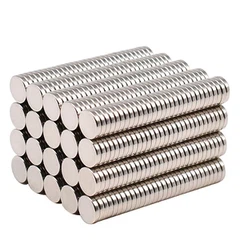
The strength of a neodymium magnet can be measured by magnetic field intensity (in teslas) or pull force (in kilograms or pounds). For instance, a small N52 disc magnet may have a higher pull force than a larger ferrite magnet due to its superior material properties.
Industrial Applications
Thanks to their unmatched strength, neodymium magnets are used across multiple industries:
Manufacturing: Lifting magnets, magnetic separators, and conveyor systems
Renewable Energy: High-performance electric motors in wind turbines and electric vehicles (EVs)
Medical Equipment: MRI machines and other devices requiring strong magnetic fields
Electronics: Precision sensors, speakers, and compact motor assemblies
By focusing on neodymium magnet strength and understanding its grades, B2B buyers can make confident purchasing decisions, ensuring that the magnets meet performance requirements while reducing operational risks.
How to Measure Magnet Pull Force & Field Strength
For industrial magnets and neodymium magnets, knowing the magnetic pull force and field strength is essential to select the right product for your applications. Accurate measurements help ensure your magnets meet performance requirements for lifting, separation, or machinery.
Measuring Pull Force
Pull force refers to the force required to detach a magnet from a ferromagnetic surface. It is usually measured in kilograms (kg) or pounds (lbs). To measure:
Attach a calibrated force gauge to the magnet.
Pull the magnet perpendicular to the surface until separation occurs.
Record the peak force.
Measuring Magnetic Field Strength
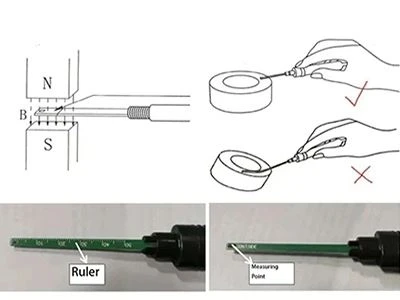
Magnetic field strength shows how strong the magnet's field is at a specific point, measured in teslas (T) or gauss (G). Use a Gauss meter to measure field intensity. Key points:
Measure at the magnet's surface for maximum strength.
Field distribution depends on magnet size, shape, and material.
High-grade neodymium magnets like N52 produce stronger fields than lower-grade magnets or ferrite alternatives.
Industrial Considerations
When measuring magnet strength, also consider environmental factors:
High temperatures may reduce magnetic performance.
Proximity to other magnets or metals can affect the pull force.
Coatings and mechanical stress influence durability.
Types of Strong Magnets & Their Industrial Applications
Strong magnets come in various types, each suited to specific industrial applications. Understanding their characteristics helps businesses choose the right industrial magnets for lifting, separation, and machinery operations.
Neodymium Magnets
Neodymium magnets are the strongest commercially available permanent magnets. They offer exceptional magnetic pull force and are widely used in.

Lifting Magnets: Efficiently handle heavy steel components in manufacturing or construction.
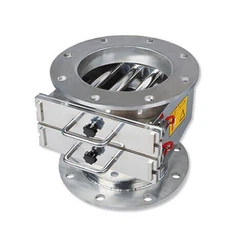
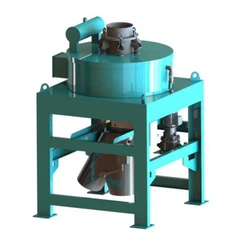
Magnetic Separators: Remove metal contaminants from raw materials in production lines.
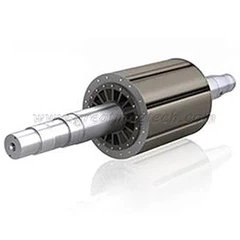
Motors and Generators: High-performance electric motors, especially in renewable energy and EV applications.
Samarium-Cobalt Magnets
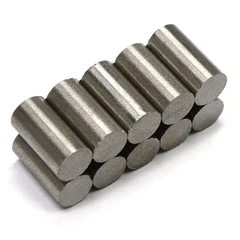
Samarium-Cobalt magnets are known for high temperature stability and corrosion resistance. Ideal for.

High-temperature industrial machinery
Aerospace and precision instruments
Applications where long-term reliability under stress is critical
Ferrite Magnets
Ferrite magnets are cost-effective, moderate-strength magnets. Commonly used in:
Magnetic assemblies and sensors
Small-scale industrial equipment
Consumer electronics require a moderate magnetic force
Electromagnets
Electromagnets generate adjustable magnetic fields when powered. Applications include:
Industrial cranes and lifting equipment
Magnetic separators with variable strength
Laboratory or experimental setups requiring controlled magnetism
Why Neodymium Magnets Are the Strongest Magnets on Earth
Neodymium magnets (NdFeB) are renowned as the strongest commercially available permanent magnets, making them a top choice for industrial applications. Their exceptional strength comes from the combination of neodymium, iron, and boron, which creates a high magnetic energy density. This allows neodymium magnets to generate pull forces far greater than ferrite or samarium-cobalt magnets of similar size.
The strength of a neodymium magnet is also influenced by its grade, typically ranging from N35 to N52. Higher-grade magnets provide greater magnetic pull force and field intensity, making them ideal for demanding applications such as lifting heavy steel components, magnetic separators, and high-performance electric motors.
Additionally, neodymium magnets maintain their strength while remaining compact and lightweight. This combination of power and size efficiency allows manufacturers and engineers to design more space-efficient and energy-efficient systems.
Thanks to their strength, versatility, and efficiency, industrial neodymium magnets are widely used across sectors, including manufacturing, renewable energy, medical equipment, and electronics. Choosing neodymium magnets ensures that your business delivers reliable performance while supporting advanced industrial applications.

How to Choose the Right Neodymium Magnet for Your Business
Selecting the right neodymium magnet is crucial for industrial applications. A careful choice ensures your operations run efficiently, safely, and cost-effectively.
Understand Your Application Needs
Before selecting a neodymium magnet, identify the specific requirements of your industrial application. Consider the required pull force, operating temperature, and the types of materials the magnet will interact with. A clear understanding of these needs ensures optimal performance and avoids underpowered or over-engineered solutions.
Evaluate Magnet Grade and Size
Once your application needs are clear, assess the magnet grade (e.g., N35–N52) and physical dimensions, as these directly impact magnetic pull force and field strength. Higher-grade magnets offer stronger performance, while the magnet's shape and size influence field distribution.
Consider Durability and Coatings
Industrial magnets often face harsh environments. Protective coatings such as nickel, zinc, or epoxy enhance resistance to corrosion and mechanical wear, prolonging magnet life. Selecting durable magnets reduces maintenance costs and ensures reliable performance in demanding applications. Ensuring durability at this stage complements the performance benefits gained from grade and size optimization.

Opt for Custom Solutions
Many businesses require magnets tailored to specific pull forces, sizes, or coating requirements. Offering custom neodymium magnets allows you to meet unique client specifications, giving your business a competitive advantage and strengthening long-term relationships.
Partner with a Trusted Manufacturer
Finally, working with a reputable supplier ensures that the magnets meet high-quality standards and performance expectations. A reliable partner provides technical guidance, quality assurance, and the ability to supply industrial magnets suitable for diverse applications. Collaborating with experts guarantees that your investment in neodymium magnets delivers long-term value.
Emerging Applications & Future Trends in Magnet Technology
Magnets, especially neodymium magnets, are driving innovation across industries. Their strong magnetic pull force and compact size enable applications in renewable energy, electric vehicles, and industrial automation.
In renewable energy, powerful magnets improve efficiency in wind turbines and generators, while in electric vehicles, they enhance motor performance and reduce energy loss. Industrial applications include magnetic separators, lifting systems, and robotic actuators, helping manufacturers optimize productivity and safety.
Future trends focus on higher-grade alloys, improved temperature-resistant coatings, and compact designs, making magnets stronger, more durable, and more efficient. Staying informed about these developments allows businesses to adopt cutting-edge solutions, improve operational efficiency, and maintain a competitive edge in evolving markets.