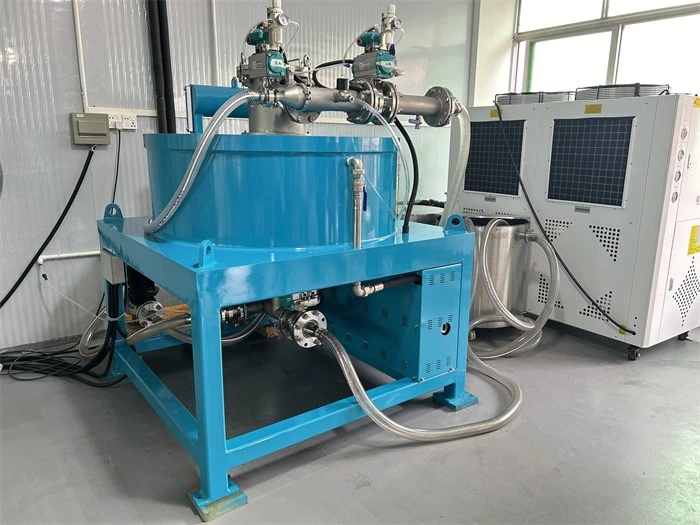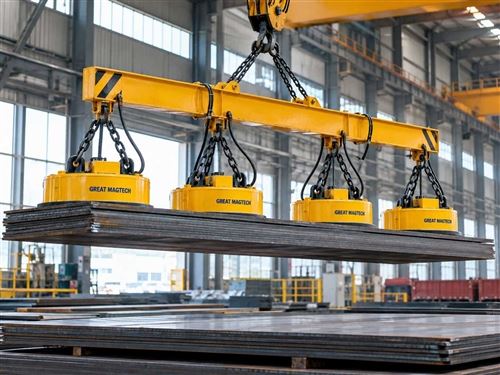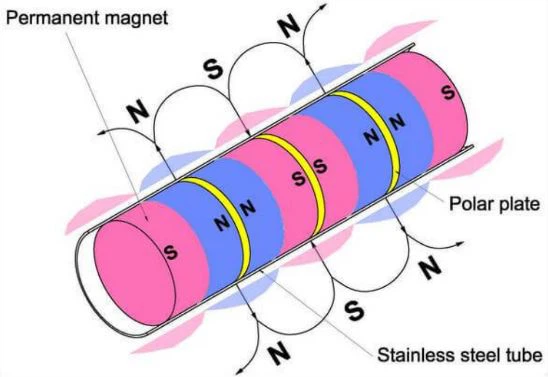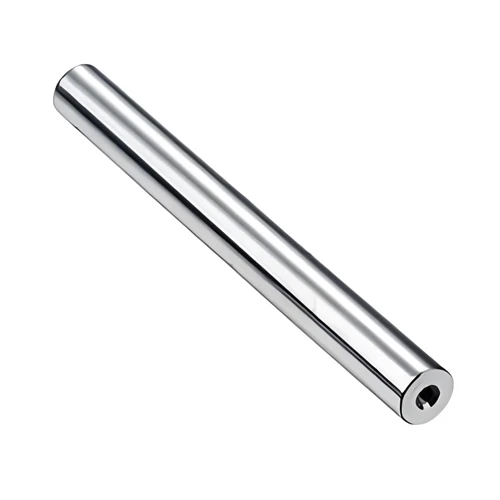
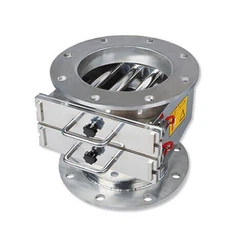
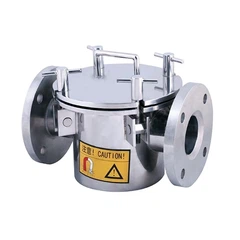
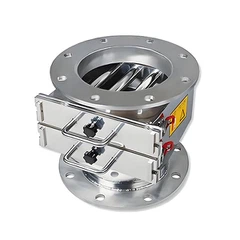
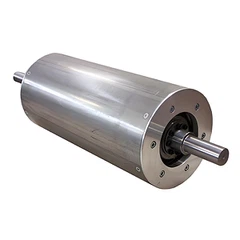
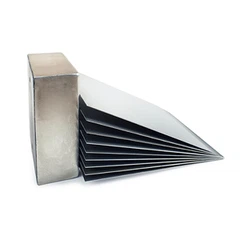
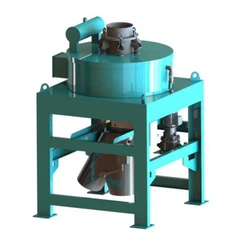

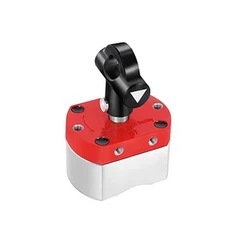

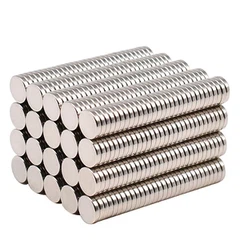
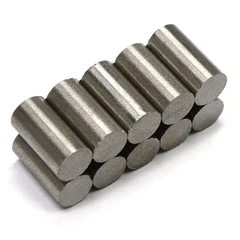
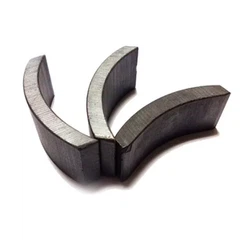
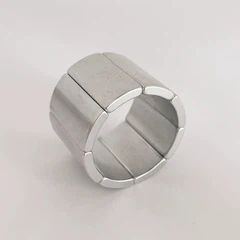






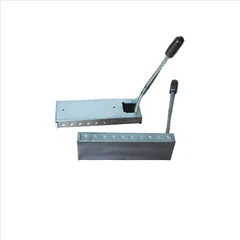
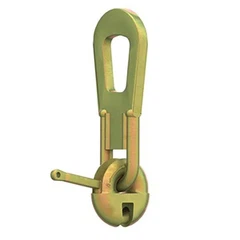
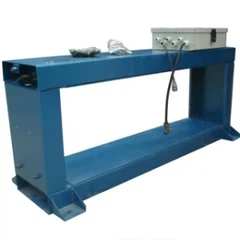
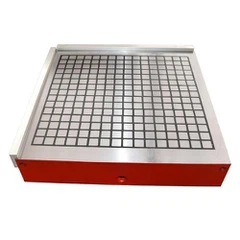
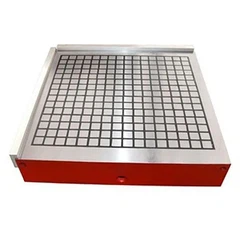
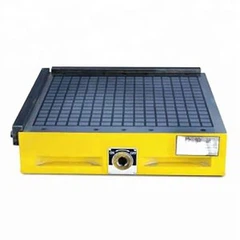
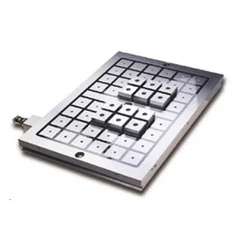


Drawer magnets are used in industrial material handling, not in kitchen cabinets or furniture. They sit inside a housing in a product line, often under a hopper or chute, where powders and granules pass through. As the material flows, the magnetic tubes catch iron and steel bits like small shavings, chips, or dust that can come from wear, tools, or upstream equipment. This helps protect your product quality and reduces the risk of metal getting into mixers, grinders, packaging machines, or the finished goods. In food, pharma, plastics, and chemicals, they're a practical "last checkpoint" before material moves to the next step.
In this article, it will be possible to understand how the magnets for the drawers help in increasing not only operational safety but also product quality.
What are Drawer Magnets?
Drawer magnets are industrial magnetic separators used to remove iron and steel contamination from powders and granules. They are installed in a product line, often under a hopper, chute, or gravity-fed pipe-so material flows over magnetic tubes inside the housing. As the product passes through, the magnets capture small metal fragments like shavings, chips, and dust before they reach mixers, grinders, or packaging equipment.
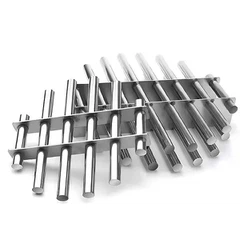
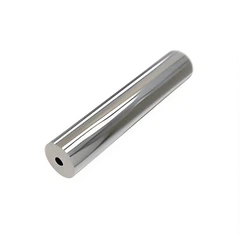
Drawer magnets are available in industries for the separation of ferrous metal and contaminants from the mass materials. They have a cavity-like structure with magnetic bars that retain metal particles as the product moves along. This helps avoid contamination of the material to gain the best quality and safety of the product. They are mainly applied in the food industry and pharmaceuticals to prevent contamination of food products.
Types of Magnets for Drawers
As we understand the different types of magnetic drawer separators, it is necessary to take a closer look at them.
1. Double-layered Drawer Magnets
Double-layered drawer magnets incorporate two or more rows of magnetic bars, whereby these bars are aligned in an anti-clockwise fashion. The ferrous contaminants are easily picked from high-speed applications such as powders and granules by these magnets. This design captures fine ferrous particles and prevents damage to machines such as injection molding machines. Able to manage the small particles, which makes product quality and operation safety effective.
2. E-style Magnetic Drawer Separators
E-style magnetic drawer separators are employed to discharge ferromagnetic and weak magnetic impurities from products in motion. It has several magnetic bars enclosed within a casing of stainless steel. And as the material passes through, it crosses the magnetic grates. It increases the material quality and also safeguards the types of equipment in the downstream processes in the food and chemical industries.
3. N-style Magnetic Drawers
N-style magnetic drawers are designed in such a way that they dislodge ferrous metal from freely flowing products. The magnetic grates set in a stainless steel casing collect metallic particles and powders. These drawers are used widely in such sectors asthe food and chemical sectors to prevent contamination of products as well as safeguard the equipment.
4. Magnet Separator Magnetic Drawers
Magnet separator-type magnetic drawers are applied in the separation of ferrous metallic particles from the loads. Inside stainless steel casings, they have high magnetic grates of the internal components. These units are designed to arrest ferrous particles as materials pass through. The easy-clean version lets the operator get rid of metal debris for its fast removal.
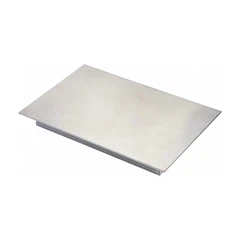
5. Magnetic Plate-type Iron Removal Machines
Magnetic plate-type iron removal machines are applied in the removal of ferrous contaminants from bulk or powder products. They consist of magnetized plates to attract iron-based particles as the materials move in the process. These machines are used in the food, chemical, and recycling industries to ensure the quality of their products and to avoid damaging their machinery.

The Advantages of Using Drawer Magnets for Industries
There are several advantages that drawer magnets provide in different industries, and with these, it is a vital implementation to ensure product quality and systems organization.
Enhanced Protection Against Contamination
Drawer magnets are great for removing ferrous particles from the material, which can otherwise severely harm the machine and lead to the recall of manufactured products. By collecting even tiny bits of metal, they can guarantee that the final product is of the right quality.
Customizable Options for Diverse Applications
Drawer magnets are available for manual operation only or the easy-clean or self-cleaning type, depending on the working environment. Such choices are flexible in that they enable firms to choose the best solution according to their needs.
Food-grade Stainless Steel for Safe Use in Food Production
The drawer magnets used in food processing plants are usually made from stainless steel, which is food-grade. This material helps avoid contamination of food and makes the production of food safe.
Cost-effective and Efficient Maintenance Solutions
Drawer magnets are produced to have low running expenses. The easy clean and the automated cleaning option, therefore, are less time consuming on labor and maintenance, hence more economical in the long run.
Versatility Across Various Industries
Drawer magnets are common in many industries, including food, chemicals, and milling industries. For this reason, they are useful in many applications where the need to remove contaminants is necessary.
Long-lasting Durability and Reliability
Drawer magnets are designed to withstand all the harshness of the processing environments. This makes it possible for them to deliver reliable performance, especially over many years.
Which Industries Benefit from Using Drawer Magnets?
Many businesses and companies have realized the importance and benefits of drawer magnets in keeping their products safe, equipment secure and their customers safe.

Food Production and Processing
Food processing plants need to use drawer magnets. They help protect food products from getting contaminated with metals, and thus they help protect consumers and regulatory authorities from getting into violation of food hygiene laws. By capturing ferrous particles, they minimize contaminants that may cause products to be marked as substandard or poisonous.
Chemical Production
In chemical manufacturing, it is used for retaining the chemical purity since any iron particles will have to be separated by drawer magnets. This avoids mixing and shields the equipment from corrosive harm from the metallic particles.
Milling and Pet Food Manufacturing
Magnetic drawer plates are used in milling and pet food manufacturing to pull metal particles out of the final product. This is good for the final product since it guards its quality and at the same time protects some processing machinery from damage.
Mining Industry
Drawer magnets are used in the mining industry to sort out ferrous material from the mined material. It also makes it easy to obtain high-quality extracted material and guards processing equipment against damage.
Pharmaceutical Industry
The pharmaceutical industry has never taken any change with drawer magnets and their effectiveness in maintaining the quality of its products lightly. They filter out metallic debris, thereby protecting receiving products from contamination, which may be hazardous to human health.
Powdery Substance Handling
Holding industries such as cosmetic or additive industries that handle powdery products apply drawer magnets to filter out the metallic traces from the powders.
Cement and Gypsum Production
In cement and gypsum production, drawer magnets help preserve the machines used in bulk powder processing, as well as help determine the quality of the final product by eliminating ferrous metal in the process.
How to Choose the Right Drawer Magnet
Start With Your Material and Your Risk
A drawer magnet is not "one size fits all."
The best choice depends on what you run, how fast it flows, and how much metal risk you have.
Ask these simple questions first:
Is your product powder or granules?
Is it free-flowing or sticky?
Is the metal risk low, medium, or high?
Do you need fast cleaning because you clean every shift?
Is this for food or pharma, where hygiene rules are stricter?
Single-Layer Drawer Magnet
Choose a single-layer drawer magnet when your contamination risk is low to medium, and you want a straightforward setup.
It works well when the material is clean most of the time.
It's also a good fit if you have limited space.
Best for:
Free-flowing powders and granules
Lines that don't see a lot of metal wear
Basic protection before the next process step
Double-Layer Drawer Magnet
Choose a double-layer drawer magnet when the etal risk is higher, or your product is more critical.
Two layers increase the chance of catching fine iron bits.
This is helpful when you want stronger protection without changing your whole line.

Best for:
Higher metal risk (more equipment wear, more upstream contact)
Finer powders where small metal dust matters
Customers who need tighter quality control
Easy-Clean Drawer Magnet
Choose an easy-clean drawer magnet when cleaning time is your biggest pain point.
If you clean often, small design details matter.
Easy-clean styles are built to make wipe-down faster and more consistent.
Best for:
Food and pharma lines with frequent cleaning
Sticky powders that take longer to clean
Teams that need quick changeovers
Self-Cleaning Drawer Magnet
Choose a self-cleaning drawer magnet when downtime is expensive, and you want more consistent removal.
This type is used when you cannot stop the line often.
It helps reduce manual cleaning work.
Best for:
High-throughput production
Continuous lines where stoppages hurt output
Sites that want more stable, repeatable metal control
What is the Maintenance Process for Drawer Magnets?
It's crucial to care for drawer magnets to guarantee the best efficiency and durability of use.
Routine Cleaning and Inspection
Cleaning helps to eradicate some contaminants so that it works properly. Ensure that magnets are in good shape as they may wear out or even get damaged, to ensure efficiency.
Manual vs Automated Cleaning Methods
Manual cleaning includes the removal of accumulated metal by wiping it on its surface. Automated systems are also able to clean themselves and therefore, they would not require so much work.
Identifying Wear and Tear
Ensure you look for such signs as crack signs or loss of magnetic strength. The achievement of early detection reduces cases of performance problems.
Re-calibration and Re-magnetization
The options for repair of the magnets are either a recalibration or re-magnetization of the magnets to their former efficiency. This helps to ensure that effectiveness is consistent.
Storage and Handling Best Practices
Magnetic devices must be kept in clean and dry places. It is very sensitive to either structural or magnetic interference.
Frequency of Maintenance Based on Usage
End-use conditions are a critical factor in decisions in selection since areas where the carpet will be used frequently will need more frequent cleaning. These intervals guarantee that magnets perform effectively.
Proper Disposal of Contaminants
Discharge of the contaminants has to be made according to the laid-down laws. /Adhere to measures that safeguard the environment against harm.
How do Drawer Magnets Enhance Operational Efficiency?
In operating processes such as manufacturing, drawer magnets aid in increasing efficiency by eliminating ferrous materials from the process. This helps protect equipment, cut expenses on repair work, and lower the amount of lost time. They protect the product from contamination hence avoiding costly recalls. Drawer magnets also make an input to safety as they separate particles from delicate products such as foods and drugs. It reduces the amount of time taken to clean them, something that cuts down on the labor time. Additional features are tailored to the particular requirements of the industry, which also enhances productivity.

How do Drawer Magnets Improve Product Consistency and Safety?
Trash magnets help to ensure product quality and reduce risk as it extracts ferromagnetic particles during production. This helps to get shiny, clean products without contamination of metals, which may be detrimental to the end product. Many industries, especially the food and pharmaceutical industries, require contaminant-free materials to meet safety and legal requirements. Their constant performance minimizes changes in product quality, thus making them reliable. Drawer magnets also help to prevent any small ferrous particles from reaching the end product, and as such, they maintain high safety measures.
What Makes Drawer Magnets a Smart Investment for Manufacturers?
Manufacturers should invest in drawer magnets because of their efficiency, capacity to shield equipment, and improved product quality. They are meant to separate ferrous particles from materials so that such particles will not harm machinery, and for quality materials to produce high-quality products.
Key benefits include:
Protection of equipment: Eliminates metal fragments that may cause harm to expensive machines.
Improved product quality: Guarantees that no metal contaminants get through and that quality is kept constant.
Cost savings: Reduces the costs of maintenance because it enables organizations to prevent machinery breakdowns.
Versatility: Can be adapted to almost any business that involves the processing of food products or chemicals in general.
Long-term durability: Sturdy processors are designed for the rigorousness of the processing environment.
These benefits make drawer magnets important as they help in increasing the production efficiency of the manufacturing process.
Why Choose Great Magtech for Your Drawer Magnet Needs?
Great Magtech is a go-to company for manufacturers who need the quality and durability of drawer magnets.
Food-grade Stainless Steel
The ordinary Great Magtech draws its materials from food-grade stainless steel (either 304 or 316). This ensures that the magnets are safe for direct contact with food, that is, the product is durable, and it is also environmentally friendly. It is constructed in a way to endure rigorous environments and deliver optimal performance, and therefore appropriate in food processing applications.
Certified Quality Assurance
The manufacturing line of Great Magtech has been accredited with ISO 9001, ISO 14001, and TS16949, which are marks of International Quality Standards. These certifications make provisions for the fact that every product provided comes out as the best in the market, making these products reliable and consistent.
Rigorous Testing Process
Laying great emphasis on quality, the drawer magnet manufactured by Great Magtech undergoes extensive testing. That is why the company performs Gauss testing to determine the strength of a magnet and to make sure that a final product complies with it. The magnets that are sent out are those that meet all these demanding specifications, so that customers are assured of quality.
Custom Packaging Solutions
Great Magtech caters to the special packaging needs of customers and has the full capability to offer customer-specific packaging. The company allows customers to receive pictures and videos of packaging before products are shipped. It also ensures that all magnets ordered by clients are delivered safely and in their best state.
Professional Driver Follow-up
Our professional transport team at Great Magtech monitors every shipment and informs the client of the expected time of delivery. This service ensures that goods get to their destinations in one piece and at the right time.
Competitive Pricing Guarantee
One of Magtech's big products is a drawer magnet that is cheap to offer due to its great value for money, while still being of high quality.
FAQs
Q: Is a self-cleaning drawer magnet worth it?
A: It can be, especially for high-throughput lines where stoppages are costly. Self-cleaning designs reduce manual work and help keep metal removal more consistent.
Q: Do drawer magnets need maintenance besides cleaning?
A: Yes. You should inspect the housing, welds, and tubes, and check magnet strength as part of routine QC. Regular checks help catch wear before it becomes a problem.
Q: What information should I provide for an RFQ or model recommendation?
A: Share: material type (powder/granule), flow rate, installation location, temperature, cleaning method, required hygiene level, and any drawing or size limits. This helps match the right drawer magnet faster.
Q: Are magnetic drawer filters easy to install and maintain?
A: Yes. Most are easy to install under a hopper or chute with common clamp/flange connections. Maintenance is mainly pulling the drawer out, cleaning off the trapped metal, and putting it back on a set schedule.
Q: Can magnetic drawer filters be used for recycling purposes?
A: Yes. They can remove ferrous metal from dry, free-flowing recycling materials (like plastic flakes or granules). For heavy mixed waste or large metal pieces, they're better used as a final clean-up step after stronger primary separation.
Conclusion
Choosing the right drawer magnet is a practical step toward cleaner product flow and fewer production headaches. From single-layer drawer magnet for lower metal risk to double-layer designs for tighter control, and easy-clean or self-cleaning options for faster maintenance, each type supports a different workflow and hygiene need. Ready to reduce ferrous contamination and protect downstream equipment? Compare your material, risk level, and cleaning routine, then request a spec match or quote from Great Magtech for a drawer magnet solution that fits your line.