








In mining, one concept is often observed: efficiency and safety. They are generally termed as the two sides of the same coin. Magnetic separation is one of the significant strategies by which both are maintained. It sounds very technical when you say it, but in truth, it is a powerful weapon protecting your equipment, aiding the quality of your products, and even saving you some money.

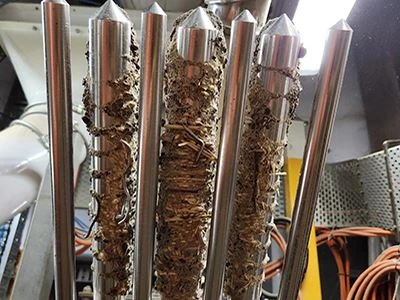
Picture yourself in charge of overseeing a mining operation where raw ore is extracted from far beneath the earth's surface. As the ore is being transported, crushed, and ground, it inadvertently picks up a variety of metallic nuisances, otherwise known in the industry as ''tramp ore''.These are stray bolts, pieces of wire, or chips from worn-out tools that, when they get into your crushers or conveyors, can create havoc with their operations.
And that is where magnetic separation comes in. Using magnetism to retrieve pieces of metallic contaminants from your product stream helps to avoid triggering costly equipment downtime.
The Principle Behind Magnetic Separation
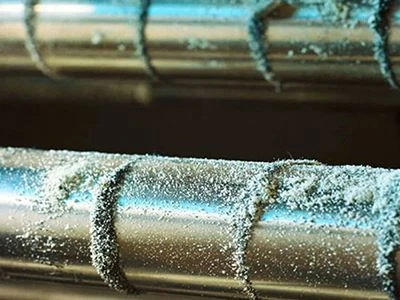
When you create a magnetic field in a mixture, it does not respond alike to all the different particles. Iron, nickel, etc., are most strongly attracted to magnets; they are ferromagnetic or certainly paramagnetic. Whereas there are a few materials, such as quartz or other silicate minerals, which hardly react at all. If you pass your material over or through a magnetic field, the magnetically susceptible particles get attracted to the magnet and get separated from the non-magnetic ones.
Simply, the process works on very simple and yet quite elegant principles. The magnetic field works like a sieve, pulling out the unwanted metal particles through very selective filtration. The physics behind it relies on magnetic susceptibility, which measures the strength with which a material gets magnetized in an applied external magnetic field. The stronger the magnetic susceptibility of a particle, the more force it experiences within the magnetic field gradient and the easier it is to separate it from the rest.
Implementing Magnetic Separation in Your Operation
Once you plan a mining operation, you would typically consider the entire process flow, from the initial extraction of ore to the end product that undergoes a further refining process or direct use. One of the early processes in which you will apply magnetic separation is just after the ore is extracted and crushed.
At this point, tramp ore will be intermixed with the precious minerals to be preserved. Early installation of a separator magnet at the outset of the process determines the protectiveness of downstream equipment, such as crushers and conveyors, from the metal fragments that can cause abrasive damage or mechanical failure.
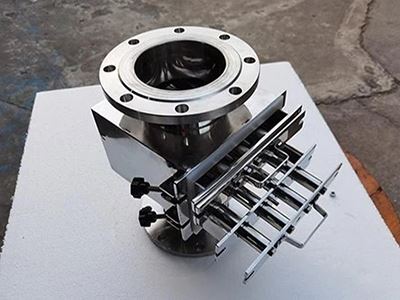
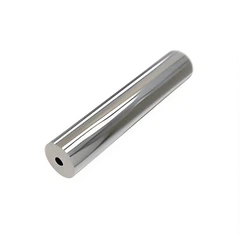
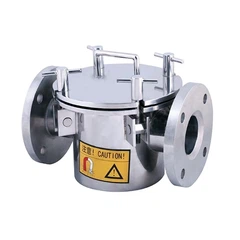
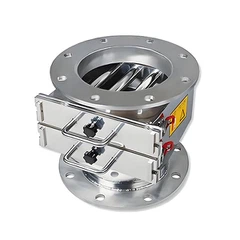
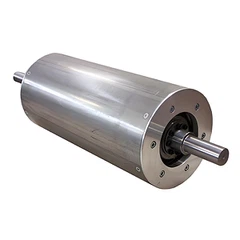
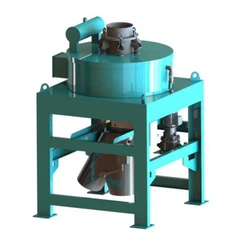
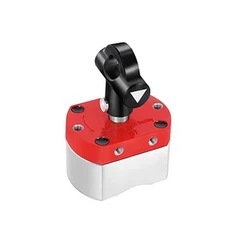
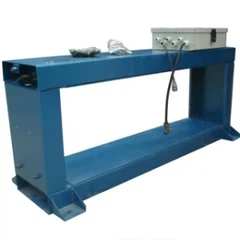
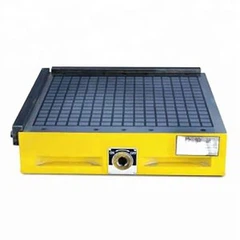
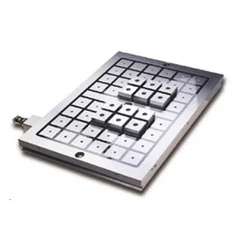
Examples of magnetic separators that you can consider for your operations include permanent magnetic separators and electromagnetic separators.
Electromagnetic Separators
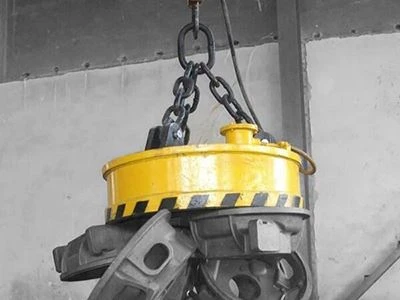
Electromagnetic separators are the likely choice if you are dealing with larger pieces of tramp ore. These comprise machines that generate a magnetic field by passing an electric current through coils. One main advantage of this is that you can control the magnetic field strength. The current can be switched on or off for dynamic control during the separation process. For instance, when you observe that the amount of tramp metal fluctuates throughout the day, an adjustment in the power supply of the electromagnet will allow you to surge the electromagnet and switch back down when the influx subsides.

Permanent Magnetic Separators
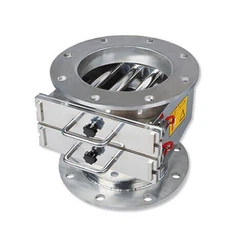
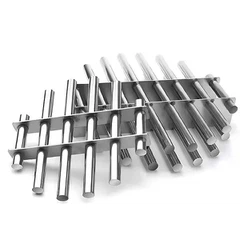
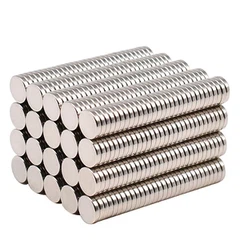
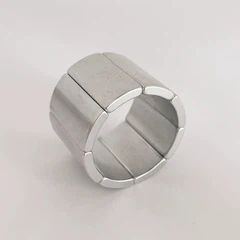
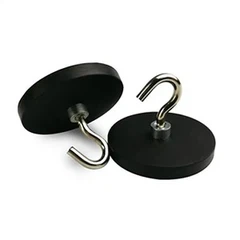
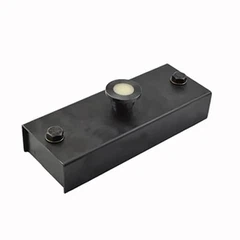
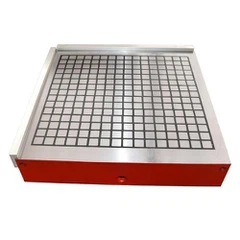
If your operation constantly involves highly magnetic materials, then permanent magnetic separators would be the best alternative. These types of magnets operate on an inherent magnetic field without any electrical power and generally use neodymium for the magnetic materials. These have the advantage of being simple and energy-efficient; they are smaller, require less maintenance, and work continuously. However, since they have a permanent magnetic field, provisions for cleaning must be virtually effective so that the accumulated metal does not hinder the operation.
How Magnetic Separation Works
Let's say you have a conveyor belt that moves all along your process plant. As it flows, the entire ore passes directly under an overhead magnetic separator. If you're using an electromagnetic separator, this means that the conveyor belt runs below the energized magnet, and the magnetic particles are lifted off of the conveyor belt and directed to a collection area. In the case of permanent magnet systems, every unwanted metal sticks onto the surface of that magnet and will remain until that mechanical scraper detaches it before falling into a bin separated from the collection.
Separation and purer final products keep your machinery safe. By saving wear on machinery from the tramp ore in the earlier process stages, separation and purer final products reduce wear on crushers and screens, cause less maintenance, and increase equipment life. Processes such as flotation or dense media separation then have the added benefit of working with clean, rough material that purifies the concentration product. Thus, the product becomes more marketable and valuable.

Increased Productivity and Lower Operating Costs
You know that every minute of downtime or every occasion of damage to equipment translates into very significant expenditure on your operations. Therefore, magnetic separation is a preventive measure against these kinds of events. The win-win situation is that you protect your machinery from the abrasively damaging action of tramp ore while improving the overall productivity of your mining process.
Imagine running a mine that treats very large quantities of ore, say, hundreds of tonnes a day. Without magnetic separation facilities, even a small trace of metal could prove too much when it comes to breakdowns or blockages in your machines. This is where the right magnetic separator comes into play, significantly minimizing those problems. It probably translates into considerable repairs and unplanned machine downtime while ensuring the smooth and efficient running of your processing plant.
Technology That Satisfies Your Requirement
Two operations in mining cannot be done the same way. Maybe you're working at an open pit mine, or maybe you are underground. You might extract iron ore or tungsten. You might even have rare earth elements down the line. Your choice of magnetic separator design and type depends on the needs of your operation. For instance, if you are dealing with a lot of fine ore particles, you might need a kind of high-intensity magnetic separator that can handle the challenges of fine paramagnetic minerals. On the other hand, if you are mainly concerned with large visible pieces of tramp metal, an overhead electromagnetic separator might be the right solution.
Installation and maintenance are yet another critical factor you need to keep in mind. Most of these modern magnetic separators have been designed to be retrofitted into existing production lines, thereby saving on time and labor costs, and they are not even built at long intervals of time as most are self-cleaning, disposing of their metals automatically. Design matters not only save much time and labor but also serve over a long period in a harsh operating environment.
Environmental Benefits and Operational Advantages
This kind of separation not only protects your equipment and improves product purity, but also has other benefits that an operator can appreciate. For instance, it helps reduce the environmental impacts of your mining operation by separating the unwanted metals from the sources much earlier and eventually having separated waste material that can be disposed of or recycled by environmental regulations and standards.
There is also another part of the magnetic separation that one would be delighted to know would benefit sustainability in operations. Metal value is being covered by a waste material, as this offers the basis for an operation recycling which can later on be sold in the market, as it contributes both to the circular economy and as an extra revenue stream for your operation.
What Future Prospects Does Magnetic Separation Have for Mining?

With advancements in technology, magnetic separation continues to become more and more advanced. Designs are becoming newer and more effective; stronger and better magnetic materials are being developed to offer you even more control and efficacy. Future mining holds high promises for clear adaptation to high-gradient magnetic separators and automated cleaning systems.
You may soon see magnetic separators that are integrated with advanced sensor technologies, which can provide real-time data on the separation process. This means that you will be able to monitor performance, adjust settings on the fly, and make sure that your operation is running at peak efficiency. It will be important, therefore, to ensure that you keep the technological advancements at arm's length to always keep the competitiveness of your mining site against the winds of inevitable change in the industry.
Conclusion
Magnetic separation is used in mining to remove unwanted metal, separate magnetic minerals, and reduce the risk of damage to crushers, conveyors, screens, and mills. Its result depends on more than magnet strength. Material size, moisture, belt speed, installation position, and cleaning method all affect how well the separator works.
For mining projects, the best choice should match the actual process line. A conveyor belt may need an overband magnet, while fine ore or slurry may require a different magnetic separation system.
Great Magtech supports the selection of magnetic separators for mining and bulk material handling projects. If you need help choosing a suitable magnetic separator, you can share your material type, particle size, belt width, flow rate, and installation conditions with our team.
FAQ
Q: Is stronger magnetic force always better?
A: Not always. Magnet strength should match the material and separation goal. If the separator is not matched to the process, higher strength alone may not give better results.
Q: Where is a magnetic separator usually installed in a mining line?
A: It is often installed above conveyor belts, after crushing, before grinding, or before key processing equipment. The best position depends on material size, flow rate, and contamination risk.
Q: What is magnetic separation used for in mining?
A: Magnetic separation is used to remove unwanted ferrous metal, recover magnetic minerals, and protect equipment such as crushers, conveyors, screens, and mills.
Q: Does particle size affect magnetic separation results?
A: Yes. Large tramp iron is usually easier to capture. Fine particles may require stronger magnetic force, closer contact distance, or a separator designed for fine material processing.
Q: How does belt speed affect magnetic separation?
A: If the belt moves too fast, the magnet may have less time to capture metal. Belt speed, material layer thickness, and magnet position should be checked together.
Q: Can magnetic separation reduce equipment downtime?
A: Yes, in many mining lines it can help reduce damage caused by tramp iron. However, the actual result depends on the correct selection of equipment, proper installation, and regular maintenance.
Q: Do mining magnetic separators need regular cleaning?
A: Yes. Collected metal should be removed regularly. If the magnet surface or the cleaning system is overloaded, separation efficiency may drop, and maintenance requirements may increase.