











Introduction
B2B sellers can benefit from knowing magnetic traction technology, which is quickly becoming necessary in many industrial applications. Businesses can choose how to incorporate this technology into their systems by understanding the fundamental ideas of magnetic propulsion, magnetic repulsion, and traction forces.
Stay with us; you can understand a competitive edge by comprehending the theory behind magnetic traction, whether for lowering wear and tear or increasing energy efficiency.

Overview of Magnetic Traction Technology
Magnetic traction employs the natural forces of magnets to assist with mobility. Unlike traditional mechanical systems that utilize belts, pulleys, or gears, magnetic traction creates force using magnetic fields to facilitate the movement of an object either toward or away from a surface. This technology differs from what is known today as traction, which can cause increases in friction and wear and provide smoother behaviors in some environments.
What Is Magnetic Traction Technology?
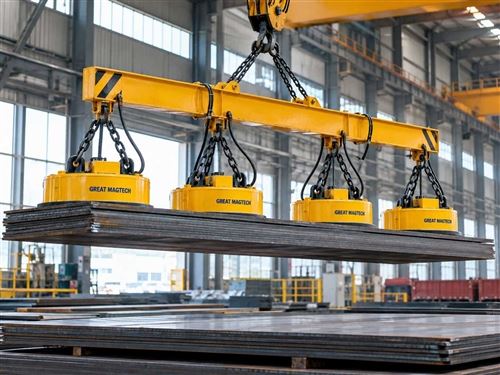
Magnetic traction technology utilizes magnets to provide support or movement. Using magnetic repulsion, it pushes objects or things away from it. With attraction, it pulls items towards it to generate traction forces that are effective in moving or lifting items.
These forces are essential in sectors where precision, longevity, and energy efficiency are paramount, such as manufacturing, logistics, and transportation systems.
Core Components and Mechanisms
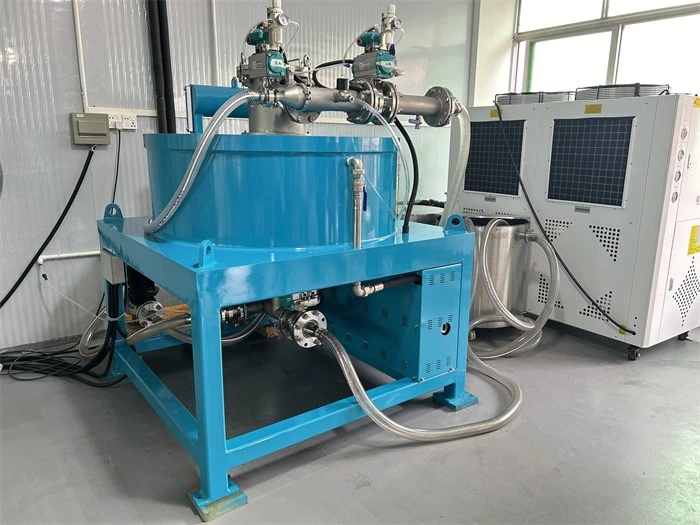
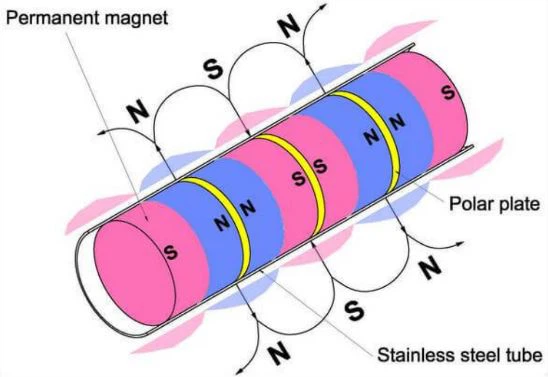
Magnets, a power supply, and control mechanisms are the primary elements of a magnetic traction system. The desired repelling or attractive forces are created by the interaction of magnets, usually electromagnets or permanent magnets.
While control mechanisms modify the magnetic field's strength and direction, the power source aids system operation. These elements cooperate to produce and regulate the traction forces required for motion.
How Magnetic Traction Technology Works
Magnetic traction technology uses powerful magnets to create a controlled and consistent pulling force, reducing friction and enabling smooth movement. This innovative system is widely used in transportation, medical devices, and industrial applications for efficiency and precision.
Let's find out how:
Magnetic Propulsion Basics
The process of using the attracting or repulsive forces between magnets to move objects forward is known as magnetic propulsion. Objects can be moved carefully, positioning magnets such that they push or pull in contrast to repulsion, which is mostly used to maintain separation or produce levitation, as in applications such as maglev trains, propulsion entails direct movement.
Traction Forces in Industrial Settings
Traction forces are pivotal in relocating material or products within factory settings. Automated transportation networks and conveyor systems harness forces to transport materials between locations. Magnetic traction systems improve efficiency and reliability while decreasing wear and tear and smoother movement by eliminating the need for physical contact among moving components.
Role of Magnetic Repulsion
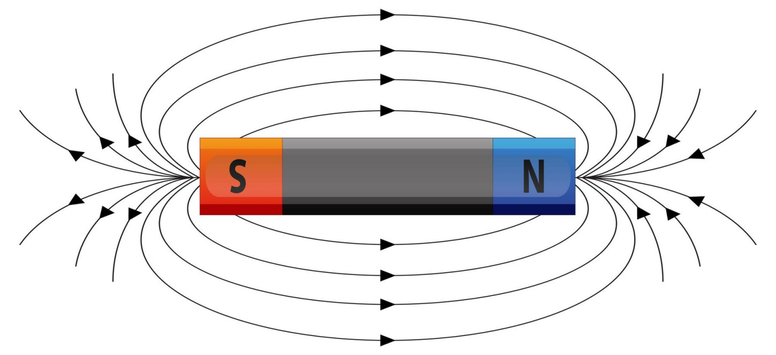
Through magnetic repulsion, it pushes objects or things away from it. With attraction, it pulls items towards it to generate traction forces that are effective in moving or lifting items. These forces are essential in sectors where precision, longevity, and energy efficiency are paramount, such as manufacturing, logistics, and transportation systems.
Advantages and Applications in B2B Environments
Magnetic traction technology offers numerous advantages in B2B environments. Its applications span various industries, from automated manufacturing to logistics and medical equipment, streamlining processes and boosting productivity. Here's how:
Efficiency and Safety
Magnetic traction systems consume less energy and increase workplace security in plants. The system lasts longer because of the few moving parts, less friction, and less wear and tear. Also, since there are no mechanical parts, the potential for failure is reduced, making it a more reliable and safe alternative for industries that demand great precision.
Versatility
Thanks to its remarkable adaptability, magnetic traction is employed in various industries, including manufacturing, shipping, and warehousing. The technique applies to any number of systems, including ones that carry fragile items or move heavy loads. Due to its flexibility, it is a great tool for businesses across different sectors.
Scalability
Scalability is one of the main benefits of magnetic traction technology. Magnetic traction systems can be scaled to match business needs, whether an area requires a small system or a high-capacity production line requires a larger configuration. Because of this, they are the perfect option for expanding companies searching for systems that can change to meet their changing needs.
Comparison Table: Magnetic Traction Products
|
Feature |
Product A |
Product B |
Product C |
|
Load Capacity |
2000 kg |
1500 kg |
3000 kg |
|
Power Consumption |
5 kW |
4.5 kW |
6 kW |
|
Efficiency |
90% |
85% |
92% |
|
Cost |
$10,000 |
$8,500 |
$12,000 |
|
Installation Complexity |
Moderate |
Easy |
High |
|
Maintenance Frequency |
Every 6 months |
Annually |
Every 3 months |
|
Energy Efficiency |
High |
Medium |
High |
|
Return on Investment (ROI) |
3 years |
2.5 years |
4 years |
|
Additional Features |
Remote control operation |
Compact design |
Advanced control system |
Why Compare Magnetic Traction Solutions?
Evaluating different vendors and product options is important when choosing magnetic traction systems for industrial use. B2B consumers can ensure they select the optimal product for their specific needs by comparing specifications such as load capacity, power consumption, efficiency, and cost. Companies can find the optimal value and performance for their investment if they understand these characteristics in detail.
Implementation Considerations
The key factors include proper installation, regular maintenance, and manufacturer guidelines to ensure optimal performance and longevity.
Installation
When you decide to use magnetic traction devices, their installation and upkeep for business purposes should be considered. The system must be installed for it to function well over time.
Maintenance
Maintenance will always be needed to ensure safety, system effectiveness, and condition, so following the manufacturer's guidelines and recommended best practices is equally important.
Manufacturer Guidelines
Follow the manufacturer's guidelines by adhering to recommended installation, using specified parts, and sticking to the maintenance schedule. Regularly check for updates to ensure compliance with safety and performance standards.
ROI and Cost-Benefit Analysis
With the proposed traction technology, evaluation of the TCO of ownership, including the initial purchase price, maintenance, and energy required, must be analyzed.
Understanding ROI is essential with any stakeholders involved. Cost determines the value of the technology through reduced productivity losses from overworking parts, greater energy use efficiency, and higher output from workers.
It will continue to grow and impact the industry extensively. The target for researchers and engineers is increasingly focusing on maximizing new developments' scalability and efficiencies. Later developments include more powerful magnets, energy-efficient devices, and enhanced control systems that are more flexible and accurate.
Final Words
Will keep evolving and be influential in the industries. As researchers and engineers focus on maximizing the scalability and efficiencies of new developments, the industry impact is likely to grow exponentially. Later developments consist of stronger magnets, energy-efficient devices, and control systems that are more flexible, efficient, and accurate.