








Your clients are in many industries, such as the food industry or the manufacture of plastics, where the purity of the materials is not only a measure of excellence but also a fundamental necessity. It is a well-known fact that any ferrous contamination, no matter how small, could affect product quality, cause wear and tear to the machinery, or pose a risk of non-compliance with regulations. You can write about how the hopper magnet works as one of the protection components that plays a crucial role, without making loud sounds and consuming a lot of energy.
By grasping the capacity and utilization of the hopper magnet, one first and foremost establishes oneself not merely as a vendor but as an expert solutions provider that helps clients establish long-term relationships with and, in doing so, sets oneself apart from the competition. This understanding of the hopper magnet and how it works is your way to this stronger relationship.
What Exactly Is a Hopper Magnet, and Why Should You Care?
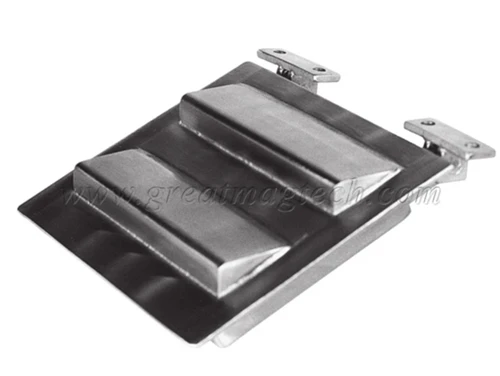
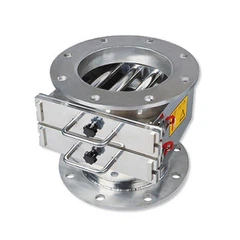
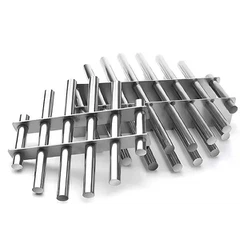
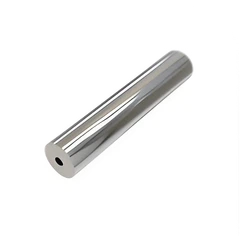
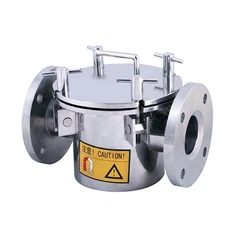
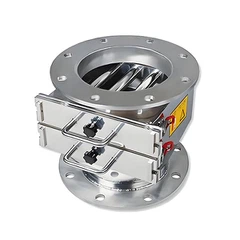
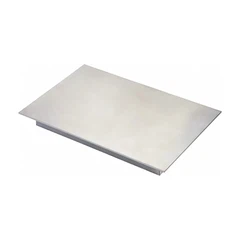
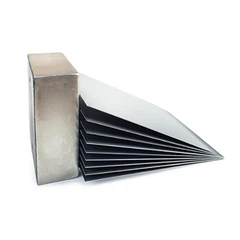
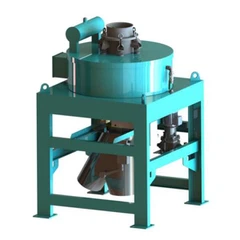
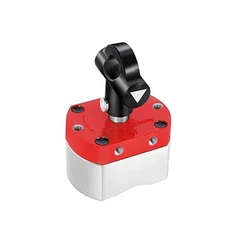
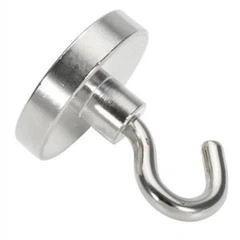
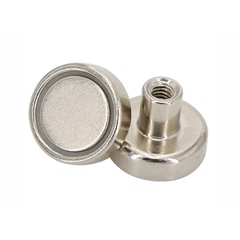
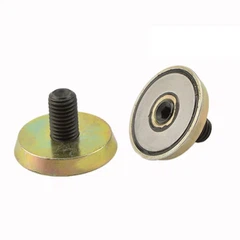
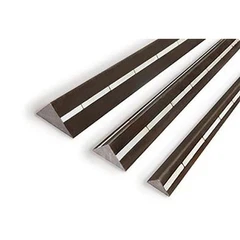
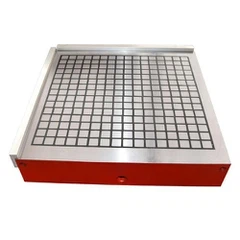
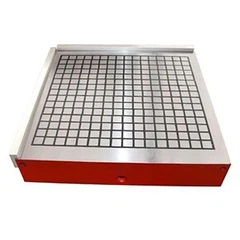
To promote this solution, it is important to define what a hopper magnet is. The most basic form of hopper magnet is a separation equipment designed using strong magnetic tubes or plates adopted in the form of a grate. Its major use that you might want to draw focus on is to retain ferrous impurities, including nuts, bolts, rust, plus scale, and other fine iron particles from granular products or powders that pass through it.
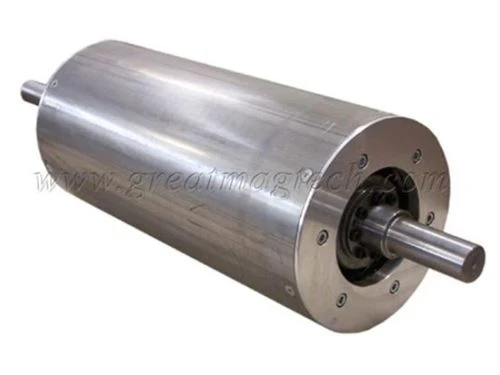
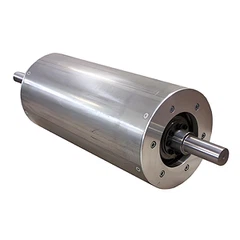
You need to understand how a hopper magnet is designed for these entry points in a processing line and how its structure and construction do not usually come close to a drum magnet or an overhead belt magnet.

For any B2B seller like yourself, understanding the essence of the hopper magnet is critical because it catapults you into a position to order the elaborated benefits extensively given across the processing industries by addressing the specific needs of your clients. This is another area where your client will understand that you know where and how a hopper magnet will offer the most protection.
How a Hopper Magnet Protects Your Client's Bottom Line
This may be the area where your clients are most interested in purchasing the hopper magnet because these are the primary factors that they pay attention to: speed, quality, and cost. First, you should give a clear account of how the hopper magnet improves product purity. Since the hopper magnet continuously sieves tramp metal out of the product flow before it gets to this stage, this means that the end product you deliver to your clients will be clean and of better quality, and this is something that your clients appreciate more than having contaminants mixed with their products.
Second, you can very effectively underscore exactly how much downstream capital equipment the hopper magnet protects from possible damage. Just think of the costs and lost time that come with having to repair or replace the grinders, extruders, calenders, or mixers that have been damaged by metal pieces. The hopper magnet also serves as a preventive measure, and it can be of great benefit and help the clients to avoid huge losses of thousands of dollars for repair work, and in terms of production time.
Last but not least, you will be able to show your clients that the hopper magnet is instrumental in increasing the reduction of production downtime. Since the use of the hopper magnet helps to reduce incidents that are occasioned by metal contamination or damaged machinery, operations become uninterrupted and consistent, which every plant manager wishes for.
Key Industries Where You Can Champion the Hopper Magnet
There are areas that you can apply these to directly for your clients, which would make you even unique. Because of its unquestionable versatility, the hopper magnet is an important tool in many fields. About the case of plastics and rubber processing, for instance, you can suggest the use of a hopper magnet in feed throats of injection molding machines, extruders, and granulators. Here, the hopper magnet shields costly molds and screws and keeps plastic pellets or regrind free from contaminants so that the products' finished quality is high.
There are numerous applications of the software in the food and beverage manufacturing companies, which include the following. Give some examples of using a hopper magnet, for instance, in gravity chutes transporting grain, flour, sugar, coffee beans, tea, or spices. In such areas, the hopper magnet has the responsibility of maintaining hygiene in the premises and meanwhile protecting the image of the company.
In recycling and resource management, clients will also get a lot of benefits when they use the hopper magnet. It is commonly used for the separation of ferrous contaminants from constant streams of recycled materials like crushed plastic, glass cullet, or reclaimed rubber, thereby adding value to the recovered material.
Industry Application
It is also essential to identify the primary sectors for those who are not familiar with the hopper magnets; the application is not only in plastics, food processing, and recycling, but it is also in the pharmaceutical manufacturing sector, where the industry has some of the highest regulations. It is not only the large metallic particles that can affect the quality of the medicine or supplement, but also lead to violations of the food and drug administration agencies. The risk of this kind of transfer is reduced by having hopper magnets located in positions that can prevent them from becoming contaminated by materials such as stainless steel, thus providing safe and certified production.

In the ceramics and glass industries, hopper magnets are used for purifying materials such as clay, silica, and feldspar from impurities before sintering. If ferrous particles are not washed off, they may lead to the formation of black coloration or the formation of structures on the final material. These impurities can be gotten rid of at this stage, thus making sure they have a quality finish without possessing high rejection levels.
Hopper magnets are used to protect the delicate mixing and blending equipment, which is used in chemical processing plants. They are able to cause catalytic reactions to unwanted chemistry or mechanical wear and tear over time on the surfaces they come in contact with. Through the application of hopper magnets at loading and dosing points, industries can decrease wear, avoid contamination, and standardize on batch quality.
This is a sector that is showing increased use of hopper magnets; this is in the agriculture and feed industry. In the processing of feed, the elimination of metal particles is critical as it may affect animals or livestock and the farming machinery used when packaging fertilizers or grains. The magnets also protect animals and the integrity of consumables, if any, from getting contaminated.
These other applications highlight that the hopper magnet is not only useful in some specific areas, but it is a pan-industry item that is needed wherever large-volume material is managed to ensure safety, compliance, and efficiency.
Understanding Hopper Magnet Specifications and Customization
As a consultant, you have the responsibility of helping the clients choose the right hopper magnet that suits them. One crucial element that should be considered is the material to be used; you can explain that you can use some common high-standard material selections, such as food-grade stainless steel, normally SS304 or SS316L, which has better corrosion resistance performance, talk about that selecting hopper magnet's material is very important for deciding stability, sanitation and its service life length, especially for food or medicine industry.
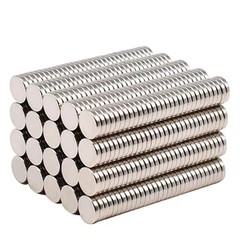
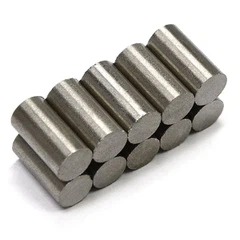
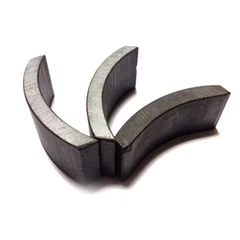
Magnetic strength (usually measured in Gauss) is another important factor to consider. You will need to advise your customers on the appropriate magnetic strength for the hopper magnets based on the size and type of ferrous particles they expect to capture, the type/size/density/moisture content of the product, and the flow rate. Whether it is high-gauss ferrite hopper magnets or high-performance NdFeB hopper magnets, your guidance is critical.
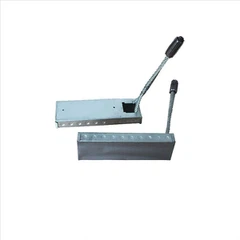
The design and construction of the hopper magnet also have various possibilities. Explain the below designs, like round shape, the square/ rectangular ones, or even the possibility of providing units to be built to the unique hopper shape. Other things that you could put as features include easy-clean drawer-type hopper magnet designs, which make it easy for one to remove the metal, thus lessening the time that is taken in cleaning.

Effectively Selling the Hopper Magnet: Your Pitch Perfect Approach
Understanding the product is quite another. Selling it effectively is another. When pitching the hopper magnet, stress on the aspect of value for money and other related returns on investments. You will especially make it vivid how smart it is to invest in a good quality hopper magnet in the first place, as the returns are almost instant. Illustrate this by measuring the amount of money that has accrued from protected gears, steady enhancement of production quality, less the use of rejects, which has also reduced the cases of wastage.
Another good selling point that you can market is the relative simplicity and the maintenance requirements of many of the newer hopper magnet designs. Explain how most hopper magnet units are easy to install and how many of them can be cleaned without tools, sometimes not even requiring the use of any tools. This saves your client operational time and waiting time, and also ensures that the equipment is well-maintained and in optimum condition.
Installation & Maintenance: Adding Value Through Expert Advice
Our relationship with the Great Magtech does not end with the sale. This way, you make sure that you are establishing yourself as a credible source of information about installation and even maintenance services. You can then give quite specific and practical advice regarding the positioning of the hopper magnet in the material stream. For instance, a hopper magnet should be located at the first point where the operating material gets into a machine or processing zone that's most essential to capture possible pollutants all at once.
Especially, recommend how often the client should inspect and clean their hopper magnet. This schedule will also differ depending on the level of contamination prevailing as well as the amount of material being handled. Cleaning the hopper magnet is equally important to guarantee that it will always have an unaffected magnetic force because a poor collection of the ferrous particles that have been trapped will lead to inefficiency or even re-contamination.
Addressing Client Concerns: Overcoming Objections with Confidence
At the same time, there is always a likelihood of experiencing some client objections even when dealing with a compelling solution like the hopper magnet. You should be equipped with appropriate answers to these with correct information. If concerns about cost come up, you are well-positioned to competently redirect the conversation. Don't let the initial cost of the hopper magnet create issues, but focus on the consumer's financially viable move in the long run.
There are many potential barriers to the implementation of a new piece of equipment, and some clients might find it complicated. Reassure them that modern hopper magnet units are built for simplicity, so there will be no problems. Stress on their convenience when being installed, their small size, and how small they do not interfere with the production line processes, requiring little to no adjustment on the normal hopper magnet.
Conclusion
In today's highly competitive business environment, your knowledge of products such as the hopper magnet places you as more than a supplier to your B2B clients. Thus, supporting the hopper magnet means that you help them increase the level of product purity, preserve the critical equipment, save money, and maintain high quality.
You should also prompt your clients to come and consult you on their material handling and contamination control measures. Let them see the importance of the hopper magnet not as an add-on gadget or a fancy logo, but as an essential component of a safe and sound functional system. While assisting them to adopt this technology, you make them understand the fact that the hopper magnet is a solution to the improvement of business, an increase in profitability, and a strategic tool for competition.