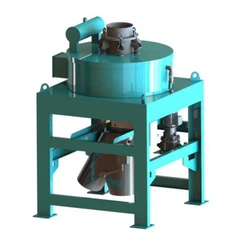

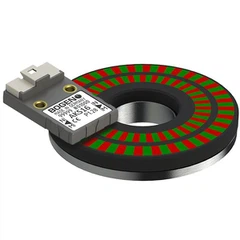
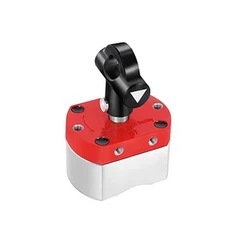

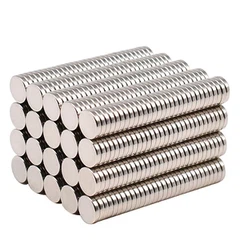








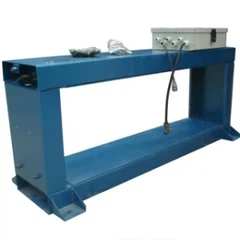
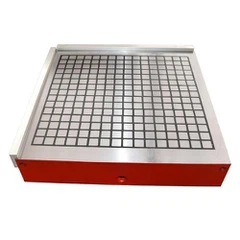
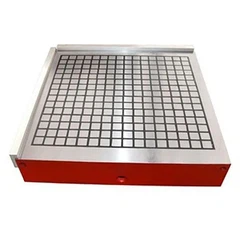
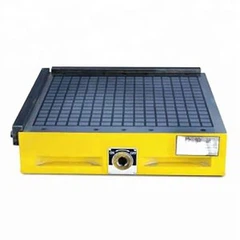
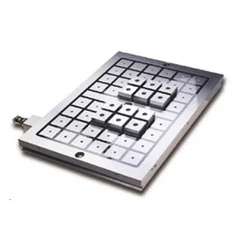


Magnetic separators are beneficial tools in many factories. They let people remove iron and steel bits from materials quickly and easily. This makes products pure and protects sensitive machines from damage. Magnetic separators use strong magnets to pull and separate iron and steel particles. There are many types of magnetic plate separators. This article explains the main types of magnetic plate separators and how each one works.

What are Magnetic Plate Separators?
Magnetic plate separators are neat tools that let you separate different stuff. They work using magnets, which are those things that can attract metal objects like iron. The separators have a big flat plate with some powerful magnets inside.
Turning the separator on creates a powerful magnetic field over the top of the plate. If you pour a mixture of different materials across the plate, the magnetic bits like iron get tugged down and stick to the plate because of the magnets. The non-magnetic stuff isn't affected, so it keeps flowing over the plate.
Then you can collect the two separate piles of magnetic and non-magnetic materials! These separators are so helpful in splitting mixtures in all kinds of industries. Using magnetism is such a clever way to divide mixtures quickly and efficiently.
Plate Magnet Configurations
Magnetic plates use different magnet setups and arrangements for best separation. Customizing the magnetic field makes sure each one works well. Standard magnetic plate setups are:
● Circular plates - Radial fields for high capacity. Circle magnets over conveyors or around tanks to catch iron bits.
● Rectangular plates - Optimize area and strength on a flat surface. They are often used in pipes, chutes, and belts.
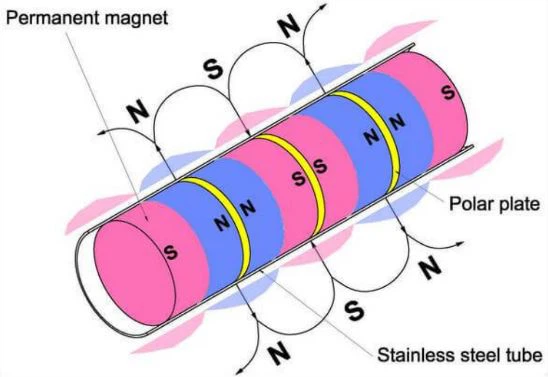
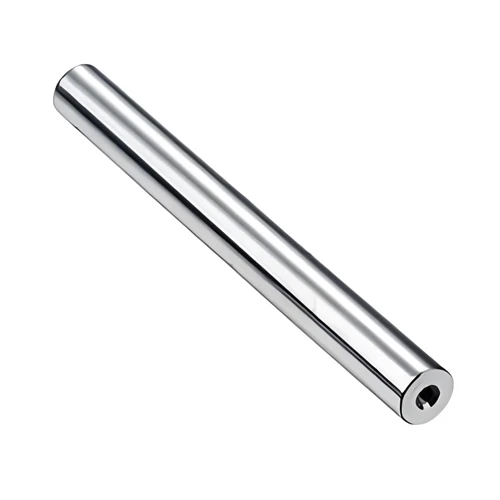
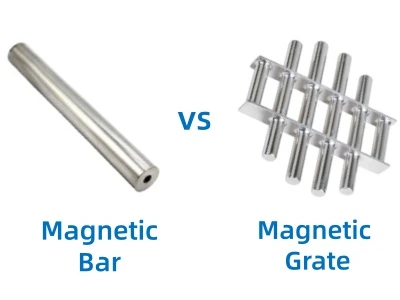
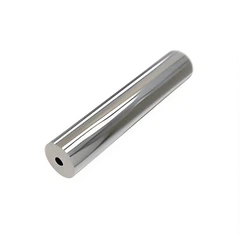
● Tube magnet bars - Strong but local strength to grab big scraps. Tubes across conveyors remove individual metal pieces.
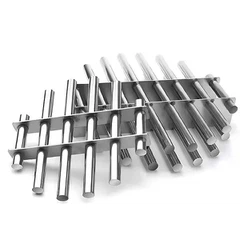
● Magnetic grates or grids - Small magnet rods or tubes cover large areas. This web exposes flows to strong fields but lets non-magnets through.
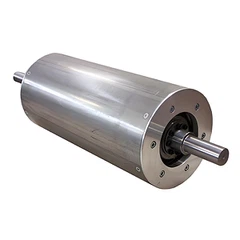
● Eddy current separators - Magnets plus mechanics. A spinning magnet pushes non-ferrous metals but keeps iron and steel.
Makers customize the magnetic design for each customer's specific iron contaminants and needs. The proper magnetic setup gives high separation efficiency.
Main Types of Magnetic Plate Separators
Following are the four main types of magnetic plate separators:
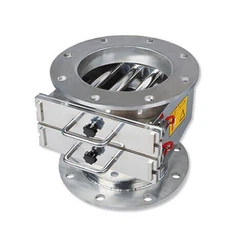
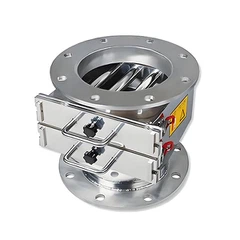
1- Spout Magnet Magnetic Plate Separators
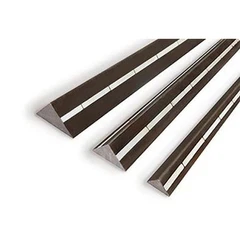
Spout magnetic plate separators remove iron contaminants from fast-moving granular materials like flour, sugar, and plastic pellets. Their tapered step design securely captures and holds metal pieces to prevent wash-off as new material flows past.
The solid magnetic plates have optimal north-south positioning to attract and trap iron debris. Customizable features like plate size, housing material (304 or 316L stainless steel), hinges, handles, and mounting holes enable a perfect fit for any application.
With thorough contaminant removal and no material pollution, these separators improve product quality in food processing, plastics, pharmaceuticals, and other industries. Their simple yet intelligent engineering provides an efficient, heavy-duty metal extraction solution.

2- Suspended Magnets
Suspended plate magnets efficiently remove iron contaminants from high-volume material flows on conveyors. Powerful ferrite or rare earth magnets housed in stainless steel attract and capture debris as material passes underneath.
Plates mount above belts with eye bolts or bolt directly to chutes and feeders. Some feature hinged cases for quick cleaning access. Self-cleaning models automatically remove collected metal, reducing downtime.
Proper sizing and positioning relative to belt height and debris size are essential for success. With their strong magnetic pull and durability, these separators improve product purity in food processing, plastics, mining, and other industries.

3- Exposed Pole Plate Separators
Exposed pole plate magnets remove iron contaminants from low-volume material flows. Stainless steel plates welded onto the magnet surface act as exposed polarity zones to attract ferrous debris.
Installed underneath conveyors and chutes, their magnetic pull captures tramp metal as material passes over the plate. Customizable features like magnetic strength, size, handles, and mounting options ensure a tailored fit. Durable 304 or 316L stainless steel housing resists wear while preventing material pollution.
Quick and easy to clean, these separators improve product purity in food processing, chemical production, ceramics, and other low-flow applications. Their simple exposed pole design provides an affordable, versatile, and efficient way to extract iron contaminants from free-flowing materials.
4- Flush Face Plate Magnets
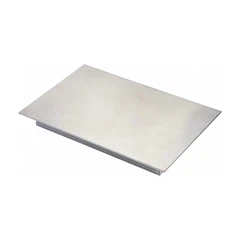
Flush face magnetic plates have a smooth flat surface with magnetic material inside. This creates an even magnetic field across the entire face. Flush face plates can sit on conveyor belts to remove iron and ferrometals from the moving stream.
The flush face magnet attracts and holds the magnetic pieces as the material moves over the top. After the end of the belt, the captured pieces release into a chute due to moving beyond the magnetic field area. Meanwhile, the non-magnetic items continue off the belt unchanged.

Flush-face magnetic plates provide strong attraction across their surface.
They are commonly installed in recycling facilities to separate ferrous metals from waste streams and work well in dusty or dirty environments. Their tight magnetic field and flat face prevent material buildup.
Other Types of Magnetic Plate Separators
Following are other types of magnetic plate separators:
1- Standard Magnetic Plate Separator
The standard magnetic plate separator is the simplest type of magnetic plate separator. It is the most affordable option. It consists of a magnetic plate or grate from alternating north and south poles. As material flows over the magnetic grate, the iron contaminants are attracted to the high-strength magnetic fields. The contaminants adhere to the grate, allowing the purified material to flow.
Standard magnetic plate separators are rugged, require little maintenance, and provide an economical way to remove occasional tramp iron from material flows. They are best suited for capturing larger ferrous particles from coarser materials. The standard magnetic plate lacks the field strength to purify fine powders or capture weakly magnetic particles thoroughly. It cannot handle heavy contaminant loads either.
2- Manual Cleaning Magnetic Plate Separator
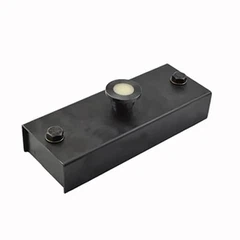
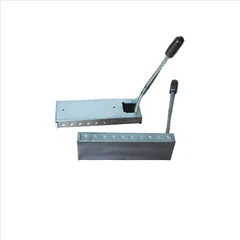
Manual cleaning magnetic separators feature a magnetic grate housed in a sturdy stainless steel box. The box has a removable cover plate on top that allows access to the magnetic surface for periodic cleaning. Some models have handles on the side to lift the magnetic plate easily.
(Manual Cleaning Magnetic Plate Separator)
Manual cleaning magnetic separators provide a good balance between efficiency and affordability. They are an economical choice compared to self-cleaning separators. Yet they offer significant improvements in contaminant removal and cleaning compared to standard or easy-clean designs. Manual cleaning separators work well to purify mildly contaminated flows at moderate capacities.
3- Rare Earth Magnetic Plate Separator
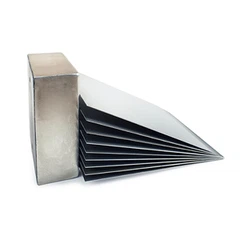
Rare earth magnetic separators are high-intensity magnetic plate separators that utilize unique magnets made from neodymium, iron, and boron. The rare earth magnets generate potent magnetic fields for their small size. Just a few inches of rare earth magnetic plate can equal the field strength of a foot or more of standard ferrite magnets.
Rare earth magnetic plate separators can efficiently remove weak magnetic contamination. Their compact magnetic circuits help minimize cost while maximizing field strength. Rare earth separators are ideal for thoroughly removing fine iron contaminants from products like powders, chemicals, minerals, and food ingredients.
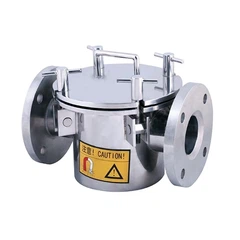
4- Housing Magnetic Plate Separator
Housing Magnetic Plates separators are handy gadgets that can attract and grab onto iron bits in food or other materials moving by on a conveyor belt or through a tube. These magnetic plates help keep tiny metal bits from accidentally ending up in food products you don't want. The plates are crafted from stainless steel so that they won't get all rusted and junky over time.
These Housing Magnetic Plates separators have some neat features. They are designed to be self-cleaning, so they keep working smoothly. They can grab onto tiny fluffy iron bits that might be hard to filter out otherwise. The plates are small so that they can fit into tight spaces on equipment. A removable top piece helps guide the flow of materials over the magnetic plate area. And they meet food industry standards for magnet strength.
Picking the Right Magnetic Separator
Many things matter when choosing an excellent magnetic separator. Fundamental stuff to think about:
● Size, type, and amount of contaminants
● Flow rate, direction, and traits of the process stream
● Needs for automation, cleaning, or keeping things sanitary
● Existing equipment and limits
● Budget for cost, operation, and maintenance
It's wise to work with an experienced magnetic separator company. They can look at what you need and have. Then they suggest the best separator setup and features to meet your purity goals affordably.
Many suppliers also offer testing services. They can run samples of your actual flows through different separators in their labs. This lets you see firsthand how options work for your contaminants.
The Bottom Line
Magnetic plate separators use magnets to take out iron bits from materials. There are many types of magnetic plate separators for different jobs. Some make cleaning easy. Others clean themselves so you don't have to stop working. Some are cheap basic ones. Others use strong rare earth magnets to get very tiny bits.
Pick the right one by considering the price, care needs, how much stuff it can handle, the magnet strength, and automation. There are choices to fit your needs. The proper magnetic separator keeps iron out of your products and machines. Magnets adequately added to a process save money over time. They keep things pure and working right.