












Magnetic separation, a versatile technique predominantly used in the realm of mineral processing, has grown leaps and bounds over the past decades. In simple terms, this process makes use of the differences in magnetic properties of minerals to effect a separation. As minerals are made up of various components, some may be more or less magnetic than others, allowing for separation when exposed to a magnetic field. This article delves deep into the intricacies of magnetic separation in mineral processing.
Basics of Magnetism
Before diving into the process itself, it's essential to understand the basics of magnetism. Every mineral has its specific magnetic property, classified into three categories:
Ferromagnetic Minerals: These are naturally strong magnets. Examples include magnetite and pyrrhotite.
Paramagnetic Minerals: Weakly magnetic, these minerals need an external magnetic field for separation. Examples include ilmenite and garnet.
Diamagnetic Minerals: These repel magnetic fields. Examples include quartz and feldspar.
The ability of a mineral to be magnetized is termed its magnetic susceptibility. A high susceptibility implies a stronger attraction to magnetic fields.
The Magnetic Separation Process
• Preparation Stage
Before the separation process, ore is crushed into small pieces to liberate the minerals. This step ensures that the separators can act on individual particles, increasing the efficiency of the separation process.
• Feeding the Separator
The crushed ore is then fed onto a conveyor belt, which takes it towards the magnetic separator. Feed consistency and rate play a vital role in ensuring the efficiency of the magnetic separation process.
• Separation Stage
When the ore particles pass through the magnetic field, those with higher magnetic susceptibilities are attracted to the magnet's surface. Non-magnetic or less magnetic particles continue their path and are collected separately. Depending on the separator type, the magnetic particles may be held onto the magnet or deflected into another direction.
• Collection Stage
Once separated, magnetic and non-magnetic minerals are collected in different bins or chutes. They can then be further processed or readied for shipment.
Types of Magnetic Separators

In mineral processing, magnetic separation stands out as a distinct method of separating minerals. As we delve deeper into the types of magnetic separators, it becomes clear that they are not one-size-fits-all devices. The design and functionalities cater to specific mineral types and their magnetic properties.
• Low-Intensity Magnetic Separators (LIMS)
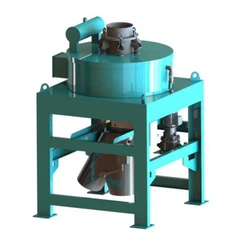
Low-intensity magnetic separators are primarily employed for the extraction of strongly magnetic minerals, chiefly magnetite. These minerals have a profound magnetic pull, and therefore, do not require high-intensity magnetic fields to be separated.
Types of LIMS
Dry Separators: These function when the feed material is dry and can be freely flowed. They're mostly used for coarse separation and in circumstances where moisture content is low.
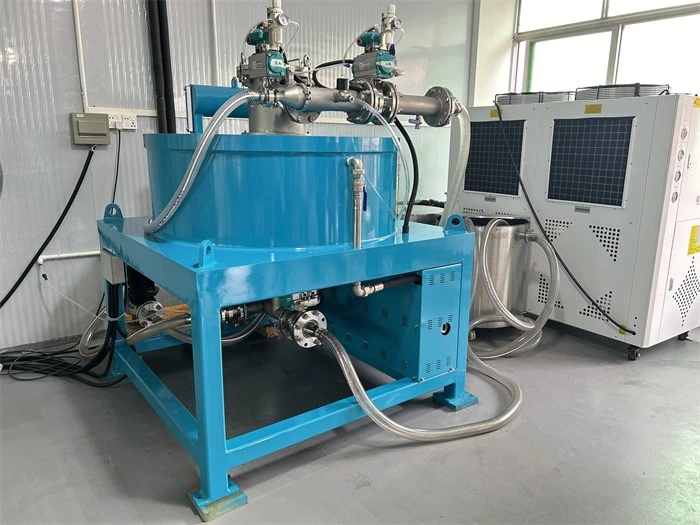
Wet Separators: Contrarily, wet separators are effective when the feed material has a higher moisture content or needs to be processed in a slurry form. Wet LIMS tend to provide a cleaner concentrate due to the washing away of entrained non-magnetic particles.
• High-Intensity Magnetic Separators (HIMS)
These separators come into play when the minerals to be separated have weak magnetic properties. By generating a stronger magnetic field than LIMS, they can attract and separate minerals that would otherwise go unnoticed.
Key Features
Magnetic Field Strength: HIMS produce magnetic fields substantially stronger than LIMS, making them suitable for extracting minerals with weak magnetic properties.
Applications: Common applications include the separation of hematite from its non-magnetic silica impurities or the extraction of rare earth elements.
• High Gradient Magnetic Separators (HGMS)
HGMS is a more advanced version of HIMS, specifically designed to capture very fine, weakly magnetic minerals.
Functionality
The unique aspect of HGMS is the utilization of a magnetic matrix, often in the form of steel wool or expanded metal mesh. This matrix is magnetized during operation, producing regions of intense magnetic gradients that can capture fine magnetic particles.
The enhanced field gradient created by the matrix ensures that even minerals with extremely weak magnetic properties can be effectively separated.
Factors Affecting Magnetic Separation
Magnetic separation, though seemingly straightforward, is influenced by various factors that can affect its efficiency. Understanding these can optimize operations and yield better results.
• Particle Size
The size of particles in the feed plays a crucial role. Tiny particles are susceptible to random motion, termed Brownian motion, which can reduce their interaction with magnetic fields. Additionally, smaller particles have a reduced surface area exposed to the magnetic field, making separation less efficient.
• Magnetic Susceptibility
This property indicates how responsive a mineral is to a magnetic field. Minerals with high magnetic susceptibilities are easier to separate than those with low susceptibilities.
• Magnet Strength
The strength of the magnet in a separator determines its ability to extract particles. While stronger magnets can pull in minerals with weak magnetic properties, they also consume more power, leading to higher operational costs.
• Feed Rate
Feeding the separator too quickly can lead to inefficiencies. Overloading can result in incomplete separation as particles don't get adequate time to interact with the magnetic field.
• Mineral Liberation
For effective separation, the minerals of interest need to be sufficiently liberated from the surrounding ore matrix. If the minerals remain embedded within larger non-magnetic particles, the efficiency of the magnetic separation is compromised.
Applications in Mineral Processing
• Iron Ore Beneficiation
One of the most common applications of magnetic separation is in iron ore beneficiation. Magnetite, being inherently magnetic, can be easily separated from its surrounding impurities using LIMS.
• Rare Earth Element Concentration
Rare earth elements, though weakly magnetic, are essential for a range of technologies. The extraction and concentration of these elements often employ high-intensity and high-gradient magnetic separators.
• Heavy Mineral Sands Processing
Mineral sands, like beaches with black sands, and minerals such as ilmenite and garnet are of interest. Magnetic separation aids in extracting these minerals from their less magnetic or non-magnetic counterparts.
Instruments Behind Magnetic Separation
In magnetic separation, specific tools, designed meticulously for varying tasks, form the backbone of the process. These instruments, born from keen engineering and a profound understanding of the principles of magnetism, ensure that mineral processing operations run efficiently and effectively. Let's take a moment to acquaint ourselves with these essential tools.
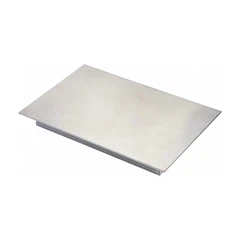
Suspended Plate Magnets
Positioned above conveyor belts, these flat magnets effectively pull out ferrous particles from the flow of material.Their static, suspended position ensures consistent magnetic coverage over the conveyed material.

Cross Belt Separators
Also known as overband magnets, they are positioned perpendicular to the conveyor belt. They extract ferrous materials and discharge them away from the main conveyor flow. Their position allows for continuous cleaning, making them particularly useful in operations with high amounts of ferrous contaminants.
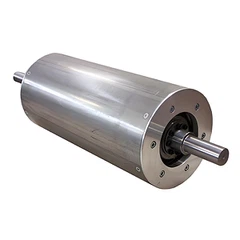
Magnetic Head Pulleys
These are pulleys installed at the head end of a conveyor, magnetized to pull out ferrous contaminants from the conveyed material. Being integrated into the conveyor, they save space and also assist in driving the conveyor belt, making them doubly efficient.
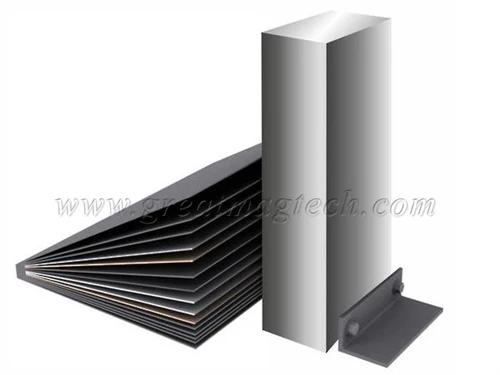
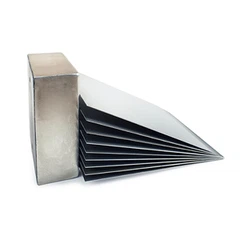
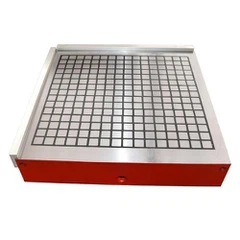
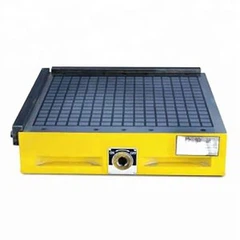
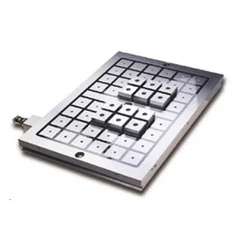
Magnetic Plate Separators
These thin, flat magnets are placed in chutes or below conveyor belts to extract ferrous contaminants. Their slim profile makes them ideal for tight spaces or where a low-profile magnetic tool is needed.
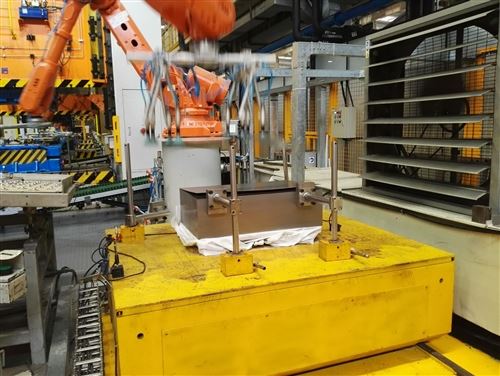
Magnetic Conveyors
Going beyond regular conveyors, these are equipped with magnets to transport ferrous materials, even vertically or upside-down. They provide flexibility in transporting magnetic materials, even in complex routes and directions.

Drum Separators
Rotating drum-shaped magnets, these pull ferrous contaminants out of a flow of material, retaining them until they are cleaned. Their rotation ensures a continuous, self-cleaning operation, ideal for high-volume processes.
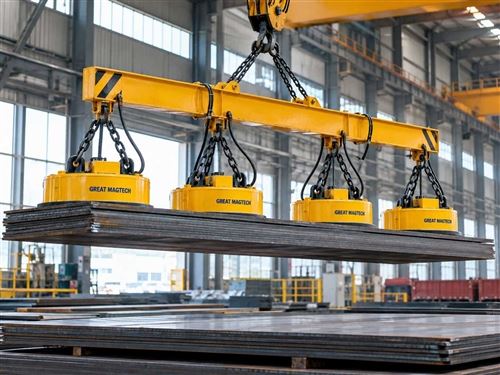
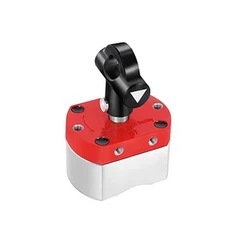
Lifting Magnets
Designed to lift and move large ferrous materials, these are commonly seen in scrapyards and steel processing units. They provide a quick, efficient way to handle bulky ferrous materials without the need for physical handling.
Magnetic Sweepers
Much like a broom, but for ferrous materials, these tools sweep up and collect ferrous debris from floors. They ensure a clean, safe environment, especially in settings like workshops where metal debris might pose a hazard.
By integrating separation within the transportation process, they ensure that the path from ore extraction to refined mineral is shorter, smoother, and more efficient. They're yet another cog in the vast machine of mineral processing, each turn refining nature's bounty into usable resources.