











Introduction
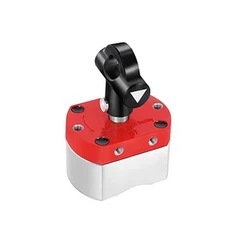
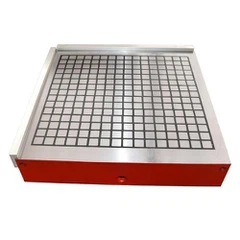
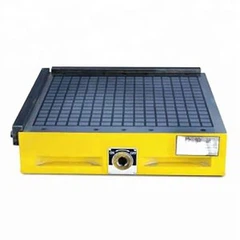
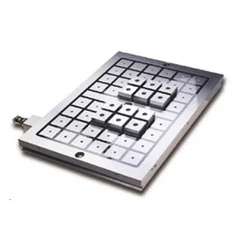
Permanent Magnetic Lifts, often referred to by various names and terminology such as permanent magnet suction crane, magnetic crane, magnetic crane, lifting magnet, and lifting permanent magnet, are a specialized category of lifting equipment designed to handle heavy materials with exceptional efficiency and safety.
In the industrial landscape, these remarkable devices go by multiple names, reflecting their versatility and utility. Whether you call them permanent magnet suction cranes, magnetic cranes, or lifting magnets, they all share the same fundamental purpose: to lift and transport heavy objects with precision and ease. These terms are not just interchangeable labels; they embody the diverse ways in which this technology is recognized and applied across different industries and regions. Understanding these various names and terminologies helps elucidate the universal relevance and significance of permanent magnetic lifts in the world of material handling.
Characteristics of Permanent Magnetic Lifts
Small Volume
Permanent Magnetic Lifts are renowned for their compact size. This compactness is more than a space-saving feature; it's a testament to their efficiency. With their small volume, these lifts can operate in confined spaces, making them indispensable in environments where every inch counts. Their unobtrusive presence allows for precise material handling without the need for excessive maneuvering or elaborate setups.
Strong Holding Force
One of the standout attributes of Permanent Magnetic Lifts is their remarkable holding force. They possess an inherent magnetism that can securely grip heavy loads with unwavering strength. This magnetic prowess ensures that materials are lifted and transported without the risk of accidental drops or slippage. In essence, they are the quiet but unyielding force behind seamless material handling operations.
Electricity-Free Operation
What sets Permanent Magnetic Lifts apart from many other lifting mechanisms is their independence from electricity. In a world heavily reliant on power sources, these lifts provide a refreshing departure. They operate without the need for electrical connections, eliminating the complications associated with power supply. This self-sufficiency makes them ideal for remote job sites and minimizes the risk of power-related disruptions.
Low Remanence
With almost zero remanence, Permanent Magnetic Lifts are designed for precision. Remanence refers to the residual magnetism that lingers after the removal of the magnetic field. In the case of these lifts, this residual magnetism is virtually non-existent. This characteristic ensures that materials are released cleanly and predictably, avoiding any unwanted adhesion or interference during the unloading process.
High Safety Factor
Safety is paramount in any industrial setting, and Permanent Magnetic Lifts excel in this regard. They boast a high safety factor, ensuring that even under challenging conditions, the risk of accidents is minimized. This reliability instills confidence in operators and enhances overall workplace safety, reducing potential hazards and accidents. In essence, Permanent Magnetic Lifts are not just tools; they are reliable partners in ensuring a secure working environment.
Specifications of Permanent Magnetic Lifts
Permanent Magnetic Lifts are engineered with specific features and capabilities that cater to a wide range of lifting requirements. Their specifications serve as a testament to their adaptability and efficiency in various industrial contexts.
Available lifting capacity
These lifts come in a variety of weight capacities to accommodate diverse loads. Ranging from 250 kilograms to 2000 kilograms (550 lbs to 4400 lbs), they offer a versatile solution for lifting materials of different sizes and weights. This range ensures that there's a suitable Permanent Magnetic Lift for virtually any lifting task, from smaller components to hefty machinery.
Self-contained, permanent magnet
The term "self-contained" highlights an essential feature of these lifts – they are entirely self-sufficient. This self-containment means they don't rely on external power sources, complex installations, or intricate setups. Instead, their permanent magnetism is self-sustaining, allowing for uncomplicated and efficient operation. This simplicity translates to ease of use and reliability, making Permanent Magnetic Lifts a go-to choice in environments where simplicity and autonomy are prized.

Advantages of Permanent Magnetic Lifts
Compact Structure and Easy Operation
Permanent Magnetic Lifts are the embodiment of simplicity and efficiency. Their compact structure, like the concise prose of a well-crafted story, makes them easy to handle and maneuver in tight spaces. This design minimizes unnecessary bulk, allowing operators to focus on the task at hand without cumbersome equipment hindering their progress. Their ease of operation is akin to the clarity and straightforwardness of Hemingway's prose, ensuring that even novices can quickly grasp their use, reducing the need for extensive training.
High-Performance Magnetic Material
At the core of these lifts lies high-performance magnetic material, akin to the precision and finesse of a writer choosing just the right words to convey their message. This magnetic material doesn't demagnetize easily, ensuring a consistent and reliable grip on heavy loads. Like a well-chosen metaphor or analogy, it enhances the lifts' effectiveness, making them a dependable choice in various industrial applications.
Independence from Power Sources
The inherent self-sufficiency of Permanent Magnetic Lifts is reminiscent of Hemingway's rugged individualism. Their independence from power sources is like a character in a novel who relies on their resourcefulness rather than external assistance. In environments where power supply may be erratic or unavailable, these lifts shine. They operate without cords, cables, or generators, reducing the complexity of the work environment and minimizing the risk of electrical malfunctions.
Balanced Magnetic Circuit Design
The balanced magnetic circuit design is analogous to a well-structured plot in a novel. It ensures that the magnetic force is distributed evenly, avoiding irregularities or imbalances in the lifting process. This equilibrium ensures a smooth and predictable experience, much like a narrative with a well-thought-out plot, keeping readers engaged and invested.
Exceptional Holding Force and Safety Factor
The exceptional holding force and high safety factor of Permanent Magnetic Lifts mirror the importance of a strong, reliable protagonist in a story. They not only securely grip heavy loads but also prioritize safety, reducing the risk of accidents. This reliability and commitment to safety create trust, much like readers placing their trust in a compelling character.
Maximum Pulling Force
The ability to exert a maximum pulling force that exceeds the rated lifting force adds an element of surprise to the story of Permanent Magnetic Lifts. This capability allows them to handle unexpected challenges with ease, much like a plot twist in a novel that keeps readers engaged and excited. It ensures that these lifts are not just tools but dependable partners, capable of rising to the occasion when faced with demanding lifting tasks.
Applications of Permanent Magnetic Lifts
Suitable Materials for Transport
Permanent Magnetic Lifts are like precision instruments tailored to specific tasks, and their suitability for materials transport is their defining feature. They excel in handling steel plates, iron blocks, and cylindrical iron materials. Much like how a sharp knife is essential for slicing through a perfectly ripe fruit, these lifts are perfectly suited to manipulate mechanical parts, punch molds, and various steel materials. Their magnetic prowess provides a secure grip on these materials, ensuring efficient and damage-free transportation.
Versatility in Industries
In the industrial landscape, Permanent Magnetic Lifts are versatile characters capable of adapting to various roles. They are not confined to a single niche; instead, they seamlessly blend into diverse industries. From the machinery sector to mold manufacturing, from warehouses to transportation departments, these lifts find relevance and utility. Their adaptability across industries mirrors the wide range of roles a versatile character can play in different stories, making them indispensable tools in the industrial narrative.
Power-Free Lifting Equipment
The absence of power requirements in Permanent Magnetic Lifts is akin to a character who thrives on their inherent strength and resilience rather than external resources. These lifts don't rely on electricity or external power sources, making them dependable even in remote or challenging environments. This self-sufficiency is like a character's ability to endure hardships without crumbling, adding a sense of reliability and resilience to the narrative of material handling.
Quality and Performance Standards
Permanent Magnetic Lifts adhere to rigorous quality and performance standards, much like the high standards expected of a critically acclaimed novel. They are produced according to export standards, ensuring that their quality and performance surpass global benchmarks. This commitment to excellence places them at the forefront of similar products worldwide, like a story that stands out and earns recognition for its exceptional craftsmanship.
Working Principle of Permanent Magnetic Lifts
Permanent magnetic lifts, also known as permanent magnetic lifters or magnetic lifting devices, are designed to lift and transport ferrous (iron-containing) materials safely and efficiently.
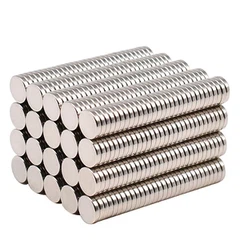
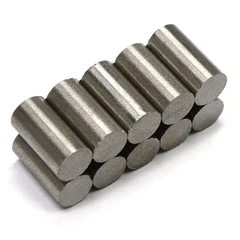
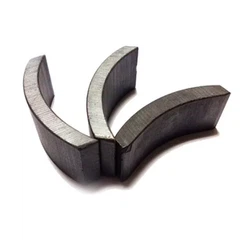
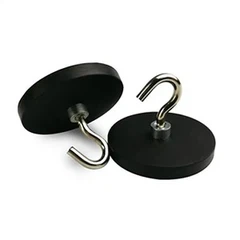
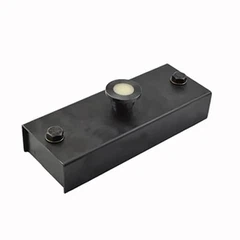
1. Permanent Magnet Assembly: Neodymium or ferrite-based permanent magnets are typically used in the construction of permanent magnetic lifts, which are composed of a housing or frame around such magnets. To produce a focused and consistent magnetic field at the lifting face, these magnets are precisely positioned.
2. Magnetic Attraction: When a ferrous object is placed into close contact with a permanent magnetic lift (such as a steel plate, a pipe, or other metal parts), the magnets' powerful magnetic field draws the ferrous material to them.
3. Lifting Force: The lifting force is generated by the magnetic attraction between the lift and the ferrous item. Without the use of any external power source, such as hydraulics or electricity, the magnetic lift can safely grip and elevate the object thanks to this force.
4. Safety Devices: Many permanent magnetic lifts are equipped with safety devices, such as locking mechanisms or release levers, to make sure that the load is safely held in place during transportation and can be released when necessary.
Usage Method for Permanent Magnetic Lifts
Using permanent magnetic lifts correctly is crucial to ensure safety and efficiency. Here's a basic usage method:
1. Inspection: Before use, inspect the magnetic lift for any signs of damage, wear, or malfunction. Ensure that all components are in good working condition.
2. Positioning: Place the permanent magnetic lift directly onto the ferrous object you want to lift. Make sure the lifting face of the magnet is clean and free from dirt or debris, as this can affect the lifting capacity.
3. Actuation: If your magnetic lift has a locking or activation mechanism, engage it to create the magnetic attraction between the lift and the object.
4. Lifting: Slowly lift the object while monitoring the load and the stability of the magnetic lift. Ensure that the load is securely held in place.
5. Transportation: Move the lifted object to the desired location, keeping a safe distance from people and obstacles.
6. Release: Once the load is in its designated location, disengage the locking or activation mechanism to release the object.

Maintenance of Permanent Magnetic Lifts
Proper maintenance is essential to prolong the lifespan and safety of permanent magnetic lifts:
1. Regular Inspection: Perform routine visual inspections to check for signs of damage, wear, or corrosion. Pay close attention to the magnets and lifting face.
2. Cleanliness: Keep the lifting face clean and free from debris to maintain optimal magnetic attraction.
3. Lubrication: Lubricate any moving parts as recommended by the manufacturer to ensure smooth operation.
4. Load Capacity: Always adhere to the specified load capacity and never exceed it, as overloading can lead to safety hazards and damage to the lift.
5. Storage: When not in use, store the magnetic lift in a dry and cool environment to prevent rust and degradation of the magnets.
6. Service and Repairs: If you notice any issues or damage during inspections, promptly address them by contacting the manufacturer or a qualified technician for repairs.
Conclusion
Permanent Magnetic Lifts are efficient, reliable, and safe tools for material handling. They operate on magnetism principles, with a compact structure, high-performance materials, and independence from power sources. Their simple, decisive actions add control and predictability while prioritizing safety in material handling.
Permanent Magnetic Lifts are reliable material handling tools that require meticulous maintenance, including routine inspections, cleaning, lubrication, calibration, and repairs. Their story of dependability, adaptability, and safety is akin to a timeless literary work, captivated by their exceptional utility and reliability in industries worldwide.