









In recycling, mining, slag recovery, aggregates, wood processing, and bulk material handling, ferrous metal can appear anywhere in the material stream. It may be iron pieces, steel fragments, wire, nails, or fine magnetic particles.
For you, the question is not only what a magnetic drum separator is. You also need to know which type fits your material, where it can be installed, and how it works in a real processing line. This article explains the main types of magnetic drums and how they are used in different material handling applications.
What Are Magnetic Drum Separators?
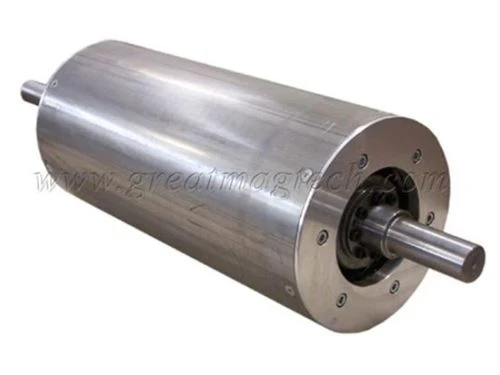
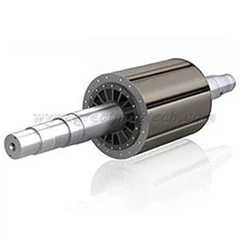
Magnetic drum separators are self-cleaning industrial devices designed to separate ferrous materials from continuous bulk material flows. They consist of a rotating drum shell, an internal magnetic system, a frame or housing, and separate discharge areas for magnetic and non-magnetic materials.

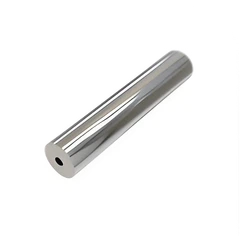
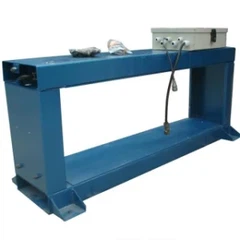
NCTB Roller Magnetic Separator
Send Inquiry Now

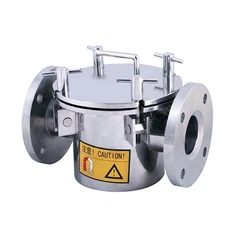
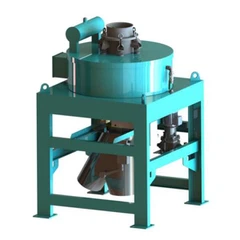
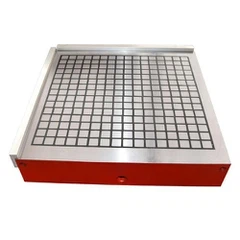
QCG Drum Type Magnetic Separator
Send Inquiry Now

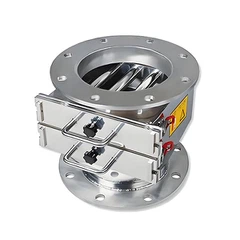
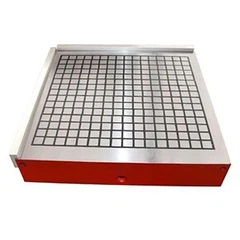
Permanent Drum Magnetic Separator
Send Inquiry Now

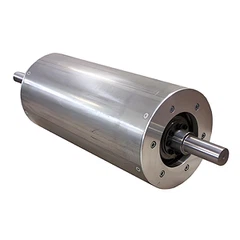
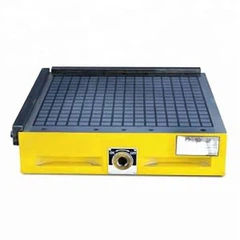
CTY Wet Drum Magnetic Separator
Send Inquiry Now
How a Magnetic Drum Separator Works
Material is fed onto or near the drum surface. Ferrous metal is held on the rotating drum shell by the internal magnetic field, while non-magnetic material falls away through its normal path. As the drum keeps turning, the captured metal moves out of the magnetic zone. It is then released into a separate discharge area.

Why Magnetic Drums Are Used in Material Processing
Magnetic drums are used because many processing lines need continuous ferrous metal separation, not occasional manual checking. When material keeps moving through a chute, hopper, conveyor discharge, or bulk handling system, a magnetic drum can separate iron and steel without stopping the flow.
This is useful when you handle larger volumes or steady feed. The drum keeps rotating; captured metal is carried to a separate discharge area, and the main material continues through the process.
You may use a magnetic drum before the next processing step, especially when ferrous metal should be removed before crushing, screening, grinding, or further handling. It can also reduce the amount of hand sorting needed later.

Main Types of Magnetic Drums
Magnetic drums are often compared by magnet source first, then by the magnetic material used inside the drum. Permanent drums use permanent magnets, while electromagnetic drums use electric current. In permanent drum designs, ceramic and rare earth magnets are two common options.
Permanent Magnetic Drum
A permanent magnetic drum uses permanent magnets inside the drum. It does not need continuous power to create magnetic force, so it is often used in steady material handling lines.

Electromagnetic Drum Separator
An electromagnetic drum separator uses electric current to create the magnetic field. You usually need a power supply and control system for this type of drum.
Rare Earth Magnetic Drum
A rare earth magnetic drum uses stronger rare earth magnets. It is often considered when you need to capture finer ferrous particles or improve separation in more demanding material flow.
Ceramic Magnetic Drum
A ceramic magnetic drum uses ceramic magnets. It is commonly used for general ferrous metal separation, especially where the target metal is larger or easier to capture.
Magnetic Drum Designs by Installation Style
After choosing the magnet type, you also need to look at how the drum will fit into the line. The same magnetic drum may need a different structure when the feed point, discharge space, or conveyor layout changes.
Drum Separator with Housing
A drum separator with housing is built as a complete unit. The housing helps guide material into the drum area and separate magnetic and non-magnetic discharge. It is easier to connect with enclosed equipment or controlled discharge points.
Drum Magnet for Chute or Hopper Discharge
A drum magnet can be installed near a chute outlet or hopper discharge. Material falls onto or near the drum surface, while captured ferrous metal is carried to a separate discharge side.
Magnetic Head Pulley vs Magnetic Drum
A magnetic head pulley works as the end pulley of a conveyor. A magnetic drum separator is usually a separate unit with its own drum structure, housing, or discharge design.
How Different Magnetic Drums Are Used
Magnetic drums are used in many material handling lines, but the purpose changes with the material and the metal problem.
Recycling and Waste Sorting
In recycling and waste sorting, you may deal with mixed materials, wire, cans, steel pieces, or other tramp metal. A magnetic drum separator is used to separate ferrous metal from the main waste stream.
Mining and Mineral Processing
In mining and mineral processing, magnetic drums can be used with crushed ore, screened material, or mineral feed. The goal is usually to separate magnetic material or remove unwanted ferrous metal.

Foundry Slag and Metal Recovery
Foundry slag and ash may still contain recoverable iron or steel. A magnetic drum can help separate these metals before the remaining material moves to the next step.
Aggregates and Construction Materials
Aggregates, sand, gravel, and construction materials may contain nails, wire, rebar pieces, or steel fragments. Magnetic drums are used to remove this metal from continuous material flow.
Wood, Biomass, and Bulk Solids
Wood chips, biomass, and bulk solids can carry nails, screws, or wire from handling and storage. Magnetic drums help separate these pieces before further processing.
Powder and Granular Material Processing
For powders and granules, magnetic drums are used when continuous separation is needed. Feed control, material layer, and dust should be checked carefully.
What Affects Magnetic Drum Performance?
Magnetic drum performance is not determined by magnet strength alone. In different applications, the result also depends on how the material reaches the drum and how separated metal leaves the process.
Magnet Type
The magnet type determines which ferrous metals the drum can capture. Ceramic, rare-earth, permanent, and electromagnetic designs may perform differently with large steel pieces, fine iron, or mixed materials.
Drum Diameter and Width
Drum diameter and width affect the contact area and handling range. A wider drum may match a wider material stream, while diameter can affect how long material stays near the magnetic field.
Feed Position
Material can enter from a chute, hopper, conveyor, or controlled feeder. The feed position affects how evenly the material reaches the drum surface.
Material Flow Rate
If the flow is too fast, metal has less time to be captured. If the flow is uneven, separation may also become less stable.
Particle Size and Material Layer
Large particles and thick layers can keep metal away from the drum surface. A thinner, more even layer usually gives better contact.
Discharge Separation Area
Magnetic and non-magnetic materials need clear discharge paths. If the separation area is too narrow or poorly placed, the materials may mix again after separation.
Magnetic Drum Options for Equipment Manufacturers and System Integrators
For equipment manufacturers, system integrators, and OEM equipment suppliers, a magnetic drum is usually one part of a larger machine or processing line. It has to match the equipment layout, not just the material type.
You may need to confirm drum width, drum diameter, feed method, discharge direction, housing size, and mounting space before the design is fixed. If the drum is used in a conveyor system, chute, hopper, or enclosed unit, the connection details should be checked early.
For repeat projects, consistency also matters. A stable drum structure, clear drawings, and repeatable interface dimensions make it easier to use the same magnetic drum design across similar machines or future orders. This is often more useful than choosing a drum only by magnetic strength.
Conclusion
Magnetic drums are not chosen by name alone. A recycling line, a slag line, and a powder line may all use a magnetic drum, but the feed condition, metal size, material layer, and discharge space can be very different. These details decide whether the drum can separate ferrous metal cleanly in daily use.
For equipment manufacturers or processing plants, it is better to check the layout early instead of adjusting the line after installation. The drum width, feed point, housing, and discharge splitter should match the real space around the machine.
FAQ
Q: What is the difference between a magnetic drum and a magnetic pulley?
A: A magnetic pulley is usually used as the end pulley of a conveyor. A magnetic drum separator is a separate unit with its own drum, feed area, and discharge design.
Q: Is a rare earth magnetic drum always better?
A: Not always. Rare earth magnets are stronger, but the better choice depends on metal size, material flow, layer thickness, and installation space.
Q: Can magnetic drums be used for plastic recycling?
A: Yes. A magnetic drum separator can remove ferrous metal from plastic recycling lines, especially when the material flow is continuous.
Q: How do you maintain a magnetic drum separator?
A: Check the drum surface, bearings, drive parts, housing, and discharge area. Also make sure separated metal is not building up or mixing back into the material.
Q: Does a magnetic drum separator need power?
A: A permanent magnetic drum does not need power to create magnetic force. An electromagnetic drum needs power and a control system.
Q: Is a magnetic drum suitable for fine iron particles?
A: It can be, but the magnet type and material layer are important. Fine iron needs better contact with the drum surface than larger steel pieces.
Q: Can a magnetic drum be customized for OEM equipment?
A: Yes. Drum width, diameter, housing, feed chute, discharge splitter, and mounting dimensions can be made to match the equipment layout.