








When you're designing a system that needs a switch magnet, it's important to choose the right one. The right magnet can make all the difference in ensuring your system runs smoothly and efficiently. Switch magnets are used in many different applications, from security sensors to automated machines. Understanding what makes a good switch magnet and how to select one based on your needs will help you avoid common problems. In this guide, we'll walk you through key factors to consider so you can make the best choice for your project.
What Is a Switch Magnet?
A switch magnet is a small but powerful component that triggers a switch when it comes into contact with a magnetic field. When the magnet moves near a reed switch or a Hall effect sensor, it activates or deactivates the system. This simple mechanism is crucial in making devices work without physical contact. Switch magnets are reliable, easy to use, and essential for many applications where automation or security is needed.
Understanding how they work helps you choose the right one for your system.
Magnetic Switch Operating Principles
A magnetic switch works by using a magnetic field to control movement or a signal. Instead of direct contact, the system responds when the magnet gets close enough. The magnet is built into a solid housing. When you place it near a steel surface or a matching switch system, the magnetic force creates a holding or triggering effect.
Here's how it usually works:
The magnet generates a magnetic field around it. When it approaches a target (like metal or a sensor), the field interacts with it. This interaction either activates, holds, or releases a component. You don't need physical contact. That's the key advantage.
This makes magnetic switching useful in environments where you want stable, repeatable action without wear from friction or moving electrical contacts.
Type of On-Off Magnets
On-off magnets come in several forms. The right one depends on how you plan to use it, how much holding force you need, and how often you need to release it.

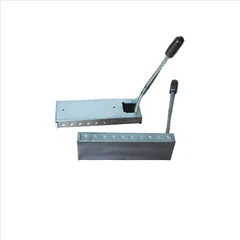
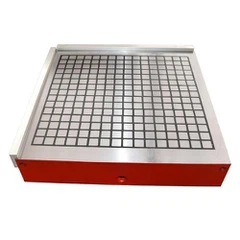
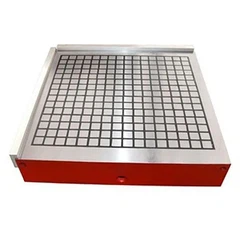
Switch Magnets
Send Inquiry Now

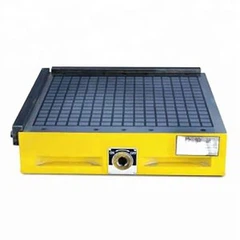
Switch Magnet On Off
Send Inquiry Now

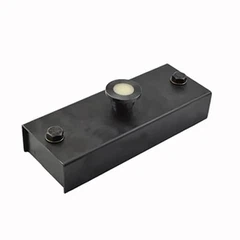
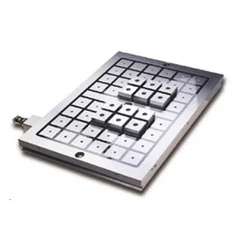
Switchable Magnetic Base
Send Inquiry Now

Welding Magnets On Off
Send Inquiry Now
Switch Magnets
This type is designed for quick magnetic engagement and release. You can turn the magnetic force on when positioning or holding is needed, then turn it off for easy removal. They are often used when you want better control during handling or setup.
Switch Magnet On/Off
This style usually includes a clear switching mechanism, such as a handle or knob. It lets you control the magnetic contact more directly. If your work involves repeated placement and removal, this type can make the operation easier and more consistent.
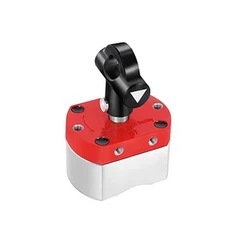
Switchable Magnetic Base
A switchable magnetic base is commonly used to hold tools, fixtures, or measuring equipment on steel surfaces. When switched on, it creates a firm hold. When switched off, it releases cleanly. You may use this type when stability matters during drilling, inspection, or machine setup.
Welding Magnets On Off
These magnets are made for welding and metal fabrication tasks. They help you hold steel parts at a set angle during tacking, fitting, or assembly. For you, this can save setup time and reduce movement before welding is complete.
Each type serves a different purpose. Choosing the right one starts with understanding how the magnet will be used in your actual working environment.
Key Factors to Consider When Selecting a Switch Magnet
Choosing a switch magnet is not only about magnetic force. You also need to think about how the magnet will work in your real application.
Size and Shape
Start with the space you have. A larger magnet may give you more holding force, but it also takes up more room. The shape matters too. Some designs fit flat steel surfaces better, while others are made for corners, tooling, or special fixtures.
If the shape does not match the contact area, the magnet may not perform as expected.
Magnetic Strength
Strength is one of the first things you should check. The magnet needs enough force to hold, position, or activate the part reliably. But stronger is not always better. Too much force can make release harder and may slow down your operation.

Material and Coating
The outer material affects durability. A good coating helps protect the magnet from wear, rust, and damage during daily use. This becomes more important if the magnet is used in workshops, production lines, or outdoor conditions. A damaged surface can reduce both performance and service life.
Operating Temperature
Temperature can change magnetic performance. If your magnet is used near heat sources, welding areas, or hot machinery, you need to make sure it can handle that environment. Some magnets lose part of their strength when the temperature gets too high. This is easy to overlook.
Environmental Conditions
Dust, oil, moisture, and vibration all matter. A switch magnet used in a clean inspection area may need something very different from one used in fabrication or heavy industry.
Common Applications of Switch Magnets
Switch magnets are used in many work settings where you need quick holding, easy release, and repeatable positioning. Their value comes from control.
Metal Fabrication and Welding
In fabrication work, switch magnets help you hold steel parts in place during setup. You can turn the magnet on to secure the piece, then turn it off when the job is done.
This makes alignment faster and reduces the need for clamps in some tasks.

Machine Setup and Tool Holding
You may also use switch magnets when setting up tools, fixtures, or measuring devices on steel machines or worktables. A switchable magnetic base is especially useful here because it gives you a firm hold without permanent mounting. That saves time during inspection and adjustment work.
Assembly and Positioning
In some assembly processes, switch magnets help position parts before fastening, welding, or checking. This is useful when you need the same placement again and again.
Small errors in positioning can slow down the whole job, so a stable magnetic hold can make the process smoother.
Maintenance and Repair Work
During repair work, switch magnets can hold temporary parts, tools, or guides in place while you work. Because the magnetic force can be turned off, removal is simple and clean. You do not have to fight against the magnet after the task is finished.
Workshop and Industrial Use
Switch magnets are also common in general workshops and industrial environments where flexibility matters. If your work changes often, an on-off magnet gives you a practical way to hold and release parts without a complicated setup.
How to Test a Switch Magnet's Performance
Testing a switch magnet helps you see how it will behave in real use, not just on paper. A magnet may look strong, but performance also depends on contact, surface condition, and working environment.
Check the Holding Force
Start by testing how firmly the magnet holds on the actual steel surface you plan to use. A smooth, thick, clean surface usually gives better results than a rough or painted one.
If possible, test the magnet in the same position and direction as your real application.
Test the On-Off Action
A good switch magnet should engage and release smoothly. Turn it on and off several times to check whether the handle or switch mechanism works easily and stays consistent. You should not need excessive force to operate it.
Evaluate Surface Contact
Surface contact affects performance a lot. Even a strong magnet can lose holding force if the contact area is uneven, dirty, or too thin. Test the magnet on different surfaces if your working conditions vary. This step is often overlooked.
Try It Under Real Working Conditions
If the magnet will be used around heat, dust, oil, or vibration, test it in those conditions as well. A magnet that performs well in a clean room may act differently in a workshop or welding area.
Watch for Repeatability
Use the magnet again and again in the same task. If the holding force, release action, or positioning changes over time, that tells you something important about long-term reliability.
In the end, the best test is one that matches your real job as closely as possible.
Conclusion
Choosing the right switch magnet is really about fit. You need to look at how the magnet will be used, what kind of holding force is needed, and what conditions it will face during daily work.
A magnet that looks good on paper may not perform the same way in your actual setup. That's why details like size, strength, surface contact, temperature, and environment all matter. When you check these points early, you reduce the chance of poor holding, hard release, or unstable performance later on.
In simple terms, the best switch magnet is the one that matches your job, not just the one with the highest force.
At Great Magtech, you can explore different switch magnet options for industrial and workshop use. If you need help comparing types, selecting the right design, or discussing custom requirements, the team can help you find a more practical solution for your application.
FAQ
Q: Can you use any magnet as a switch magnet?
A: No. Not all magnets are designed for switching use. A switch magnet needs a controlled on-off function and stable performance. Regular magnets do not offer that level of control.
Q: Does surface condition affect performance?
A: Yes, a lot. A clean, flat steel surface gives the best results. Paint, rust, or uneven surfaces can reduce holding force, even if the magnet itself is strong.
Q: Can switch magnets be used on thin steel?
A: They can, but performance may drop. Thin steel does not carry the magnetic field as well as thick steel, so the holding force will be lower than expected.
Q: Is it safe to use switch magnets near other tools?
A: In most cases, yes. But you should avoid placing them too close to sensitive electronic devices or precision instruments, as magnetic fields may affect them.
Q: How often should you test a switch magnet?
A: If the magnet is used daily, it's good to check it regularly. Especially when you notice changes in holding force or switching feel.
Q: Can switch magnets be customized for specific applications?
A: Yes. In many cases, magnets can be designed with different sizes, shapes, or mounting options. Customization helps match the magnet to your exact working conditions.
Q: When should you avoid using a switch magnet?
A: If your application involves non-metal surfaces or requires non-magnetic materials, a switch magnet may not be suitable. In those cases, other fixing methods may work better.
Q: What distance should a switch magnet operate at?
A: The working distance depends on the switch type and magnet strength. In most cases, you should test the real activation distance instead of relying only on datasheets. Small changes in position can affect performance.