









Magnetic separation is a crucial process in industries such as mining, mineral processing, recycling, and food production. Operations that handle ferrous contaminants rely on magnetic separators to extract magnetic particles from non-magnetic materials, safeguarding product quality and preventing equipment damage.
Deciding between wet magnetic separation and dry magnetic separation goes beyond simply matching the process to the material's moisture content. The choice influences operational efficiency, overall costs, and environmental considerations, making it a key factor in achieving reliable and cost-effective production.

What is Magnetic Separation and Why Does It Matter?
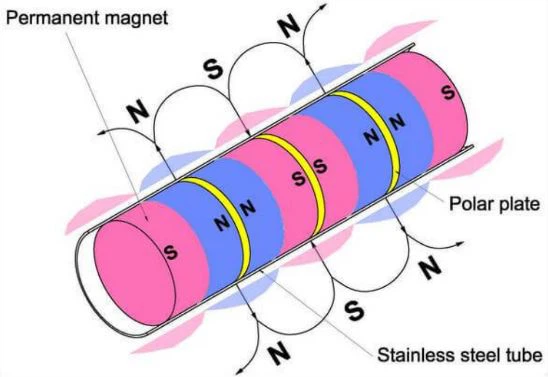
Magnetic separation is a process that uses magnetic fields to remove ferrous contaminants from a mixture. By separating these contaminants, you ensure cleaner materials and protect your equipment from damage while improving the quality of your final product.
Magnetic separation is crucial in industries like mining, ceramics, and recycling. Even the smallest metal can cause significant problems, damaging machinery or contaminating your product. This is where magnetic separators come in; they use powerful magnets to attract and remove unwanted ferrous particles, ensuring your operations run smoothly and efficiently.
The Importance of Magnetic Separation for You
Magnetic separation isn't just a matter of convenience-it's a key part of ensuring your operations run efficiently and effectively. Without it, you risk:
Equipment damage: Metal contaminants can cause wear and tear on your machines, leading to downtime and expensive repairs.
Contaminated products: In industries like food processing or pharmaceuticals, metal contaminants can ruin your product's safety and quality, leading to costly recalls or compliance violations.
Lower operational efficiency: Magnetic separation can eventually increase total productivity by lowering waste and increasing recovery rates.
Selecting the best system for your requirements requires an understanding of the distinctions between wet and dry magnetic separation techniques.
Wet Magnetic Separation: How It Works and Its Benefits

Wet magnetic separation is a widely used method for processing materials that are moist or in slurry form. This technique relies on magnetic fields to attract ferrous particles while allowing non-magnetic materials to flow freely, making it highly effective for fine or weakly magnetic substances.
How Wet Magnetic Separation Works
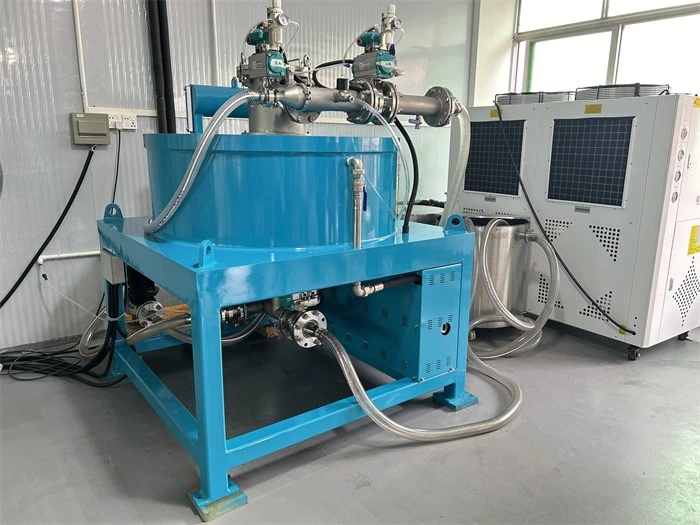
In a wet magnetic separator, the material is typically mixed with water to form a slurry. As this mixture passes through the magnetic field, ferrous contaminants are drawn toward the magnet, adhering to the separator's surface. Non-magnetic materials continue to flow through the system, allowing for efficient separation.
This process ensures higher recovery rates, particularly for fine materials that might be lost using dry separation techniques. It is widely applied in mineral processing, recycling, and other industrial operations where material purity is critical.
When to Use Wet Magnetic Separation
Wet magnetic separation is most suitable for operations where:
Materials are in slurry or contain moisture: Ideal for mineral slurries or wet recycled materials.
Fine or weakly magnetic particles are present: Provides more precise recovery than dry methods.
Low-grade ores need processing: They can recover valuable minerals that would otherwise be discarded.
Advantages of Wet Magnetic Separation
To fully understand the value of wet magnetic separation, it is helpful to see its key benefits in a clear, structured format. The following table summarizes how this method enhances recovery efficiency, precision, and suitability for various wet or fine materials, allowing you to quickly assess its advantages for your operations.
| Feature | Wet Magnetic Separation |
|---|---|
| Recovery Efficiency | High, especially for fine or weakly magnetic materials |
| Precision | Excellent, thanks to the use of water or a slurry medium |
| Material Compatibility | Suitable for wet materials and slurries |
| Applications | Mineral processing, ceramics, and recycling of fine metals |
Key benefits include:
Improved recovery for fine materials.
Higher separation precision.
Cost-effectiveness for wet material applications.
Challenges to Consider
Despite its advantages, wet magnetic separation has some limitations:
Water requirement: Requires a continuous water supply, which may increase operational costs.
Additional drying: Post-separation drying may be necessary, adding processing time and cost.
Maintenance: Equipment may experience more wear due to constant exposure to water and slurry, necessitating regular maintenance.
Dry Magnetic Separation: How It Works and Key Advantages
Dry magnetic separation is an efficient method for processing materials that are already dry or where water use is impractical. This technique uses magnetic fields to separate ferrous particles from non-magnetic materials, making it ideal for coarse or bulk materials and operations with limited water access.

How Dry Magnetic Separation Works
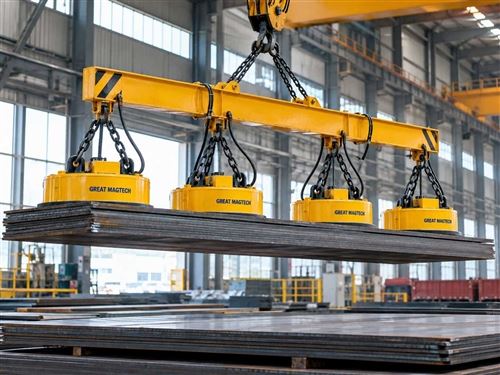
In dry magnetic separation, the material flows through a magnetic field without the addition of water. Ferrous particles are attracted to the magnetic drum or belt, while non-magnetic particles continue along the processing line.
This method provides a fast and low-maintenance solution for high-volume operations, particularly when water conservation or cost reduction is a priority.
When to Use Dry Magnetic Separation
Dry magnetic separation is best suited for operations where:
Materials are dry: Ideal for bulk or coarse materials.
Water is limited or costly: Eliminates the need for water treatment.
High-throughput processing is required: Efficiently handles large volumes of material with minimal maintenance.
Advantages of Dry Magnetic Separation
To highlight the advantages of dry magnetic separation, the following table presents its main features and operational benefits. This overview allows you to quickly compare how dry separation differs from wet methods in terms of water usage, cost efficiency, material compatibility, and typical applications.
| Feature | Dry Magnetic Separation |
|---|---|
| Water Requirement | None, reducing operational costs |
| Operating Cost | Generally lower than wet separation |
| Material Compatibility | Coarse, dry materials |
| Applications | Recycling, plastics, glass, scrap metal processing |
Key benefits include:
No water usage, saving costs, and avoiding water treatment challenges.
Low maintenance requirements and simplified operation.
High efficiency for bulk material processing.
Challenges to Consider
Despite its benefits, dry magnetic separation has limitations:
Less effective for fine or weakly magnetic materials: Recovery rates can be lower compared to wet methods.
Dust and static buildup: May require additional precautions in dry environments.
Precision limitations: Dry methods are generally less precise for fine or weakly magnetic particles.
Wet vs Dry Magnetic Separation: A Systematic Comparison
| Criteria | Wet Magnetic Separation | Dry Magnetic Separation |
| Best For | Fine, wet, or weakly magnetic materials | Coarse, dry materials |
| Water Requirement | High | None |
| Energy Consumption | Moderate (due to water use) | Low |
| Separation Precision | High | Moderate |
| Typical Applications | Mining, ceramics, mineral processing | Recycling, plastics, glass, scrap metal |
This comparison helps you determine which separation method fits your operational needs, considering factors such as material type, water availability, processing volume, and cost efficiency.
Real-World Business Applications for You
Mining Operations
If you're in the mining industry, wet magnetic separation may be the best choice, especially if you're processing low-grade ores with a high moisture content. For example, in the extraction of iron ore, wet separation can help recover valuable minerals that may be overlooked in dry methods. Additionally, wet separation is often more effective for fine or weakly magnetic materials, which means you can increase recovery rates and get more value from your materials.
Recycling Facilities
Dry magnetic separation is likely the most cost-effective and efficient if your business involves recycling materials like plastics, glass, or metals. With dry separation, you can quickly remove ferrous contaminants from your materials without the added complexity of water treatment and disposal. This method is particularly beneficial in recycling plants where materials are already dry and must be processed rapidly.
Ceramics Manufacturing
In ceramics manufacturing, magnetic separation removes metal contaminants from raw materials like clay. If your materials are relatively coarse, dry magnetic separation will do the job. However, if you're working with finer materials or materials suspended in water, wet separation is the more effective choice for achieving high purity.
How to Choose the Right Magnetic Separator for Your Operation
Selecting the most suitable magnetic separation method is essential for optimizing efficiency, reducing costs, and ensuring product quality. To determine whether wet magnetic separation or dry magnetic separation is right for your operation, consider the following factors:
Material Characteristics
Assess whether your material is wet, slurry, or dry. Wet magnetic separation is highly effective for materials containing moisture or suspended in liquid, while dry magnetic separation is better suited for solid, dry materials where water use is impractical.
Particle Size and Material Type
Consider the size and magnetic strength of your particles. Fine or weakly magnetic materials are more efficiently recovered using wet separation, whereas coarse or strongly magnetic materials can be effectively processed with dry separation. This ensures you choose the best magnetic separator for industrial operations based on particle size and material characteristics.
Water Availability and Operational Costs
Access to water is a key consideration. Wet magnetic separators require a water supply, which can increase operational costs due to water treatment and drying requirements. Dry magnetic separation, on the other hand, eliminates the need for water, reducing both costs and environmental impact.
Maintenance Requirements
Wet magnetic separators are exposed to water and slurry, which can increase wear and require more frequent maintenance. Dry separators generally have lower maintenance needs, making them suitable for high-throughput operations with minimal downtime.
Environmental Considerations
For businesses concerned about water conservation and sustainability, dry magnetic separation may offer a more environmentally friendly option. Choosing the right separator can help minimize water usage, reduce waste, and align operations with environmental compliance standards.
By evaluating these factors, material type, particle size, water availability, operational costs, and environmental impact, you can make an informed decision when choosing a magnetic separator for your industrial process.
Conclusion
Your operational efficiency, expenses, and product quality will all be impacted by your choice between wet and dry magnetic separation. Knowing the distinct benefits and drawbacks of each approach will help you make an informed decision that suits your requirements.
If you are ready to maximize your magnetic separation process, we offer expert guidance and customized solutions to help you find the best magnetic separator for your company. To improve your production efficiency, contact Great Magtech today.