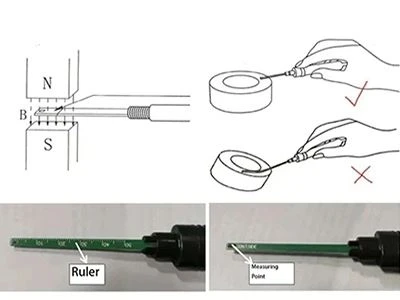
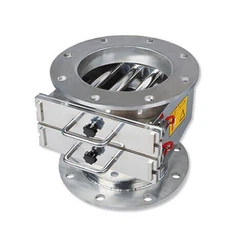
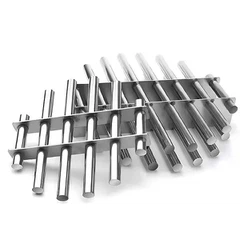
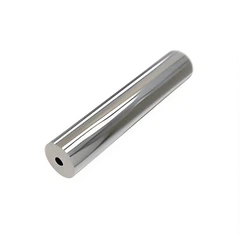










When people ask about the efficiency of a magnetic separator, they usually want a simple answer: how much metal can it really remove? In practice, the answer depends on working conditions rather than theory alone. Efficiency reflects how well a separator performs in real production-under varying material loads, flow rates, and operating hours. For industries like mining, recycling, and food processing, even small changes in performance can affect output quality and operating costs. Understanding what "efficiency" means in practical terms helps you evaluate whether a separator is truly suited to your process.
What Determines Magnetic Separator Efficiency?
5 factors affect the efficiency of a magnetic separator.

1. Magnetic Strength and Gradient
The strength of the magnetic field, which is usually measured in gauss or tesla, affects the capture of ferrous or paramagnetic materials. High-intensity separators such as rare-earth neodymium magnets are apt for separating fines like iron oxide in food processing. For instance, in the mining industry, high-gradient magnetic separators (HGMS) can produce minerals with a purity of 95–99% by creating strong fields to trap weakly magnetic material.
2. Material Properties
The separation results are decided by particle size, moisture content, and magnetic susceptibility. For example, it is easier to separate dry materials than wet slurries, which may need drum separators with corrosion-resistant coatings. By using eddy current separators, recycling facilities can effectively separate non-ferrous metals, like aluminum, from a mixed stream.
3. Equipment Design
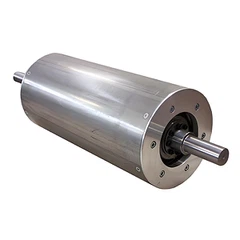
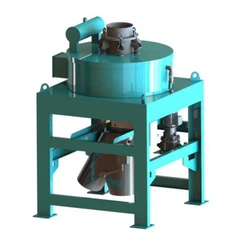
Drum separators are ideal for continuous processes in mining and recycling. Further, they have a self-cleaning mechanism to reduce downtime.
Overband separators are part of conveyor systems that remove large ferrous contaminants from metallic ones with 90% metal recovery.
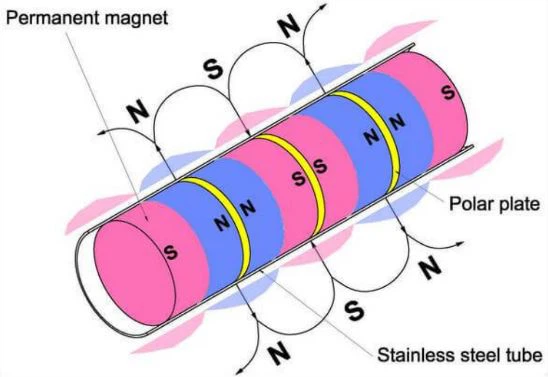
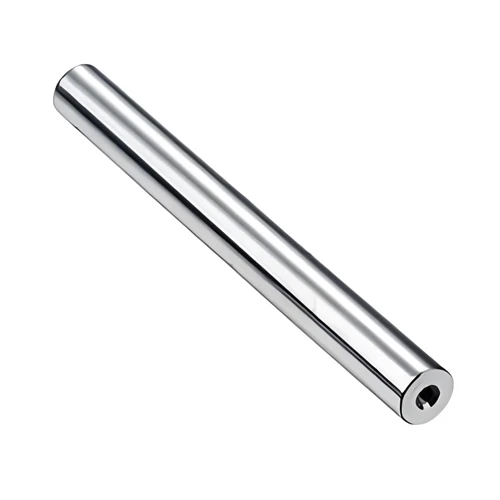
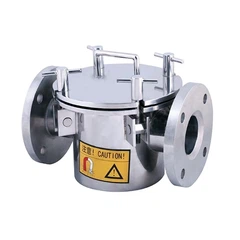
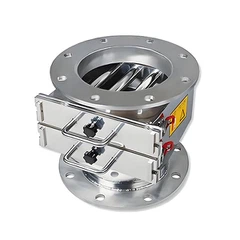
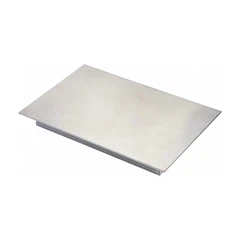
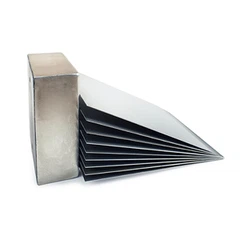
Plate magnets installed in chutes or pipelines for the food and pharmaceutical industry to prevent contamination by capturing fine particles.
4. Operational Parameters
The throughput speed, feed consistency, and alignment with the production lines affect efficiency. Systems with adjustable magnetic fields are optimized for performance based on the load of the material.
5. Maintenance and Cleaning
Less manual interference is ensured by self-cleaning separators. For instance, the rotating belt systems discharge the captured metals and keep them running.
How to Measure Magnetic Separator Efficiency
To check whether or not performance claims are valid, it is important to measure magnetic separator efficiency. Measuring efficiency is also essential in order to optimize magnetic separator operations. To ensure effectiveness, commercial operations in all industries are calculated using three metrics.
These are the recovery rate, purity level, and energy consumption.
Recovery Rate
The recovery rate is the share of target material captured by the separator. For example, a mining separator that recovers 98% of iron ore from the raw feed is highly efficient. It is important in recycling and other industries where metal recovery does not happen, as costs and waste go up. To calculate the recovery rate, the weight of extracted material is compared with the total magnetic material in the feed.
Purity Levels
How effectively the separator removes ferrous contaminants from the end product reflects the purity level. In food processing, separators are required to get metal contamination below 0.1 ppm to be considered safe. If purity levels are low, people may have to retrieve a product from store shelves or damage machinery. Advanced separators use strong magnetic fields to guarantee consistent purity, even with fine particles.
Energy Consumption
The cost of processing and the environmental impact are determined by energy consumption expressed in kWh/tonne processed. For example, a dynamic magnetic field system uses AI to adjust the magnetic field strength, reducing energy use by 15% compared to a static system. Using less energy will make your equipment last longer and is good for your pocket, too.
Can a Magnetic Separator Reach 100% Efficiency?

In real industrial conditions, a magnetic separator cannot reach 100% efficiency. While high-intensity systems may achieve 95–99% recovery under optimized conditions, complete separation is rarely possible. Several factors limit performance.
Magnetic particles may be embedded within non-magnetic materials, reducing exposure to the magnetic field. Thick material layers or uneven feed distribution can also prevent full contact with the separator surface. In addition, weakly magnetic or very fine particles may escape capture depending on magnetic strength and gradient.
Laboratory tests often show higher efficiency than real production environments. In continuous operation, variations in flow rate, contamination levels, and maintenance conditions affect results.
Comparing Efficiency Across Magnetic Separator Types
| Type | Efficiency | Best For | Limitations |
| Permanent Magnet | 85–95% | Low-cost, continuous operations (e.g., recycling) | Limited to dry materials, lower intensity |
| Electromagnetic | 90–98% | High-precision tasks (e.g., mineral processing) | Higher energy and maintenance costs |
| Eddy Current | 80–90% | Non-ferrous metal recovery | Struggles with fine particles |
| High-Gradient (HGMS) | 95–99% | Rare earth extraction, wastewater treatment | Expensive, complex installation |
Real-World vs Laboratory Efficiency
Magnetic separator efficiency often appears higher in laboratory testing than in actual industrial operation. In controlled environments, materials are uniform, feed rates are stable, and contamination levels are known. Under these conditions, separators can achieve near-maximum recovery rates.
In real production lines, however, material flow is rarely consistent. Variations in particle size, moisture content, and feed thickness can reduce magnetic exposure. Continuous operation also introduces factors such as metal buildup, equipment wear, and changing throughput speeds.
As a result, real-world efficiency typically reflects operational stability rather than peak test performance. Evaluating performance under actual working conditions provides a more accurate measure of separator effectiveness.
Industry-Specific Efficiency Requirements for Magnetic Separators
Different industries have different performance standards for magnetic separators. When a business has more advanced needs, it should look into the demands it will need to fulfill.
Mining and Mineral Processing Applications
High-intensity magnetic separators are crucial in the mining process for mineral extraction. The systems must separate a lot efficiently and accurately. Magnetic roll separators that are currently being used at mine sites are very effective and are achieving up to 97% separation of magnetite from quartz. This high efficiency translates into waste reductions, with up to 30% less material going to tailings.
The mining sector particularly benefits from the use of separators that are capable of handling both dry and wet materials. In this situation, the wet drum separator is useful for processing slurry.

Recycling and Waste Management Solutions
The recycling industry needs separation technologies to work with different materials. Automated overband separators now play a vital role in municipal waste facilities, recovering around 90% of ferrous metals from mixed waste. Eddy current separators, which can recover 85% of aluminum, are efficient for non-ferrous recovery. These systems play a key role in circular economy initiatives, allowing for the recovery of high-purity materials from complex waste feeds.
Food and Pharmaceutical Grade Separation
In food processing, pharmaceuticals, and other sensitive industries, mega magnetic separators must meet very high purity standards. These applications routinely use plate magnets and pipeline filters that keep contamination levels under 0.5 ppm. The pharma industry GMP demands designs of self-cleaning separators that can eliminate the risk of product contamination.
Recalls can be expensive, but they prevent metal contamination for a guaranteed final product. In food-grade applications, sanitary designs with easy-clean surfaces are a must for product safety.
Automotive and Electronics Manufacturing Needs
The electric vehicle market has begun creating additional demand for the recovery of rare earth metals. Now, high-gradient magnetic separators recover 95% of valuable materials from spent EV batteries. To recover precious metals from production scrap, electronics manufacturers use precision separators for end-of-life devices.
These apps need separators that can handle fine particles but also process a lot quickly. Systems that deal with shredded car parts help recover ferrous and non-ferrous metals for the automotive sector. Such metals are useful for new manufacturing processes.
Technological Advancements Boosting Magnetic Separator Efficiency
Recent innovations are altering magnetic separator performance. By focusing on efficiency, durability, and eco-friendliness, these big businesses can reduce their operational costs.
AI and IoT Integration
Magnetic separators of today are automatic and IoT sensor-driven for better performance. An automatic adjustment of the magnetic field occurs from smart systems using the real-time analysis of the material being retrieved. This would improve the retrieval accuracy by 20%. Also, monitoring wear and performance by predictive maintenance algorithms cripples unplanned downtime (30%) and equipment lifespan.
Rare-Earth Magnets
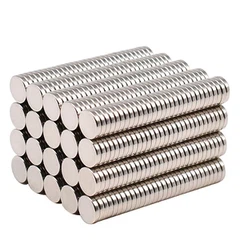
Neodymium magnets have made a significant impact on magnetic separation in the field of battery recycling and mineral processing. Using higher-strength magnets will mean greater and finer particle separation. Recycling lithium-ion batteries means recovering a higher proportion of valuable metals with minimal waste to improve efficiency and profitability.

Sustainable Designs
Manufacturers believe that lowering energy consumption can help reduce emissions. Some firms are also creating biodegradable magnetic materials to lower their environmental footprint. Efforts have been made to enhance separator efficiency; these developments are simultaneously sustainable.
Common Reasons for Low Magnetic Separator Efficiency
Even well-designed magnetic separators can experience reduced efficiency in real operations.
Insufficient Magnetic Strength
If the magnetic field is too weak for the material being processed, fine or weakly magnetic particles may not be captured effectively. Matching Gauss level to the contamination type is essential.
Excessive Material Layer Thickness
When material flows in thick layers, magnetic exposure decreases. Particles buried beneath the surface may not interact strongly with the magnetic field.
Improper Installation Position
Incorrect mounting height or alignment reduces magnetic reach. Separators installed too far from the material stream may fail to capture smaller contaminants.
Inadequate Cleaning and Maintenance
Metal buildup on the magnet surface weakens effective contact. Without regular cleaning, captured contaminants can shield the magnetic field and reduce separation performance.
How to Choose the Right Magnetic Separator for Maximum Efficiency
You need to evaluate your requirements for the right magnetic separator. When choosing the best separation, this will improve efficiency, reduce costs, and the right equipment will ultimately be successful in the long run. Focus on four key factors to make the best decision.
Assess Material Characteristics
Which separator works best for your material depends on its particle size, moisture content, and magnetic properties. Standard drum separators can work with dry and coarse materials, whereas fine and wet powders require high-intensity magnetic separators. To separate weakly magnetic materials, stronger rare-earth magnets are required.
Match Throughput Needs
Processing volume affects separator selection. Drum separators with large throughput capacities are ideal for mining operations that handle tons of material per hour. For low-volume food or pharma production runs, small plate magnets or pipeline filters will often be enough to remove metal, without stopping the production process.
Prioritize Automation
Self-cleaning systems require less maintenance and avoid downtime. Automated overband magnets and magnetic pulleys won't keep captured metals, allowing work to be continued. Critical in applications that require high-volume recycling and mining
Consider Total Cost
The cheapest option may cost more in the long term. Although the cost of high-efficiency electromagnetic separators is higher, they save energy and have a long life. When comparing costs, look at energy use, maintenance requirements, and the lifespan of everything.

Conclusion
Magnetic separator efficiency is not just a number on a datasheet. It reflects how consistently your system performs under real operating conditions. Stable recovery, proper installation, and correct configuration matter more than chasing theoretical maximum values. Choosing the right separator means understanding your material flow, contamination level, and production goals.
At Great Magtech, we focus on practical magnetic separation solutions tailored to actual industrial requirements. If you are evaluating efficiency improvements or planning a new system, our team can help you review your application and recommend a suitable configuration based on real working conditions.
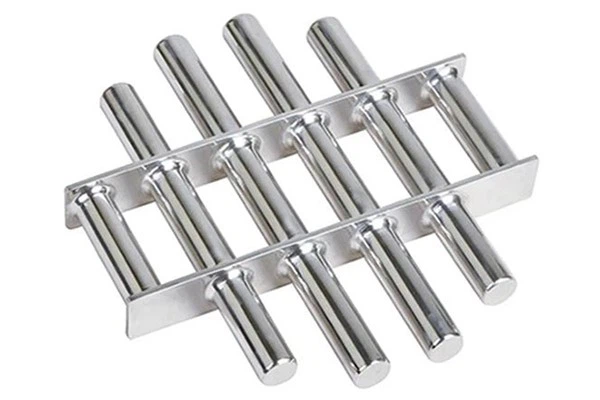
Food Magnetic Grates
Send Inquiry Now
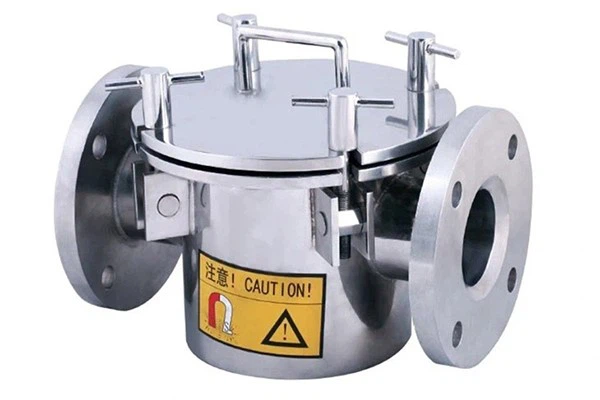
Magnetic Liquid Trap
Send Inquiry Now

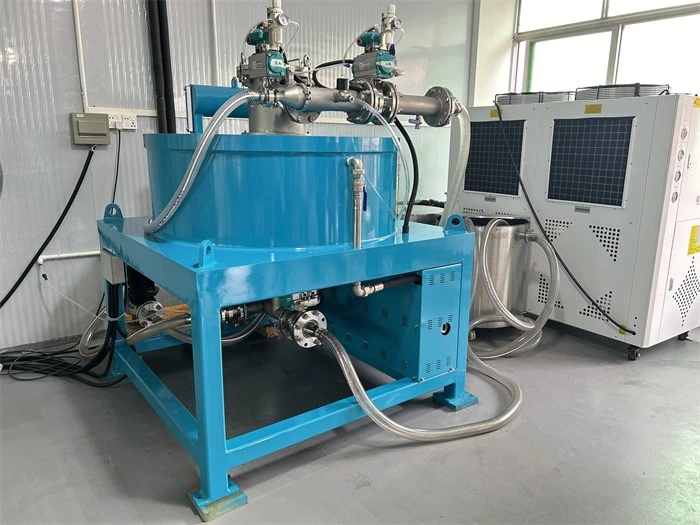
Drum Magnetic Separator
Send Inquiry Now

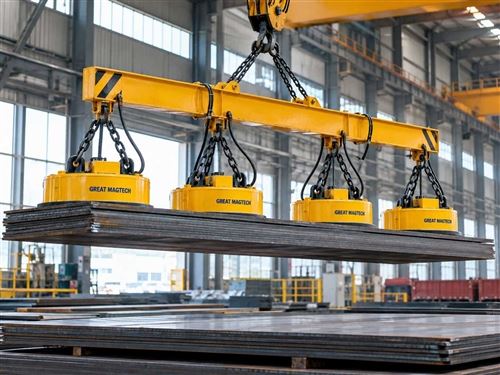
Suspension Magnetic Separator
Send Inquiry Now
FAQs
Q: What is considered a high-efficiency magnetic separator?
A: A high-efficiency magnetic separator typically achieves recovery rates above 90% under stable operating conditions. In high-intensity or specialized applications, performance may approach 98–99%, depending on material characteristics.
Q: Does magnetic separator efficiency vary between dry and wet systems?
A: Yes. Wet systems, such as slurry processing, often require specialized designs like wet drum separators. Moisture and flow behavior can influence magnetic exposure and separation stability.
Q: How does particle size influence separator performance?
A: Very fine particles may be more difficult to capture if they are shielded within bulk material. Proper flow control and optimized magnetic strength improve fine particle recovery.
Q: Do different industries prioritize efficiency differently?
A: Yes. Mining operations often focus on recovery rate, while the food and pharmaceutical industries emphasize purity levels. Efficiency targets vary depending on regulatory and operational requirements.
Q: How to improve magnetic separator efficiency in industrial applications?
A: Improving efficiency may involve adjusting installation height, reducing material layer thickness, increasing magnetic intensity, and maintaining regular cleaning schedules.
Q: Can you customize magnetic strength (Gauss level)?
A: Magnetic strength can be configured according to application needs. High-intensity designs are available for fine or weakly magnetic particles, while standard-strength systems may be suitable for bulk ferrous removal.
Q: Can magnetic separators be customized for specific efficiency requirements?
A: Yes. Magnetic separators can be customized based on material type, particle size, and required recovery rate. Magnetic strength, separator dimensions, and installation design can all be adjusted to match your operational targets.