







Choosing the right stainless steel for a magnetic rod seems like a small detail. But it isn't. Getting it wrong can lead to rust, contamination, and costly downtime.
I've seen it happen. A facility picks a 304 rod to save money, only to find it pitted and failing after a few months in a tough environment. That initial savings disappear fast.
The 304 versus 316L debate is really about matching the material to your actual working conditions. It's a practical choice that protects your process and your product.
Let's break down the real differences without the confusing jargon. This guide will help you understand exactly what you're buying and why it matters.
What Is a Magnetic Rod and Why Material Matters
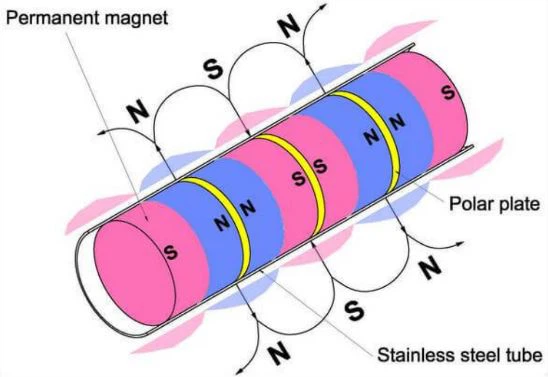
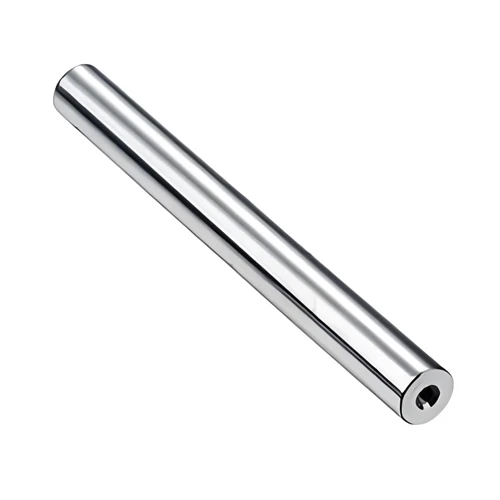
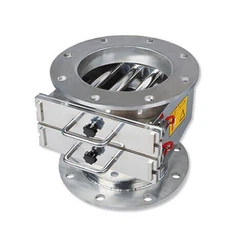
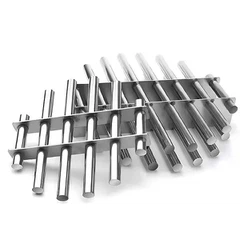
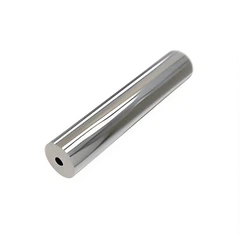
A magnetic rod is a simple but important tool used to capture fine metal particles from powders, grains, liquids, and other materials. You'll see it in food plants, plastic factories, chemical lines, and places where metal contamination must be controlled. Inside the rod is a strong magnet, and on the outside is a stainless-steel shell.

Magnetic Tube
Send Inquiry Now

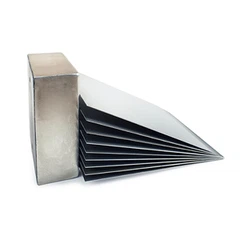
Square Magnetic Rod
Send Inquiry Now

Magnetic Filter Rod
Send Inquiry Now

Neodymium Magnetic Rods
Send Inquiry Now
But that outer tube is what makes or breaks its performance. If the tube's material can't handle your environment, it will eventually fail. The material decides how well the rod handles corrosion, repeated cleaning, and long-term wear. The material isn't just a casing. It's your first and most important line of defense.
Understanding 316L Stainless Steel in Magnetic Rods
Think of 316L as the upgraded version. It contains a special ingredient called molybdenum. This single addition is what makes it so much more resilient.
Where 304 might struggle, 316L holds strong. 316L stainless steel is known for its strong corrosion resistance, especially in places with moisture, salt, or frequent washing.
The "L" stands for "low carbon." This is crucial for magnetic rods that need welded fittings. The low carbon content prevents weakness and corrosion at the weld points, ensuring a strong, durable seal that lasts.
If your process involves acids, chlorides, or high humidity, 316L handles those conditions much better than standard grades. It stays stable, cleans easily, and holds up well during long-term use.
304 vs 316L Magnetic Rod: Key Differences
The choice between 304 and 316L boils down to what you're up against. Here's a quick look at how they stack up.
|
Feature |
304 Magnetic Rod |
316L Magnetic Rod |
|
Corrosion Resistance |
Good in dry, mild environments |
Excellent in moisture, salt, and harsh cleaning |
|
Food-Grade Use |
Acceptable for general use |
Best choice for strict hygiene and CIP/SIP |
|
Durability |
Stable under basic conditions |
Longer lifespan in demanding applications |
|
Cost |
Lower |
Higher, but better long-term performance |
|
Pitting Resistance |
Moderate |
Very high, especially with chlorides |
|
Weld Durability |
Standard |
Superior (Low Carbon prevents weld decay) |
Corrosion Resistance Comparison in Different Environments
You'll notice the biggest difference when moisture, salt, or cleaning chemicals are involved. In dry areas, 304 performs well and rarely has issues. But once you add high humidity, acidic powders, or chloride-heavy products like dairy or seafood, 304 can develop pitting over time.
316L handles these tougher environments far better. It's added molybdenum, which gives it stronger protection, allowing the rod to stay smooth and safe even after repeated washdowns. If your process involves water or aggressive cleaning, 316L gives you a much safer margin.
Impact on Magnetic Performance
Here's a key point many miss: the shell material doesn't change the magnet's pulling power inside. A 12,000 Gauss magnet is a 12,000 Gauss magnet, regardless of its 304 or 316L housing.
The real impact is on longevity.
A corroded or cracked shell exposes the inner magnet to your process. Moisture and chemicals can then degrade the magnetic core, causing a permanent loss of strength. So, while the material doesn't affect initial performance, it directly determines how long that performance will last.
Which Material Performs Better in Food-Grade Applications?
For food-grade applications, 316L is the definitive choice. Its superior corrosion resistance isn't just about longevity-it's about safety.
Food environments are harsh. They involve salt, acids, fats, and aggressive cleaning chemicals like chlorine-based sanitizers. 304 steel can slowly break down under this constant attack. 316L, however, stands up to it, ensuring no rust or metal particles contaminate your product.
This is why 316L is the expected standard for stringent certifications.

Surface Finish and Hygiene Requirements
Food-grade systems depend on smooth surfaces that won't trap powder or bacteria. That's why the finish on the magnetic rod is important. 316L is easier to polish to a low Ra value, and it keeps that smooth finish longer under constant cleaning.
304 can meet hygiene standards, too, but it's more likely to dull or develop small surface marks over time. If you want the rod to stay clean, easy to wash, and resistant to buildup, 316L gives you better long-term results.
Real Case Studies: How Material Choice Affects Lifespan
Let's look at how this plays out in real situations.
A snack company used 304 rods for salted potato chips. Within eight months, they found rust spots. The salt in the product was attacking the steel. They had to replace the rods and discard contaminated batches.
After switching to 316L, the same rods showed no corrosion after two years of continuous use.
Another example is a chemical plant that needed rods for a mildly acidic liquid. They chose 316L from the start. Three years later, the rods remain in perfect condition with no loss of performance.
The pattern is clear. The right material choice doesn't just prevent problems-it delivers uninterrupted operation. That's what truly defines lifespan.
Cost Comparison: Is the Price Difference Worth It?
When you compare costs, 304 magnetic rods are the more affordable option, but the real question is how long they'll last in your environment. In dry or low-corrosion environments, 304 can offer good value and a long service life. But in places with moisture, salt, or heavy cleaning, the lower upfront cost doesn't always offset the higher long-term costs.
316L costs more at the start, yet it often saves money over time because it holds up better and needs fewer replacements. If your line faces challenging conditions, the higher price can be worth it.
How to Verify Whether a Rod Is Made of 304 or 316L
You can't tell 304 and 316L apart just by looking. They appear identical. To be sure, you need to check in a few specific ways.

Check the Documentation
Start with the paperwork. A reputable supplier will provide a material test certificate (MTC). This document verifies the chemical composition. Look for the molybdenum content; 316L will show about 2-3%, while 304 will have none.
Use a Testing Solution
You can perform a simple spot test with a chemical testing kit. These kits contain a solution that reacts differently with each grade.
For a 304 rod, the testing solution may show little to no color change.
For a 316L rod, the solution will typically turn red or another distinct color due to the molybdenum.
This method is affordable and gives you an answer in minutes.
Ultimately, your best verification is working with a trusted supplier who provides clear documentation from the start. It removes all doubt.
Conclusion
Choosing between 304 and 316L magnetic rods comes down to understanding the conditions in your production line. If your environment is dry and gentle, 304 can meet your needs at a lower cost. But if you deal with moisture, salt, acids, or strict cleaning routines, 316L gives you the stronger protection and longer service life your process depends on.
When you choose the right material, you reduce downtime, avoid corrosion problems, and keep your product quality stable. And if you're looking for reliable options backed by real industry experience, Great Magtech can help you find the magnetic rod that fits your exact environment. With the right choice, your line runs smoother-and your results stay consistent.
FAQs
Q: Can both materials be used with high-gauss magnetic cores?
A: Yes, 304 and 316L rods can both house high-gauss neodymium cores. The choice of stainless steel doesn't limit the Gauss level you can use, as long as the housing is built correctly.
Q: Do 304 and 316L magnetic rods require different cleaning routines?
A: The cleaning steps are similar, but 316L usually needs less attention because it maintains a cleaner surface. With 304, you may need to check the surface more often to ensure no buildup forms.
Q: Are there differences in how quickly each material shows surface wear?
A: 304 may show light surface marks sooner in tough conditions, while 316L stays smooth longer. If you need a consistently clean surface for sensors or flow performance, smoother rods help.
Q: Can welding quality vary between 304 and 316L rods?
A: Yes. 316L often requires more precise welding because it's used in stricter environments. Good welds are important for both materials, but 316L rods usually receive higher-grade finishing.
Q: Do you offer both materials?
A: Yes, Great Mag Tech provides both 304 and 316L magnetic rods in various sizes and configurations.
Q: Can I get custom lengths and designs?
A: Absolutely. We specialize in custom solutions to meet your specific application requirements.