






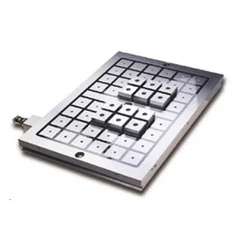


Metal contamination is a common problem in many material processing industries, especially in food, chemicals, plastics, recycling, and mining. Small ferrous particles can enter the production line through raw materials, equipment wear, broken tools, or conveyor systems.
In some cases, operators may not notice contamination until downstream equipment is damaged or product quality issues arise.
Even small metal fragments can create expensive production issues.
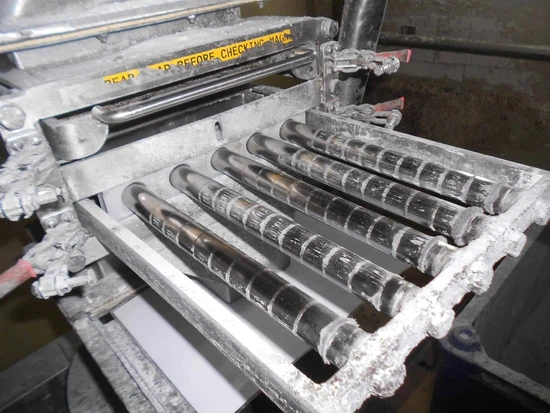
Industrial magnetic separators are widely used to remove ferrous contamination before it reaches critical processing stages. They help protect equipment, improve material purity, and reduce unexpected downtime during continuous operation. Different separator designs are used depending on the material type, processing method, and contamination level within the system.
Key Takeaways
Industrial magnetic separators are most useful when selected based on real processing conditions, not just magnetic strength. For dry powders, liquids, bulk materials, conveyors, and recycling lines, the right separator design can help reduce equipment damage, improve material purity, and keep production more stable.
The key is to look at material flow, contamination size, cleaning access, and installation position. A well-matched separator can prevent small metal problems from turning into costly downtime or quality issues.
What Is an Industrial Magnetic Separator?
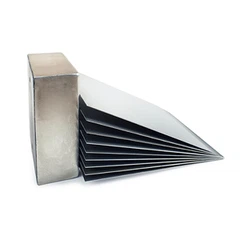
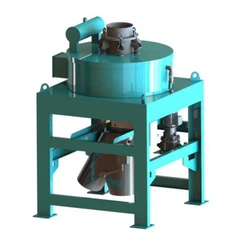
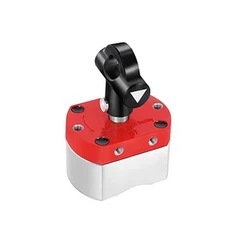
An industrial magnetic separator is a device designed to remove ferrous contaminants, such as iron, steel, and nickel, from non-magnetic material streams, including powders, bulk materials, liquids, and slurries, using magnetic fields. These systems are widely used for product purification, equipment protection, and contamination control during material processing.
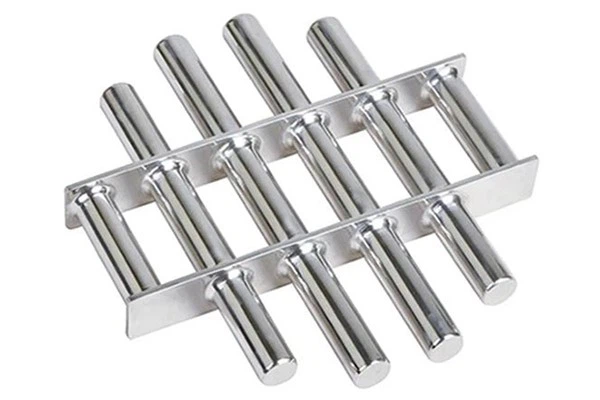
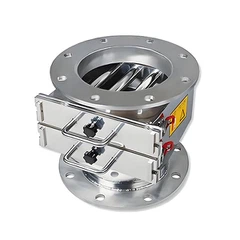
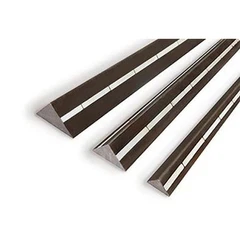
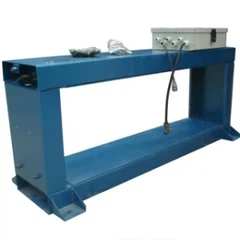
Food Magnetic Grates
Send Inquiry Now
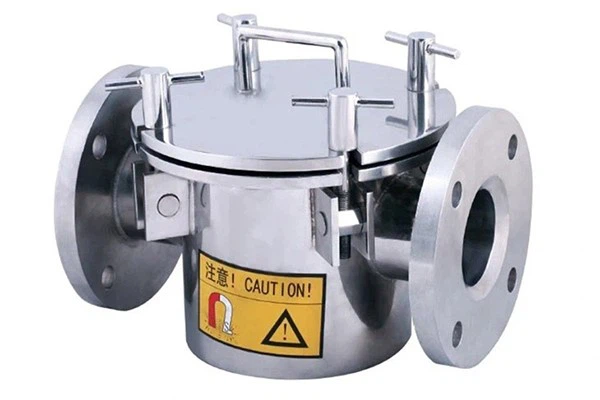
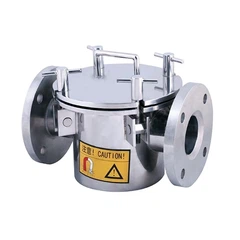
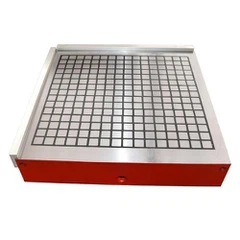
Magnetic Liquid Trap
Send Inquiry Now

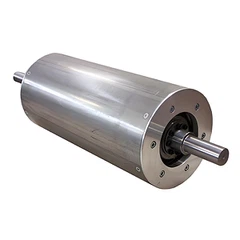
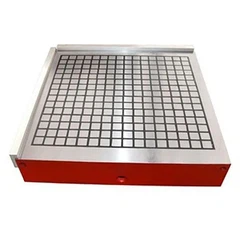
Drum Magnetic Separator
Send Inquiry Now

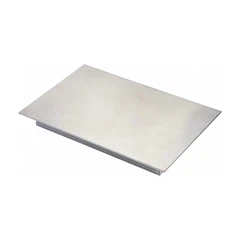
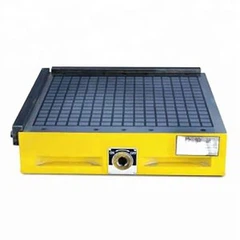
Suspension Magnetic Separator
Send Inquiry Now
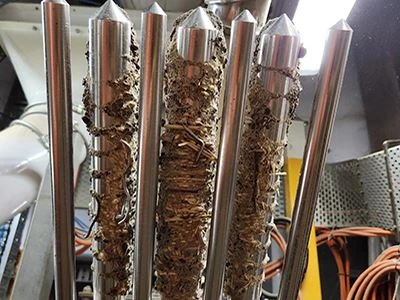
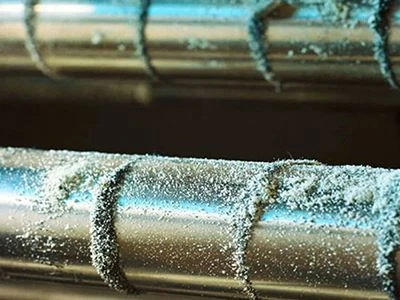
Ferrous contaminants may enter the production line through raw materials, equipment wear, broken tools, or conveyor components during operation.
Different separator designs are used for different processing conditions. Magnetic grates are often installed in hoppers and gravity-fed systems, while drum magnetic separators are commonly used for bulk material handling. Liquid traps and pipeline separators are designed for liquid or slurry processing lines, and overband magnets are typically installed above conveyors to remove larger tramp metal.
Why Material Processing Systems Need Magnetic Separation
Metal contamination can enter a processing system in more ways than many operators expect. In continuous production environments, even small ferrous particles can gradually create equipment, quality, and maintenance problems if they are not removed early in the process.
Hidden Metal Contamination in Raw Materials
Raw materials are one of the most common sources of metal contamination. Iron particles, steel fragments, nails, wire, and tramp metal may already be mixed into powders, granules, recycled materials, or mined products before they enter the processing line.
In some industries, contamination levels can change depending on the supplier, transportation method, or storage conditions.
Processing Equipment Is Vulnerable to Metal Damage
Many processing systems use crushers, grinders, pumps, conveyors, and mixers that operate continuously under heavy load conditions. Hard metal fragments can damage these components during operation, especially in high-throughput systems.
Production Lines Face Hidden Contamination Risks
Some ferrous particles are too small to detect during normal operation. Fine contamination can move through the production line without immediately causing visible problems, especially in powder and liquid processing systems.
Over time, these hidden contaminants may affect product consistency, downstream equipment performance, or inspection requirements within the process line.
Main Benefits of Industrial Magnetic Separators
Industrial magnetic separators are used in many processing industries because they help reduce contamination-related problems during daily operation. Their benefits are not limited to metal removal alone. In many systems, they also help improve equipment reliability, material consistency, and production control.

Reduced Equipment Wear
Hard ferrous contaminants can damage crushers, pumps, grinders, mixers, and conveyor systems during operation. Removing tramp metal earlier in the process helps reduce unnecessary wear on downstream equipment.
Improved Product Purity
Fine metal particles may mix into powders, plastics, chemicals, or food materials without being immediately visible. Magnetic separators help remove these contaminants before the material reaches later processing stages or packaging systems.
Better Material Flow
Large metal fragments can interrupt material movement or create unstable flow conditions in processing lines. Magnetic separators help reduce blockage risks and support smoother material transfer during operation.
Lower Maintenance Frequency
Processing equipment exposed to metal contamination often requires more frequent inspection and repair. By reducing contamination inside the system, magnetic separators can help lower maintenance workload over time.
More Stable Continuous Operation
Many industrial systems run continuously for long production hours. Unexpected contamination problems can interrupt production and affect operating stability.
Magnetic separators help processing lines maintain more consistent operating conditions during daily production.
Reduced Manual Contamination Removal
Without magnetic separation, operators may need to manually remove trapped metal from conveyors, hoppers, or processing equipment. Automatic magnetic separation systems help reduce manual cleaning and inspection work in many applications.
Common Magnetic Separators Used in Material Processing
Different material processing systems require different magnetic separator designs. The separator type usually depends on material flow, contamination size, installation position, and processing conditions.
Magnetic Grates
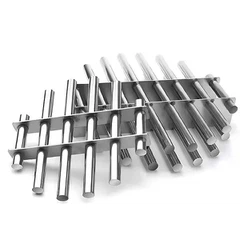
Magnetic grates are commonly used in hoppers, chutes, and gravity-fed systems. They are designed to capture ferrous particles from powders, granules, and dry bulk materials as the product passes through the magnetic bars.
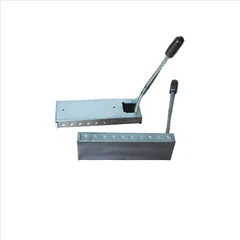
Drawer Magnets
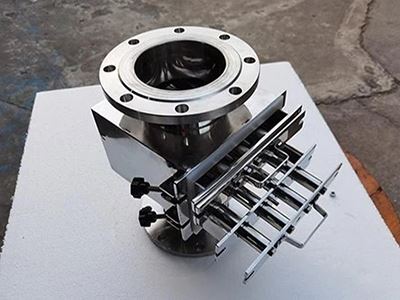
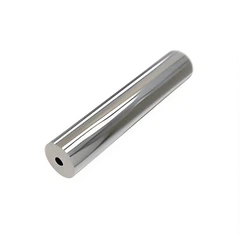
Drawer magnets are often used in powder processing lines that require stronger magnetic contact and easier cleaning access. Multiple magnetic tubes inside the housing help improve contaminant capture in fine material applications.
They are commonly installed in food, plastics, and chemical processing systems.

Drum Magnetic Separators
Drum magnetic separators are designed for continuous bulk material handling. The rotating drum automatically separates ferrous contaminants from the material stream during operation.
These separators are widely used in mining, aggregates, recycling, and mineral processing applications.
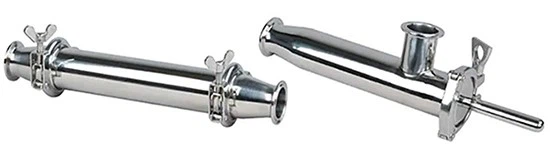
Magnets Liquid Traps
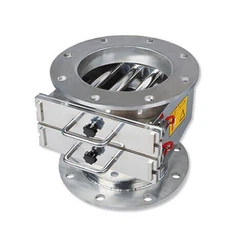
Magnetic liquid traps are used in liquid and slurry processing systems where ferrous contamination needs to be removed from flowing materials. They are commonly installed in sanitary pipelines and liquid transfer systems.
Magnets Pipeline Separators
Pipeline magnetic separators are designed for enclosed processing lines with pressurized or continuous material flow. They help remove ferrous particles from powders, liquids, and pneumatic conveying systems before the material reaches downstream equipment.
Overband Magnets
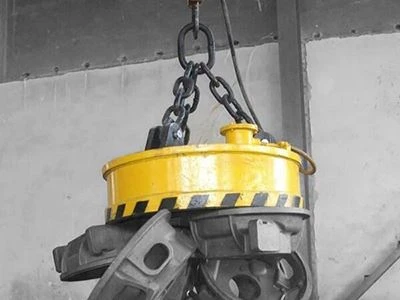
Overband magnets are usually installed above conveyor belts to remove larger tramp metal from moving material streams. These separators are commonly used in recycling plants, mining operations, and bulk material conveyor systems where large metal contamination may appear during processing.
How to Match the Right Magnetic Separator to Your Processing Line
Different processing conditions require different separator designs. Choosing the correct magnetic separator depends on material type, contamination size, flow method, and installation location within the production line.
| Processing Condition | Recommended Magnetic Separator |
| Gravity-fed powders and granules | Magnetic Grates |
| Fine powder contamination removal | Drawer Magnets |
| Continuous bulk material handling | Drum Magnetic Separators |
| Liquid or slurry processing systems | Magnetic Liquid Traps |
| Enclosed pipeline conveying systems | Pipeline Separators |
| Conveyor belt tramp metal removal | Overband Magnets |
| High-volume recycling lines | Overband or Drum Separators |
| Sanitary liquid processing applications | Liquid Traps or Pipeline Separators |
How Magnetic Separators Improve Different Processing Industries
Different industries face different contamination challenges during material processing. Because material type, processing conditions, and equipment layout vary between industries, magnetic separators are often selected based on the specific risks within each production environment.
Food and Dairy Processing
Food and dairy processing systems often handle powders, liquids, and granular ingredients that require stricter contamination control. Fine ferrous particles may enter the process through raw materials, damaged equipment, or transfer systems.
Magnetic grates, liquid traps, and pipeline separators are commonly installed to help reduce contamination risks in sanitary processing environments.
Recycling and Mining Operations
Recycling and mining systems usually process abrasive materials under heavy operating conditions. Large tramp metal, broken steel pieces, and scrap fragments can damage crushers, conveyors, and downstream equipment during operation.
Drum magnetic separators and overband magnets are widely used in these industries because they can handle continuous bulk material flow and larger metal contamination.
These systems often operate for long hours under high throughput conditions.
Plastics and Chemical Processing
Plastics and chemical processing lines often handle fine powders, pellets, and sensitive raw materials where small ferrous contamination may affect product consistency.
Drawer magnets and pipeline separators are commonly used in these applications to help remove fine metal particles during material transfer and processing stages.
Factors That Affect Magnetic Separator Performance
Magnetic separator performance can vary depending on processing conditions, material characteristics, and installation setup. Even a strong magnetic separator may not work efficiently if the system configuration does not match the application.
Material Size and Material Flow Rate
Material size affects how easily ferrous particles can contact the magnetic surface. Fine powders, large bulk materials, and wet slurries all behave differently during processing.
If the material moves too quickly or the burden depth becomes too heavy, some contaminants may pass through the system without enough magnetic contact time.
Magnetic Strength and Separator Design
Different applications require different magnetic strengths and separator structures. Fine ferrous contamination usually requires stronger magnetic fields, while larger tramp metal may be removed effectively with lower magnetic intensity.
Separator design is also important because powders, liquids, and conveyor-fed materials often require different separation methods.
Installation Position Within the Processing Line
The installation location directly affects separation efficiency. Magnetic separators are often installed before sensitive downstream equipment or near higher contamination-risk areas within the process line.
Common Mistakes When Selecting Magnetic Separators
Magnetic separator performance depends on more than magnetic strength alone. In many processing systems, incorrect separator selection can reduce contaminant removal efficiency and create unnecessary maintenance problems later.
Choosing a Separator Only by Magnetic Strength
Higher Gauss does not always mean better performance. The separator design still needs to match the material type, flow condition, and contamination characteristics within the process line.
Using the Wrong Separator Type for the Material
Different separators are designed for different applications. A magnetic grate used for dry powders may not work effectively in liquid processing systems or conveyor-fed material lines.
Ignoring Material Flow Conditions
Heavy burden depth, fast material flow, or unstable feeding conditions can reduce magnetic contact time during processing. Some separators may perform poorly if the production throughput is higher than expected.
Ignoring Cleaning and Maintenance Access
If a separator is difficult to clean or inspect, material buildup may gradually affect separation efficiency. Poor maintenance access can also increase downtime during servicing.
Underestimating Fine Metal Contamination
Large tramp metal is easier to notice during production, but fine ferrous contamination is often harder to detect. Small metal particles may move through the process line without obvious signs if the separator is not designed for finer contamination removal.
Installing the Separator in the Wrong Position

Installation position also affects performance. If the separator is placed too far from contamination sources or critical equipment, some ferrous particles may already pass through the system before separation occurs.
Conclusion
In many processing plants, magnetic separators are often treated as a small part of the production line until contamination problems begin affecting equipment, product quality, or maintenance schedules. In actual operation, separator selection usually becomes more important as production volume increases and processing conditions become more demanding.
Different systems also face different practical challenges. Some lines deal with fine powder contamination, while others handle heavy tramp metal on conveyors or wet slurry materials in pipelines. Because of this, separator selection is usually based on real operating conditions rather than magnetic strength alone.
Great Magtech provides industrial magnetic separation solutions for different material processing environments, including powder, liquid, bulk material, and conveyor applications. Different separator structures and magnetic configurations can be matched to different processing requirements and installation conditions.
FAQs
Q: Can magnetic separators remove stainless steel?
A: Some high-intensity magnetic separators can capture certain grades of weakly magnetic stainless steel, but not all stainless steel materials are magnetic.
Q: What industries commonly use magnetic separators?
A: Food processing, recycling, mining, plastics, chemicals, pharmaceuticals, and bulk material handling industries commonly use magnetic separators.
Q: Can magnetic separators be customized?
A: Yes. Separator size, magnetic strength, housing design, and installation type can often be customized for different processing lines.
Q: How long do industrial magnetic separators typically last?
A: Most industrial magnetic separators can operate for many years with proper maintenance and regular cleaning.
Q: Are sanitary magnetic separators available for food processing?
A: Yes. Sanitary magnetic separators with food-grade stainless steel construction are commonly used in food, dairy, and pharmaceutical processing lines.
Q: Can one magnetic separator handle all material types?
A: No. Different materials and processing methods usually require different separator designs for effective contamination removal.