












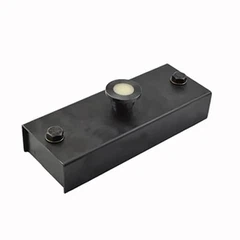
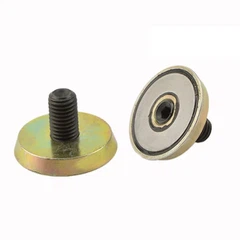
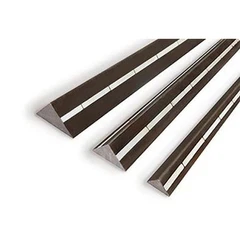
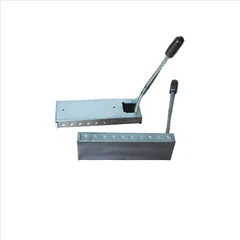


The interesting technology of suspended magnets, also known as overhead magnets, effectively separates and removes ferrous contaminants from various industrial processes. These magnetic wonders are essential for improving productivity, safety, and environmental sustainability in various industries, including mining, recycling, food processing, and waste management.
In this essay, we set out to decipher the secrets of suspended magnets, exploring their inner workings, many uses, and the numerous advantages they provide. We will look at how they work fundamentally, the many available kinds, and the sectors that depend on their magnetic strength.
This article aims to serve as a comprehensive guide to understanding the incredible world of suspended magnets and how they have revolutionized various sectors, whether you are a curious reader seeking to understand the fundamentals of suspended magnets or an industry professional looking to enhance your knowledge. So, let's go on this magnetic adventure and explore the mysteries of hanging magnetic plates.

How Suspended Magnets Work?
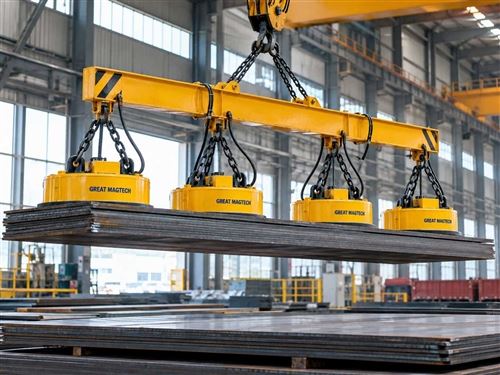
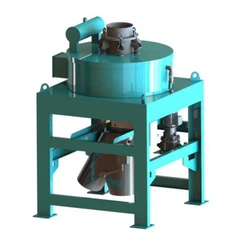
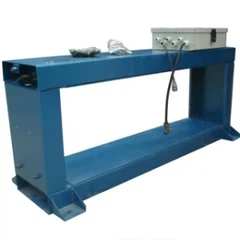
Based on the fundamentals of magnetism, suspended magnetic separators draw and separate ferrous materials from bulk materials using magnetic fields. These clever machines have strong magnets positioned above conveyor belts or chutes, usually electromagnets or permanent magnets. The magnetic force works when materials containing ferrous metals pass below the suspended magnet, successfully separating and collecting the ferrous impurities from the non-magnetic materials.
The following are the essential elements of suspended magnets' operation:
1. Magnetic Principles: The magnetic force, a phenomenon in which certain materials have magnetic characteristics and may either attract or repel other magnetic materials, is at the heart of suspended magnets. Because they are naturally magnetic, ferrous metals like iron and steel respond to magnetic fields.
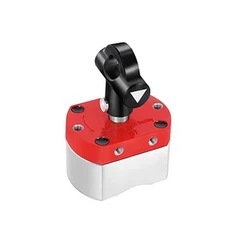
2. Electromagnets vs. Permanent Magnets: Electromagnets and permanent magnets are the primary categories of suspended magnets. Electromagnets are produced by running an electric current through a coil of wire, which produces a magnetic field. An electromagnet's magnetic field may be modified by adjusting the electric current. However, unlike temporary magnets, they can maintain their magnetic properties independently, as their name suggests. Each kind has benefits, and the one picked depends on the application's demands.
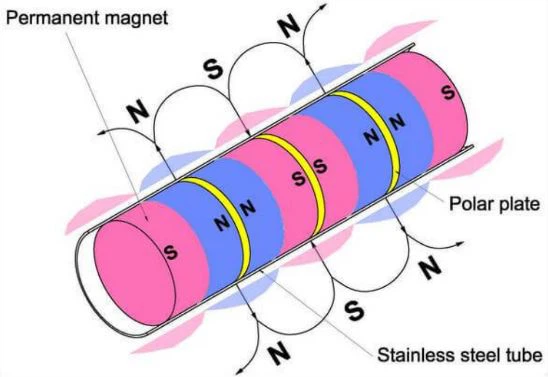
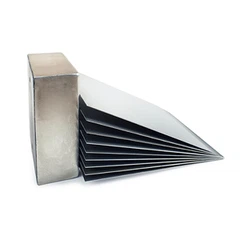
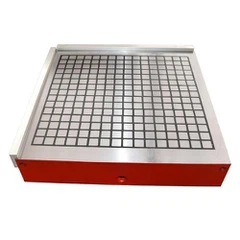
3. Magnetic Circuit and Flux Pattern: A hung magnet's magnetic circuit is meticulously constructed to achieve optimum magnetic effectiveness. It contains elements such as the yoke, the pole shoes, and the magnetic plate assembly. The magnetic field's flux pattern concentrates at the magnet's base, generating a "magnetic zone" with the greatest attractive force.
4. Material Separation: The ferrous materials in the bulk material enter the magnetic zone when the conveyor belt or material chute travels under the hung magnet. The magnetic force draws the ferrous pollutants to the non-magnetic materials, which also lifts them up and away from them. This separation is crucial in businesses where preserving product purity and preventing contamination are crucial.
5. Discharge Mechanism: To avoid re-contamination, the ferrous items that the hung magnet has caught must be effectively removed. The ferrous materials may be released automatically or manually, depending on the design. While manual discharge systems require stopping the conveyor to remove the pollutants, automatic discharge systems use devices like self-cleaning belts.
6. Application Flexibility: Due to their extreme flexibility, suspended magnets may be deployed in various locations to suit diverse industrial applications. They may be used to meet the unique requirements of mining, recycling, food processing, and other sectors. They can be put above conveyor belts, chutes, or at the discharge end of conveyor systems.
Types of Suspended Magnets
Permanent Suspended Magnets
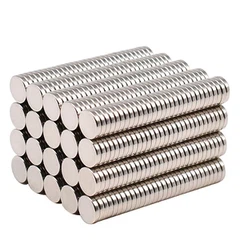
As the name implies, permanent suspended magnets are made up of magnets that can operate independently of an external power source. High-strength rare-earth magnets, such as neodymium, which have extraordinary magnetic characteristics, are used to make these magnets.
Electromagnetic Suspended Magnets
On the other hand, electromagnetic suspended magnets use an electric current passing through a coil of wire to produce a magnetic field. Operators have control over the magnetic force thanks to the ability to switch on and off these magnetic separators.
Overhead Suspended Magnets
As they are frequently positioned above conveyor belts or material chutes, the term "overhead suspended magnets" refers to their installation location. These magnets, whether permanent or electromagnetic, have several benefits and are used in many sectors.

Applications of Suspended Magnets
In various sectors, suspended magnets are used in various applications where their magnetic strength enhances productivity, safety, and product quality. Let's look at some of the major scenarios where hung magnets are essential:
Mining and Quarrying
Suspended magnets are essential in the mining and quarrying sectors for removing metal and mineral impurities from bulk materials. Suspended magnets draw and remove ferrous impurities like iron and steel as raw materials like coal, limestone, and ore travel over conveyor belts, protecting downstream machinery from possible harm. Suspended magnets increase the productivity of mining and quarrying operations while reducing maintenance and downtime by guaranteeing the cleanliness of the delivered material.
Recycling
Recycling plants use suspended magnets to separate ferrous elements from mixed waste streams. Magnetic impurities are quickly removed as recyclable materials, such as shredded metal, plastic, glass, and electronic trash, pass under the hung magnet, producing cleaner and higher-grade recyclable materials. This increases the value of recycled goods while preserving priceless resources and easing the burden on landfills.
Construction and Demolition
Countless garbage, including concrete, brick, and metal debris, is produced at construction and demolition sites. In these conditions, suspended magnets are essential for efficiently extracting ferrous debris from the rubble, such as nails and screws. This procedure ensures a safer and more efficient building and demolition process by shielding downstream equipment, such as crushers and conveyors, from possible damage caused by metal pieces.
Waste Management
Suspended magnets are essential in waste management facilities for sorting and separating ferrous debris from streams of mixed solid waste. These magnets aid in recycling activities and support more sustainable waste management techniques by removing metals like iron and steel. Trash disposal has a less negative environmental effect when ferrous trash is separated from other types of garbage.

Food Processing
Product purity and safety are of vital significance to the food processing sector. Spontaneous magnets are essential for food manufacturing to find and eliminate ferrous impurities like metal shards from equipment or packaging. Suspended magnets assist in retaining the integrity of food items and complying with strict food safety laws by removing possible dangers and protecting the health and trust of consumers.
Benefits of Using Suspended Magnets
The many benefits suspended magnets provide for various sectors make them essential instruments for effective magnetic separation. Let's examine a few of the main advantages of using hung magnets:
Increased Efficiency and Productivity
A major advantage of using hanging magnets is the considerable improvement in productivity and efficiency. Suspended magnets provide uninterrupted operation of downstream machinery, including crushers, mills, and conveyor belts, by quickly and constantly eliminating ferrous impurities from bulk materials. Metal debris removal minimizes downtime and maintenance needs by preventing blockage and damage to equipment. Higher production rates result from increased operational efficiency, allowing industries to reach their output objectives more successfully.
Cost Savings and Reduced Downtime
Multiple ways that suspended magnets save costs. First, they save companies money on maintenance and repairs since they may avoid equipment damage and minimize downtime. Suspended magnets increase the lifetime of machinery and maximize return on investment by reducing equipment failures brought on by metal impurities. Permanent magnets' energy-efficient design also reduces power use, resulting in cost savings.

Enhancing Workplace Safety and Environment
The use of hung magnets significantly improves workplace security for workers in a variety of sectors. Accident and injury risk is considerably decreased by successfully eliminating ferrous elements from industrial processes. Metal pieces caught in equipment or hurt people while being handled and processed are no longer a threat to workers.
Furthermore, by removing metal fragments from delivered materials, hung magnets help to create a safer and cleaner working environment. This ensures greater product quality and customer satisfaction while protecting workers from any flaws that might result from metal contamination.
Sustainable Practices and Environmental Impact
In several businesses, suspended magnets are essential for promoting sustainable practices. They help recycling operations isolate valuable ferrous metals from mixed waste streams, boosting recycling activities' effectiveness and preserving precious resources. Suspended magnets help with trash reduction and a more sustainable approach to waste management by lowering the quantity of garbage headed for landfills.
Due to their energy-efficient construction, hung plate magnets are also a green option, particularly when permanent magnetic plates are used. Reduced energy use results in a smaller carbon footprint and less environmental resource demand. Industries can show their commitment to environmental responsibility and help create a cleaner future by adding suspended plate magnets into their operations.
Conclusion
In summary, hanging magnetic plates are strong, versatile equipment that has transformed several sectors. Numerous advantages come from their magnetic properties, including higher productivity, lower costs, and less downtime. They safeguard downstream equipment, improve worker safety, and guarantee product purity by quickly eliminating ferrous impurities. Additionally, its environmentally friendly design encourages sustainability and environmental stewardship. Suspended magnets have the potential to provide a cleaner, safer, and more efficient future for industrial processes as they develop and find new uses.