










Science and technology have always mesmerized us while making our lives easier. There are numerous innovations, small and big - each serving a unique purpose. That said, an amazing technology process is magnetic filtration. This deals with cleaning liquids and semi-liquids by removing the ferrous impurities using magnetic fields.
There are specific devices - magnetic filter rods - that make this process possible and simple. This article delves into magnetic filter rods, the purposes served by the rod, specifications, applications, and more.
Let’s get started.

Magnetic Filtration - Explained
Magnetic Filtration refers to the process of removing iron particles from products in liquid or semi-liquid form using strong magnets. Special devices known as magnetic filters are used to effectively clean and remove the particles. The best aspect is that these filters are themselves easy-to-use, can be cleaned well, and are reusable.
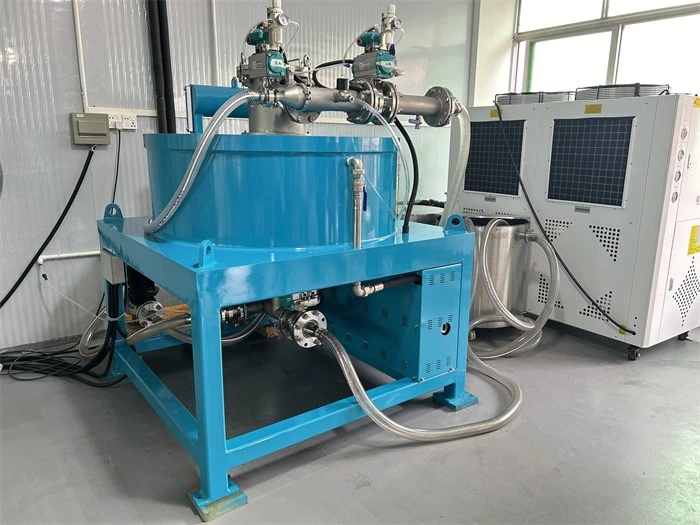
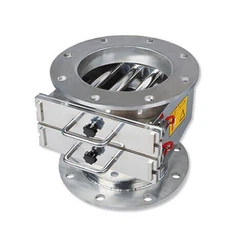
Let’s understand how magnetic filters work. It works in a very simple manner. A magnetic filter consists of a strong, high-intensity magnet. The process involves placing the filter along the path of the liquid or semi-liquid substance.
Next, the powerful magnets in the filter are directed in a way that the flow of the liquid falls in the direction of the magnetic field generated by the magnets. This lets the iron particles stick to the magnet and are thus separated. The filters can then be cleaned and reused.
Magnetic filters offer multiple advantages. Some of these include
Eco-friendly: Magnetic filters are highly environment-friendly as they not only separate the iron particles but also manage the disposal. You don’t need a separate area to dump the waste (i.e. the ferrous particles) as everything is taken care of by the magnet.
Disposal costs: For handling ferrous waste, you don’t need anything except magnetic filters. Therefore, it cuts down disposal costs.
Maintenance costs: The maintenance cost is also not much as magnetic filters are easy to clean and reusable. No additional costs need to be incurred.
What is a Magnetic Filter Rod?
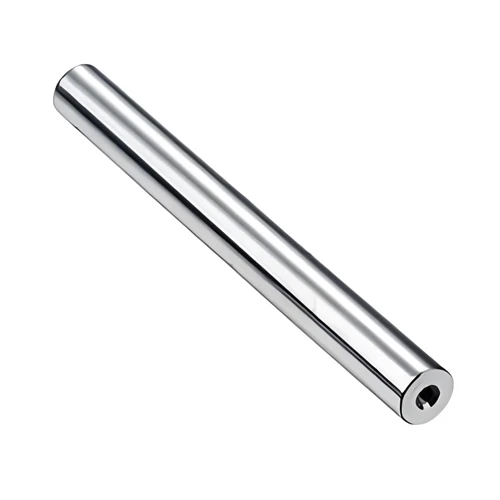
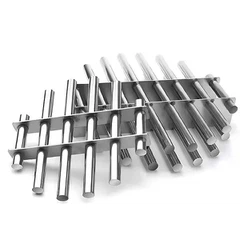
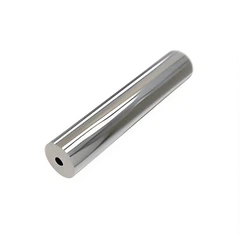
Magnetic filter rods, also known as magnetic rods, bars, and tube magnets, are efficient devices that focus on creating a strong magnetic field when placed along the flow of a liquid. Primarily used for oil and coolants, these rods separate the iron impurities by leveraging the magnetic field attraction.
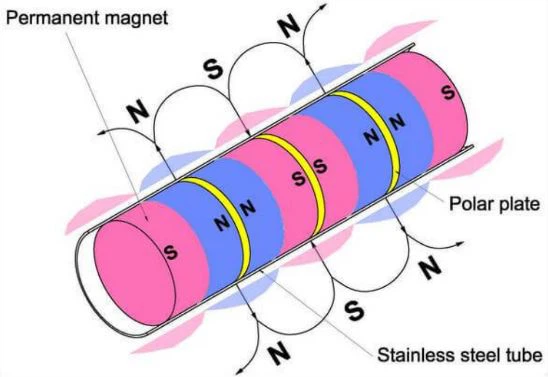
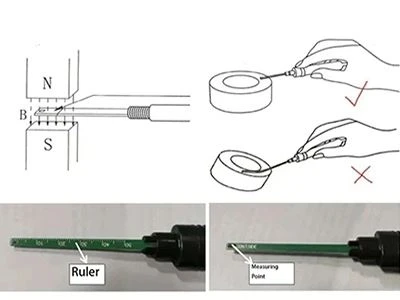
A magnetic filter rod consists of an inner magnetic core and an outer cover. The magnetic core includes a magnetic block and a conductive magnetic layer. The rod’s magnetic flux density can be adjusted by using conductive sheets of varying thickness.
These magnetic rods offer several benefits and serve multiple purposes. They use different categories of magnets depending on the kind of ferrous impurities to be extracted. Some commonly used are
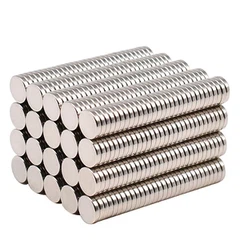
Neodymium Magnet: These are magnets with a neodymium core that offer almost five times the high-intensity magnetic field but can be operated only in the temperature range of 80 Â ℃ and 120 Â ℃.
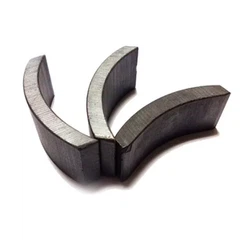
Ferrite Magnets: Ferrite magnetic cores are also helpful in magnetic filtration, especially for requirements where the operation temperatures are much higher, say above 150 Â ℃.
Table: Various types of magnets used in filters with features and suitability
Type of Magnet | Features | Suitability |
Neodymium-Iron-Boron | Strongest of all magnets known | All conditions |
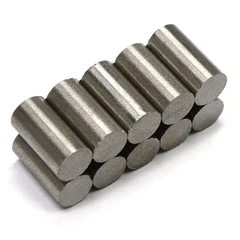
Samarium Cobalt | Fragile, Difficult to manufacture | Suitable for high-temperature corrosion-resistant |
Ferrite/Ceramic | Mostly made of Barium or Strontium Ferrite, Low strength | Cost-effective |
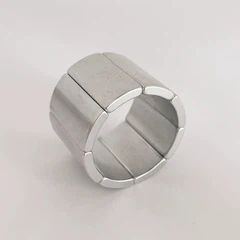
Aluminium-Nickel-Cobalt | Good machinability, Sensitive to demagnetization | Highly precautionary conditions as it easily gets destroyed if not stored properly |
Both these magnetic filters offer easier cleaning and reusability options. These magnetic filter rods have threaded holes at either end that allow them to be fixed and attached.
What are the essential purposes served by a Magnetic Filter Rod?
Magnetic filter rods work on the principle of using magnetic fields to bring out the ferrous impurities in the products like oil, sugar, etc. The iron dust comes in contact with the magnetic rod due to the strong pull of the magnetic field.
Let’s understand some of the primary purposes that the magnetic filter rod serves.
• Magnetic filter rods or tubes allow you to separate iron particles or impurities from various substances like oil, grains, plastic, and others with less moisture. This plays a significant role in protecting your products and items from spoilage and helps in their proper storage until they are sold to customers.
• Magnetic rods reduce the risk of oil getting oxidized. It is a known fact that iron particles serve as a crucial catalyst and enhance oil’s oxidation tendencies. This in turn results in premature oil oxidation leading to corrosion. In other words, if magnetic rods are periodically used to cleanse oil, the iron impurities get removed thereby improving the life of the oil.
• Tube magnets and rods can be inspected visually daily without needing to take them out of the filter. Additionally, it is possible to gauge their performance while the machine is in operation. Therefore, they help in removing the impurities and monitoring the condition as well.
• Magnetic rods obviate the need for oil to be in flow, which is required in the case of conventional filters. Traditional filters call for oil flow and pump without which they cannot reduce the wear and tear or enhance the life of the oil. In contrast, tube magnets just need the oil to be agitated and move in a reservoir, which results in the particles being transported to the surface of the magnetic separator.
• Tube magnets help in gravity flow drain lines wherein oil moves down to the tank through drain lines due to gravity. As oil pressure is low, it becomes difficult to locate the ideal filtration on these drains to spot the wear debris before it enters the tank. With magnetic filter rods, the flow is not restricted allowing the particles to be directly removed through oil drains.

Specifications, Design, and Operation Temperature
Specifications
Magnetic rods come in varying sizes, dimensions, and shapes. Depending on their application such as the industry they cater to or the type of product where they are to be applied, the appropriate rods must be selected. Usually, the magnetic filter rods are available in sizes of 10mm, 25mm, and 50mm in diameter.
The length of the magnetic rod could range from a few inches to several feet based on the requirements.
Concerning shape, these rods are generally round, square, or rectangular. Again, the choice of the tube magnet based on the shape and size is governed by the purpose they are intended for.
While these details pertain to the magnetic rods, for the magnets themselves you need to take into account two major factors. These are the size of the ferrous impurities to be captured and the speed of the flow of the liquid substance.
Design
To design the magnetic rod, different diameters corresponding to the relevant maximum specific Gaussian value need to be selected.
Additionally, for length, the rod can be customized to any length based on the requirement.
Operation Temperature
For your magnetic rod to function effectively, besides the size, shape, and design aspects, the temperature at which they operate is also equally significant. Different companies offer rods capable of working at varied temperature ranges that serve diverse requirements. It’s imperative that you discuss your needs clearly and then arrive at the ideal choice taking into consideration the relevant temperature conditions.
Applications of Magnetic Filter Rod
Magnetic filtration revolves around the concept of attracting the ferrous particles in a liquid like oil using the power of a magnetic field. Magnetic filter rods are placed in the direction of the flow of the fluid permanently. The rod is placed in a way that the fluid moves around it and so closely that each iron particle comes in contact with the rod and sticks to it.
There are various applications and advantages of magnetic filter rods.
While a magnetic rod is used to cleanse various liquids, there are certain factors like the type of liquid, the ferrous particles, the temperature of operation, etc. affecting its selection. Some of the applications of tube magnets are found in various industries.
Besides removing the ferrous contaminants from liquid and semi-liquid substances, they are widely used in environment protection, chemical industries, building materials, ceramics, plastics, pharmaceuticals, power generation, coal, and others.

Points to keep in mind while buying a magnetic filter rod/tubes
Most tube magnets are made of 304 or 316 stainless steel tubes or permanent magnets. The price varies directly to the surface gauss of the tube. Of all types, permanent magnets are the most expensive. Some manufacturers sell poor-quality magnets at discounted prices.
Second Grade Magnets
These refer to magnets with 3-10mm thickness which are high-performing magnets but sold by manufacturers at low prices. As these magnets don’t have reliable sources, you can’t be assured that the next batch you purchase would be of the same level of quality.
Fractured Magnets
Some manufacturers use fractured or deformed magnets that create an uneven surface Gauss. This highly impacts efficiency. They seal these magnets in the tubes and this makes it difficult to detect from the outer appearance.
Thinner stainless steel tubes
While the SS304 and SS316 are the popular and durable stainless steel tubes used to build magnetic filter rods, some manufacturers use tubes of much lesser thickness. The reduced thickness adversely impacts the life of the stainless steel tubes, in turn affecting the magnetic rods.
Conclusion
Magnetic rods cater to various useful applications, the removal of ferrous impurities being the primary one. They come in different sizes and shapes and their suitability depends on the intended purpose. There are multiple varieties of magnets available - neodymium and ferrite, being the common types.
While tube magnets have various benefits and applications, it’s crucial to keep certain points in mind before making a buying decision. Make sure to buy from reliable manufacturers only.
For more information on magnetic filters, feel free to reach us here.