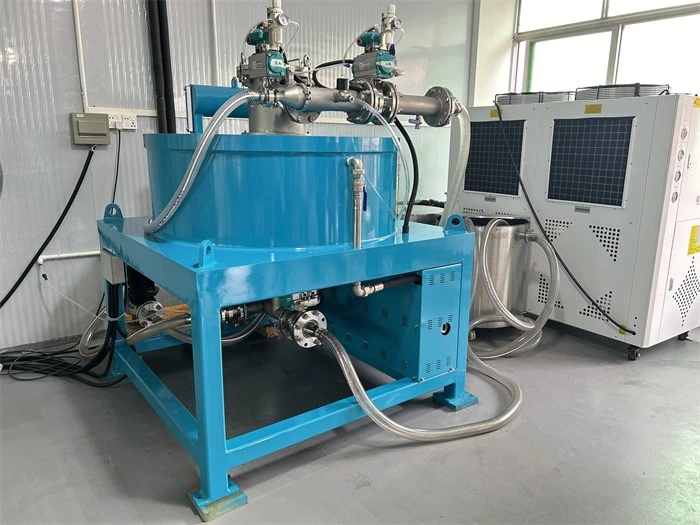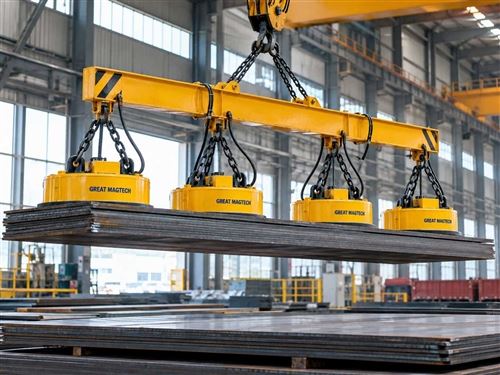
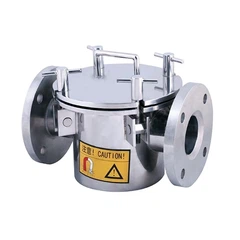
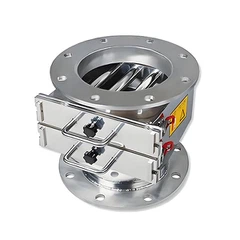
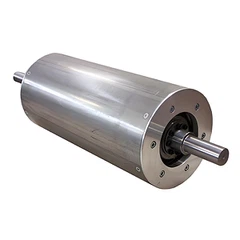
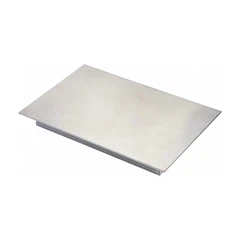
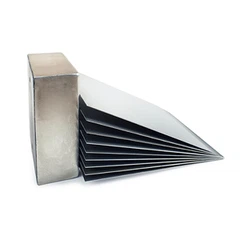
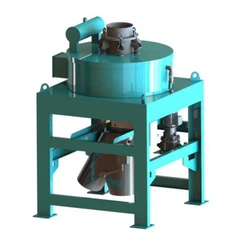


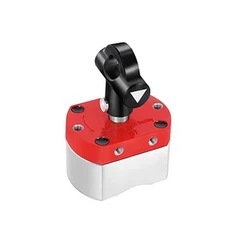

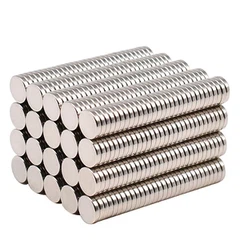
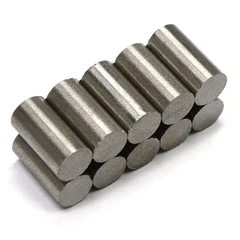
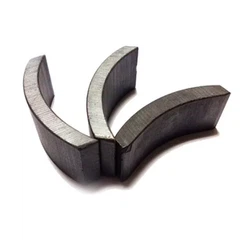
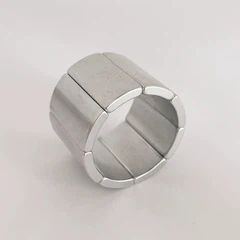

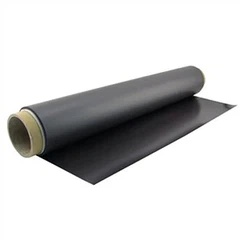
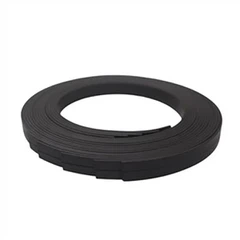




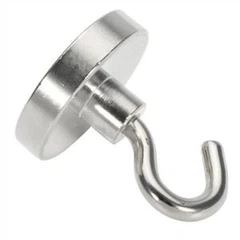
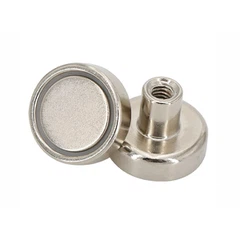
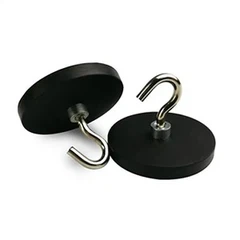
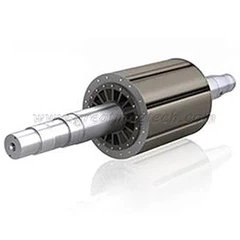



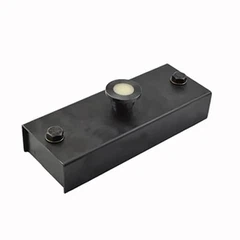
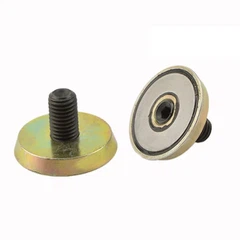

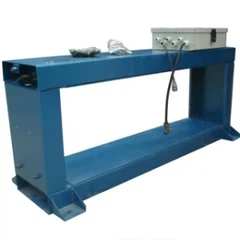
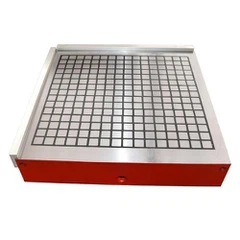
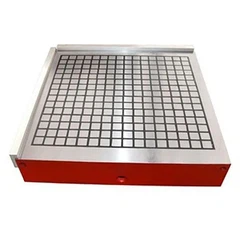
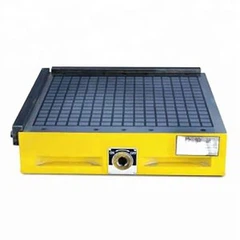
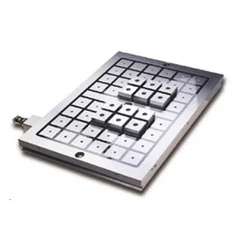


Magnetic separation might sound like a complex scientific idea, but you've probably seen it in action without realizing it. Any time a magnet pulls tiny metal particles out of a mixture, that's magnetic separation at work. If you've looked at industrial tools like the magnetic separators used in material handling, such as the ones shown on Great Magtech's magnetic separators page, you've already seen a real example. This simple method helps scientists study materials, test mixtures, and understand how different particles respond to a magnetic field.
Scientific Definition of Magnetic Separation
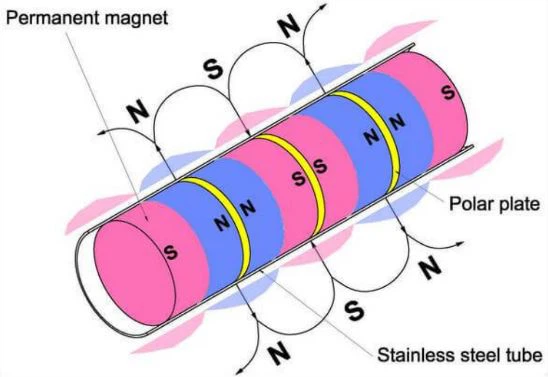
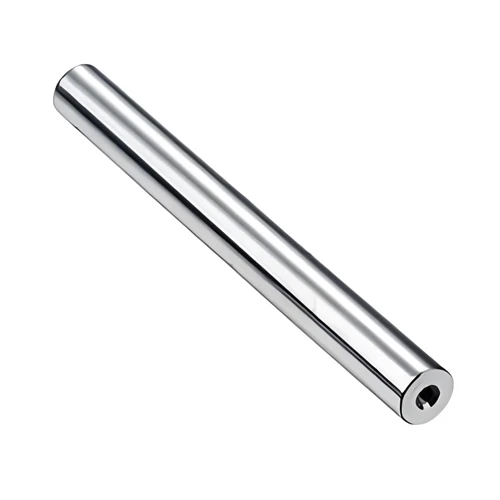
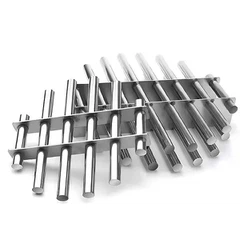
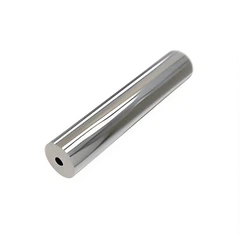
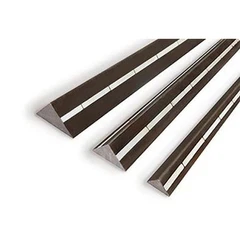
At its core, magnetic separation is a method for pulling one material away from another. It uses a magnet's force to do the work. Sometimes, this can be demonstrated using basic tools such as a magnetic bar or a magnetic grill, which show how different materials react to a magnetic field.
It's a physical method, not a chemical one, and it works because different materials respond differently to a magnetic force. Some particles are strongly attracted, some react only a little, and others don't react at all. When you place a mixture under a magnet, these differences become clear. Magnetic separation simply takes advantage of this behavior, allowing you to isolate the magnetic portion of a sample so it can be studied or removed.
How Magnetic Separation Works in Scientific Processes
Step 1 - Identifying Magnetic and Non-Magnetic Components
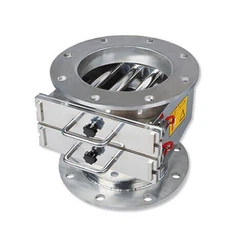
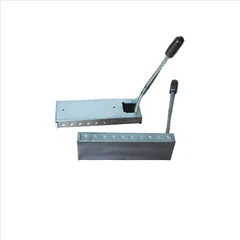
First, you need to know what's in your mix. Is there a clear difference? Some components must be magnetic, like certain metals, while others must not be, like plastic or glass. In larger setups, tools such as a drawer magnet help show this contrast clearly.
Step 2 - Applying a Magnetic Field to the Mixture
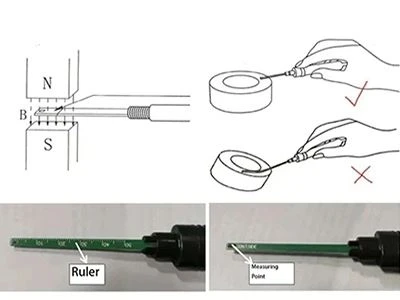
Once the mixture is ready, you expose it to a magnetic field. This creates the magnetic field, the invisible zone of force. This can be done with a simple magnet or a stronger setup, depending on the sample. At this stage, the magnetic particles begin to react, while the rest stay in place.
Step 3 - Magnetic Attraction and Physical Separation
As the field pulls on magnetic particles, you'll see them shift toward the magnet. The non-magnetic parts stay where they are. This difference in movement is what creates the actual separation between the two groups.
Step 4 - Collection and Recovery of Separated Materials
After the particles settle, you remove the magnetic portion from the magnet's surface. The remaining material can be collected separately. In the end, you're left with two clear groups, making the sample easier to study or use.
Types of Magnetic Separation
Not all separation jobs are the same. Scientists have developed different magnetic separation methods to handle different materials and challenges.
Low-Intensity vs High-Intensity Magnetic Separation
This comes down to the magnet's strength. A low-intensity magnet, like a standard fridge magnet, is strong enough to pull out obviously magnetic pieces, such as iron or steel.

But what about minerals that are only slightly magnetic? You need a more powerful force. High-intensity separation uses stronger magnets, often electromagnets, to pull these weakly magnetic materials from a mixture.
Dry vs Wet Magnetic Separation
Here, the difference is the medium. Dry separation is used when the material is in powder or solid form. Wet separation works with liquids or slurry mixtures. The choice depends on the sample's texture and how easily it moves under a magnetic field.

High-Gradient Magnetic Separation (HGMS)
This is a powerful twist on wet separation. Instead of just a smooth magnet, the magnetic field is directed through a matrix, like a steel wool filter. This creates incredibly strong local pulling forces, perfect for capturing very fine or faintly magnetic particles from a liquid.
Magnetic Bead Separation in Biotechnology
This is magnetic separation on a microscopic scale. In labs, tiny magnetic beads are used to capture cells, DNA, or proteins. When a magnet is placed beside the container, the particles move toward it, allowing you to separate the target material with high accuracy.
Scientific Applications of Magnetic Separation
Magnetic separation plays an important role in many scientific fields, and you'll see it used whenever researchers need to sort or clean a mixture.
In mining and geology, it's fundamental. Magnetic separation pulls valuable iron ore from crushed rock. It also helps in sorting other minerals and even in recycling, pulling ferrous metals from shredded cars or appliances.
In environmental science, magnetic separation is used to remove tiny metal particles from water or sediment. These metals may come from industrial waste or natural processes, and separating them helps researchers measure pollution levels more accurately.
In chemistry, some catalysts contain magnetic materials. After a reaction is finished, you can use a magnet to pull the catalyst out without losing the rest of the solution.
Biotechnology also relies on magnetic tools. By attaching magnetic beads to cells or DNA, you can pull specific targets out of a liquid sample with great precision. This method keeps the sample clean and reduces the steps needed for testing.
Industrial vs Scientific Magnetic Separation
Although magnetic separation follows the same basic idea in every setting, the way it's used in industry and in scientific research is very different. To help you see these differences more clearly, here's a simple side-by-side comparison.
|
Aspect |
Industrial Magnetic Separation |
Scientific Magnetic Separation |
|
Main Purpose |
Remove metal contaminants to protect equipment and keep products safe |
Study materials, isolate particles, and support experiments |
|
Typical Materials |
Powders, liquids, grains, recycled metals |
Minerals, cells, DNA, chemical mixtures |
|
Scale of Use |
Large volumes, continuous processing |
Small samples, controlled lab environments |
|
Tools and Equipment |
Magnetic bars, magnetic grills, drum magnets, sheet separators |
Magnetic bead racks, lab magnets, and high-gradient systems |
|
Magnetic Strength Needed |
Depends on product flow and contamination level |
Depends on particle size and the sensitivity of the experiments |
|
Precision Level |
Focused on efficiency and speed |
Focused on accuracy and clean separation |
|
Operator Goal |
Keep production stable and prevent equipment damage |
Understand samples or prepare them for testing |
Magnetic Separation vs Other Separation Methods
Different separation methods rely on different physical properties. This table helps you see how magnetic separation compares to other common techniques you might use in science.
|
Separation Method |
How It Works |
What It Separates |
Key Strength |
Main Limitation |
|
Magnetic Separation |
Uses a magnetic field to pull magnetic particles out of a mixture |
Magnetic or weakly magnetic materials |
Fast, clean, and selective |
Only works on materials that respond to magnets |
|
Filtration |
A filter blocks solid particles while letting liquid pass through |
Solid–liquid mixtures |
Simple and widely used |
Can't remove dissolved or non-solid particles |
|
Sieving |
A mesh screen separates particles by size |
Powders, grains, and solids |
Good for size grading |
Not useful for very fine or sticky materials |
|
Sedimentation |
Gravity causes heavier particles to settle at the bottom |
Suspensions with density differences |
Low cost and easy to observe |
Slow and less effective for tiny particles |
|
Centrifugation |
Spinning creates a force that pushes heavier particles outward |
Cells, fine solids, or mixed liquids |
Very effective for small samples |
Requires specialized equipment and high energy |
Advantages and Limitations of Magnetic Separation
Like any scientific method, magnetic separation has its strengths and its specific boundaries.
Key Advantages
Magnetic separation gives you a clean way to separate materials without changing the sample itself. It's quick, easy to repeat, and works well even when you're dealing with very small amounts of magnetic particles. You don't need chemicals or complicated tools, which makes it safer and more practical for everyday scientific work. It also helps you isolate the exact part of the mixture you want to study.
Major Limitations
The main challenge is that this method only works on materials that react to a magnetic field. If your sample contains particles with very weak magnetic properties, the separation may not be complete. Particle size can also affect the results; large clumps or uneven mixtures can make the process less accurate. In some cases, you may need stronger equipment or extra steps to get the result you want.
Future Outlook of Magnetic Separation Technology
Advances in High-Gradient Magnetic Systems
Future magnetic systems are becoming more precise, especially high-gradient setups. These tools create stronger and more focused magnetic fields, allowing you to separate extremely fine particles that were once too small to capture.
Nanomagnetic Materials and Emerging Applications
Researchers are also developing new nanomagnetic materials. These tiny particles respond quickly to magnetic fields and open the door to new uses in chemistry, biology, and materials science. They make it easier to target very specific components in a sample.
Automation and AI in Future Magnetic Separation
Process control will become smarter. Imagine systems that automatically adjust magnetic strength or flow rates in real-time, optimizing themselves for the specific mixture being processed to maximize purity and yield.
New Directions in Environmental and Biomedical Use
Magnetic separation is also moving into fields like water cleanup and medical testing. Scientists are using advanced magnetic tools to remove metals from polluted water and to isolate cells or proteins in a more efficient way.
Common Misconceptions About Magnetic Separation
One big misunderstanding is that it only works on obviously "magnetic" stuff like iron. In reality, advanced systems can pull out weakly magnetic minerals and materials you wouldn't expect. It's not an all-or-nothing tool.
Another is the fear that separated materials become permanently magnetized. For most substances, especially weakly magnetic ones, this isn't true. They don't retain the magnetism once the external field is gone.
People also sometimes think it's only for heavy industry. While it's crucial there, the same principle is at work in life-saving medical diagnostics and delicate laboratory research. The scale changes, but the science doesn't.
Conclusion
Magnetic separation may look simple, but it plays a big role in science. It helps you sort mixtures, study materials, and remove unwanted particles with accuracy. From classroom experiments to advanced laboratory work, the same basic idea stays the same: magnetic materials react, and non-magnetic ones don't.
As industries and research fields continue to grow, this method will stay important. If you ever need reliable tools or want to see how magnetic separation works in real equipment, companies like Great Magtech offer a wide range of magnetic products that follow the same scientific principles you've learned here.
FAQ
Q: Does temperature affect magnetic separation?
A: It can. Some materials lose part of their magnetic response when heated, which may change how well they separate. This is why scientists keep samples at stable temperatures during sensitive tests.
Q: Can magnetic separation help you check if a sample is mixed evenly?
A: Yes. When you bring a magnet close, uneven clusters of magnetic material become easy to spot. This helps you see if the mixture needs more stirring before testing.
Q: When should you choose a magnetic grill instead of a magnetic bar?
A: A magnetic grill is better when you're working with powders or granules. Its grid design increases the contact area, catching more magnetic particles than a single bar can.
Q: Why do magnetic sheet separators matter in handling metal samples?
A: They help you lift or separate stacked metal sheets without touching them. In science labs, this makes it easier to prepare materials for testing and reduces the chance of scratching or bending thin sheets.