










Introduction
At the moment, there is so much activity in the business-to-business marketplace, which means that business entities should embrace entity market solutions. The electricity generation and supply is an area of concern to businesses since they need a cheap, reliable, and clean source of energy. Consequently, knowledge and sales of magnet-based electricity generating systems will place a B2B seller in better standing in a highly saturated market.
One or you have likely heard about such types of energy as solar and wind, and maybe magnets. There is now electromagnetic induction, where one can generate electricity with magnets – an idea that was in the 19th century but will soon become a reality in this millennium, off-grid, mass industrialization. This article is especially educational for you; here, you will read about the ability to generate electricity with the help of magnets using this technology as a set of business opportunities for a B2B company.
1. Understanding the Basics: How Magnets Generate Electricity
1.1 What Is Electromagnetic Induction?
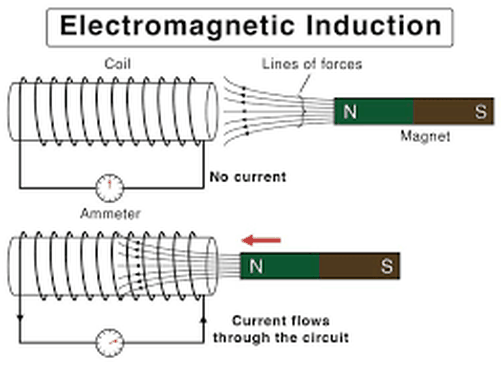
Behind magnet-based electricity and magnet electricity is a fundamental principle known as electromagnetic induction. Also known as electromagnetic induction, it was Faraday who came across this process in 1831 when he used it to produce electric current through the circulation of a conductor like copper wire through a magnetic field. When the conductor is relocated in relation to a magnetic field, the electrons are compelled to go in motion, hence establishing an electrical current.
1.2 The Role of Magnets in Power Generation
In generator systems, you will normally find two types of magnets included.
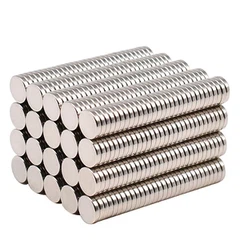
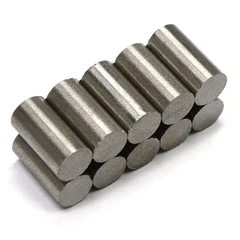
- Permanent magnets (like the ones created with neodymium) are durable, dependable, and the most commonly used in small- and medium-sized power generation stations.
- Electromagnets are used in large generators used in industries, but can only operate with the help of electricity passed through them.
When it comes to the B2B equipment solutions, the permanent magnets are a more popular option because of their ease of use and minimal maintenance.
1.3 Magnetic Fields and Conductors: The Interaction
To harness electricity, energy in the form of motion is required. Either the magnets are moving, or the coils are, and it will be much simpler to rotate the coils. This relative motion between a magnetic field and a conductor induces a voltage. For more electricity to be generated, either increase the number of movements or increase the mass of the magnets.
2. Components of a Magnetic Generator
For anyone involved in selling or constructing a magnetic generator, the following are the basic essentials to get along with.
2.1 Magnets

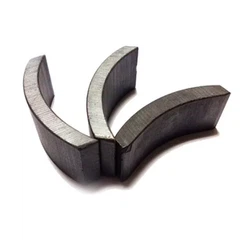
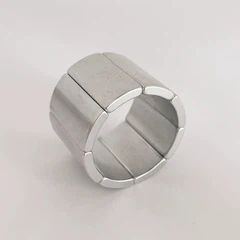
- NdFeB is commonly used due to its high magnetic force and strength, which are complemented by its steady ability to attract magnetic force.
- One of them is magnetic strength, which is measured in either gauss or tesla and is the ability to determine efficiency.
2.2 Coils of Wire
- Usually consists of small, round-section copper wires due to their good conductivity.
- Copper coil design, that is, the number of turns and wire gauge, influences the overall voltage and current that is produced.
2.3 Rotors and Stators
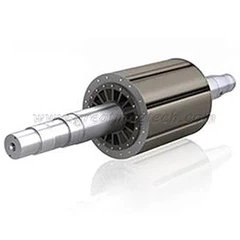
- Rotor: accommodates magnets and rotates while the surrounding stator only rotates in unison with the rotor, hence creating relative motion between the two.
- Stator: affords the armature coils whereby electricity is produced based on the motion of the rotor.
2.4 Rectifiers and Controllers
- Almost all generators generate AC, but most applications and devices commonly use DC, hence rectifying the AC generated.
- Rectifiers are used to convert AC to DC, while the controllers assist in controlling the voltage to ensure the supply is safe and efficient.
Step-by-Step Guide: How to Generate Electricity with Magnets
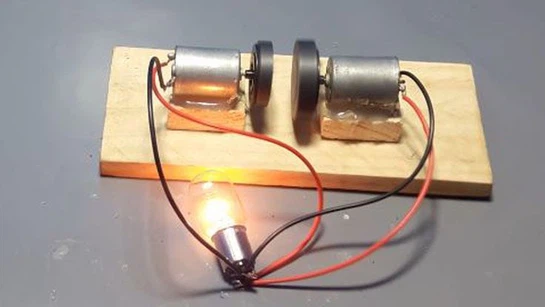
Using magnets to create electricity is workable, difficult, though it can be easily explained with the process of electromagnetic induction to generate a simple electrical generator. Here are the easy and detailed instructions on how you can follow to produce electricity using magnets.
3.1 Assemble the Materials
First of all, it is necessary to gather all the components required for your magnetic generator. Among the core materials, neodymium magnets can be singled out, which, due to their magnetic field density, are suitable for the generation of electricity. You will also use enameled copper wire to construct the coils, which are used to transfer electricity.
Every vehicle has a rotating shaft; The rotational movement is derived and can be made by hand, mechanically by wind turbines, water wheels, etc. For those who want to store energy in a battery or use DC in their circuits, such as LEDs, they require a device known as a rectifier to convert the generated current from alternating current (AC).
Other accessories like insulating tape and mounting brackets will be of great help in fixing these parts in the right position. Do not forget to make use of gloves and goggles to protect yourself from the strong magnets and electrical parts you will use.
3.2 Build the Rotor and Stator Setup
The next step in the construction of the core of the generator is to create the rotor and stator. Start by placing the neodymium magnets in equal distances from one another along the circular rotor. It is essential to place them in the correct manner so that there is a balance in between them as well as to minimize any influence of magnetic forces between the north and the south poles.
The north and south poles on the disks should be placed in such a manner that they alternate as the rotor turns in order to produce a changing magnetic field. The stator, which is composed of the coils of enameled copper wire, should be positioned best near the spinning magnets. They must bring about the magnetic field through the wire coils used while at the same time preventing the rotor from making contact with the stator, as this may lead to friction or damage.
3.3 Connect the Coils and Rectifier
After that, the rotor and stator should be installed, connecting the two ends of the copper wire coils either in series or parallel. The decisions depend on the required electrical output; that is, if the devices are connected in series, the voltage is increased, while the current is increased if the devices are connected in parallel.
When the coils are put in place, connect the output leads to a rectifier if a DC voltage is needed. The rectifier shall then change the AC from the motion of the rotor into a direct current, which can be used in batteries or any other electrical appliances.
3.4 Generate motion

With the setup now ready, it is necessary to design a way to create a continuous rotation of the rotor. This may be done using hand, in other words, by turning the shaft with our bare hands or using a mechanical system such as a wind energy system, which might involve using a windmill, a water-driven system such as a water wheel, or a pedal-powered system such as a bicycle. The key is to maintain a steady rotation speed, as consistent motion directly impacts the stability and efficiency of your power generation.
3.5 Collect and Store Electricity
Likewise, whilst the rotor continually revolves and causes an electric current through the stator coils, the rectifier will supply the electrical energy to the output part. From here, it is possible to connect the output terminals to batteries for charging to be used later or directly to small power appliances such as LED lights for direct use.
For instance, to assess the efficiency of the system, you will have to use the multimeter to measure the system voltage and current. This enables you to change such parameters, including the velocity of rotor rotation, the number of turns of the wire coil, or the location of the magnets, to improve the device's efficiency and power output.
4. Commercial Applications and Opportunities for B2B Sellers
This is the reason why, as a B2B seller, it is crucial to make magnetic power generation systems available where they will be most effective.
4.1 Off-Grid Energy Solutions
- Ideal for agricultural operations, remote telecom sites, and disaster recovery zones.
- One of the most beneficial factors of using magnetic generators is that they can generate a constant flow of power without requiring any form of refueling.
4.2 Backup Power Systems
- SMB is searching for solutions that are different from conventional backup generators.
- Magnetic generators, on the other hand, are very quiet, produce no emissions, and do not require frequent maintenance.
4.3 Renewable Energy Integration
- Integrate magnetic generators with solar and wind generators to form combined systems.
- Entice clients to supply a lot of flexibility in energy utilization and detachment from the utility.
4.4 Selling to Key Industries
Considering various industries like healthcare, manufacturing, and telecom sectors, there has been pressure on their energy consumption and costs. Your pitch should focus on:
- Lower operating costs
- Energy independence
- Contribution to sustainability goals
5. How to Market Magnetic Power Generation Solutions to B2B Clients
5.1 Enhancing Client Understanding Through Webinars
Helps to host informational webinars, workshops, and live on-site demonstrations to the clients. Overall, the prospects will invest in the technology the better they understand it.
5.2 Focus on ROI and Sustainability
It is a known fact that businesses are motivated by their self-interests and the concerns of corporate social responsibility (CSR). Explain how magnetic generators can produce both.
5.3 Leverage Industry Trends
The governments and large corporations are all interested in moving towards renewable energy. To a great extent, APC bottles can be positioned as a solution that assists clients in achieving regulatory/sustainability objectives.
5.4 Build Partnerships with Suppliers and Installers
Ensure you deal with the component suppliers as well as certified installers to be able to offer a turnkey solution. This means that the client should select one supplier and source all that they need from that particular supplier rather than seeking from different suppliers.
Conclusion
It is essential to realize how to produce electricity using magnets to harness the availability of another potential energy source. Hence, as a B2B seller, it could be important for your business to be in the power generation industry, selling magnet-based power generation systems since it can suit the needs of a client who wants a unique method of power generation.
This is the opportune moment to try out the renewable energy market with magnetic generator solutions. Educate your clients and save their money, find ways to bring positive change to the environment, and earn extra money for yourself.