










Electromagnetic vibration is the vibration caused by electromagnetic force in materials and systems. Various industrial applications use this phenomenon as a key technology that provides inventive approaches for product and operational efficiency. B2B sellers need complete knowledge of electromagnetic vibration to fulfill changing customer requirements that demand sophisticated technological solutions. A detailed grip of electromagnetic vibration principles, together with their applications, allows you to match your products with individual industry problems to build better client connections and improve company growth.
Electromagnetic Vibration Feeders
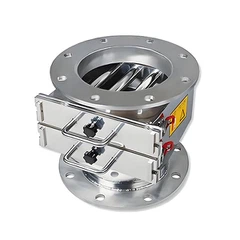
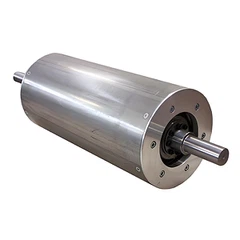
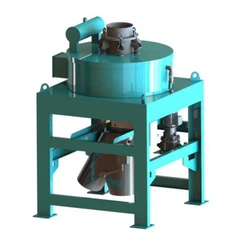
Industrial equipment known as electromagnetic vibration feeders generates vibrations through electromagnetic forces to control bulk material movement. These feeders execute material handling functions through sustained and adjustable feed controls, which yield enhanced process efficiency and superior results in various industrial operations.

Working Principle of Electromagnetic Vibration Feeders
Various industries use electromagnetic vibration feeders as vital equipment that prioritize precise bulk material transportation. The operating concept of electromagnetic vibration feeders consists of three components: electromagnetic drive systems, vibration transmission methods, and material transportation mechanics.
Electromagnetic Drive Mechanism

The electromagnetic coil generates an oscillating magnetic field because of alternating current (AC) power. The electromagnetic field produced by the flow of current makes the armature perform intense rapid vibrations. The feeder tray receives vibration stimulation that allows it to move constantly.
Vibration Transmission
Springs move the feeder tray vibrations from their generation point. The springs both enhance and regulate vibration amplitude to achieve smooth mechanisms that control material delivery. The device configuration directly influences system stability along with operational performance.
Material Movement
The feeder tray functions through material movements achieved by small hop motions that arise from vibration energy. The system controls material flow through adjustable frequency and amplitude operations of the vibration process.
Applications of Electromagnetic Vibration Feeders in Various Industries
The electromagnetic vibration feeder works in many different industries as it serves to both move bulk materials and regulate their flow through facilities. Each sector, including mining and pharmaceuticals, depends on electromagnetic feeders because of their efficient and precise material handling capabilities.
Mining and Metallurgy
The feeders deliver material transport services for ores with aggregates, which feed crusher screens and conveyors with uniform material streams. A harsh environment causes no problems for these devices because of their durability.
Food Processing
The precise flow control of electromagnetic feeders enables them to process grains along with nuts and many other forms of food products. The feeders maintain hygiene standards while providing simple cleaning features that make them necessary for food manufacturing operations.

Pharmaceuticals
These devices transport pharmaceutical powders and tiny components with precise accuracy to maintain quality processing operations while preventing material damage.
Automotive Industry
The automotive industry uses electromagnetic vibration feeders to construct precise elements including screws together with fasteners as well as necessary parts. These devices provide accurate and dependable service that improves automated manufacturing efficiency.
Chemical Processing
Electromagnetic feeders installed by chemical industries serve to transport chemical materials including tiny powders, granules, and bulk substances with high accuracy. These devices demonstrate excellence for applications that require controlled chemical processing because their material flow rates are adjustable.
Recycling & Waste Management
Electromagnetic feeders enable the effective separation along with transportation of plastics metals and electronic waste materials while enhancing recycling operations.
Construction and Cement Industry
Magnets in cement production facilities direct and divide limestone along with clay through the use of electromagnetic vibration feeders. These equipment have the necessary capabilities to operate with heavy-duty workloads which makes them essential in construction projects.
Glass and Ceramics Manufacturing
Glass and ceramics industries achieve controlled movements of sand along with feldspar and other compounds due to electromagnetic vibration feeders. The balanced distribution abilities of electromagnetic vibration feeders directly influence product quality as well as product consistency.
Benefits for B2B Sellers of Using Electromagnetic Vibration Feeders
Your market position strengthens through the addition of Electromagnetic Vibration Feeders to your product range because these advanced solutions solve contemporary industrial requirements. The feeder system works with precision material handling to enhance both industrial efficiency and business productivity across diverse markets.
Enhanced Product Offerings
A business that implements Electromagnetic Vibration Feeders can produce advanced technological and superior competitive products.
Regenerative Shock Absorbers: Through the use of mechanical vibrations this technology produces electrical energy which leads to improved operational effectiveness.
Vibration-Powered Generators: Vibration-Powered Generators operate like Electromagnetic Vibration Feeders through vibration conversion to electricity production suitable for electric and hybrid vehicles.
Electromagnetic Vibration's Mechanism
Through the joint operation of magnetic fields with current, we obtain mechanical movement in electromagnetic vibration. This phenomenon serves technical products such as sensors and motors as well as energy-harvesting systems. Scientific investigations into these vibrations will help manage machines better to reach maximum operational efficiency and quieter operations and improved efficiency. The paper provides an in-depth analysis ofthe basic components and operational methods behind this phenomenon.
Electromagnetic Forces and Vibrations
Two mechanisms enable materials and components to experience electromagnetic-caused vibrations through magnetic induction and electromotive forces. A mobile conductor within a magnetic field produces flux variations which activate circular electric currents generally recognized as eddy currents. The material starts vibrating because eddy currents that these fields create result in Lorentz forces acting on it.
Key Mechanisms
Magnetostriction: Magnetostriction occurs when magnetic fields produce dimensional changes along with shape modifications inside selected ferromagnetic materials known as magnetostriction. Material vibration occurs because the elastic property of magnetostriction creates internal stresses within the material body.
Lorentz Force: Conducting wires carrying electric currents through magnetic fields receive acting Lorentz forces due to the phenomena. Magnetic forces produce mechanical vibration in conductors under two circumstances involving alternating currents through conductors and conductor movement within magnetic fields.
How Does Electromagnetic Vibration Work?
Electrical currents that encounter magnetic fields produce electromagnetic vibration leading to oscillator motion. Different technologies depend on this phenomenon for a wide range of operations spanning from energy-gathering procedures to industrial machine applications. The upcoming explanation describes its operational mechanism.

Generating a Magnetic Field
The physical law taught by Ampere demonstrates that electrical current transmitted through a conductor generates magnetic fields that encircle the conductor. Nearby magnetic materials will react to the field through a combination of movements and vibrations depending on their nature.
Interaction with Magnetic Materials
The electric current-generated magnetic forces cause iron and similar magnetic materials to activate. The movement of materials occurs due to the directionally oriented magnetic field which causes vibration or material displacement while also enabling collation processes.
Electromotive Force (EMF) and Induction
A closed circuit produces an electromotive force through EMF by changing its magnetic flux by Faraday's Law of Induction. The principle functions as an operational basis in power generation systems operated by Washington while also adjusting electrical currents depending on mechanical operations.
Resonance and Vibration Amplification
During resonance an object reaches increased natural frequency when electromagnetic forces exactly harmonize with its electromagnetic frequencies. Engineers establish designs for vibration-control systems together with energy-efficient systems by assessing electromagnetic force relationships with the natural frequencies of objects.
Energy Harvesting Potential
Modern technology enables the conversion of electromagnetic vibrations into electricity that human beings can use. Vibration-powered generators use magnets to operate coils for electric power generation from mechanical motion.
Various Manufacturing Plants Reach Their Objectives Through Electromagnetic Vibration Systems

Different industries need electromagnetic vibration technology for its fundamental role that includes machine advancement and noise reduction as well as longer operational life productivity.
Electric Machines
Electric machines generate electromagnetic vibrations because of pulse-width modulation (PWM) and slotting effects and magnetic forces. The phenomenon creates sound emissions that causes simultaneously worsens machine wear and decreases operational efficiency. The combination of optimized slot design features with damping elements represents a suitable solution to tackle these issues.
Flow Control Systems
The oil and gas sectors together with the automotive industries and healthcare facilities rely on electromagnetic actuators for their flow control systems to enhance operational functionality. Through these systems operators achieve better energy efficiency with reliable and stable operation at reduced maintenance expenses and operational costs.
Implications for Product Development
Controlling electromagnetic vibrations leads to longer operating durations while improving product precision in manufacturing operation. Active Vibration Control sensors together with Magnetic Bearings boost reliability of high-performance technology systems that prioritize accuracy along with minimal disturbance performance.
Medical Devices
The medical field leverages electromagnetic vibration in various diagnostic and therapeutic devices. How MRI machines operate depends on the generation of high-resolution imaging combined with electromagnetic control. Medical procedures achieve better accuracy through ultrasonic surgical tools which link precision vibrations to scanning equipment to boost operational performance.
Conclusion
Industrial development through electromagnetic vibration technology enables the achievement of operational enhancements with exact techniques while maximizing energy efficiency. B2B sellers gain market leadership through Electromagnetic Vibration Feeders which minimize interruptions with increased production flow in mining operations and food production along with pharmaceutical businesses. These components incorporate adjustable feeding systems that establish them as basic elements of progressive modern industrial production. Through technology adoption, users attain two advantages: an improved market position as well as the ability to attract clients seeking revolutionary high-performance solutions.