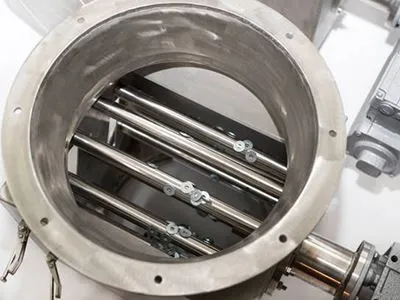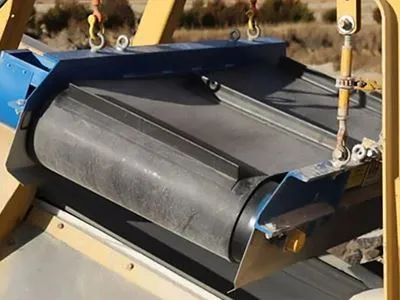
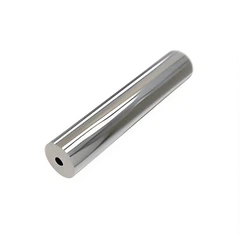
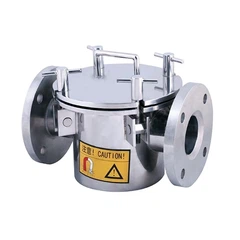
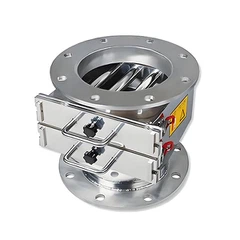
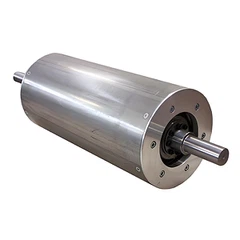

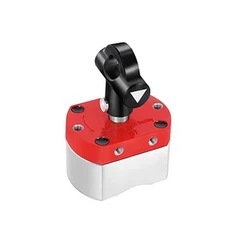

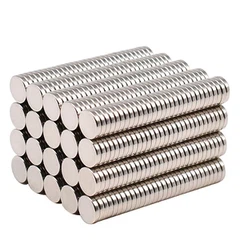
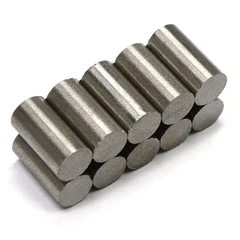
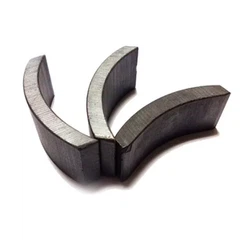
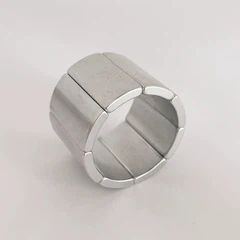
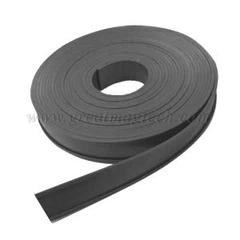
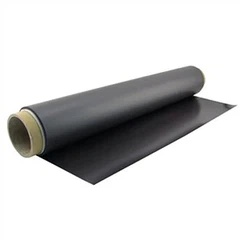
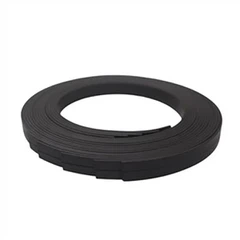



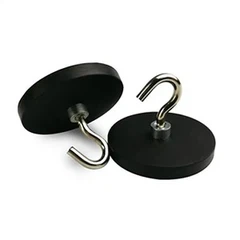


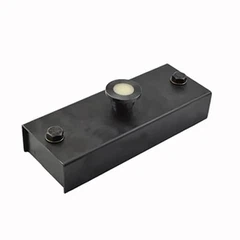

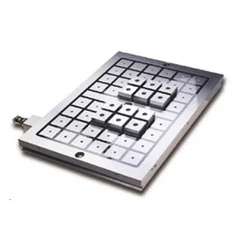


Industrial magnets come in a wide variety of types, shapes, sizes, and strengths. They are used in a wide variety of different industries for equally different purposes.
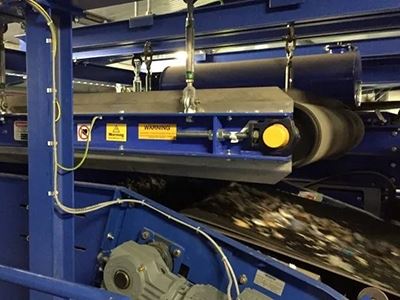
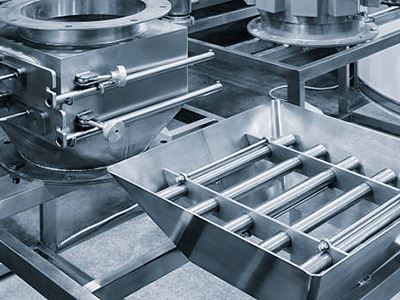
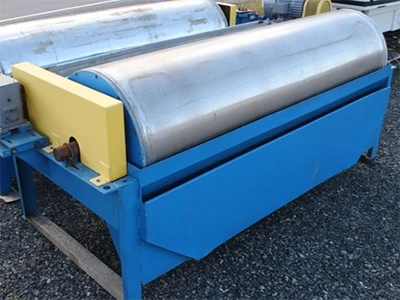
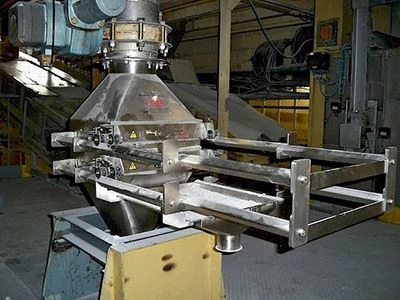
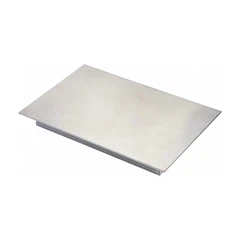
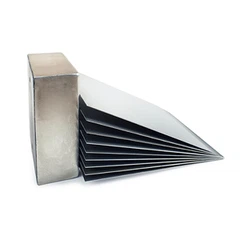
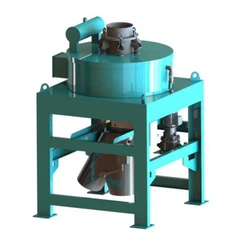
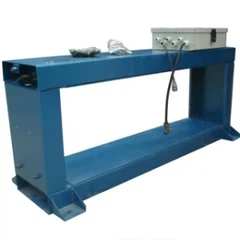
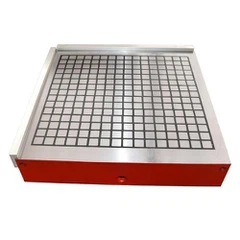
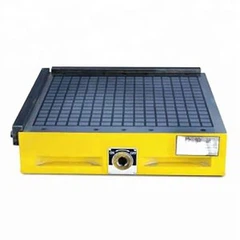
The special use of industrial magnets depends on special requirements. Cranes may use industrial magnets to carry goods. Some commonly used industrial magnets include permanent magnets, electromagnets, ferrites, samarium,rubber magnets, sheet magnets, and neodymium electromagnets used to convert electrical energy to mechanical energy in electric motors, automotive, electronics, plastics, glass and ceramics, shipping, Industries such as construction, mining, food, and pharmaceuticals often use industrial magnets. They use magnets to facilitate production and generate electricity. Magnets are also used to implement industrial safeguards Magnets can be used in conveyors, sheets, assemblies, separators, magnetized pulleys, pipe grids, chutes, and cranes. Magnets are used to separate non-ferrous impurities from non-ferrous metals.
In the mining industry, magnets separate metals from ores. In the food and pharmaceutical industries, magnets pick out iron particles that are inadvertently mixed with food or medicine. Magnetic scanners at airports, docks, and construction sites collect any scrap iron that could endanger traffic or puncture tires. By detecting these iron filings before they cause any harm, they can avoid repair bills.
Industrial magnets can lift, hold, transport, stack, and unload heavy objects. This is very useful in construction, transportation, transportation and transportation, manufacturing, and mining. Magnets are also used in salvage operations, helping to dred large items from the seafloor.
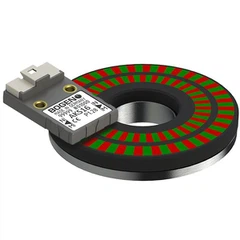
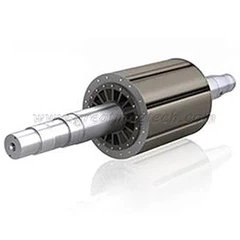
Permanent magnets and electromagnets are used in combination with electric motors to convert electrical energy into mechanical energy. Generators also use the same combination to convert mechanical energy into electrical energy. Electronic products such as TVs, radios, CRT computer monitors, guitars, speakers, and speakers all have magnets. Speakers, speakers, and maglev trains use magnets.
All forms of maglev trains are maglev. The magnets on the bottom of the train and on the track repel each other. Because of this repulsive force, these trains actually float or levitate above the track. This reduces friction and increases train speeds, and first introduced in Japan in 1997, it can reach speeds of up to 480 kilometers per hour.