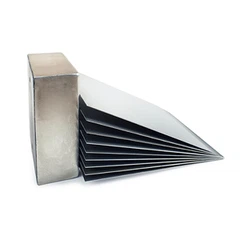

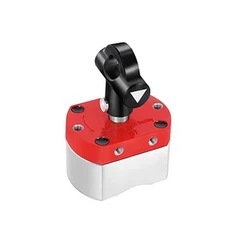


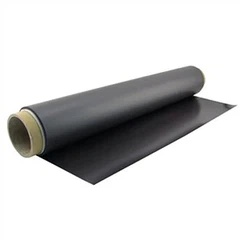
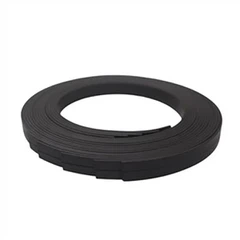

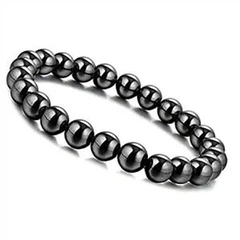





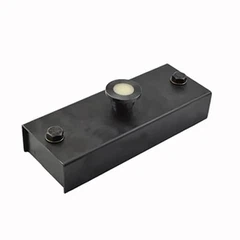
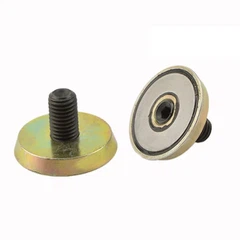
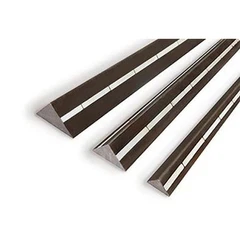
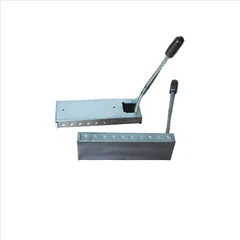


Ferrite magnets are permanent magnets mainly made of SrO or BaO and Fe2O3. They are one of the most widely used permanent magnet materials in industrial production today. If you work in manufacturing, electronics, or motor applications, you will likely encounter ferrite magnets in everyday equipment. Compared with other permanent magnets, ferrite magnets are hard and brittle, with lower magnetic energy. However, they are stable, resistant to corrosion, and not easy to demagnetize under normal operating conditions.
The production process is relatively simple, and the cost is low. Because of this balance between performance and price, ferrite magnets continue to play an important role in large-scale industrial applications where reliability and cost control matter.
What Are Ferrite Magnets
Ferrite magnets, also known as ceramic magnets, are a type of permanent magnet widely used in industrial and electronic applications. Commonly used in loudspeakers, audio equipment, and other instruments.
Ferrite magnets are made from iron oxide combined with barium or strontium compounds and are formed through a high-temperature sintering process. Their surface magnetic flux density typically falls within a moderate range, depending on magnet grade and size.

Although their magnetic strength is lower than that of rare earth magnets, ferrite magnets provide stable performance, strong resistance to corrosion, and cost efficiency. This makes them suitable for large-scale industrial production where reliability and budget control are important.
What Are Ferrite Magnets Made Of?
Ferrite magnets are sintered permanent magnetic materials composed of barium or strontium iron oxide. They are mainly made from iron oxide (Fe₂O₃) combined with either barium oxide (BaO) or strontium oxide (SrO). These raw materials are mixed, pressed into shape, and then heated at high temperatures through a sintering process to form a hard ceramic magnet. Unlike metallic magnets, ferrite magnets are non-metallic oxide materials. This gives them good corrosion resistance and stable performance in humid environments.
During manufacturing, ferrite magnets can be produced in two forms:
Isotropic magnets, which can be magnetized in any direction
Anisotropic magnets, which are oriented during production, must be magnetized along a specific direction
The magnetic energy product ranges from 1.1 MGOe to 4.0 MGOe, depending on the grade and structure.
This composition and production method give ferrite magnets their characteristic hardness, brittleness, and reliable magnetic stability.
Key Properties of Ferrite Magnets
When selecting a magnet for industrial use, you need to understand how ferrite magnets perform under real working conditions. Their properties make them suitable for many cost-sensitive and stable environments.

Moderate Magnetic Strength
Ferrite magnets offer moderate magnetic flux density compared to rare-earth magnets. While they do not provide extremely high magnetic energy, they deliver stable and reliable performance for motors, speakers, and magnetic holding systems. For many applications, moderate strength is enough.
High Electrical Resistivity
Ferrite magnets have much higher electrical resistivity than metallic magnets. This reduces eddy current losses, especially in high-frequency applications. If you work with electronic systems or weak current environments, this property can be important.
Good Temperature Stability
Ferrite magnets maintain magnetic performance across a wide temperature range. They are not easily demagnetized under normal operating conditions, which makes them dependable in industrial settings.
Corrosion Resistance
Because ferrite magnets are oxide-based materials, they resist rust and corrosion without requiring surface coating. This makes them suitable for humid or outdoor environments.
These combined properties allow you to balance performance, durability, and cost in practical applications.
Ferrite Magnets vs Neodymium Magnets
When choosing between ferrite magnets and neodymium magnets, you need to compare performance, cost, and application needs. Each material serves different purposes in industrial design.
Below is a practical comparison to help you evaluate the right option.
| Property | Ferrite Magnets | Neodymium Magnets |
|---|---|---|
| Magnetic Strength | Moderate | Very High |
| Magnetic Energy Product | 1.1–4.0 MGOe | Up to 35–52 MGOe |
| Cost | Low | Higher |
| Corrosion Resistance | Excellent (no coating needed) | Requires coating to prevent rust |
| Temperature Stability | Good | Moderate (varies by grade) |
| Size for Same Force | Larger | Smaller |
| Brittleness | Hard and brittle | Hard and brittle |
| Typical Applications | Speakers, motors, audio, and separators | High-performance motors, sensors, compact devices |
If your application requires a high magnetic force in a small space, neodymium magnets are usually preferred.
If cost control, corrosion resistance, and large-scale production are more important, ferrite magnets may be the better choice.
Advantages and Limitations of Ferrite Magnets
When selecting ferrite magnets for your application, you should understand both their strengths and their limitations. This helps you avoid overdesign or performance gaps.
Advantages
Ferrite magnets offer several practical benefits:
Low production cost, suitable for large-volume manufacturing.
Strong resistance to corrosion without special coating.
Stable magnetic performance under normal operating temperatures.
High electrical resistivity reduces eddy current losses.
These features make them reliable for motors, speakers, and magnetic separation systems.
Cost control often becomes the deciding factor.
Limitations
Ferrite magnets also have constraints:
Lower magnetic strength compared to rare-earth magnets.
A larger size is required to achieve the same magnetic force.
Hard and brittle structure, requiring careful handling.
If your design requires a compact size and very high magnetic energy, ferrite may not be the ideal choice.
Common Industrial Applications of Ferrite Magnets
Ferrite magnets are widely used in industries where stable performance and cost control are important. If your application does not require an extremely high magnetic force, ferrite magnets often provide a practical solution.

Electric Motors
Ferrite magnets are commonly used in small and medium-sized electric motors. You can find them in household appliances, cooling fans, pumps, and automotive components. Their stable magnetic properties and low cost make them suitable for large-scale motor production.
Loudspeakers and Audio Equipment
In loudspeakers, ferrite magnets help convert electrical signals into sound. Their moderate magnetic strength is sufficient for many consumer and industrial audio systems. Because they resist corrosion, they perform reliably over long service periods.
Magnetic Separation Equipment
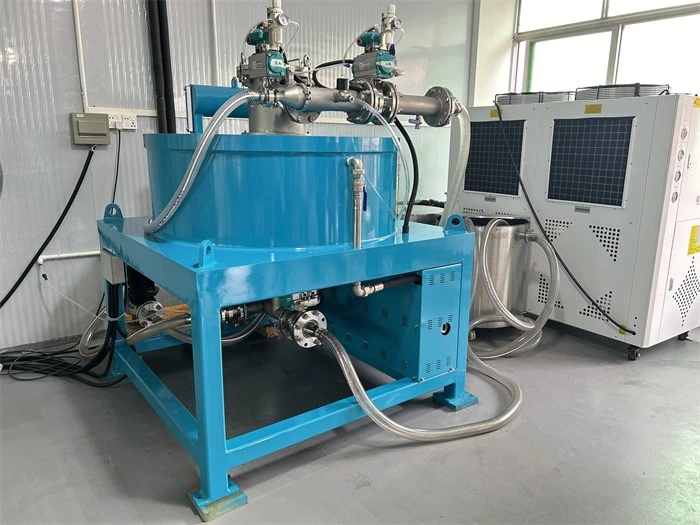
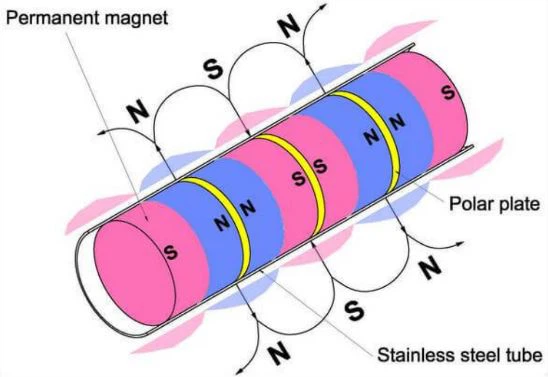
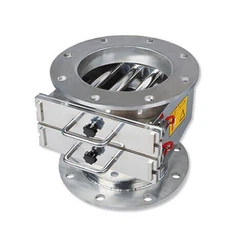
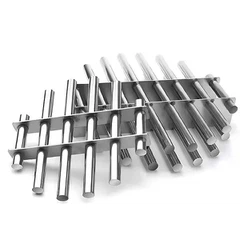
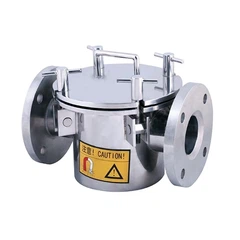
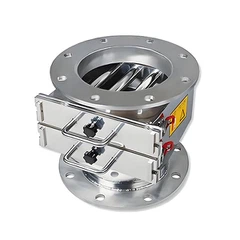
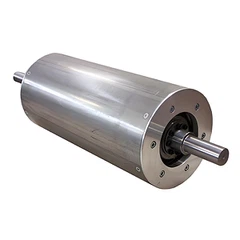
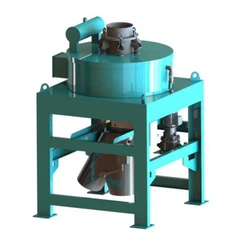
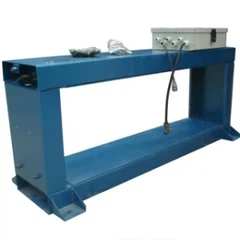
Ferrite magnets are also used in magnetic separators to remove ferrous contaminants from bulk materials. In cost-sensitive industrial processes, they provide effective separation without increasing equipment cost.
Sensors and Control Systems
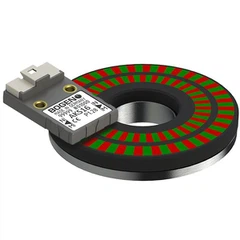
In certain automotive and electronic systems, ferrite magnets are used in sensors and control devices. Their stable performance under normal temperature conditions makes them dependable for consistent operation.
How to Choose the Right Ferrite Magnet
Choosing the right ferrite magnet depends on your application, working conditions, and cost targets. A clear evaluation at the beginning can help you avoid performance issues later.
Define the Required Magnetic Strength
Start by understanding how much magnetic force your application needs. Ferrite magnets provide moderate magnetic energy, so you may need to adjust the size or thickness to achieve the required holding force. Larger magnets can compensate for lower energy density. Strength should match the task, not exceed it.
Consider Operating Temperature
Ferrite magnets offer good temperature stability under normal industrial conditions. Before selection, confirm the maximum and minimum working temperatures of your system. This ensures the magnet maintains stable performance without risk of demagnetization.
Evaluate Size and Space Constraints
Because ferrite magnets are less powerful than rare-earth magnets, they often require more space to deliver the same magnetic output. If your design has limited space, you need to carefully balance magnet dimensions with performance requirements.
Review Environmental Conditions
Ferrite magnets naturally resist corrosion, which makes them suitable for humid or outdoor environments. If your application involves moisture or mild exposure to chemicals, ferrite may offer long-term stability without additional coatings.
Balance Performance and Cost
Finally, consider your production volume and budget. Ferrite magnets are often chosen for large-scale manufacturing where cost control is critical. When high magnetic strength is not the primary requirement, they provide a reliable and economical solution.
FAQs
Q: Are ferrite magnets permanent magnets?
A: Yes. Ferrite magnets are permanent magnets, which means they maintain their magnetism without requiring an external power source. Under normal operating conditions, they are not easily demagnetized.
Q: What temperature can ferrite magnets withstand?
A: Ferrite magnets offer good temperature stability under normal industrial conditions. Their exact operating temperature range depends on the specific grade and design.
Q: What is the difference between ferrite magnets and ceramic magnets?
A: There is no difference. Ferrite magnets are also called ceramic magnets because they are made from ceramic-like oxide materials rather than metallic alloys.
Q: Why are ferrite magnets larger than some other magnets?
A: Ferrite magnets have lower magnetic energy density compared to rare-earth magnets. To produce the same magnetic force, you may need a larger size.
Q: Can ferrite magnets be custom-shaped?
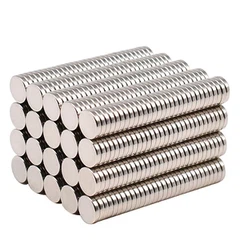
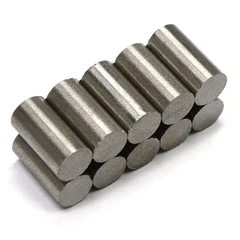
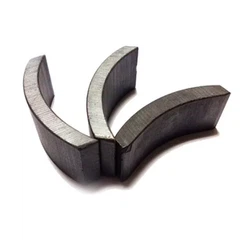
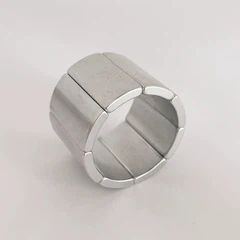
A: Yes. Ferrite magnets can be manufactured in various shapes, including blocks, rings, discs, and arc segments. Custom dimensions are possible, but complex shapes may require special tooling due to the material's brittleness.
Q: How are ferrite magnets magnetized?
A: Ferrite magnets are magnetized after the sintering process. Depending on whether they are isotropic or anisotropic, they must be magnetized in the appropriate direction to achieve optimal performance.
Conclusion
Ferrite magnets remain one of the most widely used permanent magnet materials in industrial production. They offer stable magnetic performance, strong corrosion resistance, and cost efficiency. While their magnetic strength is lower than rare earth magnets, they provide a practical solution for many applications where reliability and large-scale manufacturing matter.
If your project requires moderate magnetic force, good temperature stability, and budget control, ferrite magnets may be the right choice. The key is selecting the correct grade, size, and magnetization direction to match your design requirements.
At Great Magtech, you can source ferrite magnets in various grades and custom dimensions for industrial use. If you are evaluating magnet options for motors, speakers, or magnetic separation systems, our team can support you with technical guidance and product selection based on your specific application needs.
Other Types of Magnets

Neodymium Magnets
Send Inquiry Now

Samarium Cobalt Magnets
Send Inquiry Now

Ferrite Magnets
Send Inquiry Now

Alnico Magnets
Send Inquiry Now