













When equipment runs in extreme heat, cold, or dusty environments, ordinary sensors often fail. That's where magnetic encoders come in. These devices give you reliable position and speed feedback even when conditions are tough. Instead of relying on fragile optical parts, they use magnetic fields to detect movement, which makes them less likely to be damaged by dirt, moisture, or vibration. If you work with heavy machinery, robotics, or outdoor systems, understanding how magnetic encoders perform in harsh environments can help you choose smarter and keep operations running smoothly.
What are Magnetic Encoders?
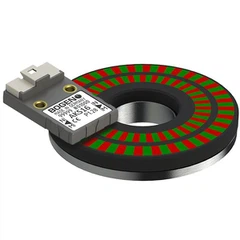
A magnetic encoder is a sensor that measures the position, angle, or speed of a rotating shaft using magnetic fields. Instead of light and lenses, it relies on a magnet and a sensing chip to read movement. This design makes it tougher and less sensitive to dust, grease, or scratches compared to optical types. When you install one, it converts motion into electrical signals that your control system can understand. In simple terms, it helps machines know exactly where and how fast they are moving.

What are Magnetic Encoders Used For?
Magnetic encoders are used in machines and systems where accurate motion feedback is critical. You'll find them in industrial equipment, robotics, electric motors, and automated vehicles. What makes them stand out is their ability to provide consistent signals even when exposed to dust, moisture, vibration, or extreme temperatures. This means that wherever you need precise position or speed control under tough conditions, magnetic encoders are a reliable choice.
What Makes Magnetic Encoders Suitable for Harsh Environments?
The previous section discussed the uses of magnetic encoders. But why are magnetic encoders suitable for harsh environments? Let's read this section. Magnetic encoders are built to handle conditions that would challenge most sensors. Unlike optical encoders, they don't rely on light, lenses, or reflective surfaces, which makes them less likely to fail when exposed to dirt, dust, or grease. If you need equipment to keep running reliably in tough environments, this design gives you a major advantage.

Resistance to Contamination
Because magnetic encoders detect position through magnetic fields, dust, oil, and moisture don't interfere with their operation. You can install them in areas where optical sensors would quickly become unreliable, and still expect accurate feedback.
Wide Temperature Range
Magnetic encoders work well in both high-heat and freezing conditions. Whether your machinery operates outdoors in summer sun or in refrigerated spaces, it maintains stable performance without recalibration.
Shock and Vibration Tolerance
In factories, vehicles, or heavy machinery, shocks and vibrations are common. Magnetic encoders are designed with non-contact sensing, so they can absorb impacts without losing accuracy.
Electromagnetic Interference (EMI) Protection
Harsh industrial environments often have strong electric or magnetic fields. Many magnetic encoders include shielding or design features that help resist EMI, ensuring your readings stay reliable.
Key Environmental Challenges Magnetic Encoders Overcome
Magnetic encoders can be used in harsh environments, so how do they overcome these harsh environments? Read on. Magnetic encoders are designed to perform where many other sensors struggle. Understanding the specific challenges they handle can help you choose the right solution for tough environments.
Extreme Temperatures
Harsh environments often involve very high or very low temperatures. Magnetic encoders can maintain accurate readings in freezing conditions or intense heat, keeping your equipment running smoothly without constant recalibration.
Dust, Dirt, and Moisture
If your machinery operates in dusty, dirty, or wet conditions, optical sensors can quickly fail. Magnetic encoders are resistant to contamination because they rely on magnetic fields rather than light. This means they continue to deliver reliable feedback even when exposed to mud, oil, or water.
Vibration and Shock
Heavy machinery, vehicles, and industrial equipment generate vibrations and impacts that can throw off other sensors. Magnetic encoders use non-contact sensing, which helps them withstand shock and vibration without losing accuracy.
Electromagnetic Interference (EMI)
Industrial environments often have strong magnetic or electrical fields. Magnetic encoders are designed to resist EMI, ensuring that electrical noise does not affect the accuracy of your readings.
By handling these environmental challenges, magnetic encoders provide consistent and reliable motion feedback, allowing your systems to operate safely and efficiently even in the harshest conditions.
Design Features That Enhance Durability
Magnetic encoders are engineered to survive in tough conditions, thanks to several smart design features.
Sealed Housings
Many magnetic encoders come in IP65, IP67, or IP69 K-rated housings, which protect them from dust, dirt, and water. You can install them in environments that get wet or dirty without worrying about failure.
Non-Contact Sensing
The non-contact magnetic sensing design reduces wear and tear because there are no fragile optical components or physical brushes. This makes the encoder more reliable over time, even with constant motion.
Corrosion-Resistant Materials
High-quality encoders use metal or coated housings that resist corrosion. If your machinery is exposed to moisture, chemicals, or salt spray, the encoder continues to function accurately.
Built-In Diagnostics
Some encoders include diagnostic features that let you monitor performance. These features help detect early signs of issues, reducing downtime and maintenance costs.
These design features work together to ensure that magnetic encoders remain accurate, stable, and long-lasting, even in challenging industrial environments.
Real-World Applications of Magnetic Encoders
Magnetic encoders are used in a wide range of industries where reliability and precision matter, especially in harsh environments. Knowing where they shine can help you decide if they are the right choice for your systems.
Industrial Machinery
In factories, magnetic encoders provide accurate position and speed feedback for conveyor systems, CNC machines, and robotic arms. Even when dust, oil, or vibration is present, these encoders keep machines running smoothly and reduce the risk of downtime.
Automotive and Electric Motors
If you work with electric vehicles, motors, or automated guided vehicles (AGVs), magnetic encoders help control rotation and speed precisely. They perform reliably despite heat, vibration, or exposure to dirt, which is common in vehicle applications.

Food and Beverage Processing
In environments where washdowns, moisture, and cleaning chemicals are frequent, magnetic encoders are ideal. They can maintain accuracy without being damaged, helping packaging machines and processing equipment stay consistent.
Renewable Energy
Magnetic encoders are used in wind turbines and solar trackers, where weather, temperature changes, and vibration can affect performance. Their durability ensures long-term, accurate monitoring of motion in these outdoor applications.
Aerospace and Defense
For equipment operating in extreme climates or high-vibration conditions, magnetic encoders provide precise feedback. Their resilience makes them suitable for aerospace control systems, military vehicles, and other mission-critical applications.
By using magnetic encoders, you can rely on accurate feedback in environments that would challenge traditional sensors, keeping your operations efficient and dependable no matter the conditions.
Best Practices for Selecting and Maintaining Magnetic Encoders
Choosing the right magnetic encoder and keeping it in good condition ensures reliable performance in harsh environments.

Selecting the Right Encoder
When selecting an encoder, consider the resolution and accuracy your application needs. Consider the environmental conditions it will encounter, such as temperature extremes, dust, moisture, and vibration. Make sure the encoder's IP rating and materials match these conditions. Also, decide whether you need incremental or absolute feedback depending on your system requirements.
Proper Installation
Install the encoder according to the manufacturer's guidelines. Ensure that shafts, mounts, and couplings are aligned correctly to avoid stress on the device. Use protective measures if your environment has strong magnetic fields or electrical noise, which can interfere with signals.
Regular Maintenance
Even though magnetic encoders are durable, checking them periodically is important. Inspect for loose connections, physical damage, or contamination, and clean them carefully when needed. If your system allows, take advantage of built-in diagnostic features to monitor performance.
Partner with a Reliable Supplier
Work with a trusted manufacturer or distributor who can provide technical support, datasheets, and replacement parts. This ensures you have guidance for installation, troubleshooting, and preventive care.
Following these best practices helps you maximize the lifespan and accuracy of magnetic encoders, keeping your machines running reliably in challenging conditions.
Magnetic Encoders vs Optical Encoders in Harsh Environments
When choosing sensors for tough conditions, it helps to compare magnetic encoders and optical encoders. Here's a clear breakdown of their differences:
|
Feature |
Magnetic Encoder |
Optical Encoder |
Notes for Harsh Environments |
|
Sensing Method |
Uses magnetic fields |
Uses light and reflective surfaces |
Magnetic sensing is less affected by dust, dirt, and grease |
|
Durability |
Highly resistant to shock, vibration, and contamination |
Sensitive to dust, oil, and scratches |
Magnetic encoders last longer in rough conditions |
|
Temperature Range |
Performs well in extreme heat or cold |
Limited by optical components |
Magnetic encoders maintain accuracy across wider ranges |
|
Moisture Resistance |
Can be fully sealed (IP65/IP67/IP69K) |
Often not fully sealed |
Magnetic encoders continue to work in wet environments |
|
Maintenance |
Low maintenance due to non-contact sensing |
Requires cleaning and careful handling |
Magnetic encoders reduce downtime and repair needs |
|
Signal Reliability |
Resistant to EMI and external magnetic fields with proper shielding |
Can be affected by ambient light and contamination |
Magnetic encoders are more stable in industrial settings |
|
Cost |
Slightly higher initial cost |
Lower initial cost |
Long-term reliability often offsets upfront cost |
Key Takeaways
If your equipment operates in dusty, wet, or high-vibration environments, magnetic encoders give you more reliable feedback and longer service life. Optical encoders are suitable for clean, controlled conditions, but can fail quickly under harsh circumstances. Choosing magnetic encoders reduces maintenance and keeps your operations running smoothly.
Conclusion
Magnetic encoders are designed to keep your systems running accurately in even the toughest environments. They handle dust, moisture, extreme temperatures, vibration, and EMI better than traditional optical encoders. By understanding their design features, environmental advantages, and real-world applications, you can select the right encoder for your needs. Following best practices for installation and maintenance ensures long-term reliability. If you want precise, durable, and low-maintenance feedback for your machines, magnetic encoders are a dependable choice that helps you reduce downtime and keep operations running smoothly.