










Magnets are everywhere, from the small ones holding notes on your fridge to the powerful magnets inside machines and electronics. But not all magnets are the same. The shape of a magnet can change how strong it is, how its magnetic field spreads, and where it can be used.
When you are choosing a magnet for a project, it helps to understand the different shapes and what each one is best for. Bar magnets are simple and versatile, while ring and cylinder magnets are often used in more specialized applications. Flexible magnets and custom shapes allow you to adapt to unique situations where standard magnets might not work.
By knowing the different shapes of magnets and their uses, you can pick the right one for your needs, whether it's for a hobby, a school experiment, or an industrial project.
Standard Magnet Shapes and Their Uses
Magnets come in a variety of shapes, and each shape affects how the magnet works and where it can be used. Understanding the different standard shapes will help you choose the right magnet for your project or application. From everyday household uses to industrial equipment, the right shape can make a big difference.
Bar Magnets
Bar magnets are the most recognizable type. They are rectangular and usually have a uniform magnetic field along their length. You can use bar magnets in simple experiments, classroom demonstrations, or to hold objects in place. Their straight, elongated shape makes it easy to align them with other magnets or metal surfaces.
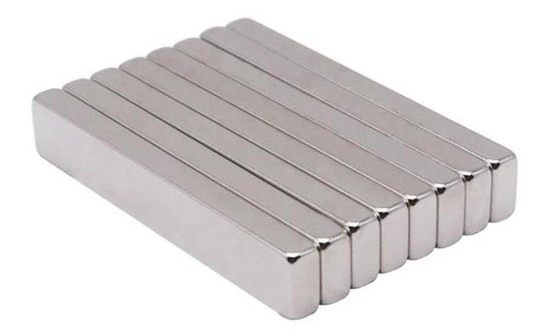
You'll often find bar magnets used in:
Educational tools for science lessons.
Compass needles or simple directional devices.
Basic industrial setups require a steady, predictable magnetic field.
Bar magnets are simple and versatile, but their strength is generally lower compared to some other shapes, like ring or cylinder magnets of the same material.
Disc Magnets
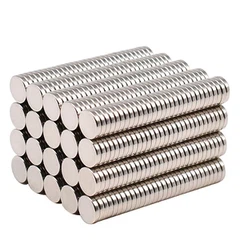
Disc magnets are flat and round. Their magnetic field is strongest across the flat faces, which makes them ideal for applications that need surface contact. They are often used in electronics, motors, and holding devices.
Disc magnets are practical for:
Speaker components and audio devices.
Small motors or magnetic couplings.
Craft projects or holding light objects.
Their flat shape allows them to fit into spaces where bar or cylinder magnets may not work. You'll also notice that thicker discs tend to have stronger magnetic fields.
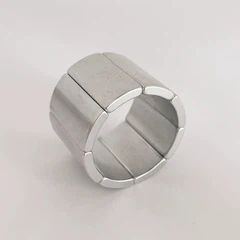
Ring Magnets
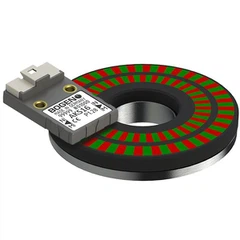
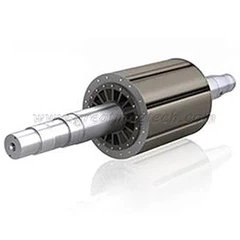
Ring magnets have a hole in the center, which gives them unique properties. The magnetic field flows radially around the ring, making it perfect for rotating applications like motors or generators.
Common uses include:
Magnetic couplings.
Motors and rotor assemblies.
Sensors and bearings.
Ring magnets are versatile in situations where you need a circular magnetic field or a central opening for mounting.
Horseshoe Magnets
Horseshoe magnets are U-shaped, which brings the two poles close together. This design concentrates the magnetic field in the gap between the poles, giving a stronger localized field. You often see horseshoe magnets used in:
Industrial lifting
Classroom experiments.
Demonstrations requiring a focused magnetic field.
Because of their shape, horseshoe magnets can lift heavier objects than a bar magnet of similar size.
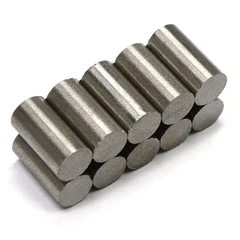
Cylinder Magnets
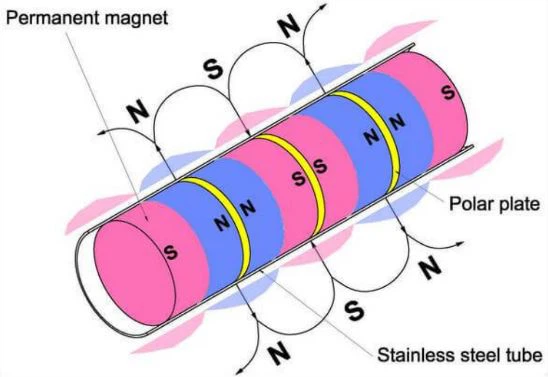
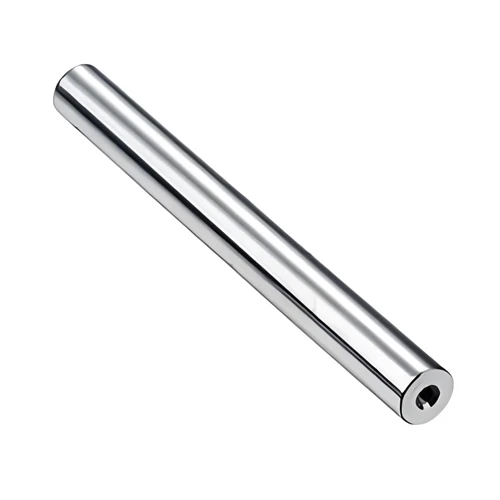
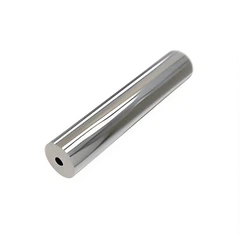
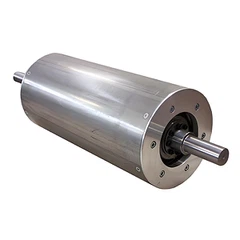
Cylinder magnets are elongated like bars but are circular in cross-section. They produce a directional magnetic field along their length. Cylinder magnets are popular for lifting, separation, and holding applications.
You might use cylinder magnets for:
Industrial lifting magnets.
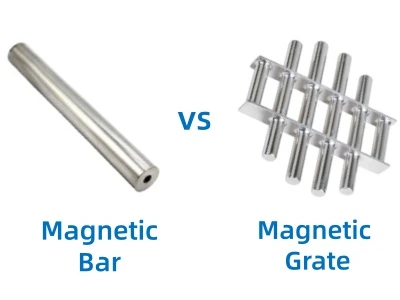
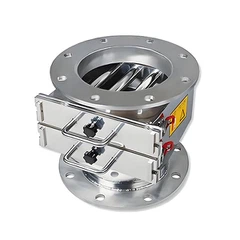
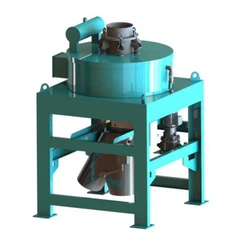
Magnetic separators in factories.
Holding fixtures or assemblies.
Their shape allows for a strong, concentrated magnetic field, which can be useful in specialized industrial tasks.
Magnetic Field Distribution by Shape
Different shapes produce different magnetic field patterns. Bar and cylinder magnets generate fields along their length, while disc magnets concentrate the field across the flat faces. Ring magnets produce a circular field, and horseshoe magnets focus the field in the gap between the poles.
When you choose a magnet, consider how the field spreads and where you need the strength. The shape not only affects performance but also determines how easily you can integrate the magnet into your design. Understanding these differences helps you select the right magnet for experiments, industrial applications, or everyday use.
Other Magnet Shapes and Specialized Applications
Not all magnets fit the standard shapes like bars, discs, or rings. Some shapes are designed for specialized uses where standard magnets won't work. Knowing these shapes can help you choose the right magnet for unique applications.
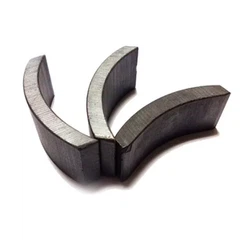
Arc Magnets
Arc magnets are curved pieces that fit around a circular path, such as the inside of a motor or generator. Their shape allows them to produce a uniform magnetic field along a curved surface, which makes them essential in rotating devices.
You'll often find arc magnets in:
Electric motors for cars or small appliances.
Generators and alternators.
Magnetic assemblies where consistent circular fields are required.
Because of their shape, they can be combined in a series to create a strong, continuous field around a rotor or stator.
Cube Magnets
Cube magnets are rectangular or square and are often used in industrial and experimental applications. Their straight edges and flat surfaces make them easy to mount or align in assemblies.
Common uses include:
Industrial holding fixtures.
Magnetic separators.
DIY projects and laboratory experiments.
Their simple shape allows you to position multiple magnets together or build larger magnetic structures, giving you flexibility for various tasks.
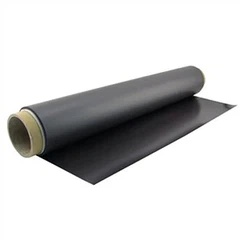
Flexible Magnets
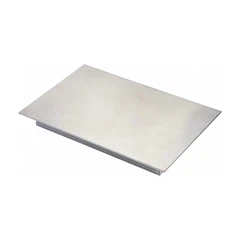
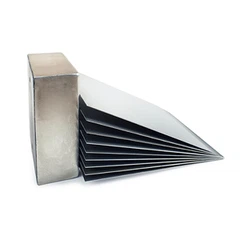
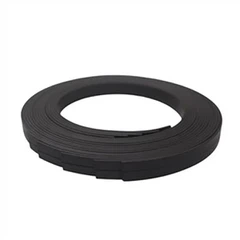
Flexible magnets are made from rubber or plastic materials embedded with magnetic particles. They are thin, bendable, and often come as sheets or strips. While they are not as strong as neodymium or ceramic magnets, they are useful in situations where a rigid magnet won't fit.
Flexible magnets are ideal for:
Signage and advertising.
Arts and crafts.
Light-duty holding applications.
Because they can bend and conform to surfaces, you can use them in ways rigid magnets cannot.
Pot Magnets
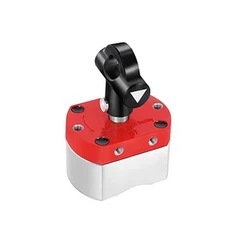
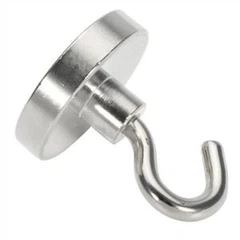
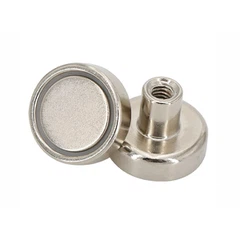
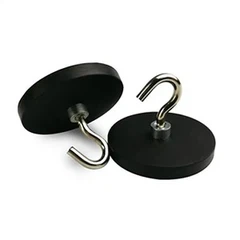
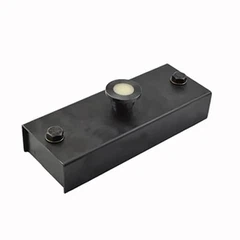
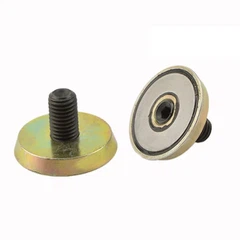
Pot magnets, sometimes called cup magnets, consist of a strong magnet enclosed in a steel shell. The design concentrates the magnetic field on one surface, making them ideal for lifting and holding heavy objects.
You'll see pot magnets used in:
Industrial lifting tools.
Fixtures and mounting applications.
Holding devices in manufacturing or workshops.
The steel casing protects the magnet and increases its lifting power, which is especially useful in industrial environments.
Specialized magnet shapes like these show how design influences performance. When you know the options, you can pick the right shape to meet your needs, whether for a machine, experiment, or practical project.
Custom Magnet Shapes for Specialized Applications
Sometimes, standard magnet shapes just don't fit your needs. That's when custom magnets become useful. You can design magnets in unique shapes to match specific machines, tools, or projects. Custom shapes let you control the magnetic field, strength, and direction exactly how you need them.
These magnets are commonly used in industries like automotive, aerospace, medical devices, and robotics. They can also appear in specialized industrial machinery where standard magnets aren't practical.
Creating custom magnets usually requires precise techniques such as CNC machining or molding. By choosing the right material and shape, you can ensure your magnet meets both performance and design requirements.
When a project calls for something beyond standard options, custom magnet shapes give you the flexibility and reliability you need.
How Magnet Material Affects Shape and Performance
The material of a magnet affects its strength, durability, and the shapes you can use. Not all magnets are the same. Some are strong but brittle, while others are flexible but weaker. Understanding the material helps you pick the right magnet for your needs.
|
Magnet Material |
Strength |
Shape Options |
Key Properties |
|
Neodymium (NdFeB) |
Very strong |
Small bars, discs, rings, cylinders |
Brittle, high magnetic strength, sensitive to heat |
|
Ferrite (Ceramic) |
Moderate |
Blocks, discs, rings |
Affordable, corrosion-resistant, and larger shapes are possible |
|
Samarium-Cobalt (SmCo) |
Strong |
Bars, discs, rings |
Heat-resistant, durable, expensive |
|
Flexible Magnets |
Low |
Sheets, strips |
Bendable, lightweight, lower magnetic strength |
By choosing the right combination of material and shape, you can ensure your magnet performs well in experiments, industrial projects, or everyday tasks. The material determines not just strength but also durability, temperature tolerance, and how easily it can be shaped or mounted.
Industrial and Commercial Applications by Shape
Magnets are used in many industries, and the shape of the magnet often determines its best application. Choosing the right shape can improve performance and efficiency.
Bar and Cylinder Magnets
Bar and cylinder magnets are often used in lifting, holding, and separation applications. You'll see them in factories, warehouses, and workshops. Their strong, directed magnetic field makes them suitable for aligning machinery or picking up metal parts quickly and safely.
Disc and Ring Magnets
Disc and ring magnets are common in motors, sensors, and electronic devices. Ring magnets are especially useful in rotating equipment, while discs are often placed in speakers or small motors to create precise magnetic fields.
Horseshoe Magnets
Horseshoe magnets provide a concentrated field between the poles. They are used for industrial lifting, experiments, and situations where a strong, localized magnetic force is needed.
Flexible and Pot Magnets
Flexible magnets are ideal for signage, craft, and light-duty holding, while pot magnets are used in industrial fixtures and mounting systems, where the steel casing increases lifting power and protects the magnet.

By understanding how each shape works, you can pick the right magnet for your industrial or commercial project, saving time and improving safety.
Comparison of Magnet Shapes, Strengths, and Uses
Not all magnets are created equal. Each shape has its own strength, field distribution, and ideal use. Understanding these differences helps you pick the right magnet for your project, whether it's industrial, educational, or a simple DIY task.
|
Magnet Shape |
Strength |
Magnetic Field Focus |
Typical Uses |
|
Bar Magnet |
Moderate |
Along the length |
Education, basic holding, simple alignment |
|
Cylinder Magnet |
Strong |
Along the axis |
Lifting, separation, and industrial fixtures |
|
Disc Magnet |
Moderate to strong |
Across flat faces |
Motors, speakers, and small electronic devices |
|
Ring Magnet |
Strong |
Circular/radial |
Rotating equipment, couplings, sensors |
|
Horseshoe Magnet |
Very strong |
Gap between poles |
Lifting heavy objects, focused experiments |
|
Arc / Segment Magnet |
Strong |
Curved surface |
Motors, generators, rotors |
|
Block / Cube Magnet |
Moderate to strong |
Flat surfaces |
Industrial assemblies, DIY projects, magnetic separators |
|
Flexible Magnet |
Low |
Surface contact |
Signage, crafts, light-duty holding |
|
Pot Magnet |
Very strong |
Single face / concentrated |
Industrial mounting, lifting heavy items |
This table provides a clear comparison, showing how each magnet's shape influences its strength and function. By referring to it, you can quickly identify which magnet is best suited for your application.
Tips for Maintaining and Handling Magnets Safely
Magnets are useful, but they need to be handled carefully. Strong magnets can pinch fingers, damage electronics, or even break if dropped. Following a few simple safety tips helps protect both you and the magnet.
Always store magnets away from metal objects and electronic devices. Strong magnets can interfere with phones, computers, or credit cards.
When handling large or powerful magnets:
Keep your fingers clear of the poles to avoid pinching.
Use gloves if necessary, especially for heavy or industrial magnets.
Avoid dropping magnets, as brittle types like neodymium can chip or shatter.
Keep magnets dry and clean. Moisture can cause corrosion, especially in ferrite magnets. Wiping them with a soft cloth and storing them properly extends their life.
By handling magnets carefully and following these guidelines, you can ensure safe use and long-lasting performance.
Conclusion
Magnets come in many shapes, each designed for specific uses. From bar and disc magnets to rings, cylinders, and specialized forms, understanding the differences helps you choose the right one for your project.
By considering the shape, material, and strength, you can match a magnet to its intended application, whether it's for industrial, commercial, or personal use.
Remember to handle magnets safely, store them properly, and maintain them to ensure long-lasting performance.
When you know how different shapes affect magnetic fields and applications, selecting the right magnet becomes easier. With the right knowledge, you can improve efficiency, safety, and effectiveness in any project that involves magnets.