













Have you ever wondered if a magnet can pick up gold? Many people assume that because gold is a metal, it should stick to a magnet, but that's not the case. Gold is naturally non-magnetic, which means even strong magnets, including Neodymium magnets, won't pull it toward them. Understanding this helps you avoid common mistakes when testing gold or separating metals. In this article, you'll learn why gold behaves this way, how different magnets work, and what methods you can actually use to test or handle gold safely.
Is Gold Magnetic?
When you hold a magnet near gold, you might expect it to move or stick, but it won't. Gold is diamagnetic, which means it actually resists magnetic fields instead of being attracted to them. This property is true for pure gold, whether it's a coin, a bar, or jewelry.
You should also know that not all gold items behave the same way. Some gold jewelry or coins contain other metals like nickel or copper, which can react slightly to a strong magnet. But even then, the gold itself isn't magnetic. Understanding this helps you separate myths from facts and avoid relying on magnets to test for real gold.

How Do Magnets Work?
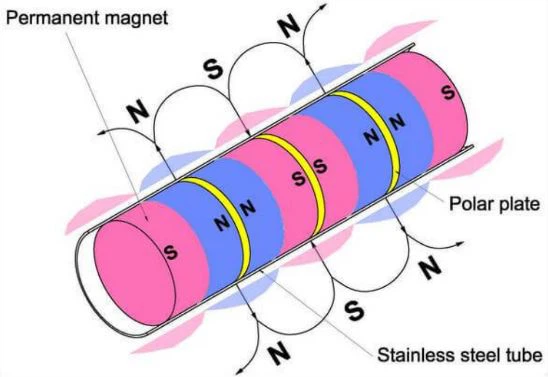
Understanding why gold doesn't stick to magnets starts with knowing how magnets work. Magnets create a magnetic field, which is an invisible force that can attract certain metals. Not all metals respond the same way, so learning the basics can help you understand why gold behaves differently.
Basic Principles of Magnetism
Magnets attract metals that contain iron, nickel, or cobalt. These metals have tiny regions called magnetic domains that line up with the magnetic field, pulling the object toward the magnet. Metals like gold, silver, and copper don't have these domains, so they aren't attracted. Knowing this helps you see why magnets can separate metals but can't grab pure gold.

Strong Magnets and Neodymium Magnets
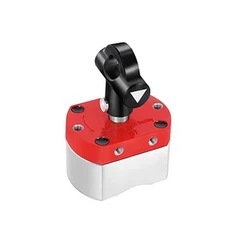
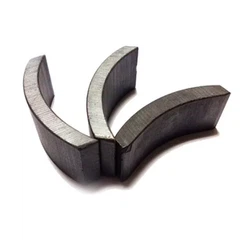
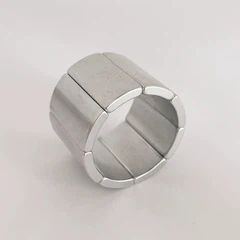
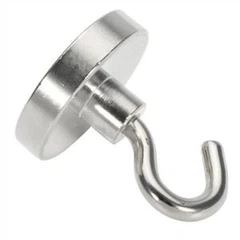
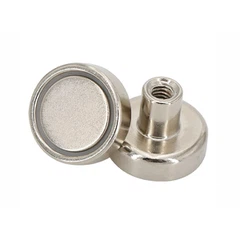
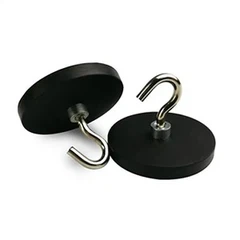
Some magnets are much stronger than the ones you see on your fridge. Neodymium magnets are a popular example; they are small but extremely powerful. Even though they can pick up heavy iron or steel objects easily, they still won't attract gold. Using a strong magnet like this can help remove magnetic impurities from gold or other metals, but it won't tell you whether your gold is real.
Which Metals Are Magnetic?
Understanding which metals are magnetic is important if you want to separate metals, test them, or just know why some stick to magnets and others don't. Below is a detailed comparison of common magnetic and non-magnetic metals, including gold.
Common Magnetic Metals
|
Metal Type |
Example Metals |
Magnetic Properties |
Common Uses |
Notes |
|
Ferromagnetic Metals |
Iron (Fe) |
Strongly attracted to magnets due to aligned magnetic domains. |
Construction materials, tools, motors, machinery |
Even small pieces can be picked up by a regular magnet. |
|
Ferromagnetic Metals |
Nickel (Ni) |
Magnetically active but slightly weaker than iron. |
Batteries, coins, electronics, plating |
Often alloyed with other metals to adjust magnetic properties. |
|
Ferromagnetic Metals |
Cobalt (Co) |
Strong magnetic response, retains magnetization well. |
Magnets, high-strength alloys, and aerospace components |
Used in permanent magnets and specialized industrial tools. |
|
Weakly Magnetic / Paramagnetic Metals |
Chromium (Cr), Molybdenum (Mo) |
Slight attraction to very strong magnets, but not noticeable with regular magnets. |
Stainless steel, alloys, and chemical equipment |
Weak magnetic response is often only detectable with strong Neodymium magnets. |
Non-Magnetic Metals Including Gold
|
Metal Type |
Example Metals |
Magnetic Properties |
Common Uses |
Notes |
|
Diamagnetic Metals |
Gold (Au), Silver (Ag), Copper (Cu), Aluminum (Al) |
Not attracted to magnets; some exhibit very weak magnetic repulsion. |
Jewelry, electronics, wiring, coins |
Even strong magnets like Neodymium magnets cannot pick up pure gold. |
|
Alloys to Watch |
Stainless steel, gold-plated items |
It may show a slight magnetic reaction if iron or nickel is present. |
Household items, jewelry, industrial components |
Magnetic response does not indicate that gold is present; it only indicates magnetic elements in the alloy. |
Neodymium Magnets and Gold
While gold itself is non-magnetic, strong magnets like Neodymium magnets can still be very useful when working with gold or other metals. Understanding why these magnets are special and how they are applied can help you handle metals more effectively.
Why Neodymium Magnets Are Special
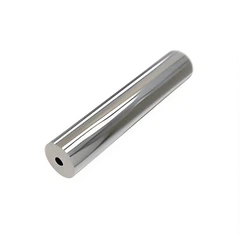
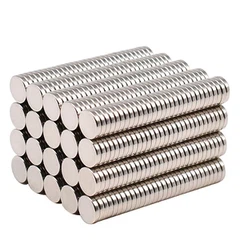
Neodymium magnets are much stronger than ordinary magnets. Even small pieces can generate a magnetic force powerful enough to pick up heavy iron, nickel, or cobalt objects. This strength makes them popular in industrial applications, electronics, and scientific experiments. However, despite their power, Neodymium magnets cannot attract pure gold, because gold has no magnetic domains to respond to the field.

Using Neodymium Magnets in Gold Separation
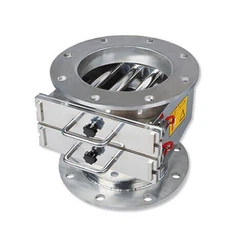
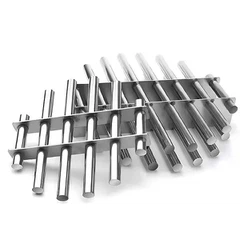
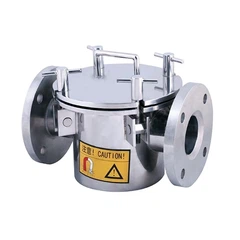
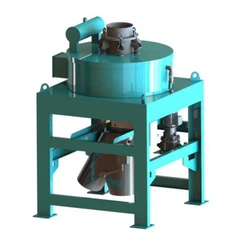
Even though gold itself isn't magnetic, Neodymium magnets can be used to remove magnetic impurities from gold-containing materials. For example, in gold mining or panning, these magnets help separate iron particles or other magnetic minerals from sand and gravel. This allows you to get a cleaner sample of gold without affecting the gold itself. By strategically using strong magnets, you can enhance the efficiency of metal separation while minimizing damage to valuable metals.
How Magnets Are Used in Gold Testing
While magnets cannot attract pure gold, they can still be useful in certain gold-testing scenarios. Using them correctly can save you time and help you separate metals efficiently.
Identifying Non-Gold Materials
Magnets are often used to quickly spot metals mixed with gold that could interfere with testing. For example, if a gold sample contains magnetic metals like iron or nickel, a magnet will pull those out. This allows you to isolate the non-magnetic materials, making it easier to examine or process the gold further.
Sorting and Cleaning Samples
In mining or metal recovery, magnets help remove magnetic debris from gold-containing sand, gravel, or crushed ore. This step doesn't verify whether the gold is real, but it reduces clutter and prevents false impressions during visual inspection.
Preparing for Accurate Testing
By removing magnetic impurities with a magnet first, you ensure that other testing methods, like acid tests, density checks, or electronic gold testers, are more accurate. This approach lets you focus on the gold itself without interference from magnetic metals in the sample.
Other Methods to Test Gold Without a Magnet
Even though magnets can help remove magnetic impurities, they cannot confirm whether gold is genuine. Fortunately, there are other reliable methods available to accurately test gold.
Electronic Gold Testers & XRF Analysis
Electronic gold testers are handheld devices that can measure the electrical conductivity of gold to determine its purity. XRF (X-ray fluorescence) analysis is another high-precision method that identifies the exact metal composition without damaging the item. These tools allow you to quickly verify gold content, making them much more reliable than relying on a magnet.
Density Measurement
Gold has a specific density of about 19.3 g/cm³, which is much higher than most other metals. You can test a gold piece by measuring its weight and volume to calculate density. If the density matches gold's standard, it is likely genuine. This method is simple, non-destructive, and effective for coins, bars, and small jewelry.
Safety Tips When Using Magnets with Precious Metals
If you still use magnets to remove magnetic impurities, handle them carefully. Strong magnets like Neodymium magnets can pinch your fingers or damage electronics nearby. Keep the magnet away from sensitive items, and always wear gloves if needed. By following these precautions, you can safely clean your gold samples while protecting both yourself and your valuable metals.

Conclusion
Gold's non-magnetic nature sets it apart from most metals, making it easy to separate from magnetic materials when needed. While strong magnets, such as Neodymium magnets, can help remove impurities or clean gold-containing samples, they cannot confirm the authenticity of gold. To ensure accuracy, rely on proven methods like electronic gold testers, XRF analysis, or density measurements. Understanding the behavior of gold and other metals not only helps you avoid common misconceptions but also allows you to handle gold safely and efficiently. By focusing on knowledge and proper techniques, you can make smarter decisions whether you're testing, mining, or working with gold in any form.