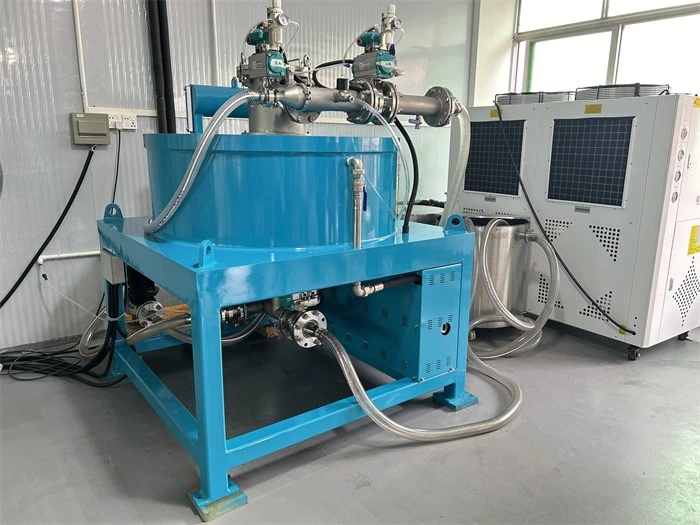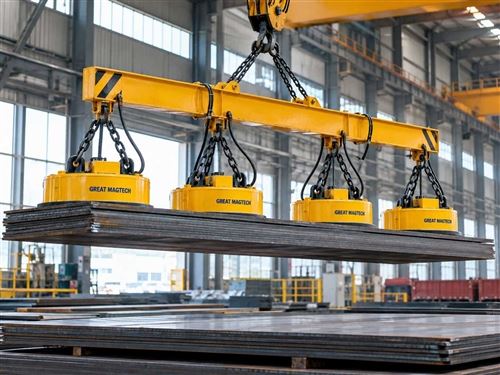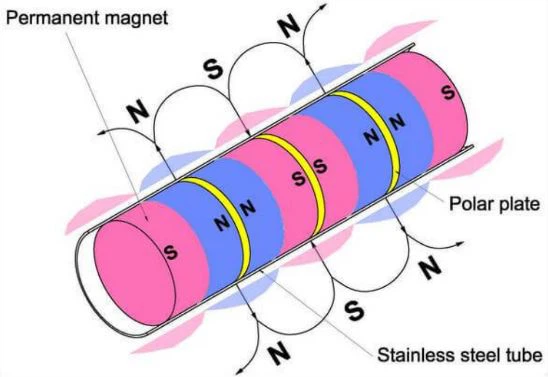
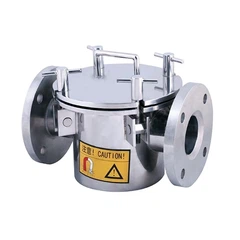
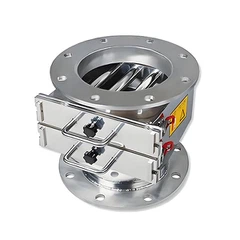
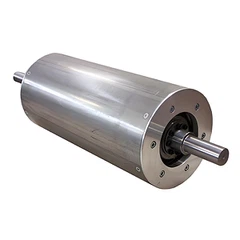











The magnetic drum separator is indispensable throughout different industries because it efficiently retrieves ferrous contaminants from numerous materials. The separators maintain product cleanliness, recover metal, and protect operational machinery from breakdowns. This article examines the makeup and operational mechanism, multiple uses, and practical advantages of magnetic drum separators, specifically focusing on dry permanent half-magnetic drum separators.

What is a Magnetic Drum Separator?
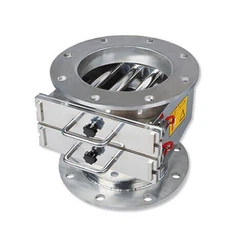
A magnetic drum separator is a self-cleaning continuous machine that eliminates ferrous materials from free-flowing bulk and granular materials. The equipment combines a spinning drum with an unmovable magnetic assembly system. The magnetic assembly securely traps the tramp metal on the drum surface, and the rotating motion enables the discharge of the separated ferrous debris into separate compartments.
Types of Magnetic Drum Separators
Different operating configurations exist for magnetic drum separators that allow them to adapt to several applications:
1. There are three types of wet magnetic separators, depending on the separator tank's configuration: downstream, half-countercurrent, and countercurrent types.
2. The dry-type magnetic separator processes dry materials that show free flow.
3. The operation of permanent magnetic separators depends on utilizing permanent magnets to generate the magnetic field.
4. The separation involves electromagnetic equipment that produces its magnetic field through electromagnets.
5. Single Drum Separators are a common solution for separating tramp iron from considerable amounts of nonmagnetic material that runs through production lines.
6. Double Drum Separators deliver maximum purity by performing two successive magnetic material passes.
7. The triple drum separator provides superior separation functions for challenging industrial applications.
Dry Permanent Half Magnetic Drum Separators
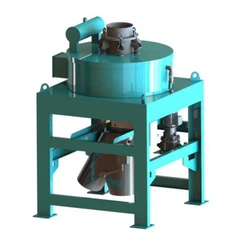
The dry permanent half-magnetic drum separator with its alternative name, "half-magnetic roller," functions automatically for continuous metal contaminant removal from different streams. Traditional drum magnetic characteristics and convenient installation capabilities are present within these separators.

Construction
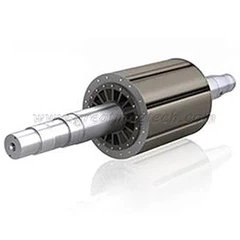
A half-magnetic drum separator consists mainly of these elements: The main part of the separator functions as a cylindrical drum that retains its stationary magnetic features through approximately 180 degrees of internal space. The drum exhibits a steady magnetic field extending throughout its width, which occupies roughly fifty percent of its circumference. The discharge section requires a nonmagnetic drum half for properly removing collected materials into the separation process. Most magnetic drum shells use nonmagnetic stainless steel as their manufacturing material.
1. The drum gets its movement from a geared motor-driven system that allows speed control throughout the operation. The instrument relies on this rotation for continuous separation and automatic cleaning procedures.
2. An optional housing for mounting purposes.
Working Principle
The separation takes place through operational stages.
1. The drum receives an even material flow through chutes and feeders at its surface for processing.
2. Ferrous contaminants quickly draw to the magnetic segment of the drum surface when materials touch the rotating drum. The magnetic field force maintains the particles in contact with the drum surface.
3. During rotation, the drum moves ferrous particles attached to its surface and the separated nonmagnetic items. Drum contents release nonmagnetic objects because of gravitational forces.
Features
1. The hydrodynamic design features of dry permanent half-magnetic drum separators make them applicable in many industrial settings.
2. These separators contain a built-in system that enables continuous operation and automatic cleaning. The rotating outer drum attracts ferrous material when material enters its surface area. The self-cleaning occurs when this process consistently removes ferrous material from the product stream toward the ferrous discharge section.
3. Production separators contain stainless steel (SS304 or 316L) shells to resist material damage and corrosion effects. Stainless steel is a durable material that safeguards against corrosion, ensuring the equipment achieves long-term performance and durability.
4. The magnetic field generation function operates independently from electricity since it lacks power requirements. The equipment functions through permanent magnets, which do not need an external power supply.
5. The product allows buyers to specify magnetic strength alongside other functional requirements. Customers select magnetic strength as one of the options.
6. The magnetic drum uses a basic structure with minimal reaction to outside factors.
7. The technology provides straightforward capabilities to connect with present operational frameworks.
Applications of Magnetic Drum Separators
Magnetic drums serve multiple industries because they combine wide usability with diverse specifications.
1. The mining process utilizes magnetic drums to isolate valuable minerals from ore streams, improving production speed and product quality. They efficiently separate iron ore and other magnetic minerals from nonmagnetic nonmagnetic materials.
2. The use of recycling techniques helps to extract ferrous contaminants from recyclable materials, which results in increased material cleaning levels and enhanced recycling effectiveness. These devices extract ferrous metals from diverse waste compositions, improving recyclable materials' availability for recovery.
3. The food industry applies magnetic devices as a safety measure to eliminate metals from raw ingredients and finished products through their processing cycle. Food product purity depends on magnets that efficiently extract tramp iron from grains, flour, and other food products.

Benefits of Using Magnetic Drum Separators
Magnetic drum separators bring numerous operational advantages to industrial applications, improving efficiency and quality while decreasing costs. The following details the main advantages that magnetic drum separators deliver:
Effective Separation
Magnetic drum separators achieve excellent efficiency when it comes to taking away ferrous contaminants from multiple materials. Inside the separator's unit operates a magnetic field that efficiently captures all magnetic particles. Thanks to this capability, the product stream remains clean from debris, which enables vital operations in food processing and recycling industries and mining sites. These separators remove unwanted iron contaminants in advance to protect product quality and prevent both contamination and expense-related issues.
Continuous Operation
Magnetic drum separators function continuously because of their specific design characteristics. The operating mechanism of these separators allows materials to move continuously because they need no shutdowns for cleaning or maintenance procedures. This automatic cleaning function enables operators to maintain uninterrupted material flow essential to high-scale manufacturing needs. Magnetic drum separators operate continuously to improve production speed and avoid resource-expensive delays, thus optimizing resource utilization.
Low Maintenance Requirements
These separators need only minimal maintenance interventions because their technical design makes them affordable to multiple industries. Without liquid mediums used in wet separators, the system components face lower chances of corrosion and component wear. The equipment demands reduced maintenance expenses, leading to longer periods where operations remain active. Operational excellence of these systems mainly requires periodic maintenance inspections alongside basic cleaning tasks, enabling companies to dedicate time to their key business activities instead of equipment maintenance.
Space-Saving Design
Because of their compact structure, magnetic drum separators need not occupy much space in processing facilities; magnetic drum separators provide quick installation and operation, which lets them integrate seamlessly with established systems without needing facility modification or new infrastructure. Such space-efficient design elements create major benefits for facilities that require maximum floor space utilization or better workflow organization.
Versatility Across Applications
The magnetic drum separator provides operational versatility, which enables its use in different industries throughout various applications. These separators show adaptability in multiple sectors, such as mining, recycling, food processing, plastics manufacturing, and chemical production. These separators offer wide applicability due to their adaptability with different material types, such as dry bulk powders and bulk granules.

Cost-Effectiveness
Investment savings become substantial when they implement magnetic drum separators at their facilities. These separators generate operational cost reduction by removing the necessity of manual sorting procedures and stopping ferrous contaminants from causing damage to machinery. The separators operate with reduced energy requirements because their energy-efficient design prevents demands for strong power to generate magnetic fields.
Environmental Benefits
Companies that implement magnetic drum separators benefit their environmental sustainability programs because of how these separators assist with their initiatives. The systems run without any requirement for water or chemicals to minimize their impact on the environment while using fewer resources. Organizations perform the efficient separation process to fulfill environmental regulations while upholding sustainability requirements, which leads to proper resource stewardship.
Enhanced Safety
The design layout of magnetic drum separators ensures workplace security by removing all handling hazards related to liquid media. The water-free system decreases both dangerous slips and reduces worker exposure to chemicals. The separators effectively remove ferrous impurities from production systems, providing safety and superior product integrity benefits, especially for food,d processing facilities that depend on product integrity.
Conclusion
Due to their essential nature, many industries rely on magnetic drum separators to achieve efficient, cost-effective metal separation. Modern manufacturing and recycling operations heavily depend on magnetic drum separators to recover product purity and protect processing equipment. Business operations benefit from the decision-making process when staff understand construction methods, operating principles, and applications in addition to the benefits of these separators.