







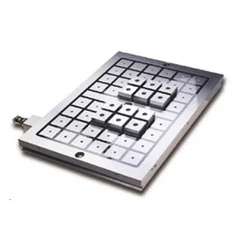


Magnets are widely used in electronics, automotive, and other industries. However, if they are not coated, they will corrode, wear out, or diminish in performance. Magnet coating layers serve as surface barriers that increase the magnet's ability to perform effectively in diverse conditions.
This article will focus on the best coatings for magnets and how they can be optimally used given particular industrial conditions. By understanding the various possibilities, one can make a rational choice of the coatings that are best suitable for magnets.

Importance of Magnet Coatings
When choosing coatings for magnets, it is fundamental to comprehend how those coatings provide for performance in numerous applications. Here are the key benefits.
Protecting Magnets from Corrosion and Rust
Magnets, particularly neodymium magnets, are prone to corrosion due to their iron content. Coatings include a barrier that protects magnets from moisture and other factors that cause rust and shorten their useful life span.
Enhancing Durability in Demanding Environments
The uncoated magnets have disadvantages, such as being relatively fragile or easily damaged under pressure. A shield, for example, rubber or epoxy, increases the magnet's durability so that it can be used for various conditions and rough usage.
Improving Magnet Performance and Longevity
Not only are coatings used for protection but also enhancement of the functional properties of magnets. In this way, coatings prevent the wearing out of the magnet and thus ensure that it retains the required efficiency in a wide range of applications.
Adapting Magnets for Specific Environmental Conditions
Magnet performance is sensitive to environmental conditions like humidity or temperature, so the proper coatings are needed. PTFE and epoxy coatings are among the protective ones that ensure magnets' versatility in terms of operation environment.
Reducing Wear and Tear in Industrial Applications
Magnetic systems used in industrial applications are exposed to continuous mechanical stress. A coating also helps to prevent impacts and friction and thus guarantees that magnets will continue to function optimally without failure.
Maintaining Efficiency in High-Humidity or Marine Settings
This is important for magnets used in the marine environment or regions where there is a lot of humidity; PTFE or nickel coatings are suitable for such an environment since they allow the magnets to develop high resistance to moisture and salt water, thus enabling it to continue to be efficient.
Ensuring Compatibility with Sensitive or Medical Devices
In medical and consumer applications, the gold coating makes the magnets hypoallergenic and guarantees their safety when in direct contact with an electronic device or the skin.
Common Types of Magnet Coatings
Magnet coatings are also important in increasing performance, as well as in defense against external conditions to have a longer life span. Below is a brief description of the more general types of magnet coatings, as well as several other types, such as rubber-coated magnets, plastic-coated magnets, and epoxy-coated magnets.

1. Nickel (Ni-Cu-Ni)
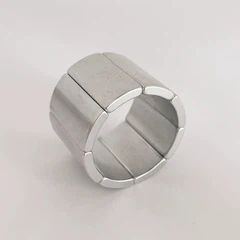
Nickel is probably the most common coating for magnets, primarily because of its high corrosion protection and very good wear properties. The Ni-Cu-Ni triple layer gives it a good shield that guards magnets against oxidation situations; thus, its general use in the industry.

2. Epoxy Coated Magnets
Epoxy coatings are often used with magnets if the magnet work is to be used in areas with high humidity or in contact with saltwater. This coating forms a tight and hydrophobic layer about the magnet that does not allow it to rust. Epoxy-coated magnets are most suitable for marine or outdoor use, but they erode faster under physical contact.
3. Zinc
Zinc is an economical metallic coating that provides only a reasonable degree of protection from rust and corrosion. Even though zinc is not as tough as nickel or epoxy, zinc coating is ideal for low-cost applications or in areas where the components are not exposed to heavy conditions.
4. Gold
Gold coatings are fashionable and compatible with biological environments; thus, the coatings are perfect for use in the healthcare sector and electronic devices with high standards. However, gold coatings are relatively expensive and are used mostly in unique applications only.
5. Rubber Coated Magnets
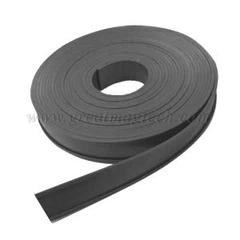
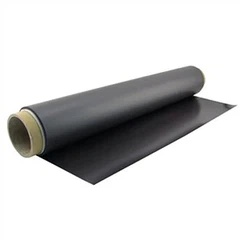
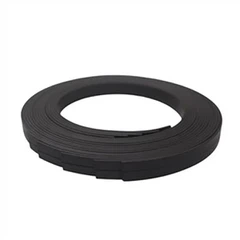
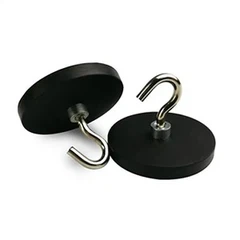
Coated Rubber has very good frictional properties and also has good shock-absorbing properties, which makes it ideal for use where magnets are in direct contact with the item to be magnetized. They also afford wear and moisture protection to increase durability in different conditions.
6. Plastic Coated Magnets
Moreover, the plastic coatings are very light to support structure additions and are highly resistant to corrosion. Electrical-coated magnets are among the most useful and appropriate for those designs which need a nonelectric cover.
7. PTFE (Teflon)
Teflon or PTFE is a non-stick material that gives excellent chemical and moisture resistance. It is ideal for industries that use magnets in areas where the magnets are vulnerable to chemical corrosion or high temperatures.
What is the Best Coating for Magnets in Specific Industries?
In various industries, magnets of certain characteristics are used to meet these conditions and needs of the industries. Here's a breakdown of the best magnet coatings for various sectors:
1. Medical Industry
In medicine, gold-plated magnets are widely used owing to their noncorrosive and nontoxic type of material. Gold coatings do not actively engage with other elements and therefore, they are very useful in medical applications such as in medical devices, implants, and diagnostic instruments that come into contact with human bodies. Nickel coatings can also be applied in situations where biocompatibility is not an issue because metal coatings can offer service durability and protection from corrosion.
2. Automotive Industry
In automotive applications, epoxy-coated magnets are widely used for their superior performance in applications to high-stress environments. These magnets are subjected to different mechanical loads and harsh thermal conditions, and hence, epoxy coatings simulate the best solution for the performance and durability of automotive parts.
3. Electronics Industry
Nickel-coated magnets are preferred in electronics because they are highly conductive and relatively hard-wearing. The corrosion protection which is provided by nickel coatings to magnets is also useful where high performance of products such as motors, speakers, and sensors in which functionality can be very sensitive is required.

4. Marine Industry
For marine applications, the best coating is PTFE (Teflon) or epoxy since they do not corrode when exposed to saltwater or constant exposure to moisture and use in marine environments.
5. Food Industry
In the food industry, for instance, plastic-coated magnets are more often used since they are safe to come into contact with food and because they do not degrade when exposed to cleaning chemicals. They are used in equipment where internal contamination by foreign materials and reactions to moisture are undesirable.
6. Aerospace Industry
In aerospace, nickel or gold-coated magnets are often employed to retain the high performance of the magnet and also to be able to withstand conditions such as high temperatures and radiation.
In this way, manufacturers can select the right coating for each industry, so magnets work as required within particular conditions.
Factors to Consider When Choosing a Magnet Coating
1. Environmental Conditions
The environment in which the magnet will work has a significant influence on the choice of coatings. If the magnet is placed outdoors or if it is exposed to moisture or chemicals, epoxy or PTFE coatings are better for corrosion and, thus, appropriate for wet or severe conditions. Nickel coatings are fine for normal use but are not ideal for high humidity and marine environments. This section reveals that Gold and PTFE coatings are more tolerant to high temperatures.
2. Durability
In the case of rough handling, wear, and impacts on magnets, the coating has to be protective. Rubber coatings are particularly suitable for such applications because they provide both a surface covering and increased friction. Zinc coatings also need moderate protection and are preferred for use in outdoor or industrial settings. Regarding impact resistance, epoxy and rubber coatings do a better job than other metallic coatings in the same category.
3. Application-Specific Needs
The coating should correspond to the magnet's use. For example, rubber plating is ideal for security as it offers a firm grip to fix the magnet on the surface, whereas PTFE coating is ideal for sliding purposes as it has a smooth surface. Furthermore, if chemical exposure is an issue, PTFE-coated materials are preferred for handling rough chemicals.
4. Cost and Practicality
Budgetary constraints are also very critical. Nickel and zinc coatings are cheaper for common uses but when foreseeing more demanding applications then, gold or PTFE coatings are more expensive yet vital for such functions as longevity, beauty, or adverse weather conditions.
What are the Best Applications of Magnetic Coating?
There are many applications of magnets, and the coating material used in any magnet depends on the function it is to perform and how long it is supposed to last. Let's look at the best coatings for several common magnet uses.

Normal Magnet Use
For general magnet use where the magnet is not exposed to a moist or strictly corrosive environment, then nickel-coated is a perfect option. Unfortunately, the Ni-Cu-Ni (nickel-copper-nickel) plating provides good anti-corrosive properties and provides the magnet with a smooth, bright, reflective surface. This is particularly useful for those indoor applications where the magnet will not be exposed to very harsh conditions.
Impact Resistance
Due to their inherent brittleness, neodymium magnets can shatter if they are dropped or struck in some other manner. Where magnets could be dropped or might have an impact on other objects, it is possible to purchase plastic-coated magnets or rubber-coated magnets. These coatings provide additional protection in case the magnet breaks or gets involved in an accident, they also add to the protection of the magnet. Industrial uses of rubber mounting magnets include their use in shock and impact absorption.
High Heat Applications
At high temperatures, the metal plating can be insufficient to hold the magnet's properties in check, literally. In this case, high-temperature magnet coatings, including nickel plating along with high-temperature grades (NM or NH), are appropriate. These coatings afford much higher protection and also guarantee that the magnet will not lose its magnetic force even when exposed to high temperatures.
Hanging and Mounting
One common problem that magnets for hanging applications experience is low friction, which may reduce the magnet's ability to function properly. Therefore, for secure mounting, the most suitable types are either rubber-coated magnets or rubber-mounting magnets. In addition, the outside layer of rubber gives more traction to prevent falling and is ideal for hanging items such as decorations, tools, or signs.
Outdoor and Moist Environments
There are indoor uses of a magnet, and if the magnet will be used outside or in a place that comes with moisture such as in the washroom, then a plastic-coated magnet should suffice. Magnets coated with plastic and thermoplastic rubber do not have issues when exposed to water, UV radiation, and corrosion hence their durability in harsh weather.
Choosing the right kind of coating for each application greatly enhances the magnet's durability and can perform better in various conditions.
Magnet Coatings Impact on Strength & Performance
Corrosion and environmental shields are very applicable for magnet coatings, although they can diminish a magnet's potency. Coating of greater thickness may cause a slight reduction in strength because the additional material serves to insulate the magnet from its environment. Nonetheless, coatings such as nickel or epoxy withstand corrosion while exerting negligible effects on the magnetic characteristics, which are suitable for use in such conditions.
These types also provide further advantages, for example, increased coefficient of friction and flexibility, but their magnetic attraction may be a little weaker than that of smooth bars of the same material. Selecting a proper coating material depends on its service life, its impact on the environment, and the performance of the magnet. Companies like GME provide coated magnets that ensure durability without compromising strength.
Final Words
Therefore, choosing the appropriate type of coatings for a magnet plays a crucial role in the preservation of its functionality. It acts as a barrier against corrosion, durability aspect, safety against environmental influences, and performance in different conditions. It is crucial to establish how this coating impinges on the magnet's strength. Do you need a protective coating that won't compromise strength? Is durability your top priority? Realizing these coating trade-offs will allow the users to decide which coating would be the most ideal for their applications.