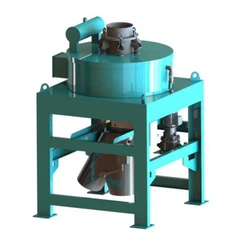
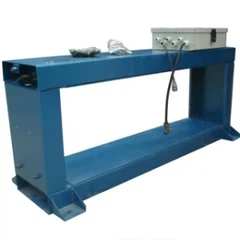

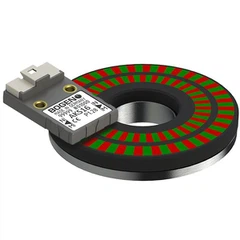
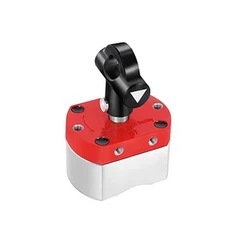






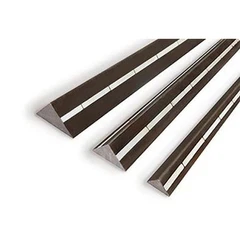
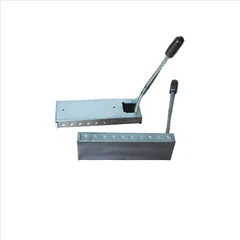
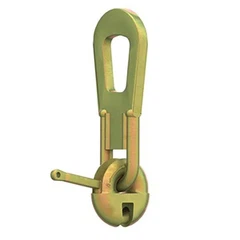


Permanent magnetic separators are widely used in industrial processing to remove ferrous contaminants from bulk materials. Metal fragments can enter production lines through raw materials, equipment wear, or handling processes, potentially damaging machinery and affecting product quality.
Unlike electromagnetic systems, permanent magnetic separators operate without a continuous power supply. They generate a stable magnetic field that captures iron particles as materials pass through or over the magnetic surface. This makes them suitable for continuous production environments where reliability and low operating cost are critical.
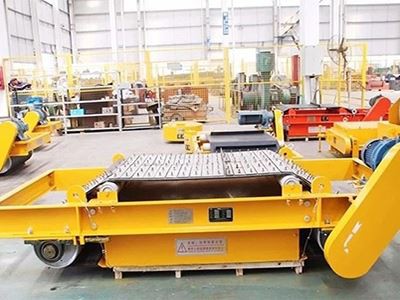
These systems are commonly installed at key control points such as conveyor belts, chutes, hoppers, and pneumatic transfer lines. When properly selected and installed, they improve material purity, protect downstream equipment, and support consistent production performance.
What Is a Permanent Magnetic Separator?

A permanent magnetic separator is a device designed to remove ferrous metal contaminants from bulk materials during industrial processing. It uses permanent magnets to generate a constant magnetic field without requiring an external power supply.
These separators are typically installed in material-handling systems, such as conveyors, chutes, hoppers, or pipelines. As material flows through the system, ferrous particles are attracted to the magnetic surface and separated from the non-magnetic product stream.
Permanent magnetic separators are commonly used to protect processing equipment, prevent product contamination, and maintain consistent production quality in industries that handle powders, granules, aggregates, or liquids.
How Permanent Magnetic Separators Work
Permanent magnetic separators operate based on magnetic attraction. The internal magnet assembly generates a continuous magnetic field that extends into the material flow path.
When bulk material passes over or through the magnetic field, ferrous particles experience a magnetic force and are drawn toward the magnet's surface. Non-magnetic materials continue along the production line without interruption.
The efficiency of separation depends on several factors:
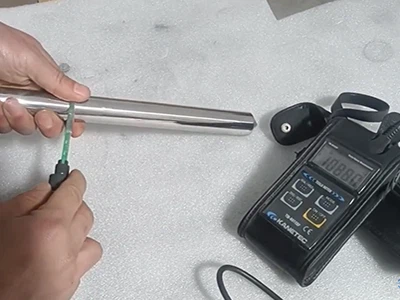
Magnetic strength (Gauss level)
Distance between magnet and material
Material flow thickness
Conveyor speed or material velocity
Proper positioning ensures maximum exposure to the magnetic field and improves capture efficiency.
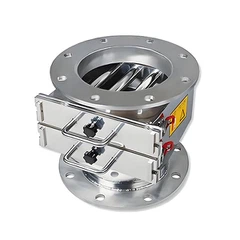
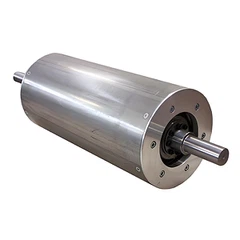
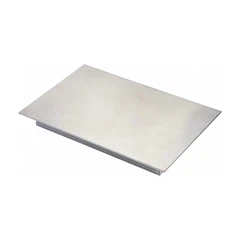
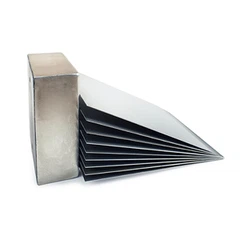
Types of Permanent Magnetic Separators
Permanent magnetic separators are available in different configurations depending on material type, installation position, and cleaning requirements.
The table below outlines commonly used industrial designs.

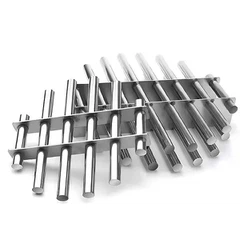
Magnetic Grill

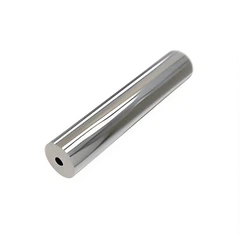
Magnetic Bar

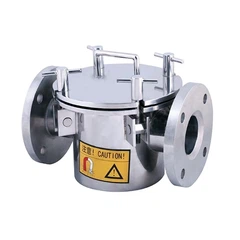
Magnetic Liquid Trap

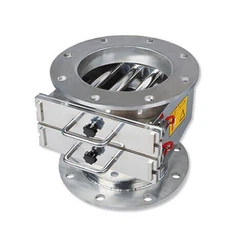
Drawer Magnet

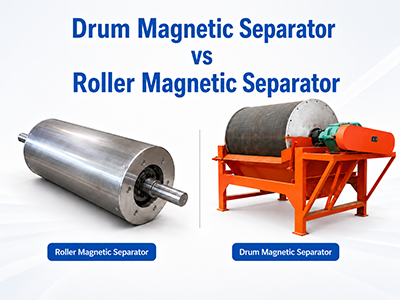
Magnetic Drum

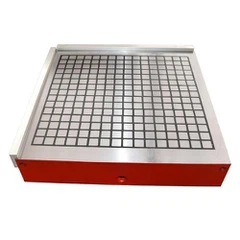
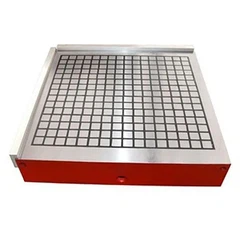
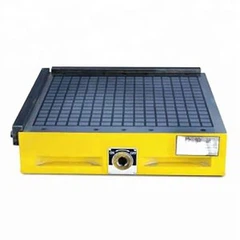
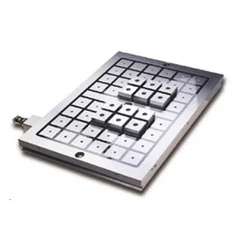
Magnetic Plate

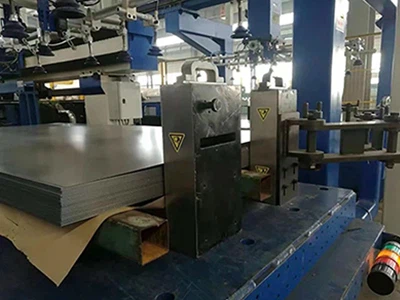
Magnetic Sheet Separator

Logistics machinery
Permanent Magnet vs Electromagnet
Both permanent magnetic separators and electromagnetic separators are used for metal removal, but they operate differently and are suited for different industrial conditions.
The comparison below outlines their key differences.
| Feature | Permanent Magnetic Separator | Electromagnetic Separator |
|---|---|---|
| Power Requirement | No continuous power required | Requires electrical power |
| Magnetic Field | Constant and stable | Adjustable strength |
| Operating Cost | Lower | Higher due to energy consumption |
| Maintenance | Minimal | Requires electrical system maintenance |
| Installation Complexity | Simple | More complex |
| Suitable For | Continuous production, stable environments | Applications requiring variable magnetic control |
Key Technical Characteristics
When selecting a permanent magnetic separator, performance should be evaluated based on measurable technical parameters rather than general descriptions.
Magnetic Strength (Gauss Level)
Magnetic strength determines the ability to capture ferrous particles.
High-intensity rare earth magnets can generate stronger magnetic fields, suitable for fine powders or weakly magnetic contaminants. Ferrite magnets are commonly used for general-purpose separation where large tramp iron removal is required.
Matching magnetic strength to material characteristics improves separation efficiency.
Magnet Material Type
Permanent magnetic separators typically use:
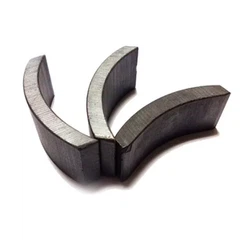
Ferrite magnets (cost-effective, corrosion-resistant)
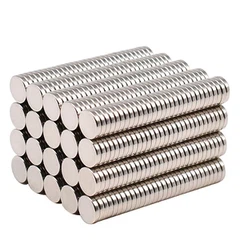
Neodymium (NdFeB) magnets (high strength, compact design)
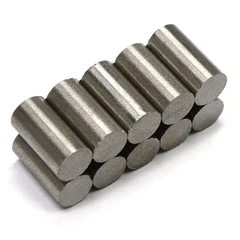
Samarium Cobalt magnets (high temperature stability)
Material selection affects magnetic strength, temperature resistance, and overall durability.
Temperature Resistance
Each magnet material has a maximum operating temperature. Standard NdFeB magnets typically operate below certain temperature limits, while high-temperature grades or SmCo magnets are suitable for elevated temperature environments.
Incorrect grade selection may lead to reduced magnetic performance over time.
Magnetic Depth and Field Distribution
Magnetic depth refers to how far the magnetic field penetrates into the material stream. Thicker material layers require deeper magnetic reach to ensure effective separation. Proper magnet positioning maximizes exposure to the magnetic field.
Structural Design and Cleaning Configuration
Design configuration affects maintenance and operational efficiency.
Options include:
Manual cleaning systems
Self-cleaning (automatic discharge) systems
Inline or suspended installations
Selection should align with production volume and contamination frequency.
Understanding these technical characteristics ensures that the selected separator matches real production conditions rather than theoretical performance.
Industrial Applications of Permanent Magnetic Separators
Permanent magnetic separators are essential in several industrial applications, as they enhance product purity, protect equipment, improve end-product quality, and increase operational efficiency. Their diversity is key to their indispensability in several fields.
Food and Beverage Industry
The preservation of product purity is important for the food and beverage industry to meet safety standards and save the brand reputation. Permanent magnetic separators are used to eliminate metal contaminants from the ingredients and finished products so that consumers enjoy safe and high-quality products. Through the integration of these separators into processing lines, manufacturers will be able to avoid vandalism of equipment and minimize the possibility of product recalls.
Pharmaceutical Industry
The industry of medicinal products needs high degrees of cleanliness and purity to produce safe and efficient medications. Permanent magnetic separators are extensively applied to clean raw materials and finished products of metal contaminants during production and packaging. These separators are fitted along processing lines, and they help pharmaceutical products maintain their value and compliance with strict regulatory standards.
Recycling Industry
The recovery of ferrous materials in recycling operations from wastestreams is critically important. Permanent magnetic separators promote the successful removal of metal contaminants, therefore improving recycling rates and environmental sustainability. Their capacity to manage operations of high capacity and efficient separation performance makes them effective instruments in supporting sustainability.
Mining and Mineral Processing
Permanent magnetic separators are not only an indispensable part but also an extremely important means of efficiently separating valuable minerals from impurities in the mining and mineral processing industries. These separators are especially convenient during the process of extraction from iron ore as they can produce high-quality metals and other resources. Permanent magnetic separators cut operational costs while improving the final product's purity by enhancing the efficiency of the extraction of the minerals.

Plastics Industry
Permanent magnetic separators used in the plastics industry are used to clean metal contaminants from plastic products and recycled plastic materials. Such separators are especially useful in guaranteeing the purity and availability of plastic materials for further processing or processing. Permanent magnetic separators are extremely important in the plastics industry as they help to avoid equipment damage and increase the quality of plastic products.
Textile Industry
Permanent magnetic separators are critical in the textile industry for such purposes as fiber and fabric separation from metal debris during the manufacturing process. Metal contaminations may create flaws in textile products and damage production equipment, hence the use of magnetic separators to keep the production process smooth. Textile manufacturers avoid machine damage and maintain a good quality of products while increasing production efficiency through the application of permanent magnetic separators.
How to Choose the Right Permanent Magnetic Separator
Selecting the correct permanent magnetic separator requires evaluating real operating conditions rather than choosing based on general specifications.
Step 1: Identify the Type of Contamination
Determine whether contamination consists of large tramp iron, fine particles, or weakly magnetic materials. Fine powders or weakly magnetic contaminants typically require high-intensity rare-earth magnets.
Step 2: Evaluate Material Flow Conditions
Consider how material moves through the system:
Conveyor belt
Gravity-fed chute
Pneumatic pipeline
Liquid or slurry flow
Material thickness and flow speed directly influence magnetic exposure and separation efficiency.
Step 3: Confirm Production Capacity
Throughput capacity (tons per hour) must match separator design. Undersized systems may overflow or reduce capture efficiency, while oversized systems increase cost unnecessarily.
Step 4: Select Magnetic Strength and Material
Choose magnet type (Ferrite, NdFeB, or SmCo) based on required gauss level and operating temperature. Avoid selecting a higher strength than necessary without a technical justification.
Step 5: Determine Cleaning Method
Manual-cleaning systems are suitable for moderate contamination and controlled environments. Self-cleaning systems are recommended for continuous or high-volume operations.
Step 6: Consider Installation Constraints
Measure available space and mounting configuration. Suspended systems require clearance above conveyors, while inline systems must fit inside chutes or pipelines.
FAQs
Q: What Gauss level is required for effective metal removal?
A: The required Gauss level depends on contamination size and material type. For large tramp iron, moderate magnetic strength is usually sufficient. For fine powders or weakly magnetic particles, high-intensity rare-earth magnets are typically necessary.
Q: Can permanent magnetic separators remove stainless steel?
A: It depends on the stainless steel grade. Ferritic and martensitic stainless steels are magnetic and can be removed effectively. Austenitic grades such as 304 or 316 are weakly magnetic and may require high-intensity systems for partial separation.
Q: What is the difference between magnetic strength and magnetic depth?
A: Magnetic strength refers to the intensity of the magnetic field (measured in Gauss). Magnetic depth refers to how far the magnetic field extends into the material flow. Both factors influence separation efficiency.
Q: How often should a magnetic separator be cleaned?
A: Cleaning frequency depends on contamination level and production volume. Manual systems require scheduled inspection, while self-cleaning systems automatically discharge captured metal during operation.
Q: Can permanent magnetic separators be used in high-temperature environments?
A: Yes, but magnet grade must be selected carefully. Standard NdFeB magnets have temperature limits. For elevated temperatures, high-temperature NdFeB or Samarium Cobalt magnets are recommended.
Q: How do I determine the correct separator size?
A: Separator size should be based on throughput capacity, conveyor width, material thickness, and installation layout. Technical evaluation is recommended before final selection.
Q: What maintenance is required for permanent magnetic separators?
A: Maintenance typically involves periodic cleaning, inspection of mounting stability, and checking for physical damage. Self-cleaning systems require inspection of discharge mechanisms to ensure smooth operation.
Q: What materials cannot be removed by permanent magnetic separators?
A: Permanent magnetic separators are designed to remove ferrous metals. Non-ferrous metals such as aluminum, copper, and brass cannot be captured unless combined with other separation technologies.
Q: Do permanent magnetic separators require calibration?
A: Unlike electromagnetic systems, permanent magnets do not require electrical calibration. However, periodic performance checks are recommended to ensure consistent separation efficiency.
Conclusion
Permanent magnetic separators play a critical role in industrial processing by removing ferrous contaminants from bulk materials. When properly selected and installed, they protect downstream equipment, improve product purity, and support stable production performance.
Selection should be based on contamination type, material flow conditions, throughput capacity, and operating temperature. Matching magnetic strength, separator configuration, and cleaning method to real production requirements ensures long-term reliability and efficiency.
Great Magtech provides permanent magnetic separator solutions for a wide range of industrial applications. If you are evaluating equipment for your production line, technical details such as material type, flow rate, and installation layout can help determine the most suitable configuration.