











Suppliers, along with integrators and recommendation providers to manufacturers who bring automation solutions, understand how metal sheets create challenges when piled together. Much like automotive manufacturers, metal fabricators, and packaging operations, you have witnessed how poor manual sheet separation reduces efficiency while increasing safety risks on the shop floor. Knowledge of magnetic sheet separator operation serves as a winning solution for your customers throughout sales discussions.

Why Magnetic Sheet Separators Are Critical for Modern Manufacturing
Your business clients face intense pressure to create automated workflows while minimizing waste generation and ensuring employee safety at work. The magnetic sheet separators resolve several customer problems through the following solution components:
Reducing Manual Labor Risks
The process of manually separating sheets between magnets poses risks to workers, including cuts, muscle strains, and crushed fingers.
Automatic separation systems replace manual worker participation, ensuring operation standards remain within OSHA compliance.
Boosting Throughput
Production speed decreases because manual separation methods form bottlenecks that hinder productivity.
Magnetic separators enable continuous high-speed feed capacities, benefiting CNC machines, robots, and conveyor systems.
The Magnetic Sheet Separator Working Principle Explained
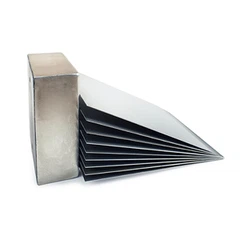
The magnetic sheet separator operates based on the fundamental physical law that states similar magnetic poles attract each other. A basic explanation of this principle in practice, when separating sheets, is provided below.
Magnetic Field Generation
Inside the separator reside magnets of strong permanent composition (especially neodymium) or electromagnet-based control elements.
Your placement of the separator beside steel sheets enables the generation of a magnetic field that penetrates through each sheet.
Inducing Like Polarity
The magnetic field induces the same polarity on the adjacent surfaces of each sheet.
The sheets move apart since similar magnetic charges on two adjacent objects naturally repel each other.
Automatic Separation
The repulsive force separates each sheet with small air pockets.
The top sheet lifts slightly, making it simple to collect by hand or with automated equipment.
Immediately after removing the top sheet, the subsequent sheet automatically rises within the next cycle.
Continuous, Reliable Operation
The automatic operation of this process creates a steady stream of single sheets suitable for stamping, forming, and packaging lines.
When providing this solution, you offer customers both automated repetitive task management and physics-based automation.
Types of Magnetic Sheet Separators
Magnetic sheet separators exist in multiple models because they need to fulfill diverse operational specifications, which include material state and automation depth. The following section describes the basic categories in detail.
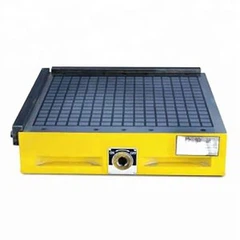
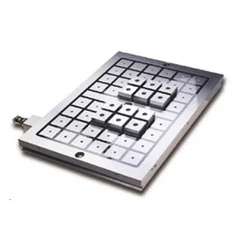
1. Permanent Magnetic Sheet Separators
●Working Principle:
Permanent magnetic sheet separators operate using steel or ferrite, or rare earth magnets to maintain a steady magnetic field strength. A constant magnetic field generated by the field induces like magnetic charges on touching steel surfaces, which pushes them apart. The separator operates with persistent automatic activation, which eliminates the need for an external power source while delivering enhanced reliability alongside maintenance convenience6.
●Applications and Advantages:
This technology best suits dry thin non-adhesive sheet materials while enabling continuous operations that demand minimum maintenance efforts. Their operations deliver cost-favorable performance alongside resistance to corrosion while supporting high-temperature processes. Installation happens without hassle, and the separators come in multiple sizes, which suit different sheet combinations with different thicknesses and potential stacking heights.

2. Electromagnetic Sheet Separators
●Working Principle:
An external power supply energizes coils, which produce a magnetic field that drives electromagnetic sheet separators. The electromagnetic field power increases or reduces according to standard current input until operators match the separator strength to their target sheet dimensions, weights, or material properties. The equipment successfully works with numerous sheet types because of its adaptable force settings that address sheets with coatings and oil.
●Applications and Advantages:
Electromagnetic separators serve best in operations that need adjustable magnetic strength for handling sheets of different thicknesses throughout automated production lines. These devices show adaptability, which helps optimize the separation process for difficult materials.
3. Air-Activated Magnetic Sheet Separators
●Working Principle:
Magnetic separation technology achieves improved results through the combination of air bursts with magnetic sheet identification. A magnetic field begins the sheet separation process, but carefully directed air jets function to break surface connections between sheets as needed for oily or sticky, or densely packed operations. Such a combined methodology produces suitable separation results across challenging circumstances.
●Applications and Advantages:
Industrial grading tools provide excellent benefits in modern automated systems that need to control sticking from dirty sheet materials. Particulate removal throughout sheet movement stems from air jet technology, which provides unbroken sheet motion and automatic handling functionality and minimal operational delays.
Magnetic sheet separators exist as distinct types that deliver specialized solutions according to sheet thickness requirements and surface condition needs, as well as automation functionality requirements. The correct magnetic separator choice brings improved production efficiency while minimizing operator interaction and maintaining steady sheet separation during tough industrial applications.
Deep Dive: The Physics Behind Sheet Separation
The explanation of how magnetic sheet separators achieve reliability effectively helps you win the trust of technical customers.
The steel sheets within the magnetic field generate temporary magnetism with a corresponding polarity on the facing surface during magnetic exposure.
The same poles repel each other, thus the sheets glide softly into adjacent positions, which breaks surface tension and separation resistance.
An established air space of any depth will enable both tools and human operators to select one sheet without moving the rest.
Provide clients with enhanced magnetic separators and air-assist technology as an added solution for handling thin sheets and heavy oil contaminants.

Key Applications: Where Magnetic Sheet Separators Deliver Value
A significant number of clients who use magnetic sheet separators will be found in these market sectors:
In the metal fabrication industry, magnetic separators stop two sheets from entering processing equipment one after another during stamping, cutting, and forming activities.
The integration of Magnetic Sheet Separators in automotive production enables precise one-sheet delivery, which enhances the effectiveness of welding robots and assembly robots.
The steel processing industry benefits from surface protection, which occurs because mechanical prying and sliding become unnecessary operations.
The system ensures continuous line operation through its capability to supply single sheets on demand.
Your ability to showcase these specific applications places you as an expert who can address your clients' unique business needs.
How to Select and Size a Magnetic Sheet Separator
Your guidance to customers consists of the following protocol:
1. Assess Sheet Material and Thickness
Thicker and denser sheets need magnetic fields with higher strength to separate them.
The aluminum and copper materials remain unresponsive, thus proving the ferromagnetic properties of the sheets.
2. Evaluate Surface Conditions
Separators for air-activated operations should handle sheets that are oily, painted, or coated with a variety of materials.
Any presence of rust or debris will decrease efficiency. Therefore, maintenance cleaning should become a standard procedure.
You need to establish the sheet dimensions and height of the stack for these separators.
The necessary reach and hold strength for sheet separators must match the size and mass of the sheets.
3. Integration with Automation
Multi-level separator arrays should be implemented when dealing with tall stacks.
Assess whether robotic arms, conveyor, or manual stations will use the separator.
Dynamic separator applications exist when the system includes moving gantries for mounting.
4. Environmental Factors
The separator requires specialized magnet coatings and housing materials to withstand extreme temperatures or corrosive operating conditions.
This walkthrough exam of the checklist enables you to demonstrate your competency while establishing your client's trust in your proposed solution.
Overcoming Common Customer Objections
The separator functions properly for both oily and sticky sheets
The design of yes-air-activated magnetic sheet separators ensures optimal performance in challenging applications by combining magnetic power and pressurized air jets.
The separator poses no threat to damage the sheet surfaces
No. Through magnetic field action, the sheet rises easily without any physical touch or scratching. The usage of separators protects sheets from damage because they eliminate both physical manipulation tools and manual sheet sliding.
What about energy consumption?
These separators operate without requiring a power supply. The energy usage of electromagnetic models occurs during operation, while air-activated models require very little compressed air.
Maintenance and Best Practices
Your customers will achieve maximum investment value by adopting these best practices:
●A proper cleaning process of separator surfaces must be carried out regularly to eliminate dust, oil, and metal shavings.
●Examine magnet wear levels, as high-quality magnets rarely suffer from this issue; however, safety-related applications require regular checks.
●The staff requires regular training on secure handling procedures and understanding why ferrous debris must stay away from the separator.
How to Position Magnetic Sheet Separators in Your B2B Sales Strategy
Your offering consists of both productivity benefits and improved safety features, rather than just providing a product. A successful presentation requires three vital steps that should follow this sequence when approaching customers.
Highlight how the product can generate a return on investment through reduced labor expenses and shorter cycle times, while minimizing workplace damages.
The equipment requires minimal maintenance due to its high durability.
Recommend the correct separator by aligning it with the client's individual sheet dimensions and material composition, taking into account their production performance obstacles.
You should help your clients add separators to their existing automation systems to achieve the best results.
Conclusion
Understanding the function of a magnetic sheet separator enables you to become a valuable advisor who assists customers in achieving safer and more efficient sheet processing. Deploy the guidance within this document to achieve the following results. Inform your clients about both the science behind magnetic sheet separation and its primary advantages. Recommend that your customers select the appropriate separator based on their specific needs. Take on the role of an authoritative expert who provides technical expertise with practical application results.