































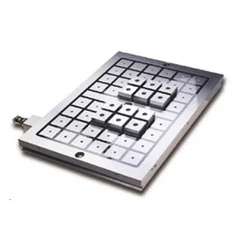


Magnetism is a fundamental natural force generated by the movement of electric charges, particularly the spin and orbit of electrons around an atom's nucleus. It plays a vital role in powering and enhancing a wide range of technologies and industrial systems-from electric motors, generators, and transformers to advanced medical equipment like MRI machines and precision sensors. At the atomic level, magnetism arises when the magnetic fields of electrons align in specific materials, especially ferromagnetic ones such as iron, nickel, and cobalt, creating a measurable and highly functional magnetic effect.

What Is Magnetism?
Magnetism is a natural physical force resulting from the motion of electric charges, primarily the movement and spin of electrons. At the atomic level, electrons orbit the nucleus and also spin on their axis, generating tiny magnetic fields. In most materials, these fields cancel each other out. However, in magnetic materials such as iron, nickel, and cobalt, many of these fields can align in the same direction, producing a net magnetic effect that can attract or repel other materials.
Types of Magnets
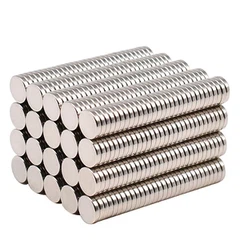
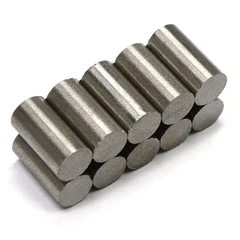
Permanent Magnets: They hold their magnetic field for duration of time. Typical examples are refrigerator magnets and compass needles.
Temporary Magnets: They get magnetized only when near the magnetic field and demagnetized when it is removed.
Electromagnets: Constructed by flowing current through a coiled wire, the power can be controlled by modifying the current.
How Does Magnetism Work
The magnet works because of the small particles called electrons. This electron spins to create a small magnetic field. In most things, these magnetic fields are offset. However, small magnetic fields align in the same direction in certain materials, such as iron. The magnetic field is aligned when a magnet is rubbed into such a material or exposed to a magnetic field. This alignment creates magnetic forces to create the North and South Poles. The poles repel, and the opposite poles draw. This simple alignment turns the material into a magnet, attracting and repulsing other magnets and magnetic materials.
problem-solving, and increased trust and credibility in B2B relationships.
Magnetic Fields and Their Behavior
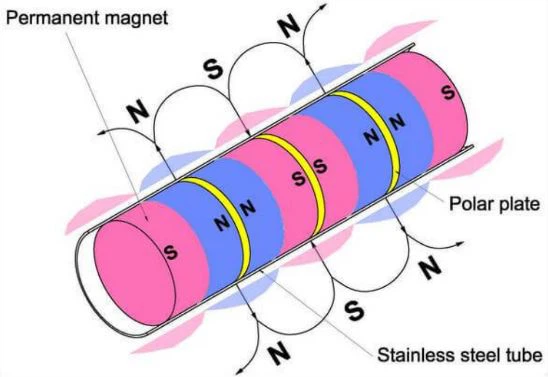
A magnetic field is an invisible region around a magnet that can sense magnetic forces. It can be described as a magnetic field line exiting from the magnet's North Pole and bending so that it returns to the South Pole. The lines' density describes how strong the magnetic field is; the closer the line is, the stronger the magnetic field.
When two magnets are working, like charges attract one another's poles, and like poles repel each other. It is the rule used in manufacturing magnetic devices and magnetic systems.

Applications of Magnetism Across Industries
Magnetism plays a crucial role in a wide range of industries, supporting innovation, performance, and efficiency. Below is a categorized overview of key applications, along with relevant examples:
1. Electronics and Data Storage
Hard Drives and Magnetic Tapes: Use magnetic fields to encode and retrieve digital information.
Example: Modern HDDs in computers rely on precision magnetic heads to read and write data efficiently.
Speakers and Microphones: Convert electrical signals into sound using magnetic drivers.
Example: High-fidelity audio systems use neodymium magnets for better sound clarity in compact designs.
2. Industrial Automation and Manufacturing
Electric Motors and Generators: Convert electrical energy into mechanical energy (and vice versa) through magnetic fields.
Example: Industrial conveyor systems use brushless DC motors with strong permanent magnets for consistent motion.
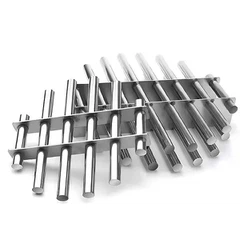
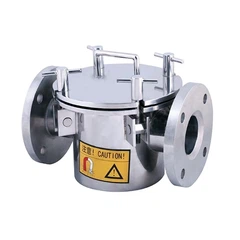
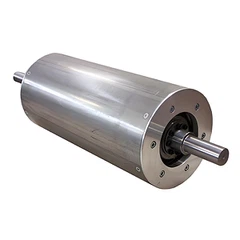
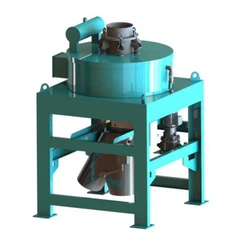
Magnetic Separators: Extract ferrous contaminants from materials during processing.
Example: Food manufacturing plants use magnetic separators to ensure metal-free final products.
3. Healthcare and Medical Technology
Magnetic Resonance Imaging (MRI): Employs strong magnetic fields to align hydrogen atoms for high-resolution imaging.
Example: Hospitals rely on MRI to diagnose neurological and soft tissue conditions without using ionizing radiation.
Targeted Drug Delivery: Uses magnetic particles to transport drugs directly to affected areas.
Example: Research labs develop magnetically guided nanocarriers for cancer therapy.
4. Transportation
Maglev Trains: Use magnetic levitation and propulsion for high-speed, low-friction transport.
Example: Japan's SCMaglev train uses superconducting magnets to reach speeds over 600 km/h.
Electric Vehicles (EVs): Utilize magnet-based motors for efficient energy use.
Example: Tesla's permanent magnet synchronous motors enhance range and acceleration.
5. Energy and Power Generation
Wind Turbines and Hydroelectric Generators: Depend on magnetic induction to generate electricity from mechanical movement.
Example: Offshore wind farms incorporate large-scale permanent magnets in turbine generators for sustainable power.
Choosing the Right Magnet for Your Business
The selection of the proper magnet has some specifications. How does Magnetism work?
Strength Requirements: Requirements of Strength: Respective is are to be used in applications requiring high magnetic fields, such as motors and magnetic separators, because neodymium magnets have strong magnetic strength due to their size.
Environmental Factors: Consider your environment. There are magnets whose Magnetism is lost in high temperatures, but some can resist such temperatures.
Size and Shape: The physical dimensions and shapes of the magnet ought to conform to the product's design specifications.
With knowledge of such aspects, we can decide, after adequate information gathering, to optimize magnet performance.
Magnetic Materials and Their Role in Manufacturing
The manufacturing industry relies on magnetic materials, which influence motor design characteristics and product performance specifications. Manufacturers who understand various magnetic materials and their applications can pick the proper components to enhance product reliability and effectiveness.
Types of Magnetic Materials
Magnetic materials have either a ferromagnetic character or do not display magnetic properties. Materials from the ferromagnetic group strong enough to include iron, nickel, and cobalt display intense magnetic properties. These magnetic materials demonstrate high sensitivity to magnetic field conditions because industry utilizes them extensively. Magnetic fields do not affect copper, aluminum, and plastic materials. Manufacturers must grasp this fundamental distinction because material choices control products' performance and work.
Choosing the Right Materials for Your Application
Selecting the appropriate magnetic material is crucial to ensuring optimal product performance, especially in space-constrained or high-efficiency applications. For example, ferromagnetic materials-such as iron, cobalt, and nickel-are essential in devices that require strong and stable magnetic fields, including electric motors, transformers, and magnetic separators. In advanced applications, rare-earth magnets like neodymium are often preferred due to their high magnetic strength in compact sizes, making them ideal for miniaturized medical devices, precision instruments, and high-performance motors.
By understanding the properties of different magnetic materials, manufacturers and B2B sellers can align product capabilities with industry-specific requirements, whether in healthcare, automotive, electronics, or renewable energy.
Magnetism in Electric Motors and Generators
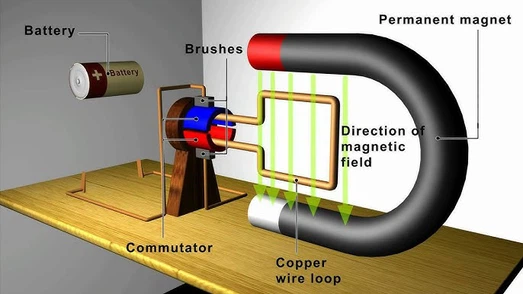
Magnetism is central to electric motors and generators and transforms electrical power into mechanical power and vice versa, producing mechanical power. Knowing how magnetic fields respond to currents is central to optimizing the efficiency and performance of these vital machines.
How Electric Motors Use Magnetism
Electric motors convert electricity into mechanical motion through the key function of Magnetism. The magnetic field interaction serves as the operating principle of electric motors. The coil receives motion due to a developing force when electric current flows through the magnetic field-encased wire. Physical motion provides operation for most of the equipment deployed in modern devices. Manufacturers use the understanding of Magnetism in motion to develop better and longer-lasting motors that power various devices, including electric vehicles and washing machines.
Magnetism in Generators
On the other hand, generators convert mechanical energy to electrical energy using the concept of Magnetism. In this case, the coil is moved across the magnetic field using mechanical movement for current induction is a fundamental concept in power generation used in plant and industrial applications. Using the operation of magnets used in generators, we can determine stable and efficient power, thus ensuring smooth running.
Magnetic Fields in Healthcare Applications
Magnetic fields are vital in the medical sector, powering devices like MRI machines and allowing for greater medical care. The knowledge of magnetic field application enhances diagnostic devices and treatment methods, and contributes valuable information on Magnetism's role in the healthcare revolution and the care of patients.
Magnetic Resonance Imaging (MRI)
The most excellent use of Magnetism in the medical sector is magnetic resonance imaging (MRI). The MRI device has a strong magnetic field that aligns the hydrogen atoms in the body. When radio waves are put on this aligned atom, radio waves create signals and utilize the signal to produce high-quality images of the body structure. CT scans and X-rays do not use ionizing radiation, so MRIs can be used to image diagnostics more securely for patients.

Other Healthcare Uses of Magnetism
In addition to MRI, Magnetism is also used in other applications within health care. Magnetic implants find application chiefly in medical devices implanted in the body for therapeutic and monitoring. Further, in drug delivery, by the use of magnets, the drug is delivered to the site of interest in the body. Utilization of Magnetism for health care offers enhanced treatment options, whereby patients receive the correct drug at the proper location, and the outcome of treatment is improved.
Conclusion
Magnetic technology supports the manufacturing and electronic industries as well as healthcare facilities. Comprehending magnetic principles enables B2B sellers to improve their products and make better decisions. Knowing how Magnetism works, basic magnetic principles, and their usage in motors, generators, and magnetic assemblies enables businesses to enhance their market position. Great Magtech (GME) is the top global supplier of premium rare earth magnets and specialized magnetic systems to customers worldwide. GME remains focused on quality, reliability, and excellent service while being dedicated to supporting your business's magnetic technology needs.
FAQs
What Is a Rare Earth Magnet?
Permanent magnets of high strength emerge from alloys that contain rare earth elements. High-intensity magnet properties and many practical applications define rare earth magnets.
How Is Magnet Strength Calculated?
Magnet strength is defined by magnetic field strength (unit Tesla) and magnetic moment. In the real world, how does Magnetism work? The company can provide the full specifications of the magnet strength.
Are There Any Safety Precautions Required When Dealing with Magnets?
The powerful magnets present safety issues because they both cause destructive compression to bodies and create electronic interference. The device requires careful handling while respecting all manufacturer safety instructions.
How to Prevent Magnet Demagnetization?
Avoid high temperatures, physical shocks, and exposure to opposing magnetic fields. Choosing magnets with high resistance to demagnetization, like rare earth types, also helps maintain performance over time.
What Is the Best Way to Select the Appropriate Magnet for My Application?
Reflect on the required magnetic force, environmental conditions (temp, humidity), size restrictions, and operations magnets must facilitate. By contacting magnet manufacturers and suppliers and getting their input, you can have informed advice directly relevant to your situation.