























Magnetic separation solutions have become a game-changer across industries. This is due to how they have revolutionized material processing as well as refinement. These cutting-edge systems effectively separate ferrous and non-ferrous components from mixed materials. This not only boosts product quality. Also, such enhances operational efficiency.
This post analyzes how magnetic separation works, its versatile uses across various sectors, and the technological advancements shaping its future. Discover how this essential technology can optimize processes as well as drive innovation.
What Are Magnetic Separation Solutions?
Magnetic separation refers to advanced methods used to extract magnetic materials from non-magnetic ones. These solutions rely on powerful magnets to isolate ferrous contaminants. The goal is to ensure cleaner outputs for products such as food, pharmaceuticals, and recyclables.
Magnetic separation enhances efficiency while minimizing waste. This is because it plays a vital role in improving product safety and purity. Modern systems are highly customizable. For instance, they offer tailored features to meet specific industrial requirements.
Magnetic separation solutions stand out as indispensable tools for achieving better results as well as maintaining strict quality standards. It could be during mining, manufacturing, or environmental cleanup.
Fundamental Principles of Magnetic Separation
Magnetic separation operates on the intriguing principles of magnetism. These are deeply rooted in the dynamics of magnetic fields and forces. It's important to know the core ideas of magnetism, such as the types of magnets and the behavior of magnetic fields. This will enable you to comprehend its functionality. There are two main categories of magnets: permanent magnets and electromagnets.
Permanent Magnets
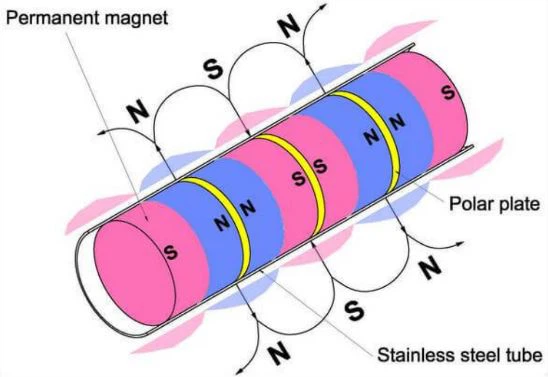
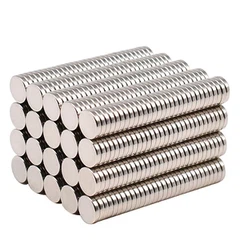
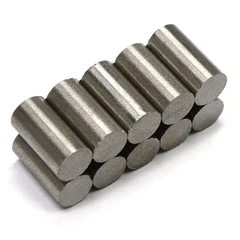
These are crafted from materials like neodymium or ferrite. They tend to retain a constant magnetic field without requiring any external energy source. Their magnetic strength comes from the alignment of atomic magnetic moments. Such makes them perfect for tasks where a steady, reliable magnetic force is required.

Electromagnets
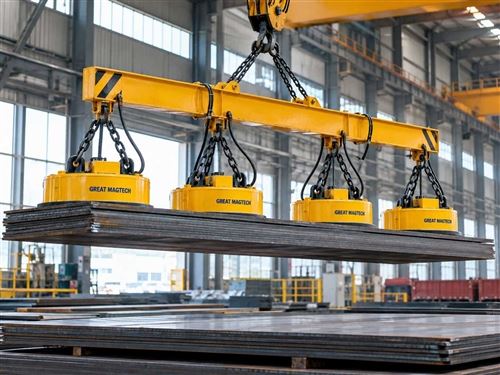
These are created by running an electric current through a coil of wire. In the end, they will produce a magnetic field that can be controlled-turned on, off, or adjusted as needed. Such adaptability makes electromagnets particularly valuable in industrial processes where varying magnetic strengths might be necessary.
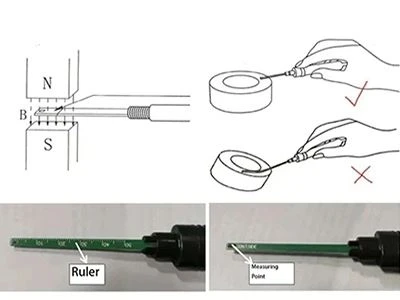
At the core of magnetic separation lies the concept of magnetic fields-invisible zones of force surrounding magnets that influence other magnetic materials nearby. The field's intensity as well as direction are determined by the magnet's properties and arrangement. When magnetic materials (such as iron or nickel) enter this field, they experience a magnetic force that can attract or repel them depending on their orientation and the field's characteristics.
Equipment Used in Magnetic Separation
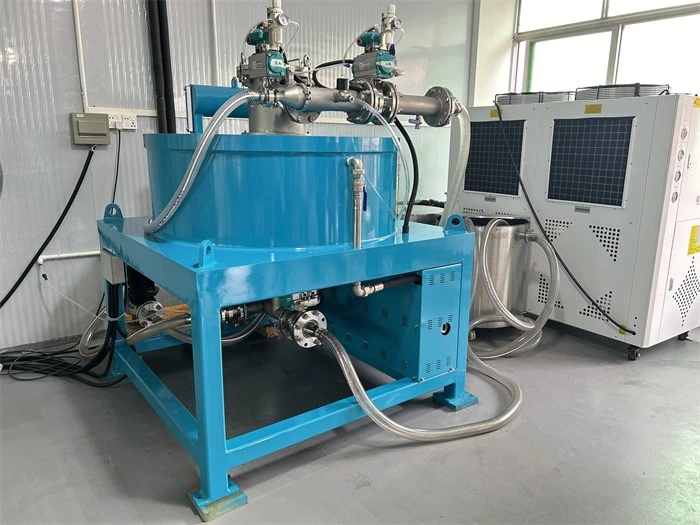
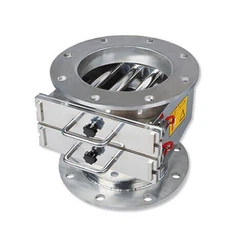
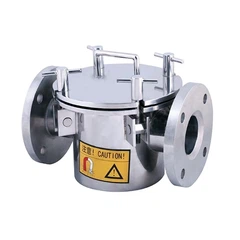
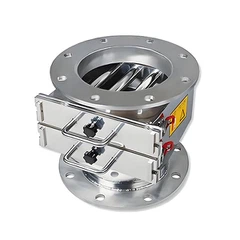
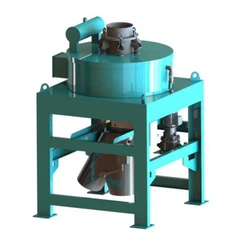
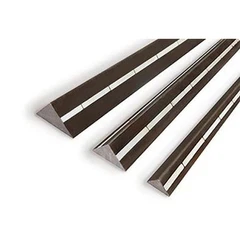
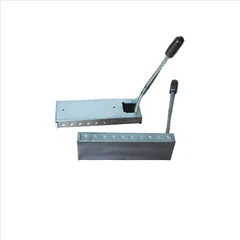
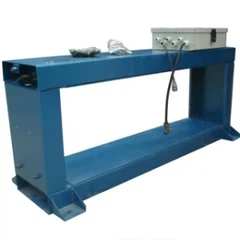
Magnetic separation depends on numerous specialized tools. These are designed to extract magnetic materials from mixtures. Magnetic separators are the most commonly used equipment. They are available in various forms like drums, belts, and plate separators.
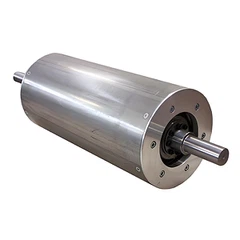
Drum Separators
These make use of a rotating drum to attract or isolate ferrous materials. They are very efficient for processing bulk materials.

Belt Separators
These use a conveyor belt to transport materials through a magnetic field. Such is to ensure industrial operations aren't just uninterrupted. In addition, they will be streamlined.
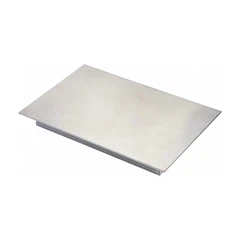
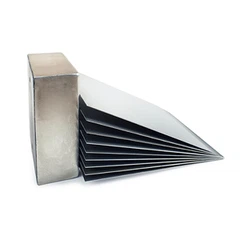
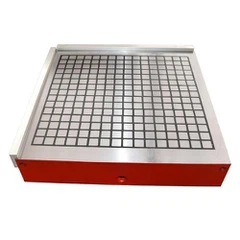
Plate Separators
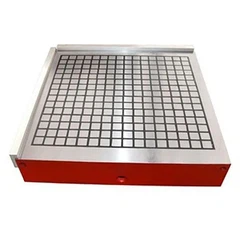
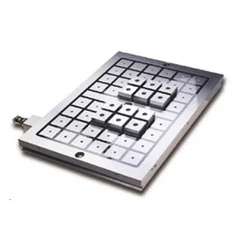
They are typically used for small-scale applications. These have a fixed magnetic plate that captures ferrous contaminants as materials move across its surface.
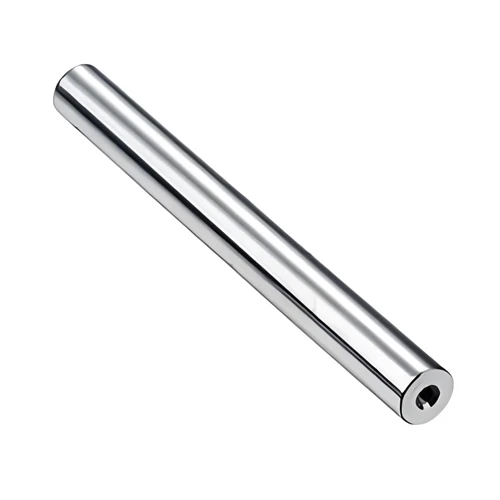
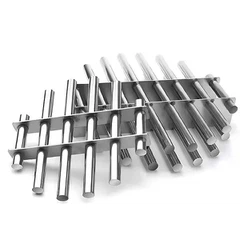
Apart from separators, other tools like magnetic filters and grates are important. They can achieve high levels of product purity. Furthermore, selecting the ideal magnetic separation equipment depends on several factors. These are:
Application Requirements
Consider the type of material, and particle size. Also, do not ignore the level of separation needed.
Operational Demands
Throughput capacity and efficiency requirements play a critical role in decision-making.
Practical Constraints
Installation space, ease of maintenance, and overall durability of the equipment should align with operational goals.
Applications of Magnetic Separation Solutions
Magnetic separation is a highly adaptable technique widely used across industries to improve efficiency and ensure product purity.
Mining and Mineral Processing Industry
This method helps in extracting valuable minerals from ores. It is effective in separating ferrous as well as non-ferrous metals from unwanted gangue materials. For instance, magnetic separators are used to separate iron from iron ore. Such can enhance both the yield and the final product quality. Furthermore, it can also remove impurities to ensure minerals meet strict industry standards.
The Recycling Industry
Magnetic separation is important when it comes to recovering metals from mixed waste. This technique enables the recycling of metals such as aluminum, copper, and steel. Such is possible through the separation of ferrous metals from non-ferrous materials. This process reduces landfill waste and conserves natural resources.
Such will promote sustainability by encouraging the reuse of materials. Magnetic separation is an essential tool for effective waste management. This is due to how it can quickly remove metals from mixed waste streams.
The Food Industry
This industry also relies heavily on magnetic separation. Such is due to how it ensures product safety as well as maintains high-quality standards. Magnetic separators are used to eliminate metal contaminants from food products. These could be grains, powders, and liquids.
This ensures consumer safety. It can also prevent damage to processing equipment caused by stray metal particles. Because food products are free from contaminants, manufacturers can meet stringent hygiene regulations and protect their customers.
The Pharmaceutical Sector
Magnetic separation ensures the purity of active ingredients and final products. It removes metal contaminants during the manufacturing process. This is vital for maintaining the integrity of pharmaceutical formulations.
Again, magnetic separation purifies biomolecules. Such enhances the efficiency of drug development as well as production. This technology plays a critical role in maintaining high standards in pharmaceutical processes.
Advantages of Magnetic Separation
Efficiency and Effectiveness
Magnetic separation is highly valued for its efficiency. It uses magnetic fields to attract and remove magnetic particles. Such a method achieves impressive levels of product purity. The process is fast. Also, it can handle substantial volumes of material.
Cost-Effectiveness
This is probably the biggest benefit of magnetic separation. Compared to other separation methods, it has lower maintenance and operational costs. For instance, magnetic separators consume minimal energy after installation, leading to huge savings over time. This can help businesses that are aiming to cut costs.
Its Environmental Benefits
Magnetic separation is known to promote sustainability. For example, it removes contaminants and also facilitates material recycling. This doesn't just reduce waste. It can also minimize dependence on landfills. Also, it has a lower carbon footprint once compared to conventional methods of separation. This is due to how much energy is required. All of these contribute to eco-friendly industrial practices.
Versatility Across Different Materials
Magnetic separation is highly flexible. For instance, it can be applied to different materials. Such could be metals, minerals, and plastics. This adaptability makes it important in industries like mining, recycling, and food processing. The ability to perform effectively in diverse environments highlights its utility as well as its broad appeal in industrial settings.
Challenges and Limitations of Magnetic Separation Solutions
Material Limitations
Magnetic separation is restricted by the nature of materials it can effectively process. For instance, non-magnetic materials or those with low magnetic susceptibility can hardly be separated. Factors like moisture, particle size, and material composition can also affect performance.
Maintenance & Operational Challenges
This is a critical challenge in magnetic separation systems. Accumulated debris can weaken magnetic strength. Such will bring about regular cleaning to maintain efficiency. Wear and tear on components may result in unexpected downtimes. This will reduce productivity. Also, operators need proper training to handle these systems effectively. All of these can lead to increased costs.
Technological Advancements Needed
Present magnetic separation technologies struggle to handle fine particles or complex mixtures. Therefore, there should be advancements in magnetic materials, automation, and real-time monitoring. These could enable its application in more complex industrial processes.
Future Trends in Magnetic Separation
Innovations in Magnetic Materials
Advancements in magnetic materials like neodymium-iron-boron (NdFeB) and samarium-cobalt (SmCo) have significantly boosted separator strength as well as efficiency. Composite materials with lightweight, flexible properties enable compact designs. Also, superparamagnetic nanoparticles open new possibilities for targeted biomedical applications such as cell and biomolecule separation.
Integration with Automation and AI
This technology is being transformed by automation and AI integration. Systems with smart sensors and AI optimize processes in real time. These can enhance accuracy and reduce costs. Machine learning predicts maintenance needs, thereby minimizing downtime. These technologies align with Industry 4.0, boosting productivity and innovation in separation solutions.
Sustainability and Eco-Friendly Solutions
Eco-friendly magnetic materials and low-energy processes are gaining momentum. Renewable energy powers some systems. Also, the recycling of magnetic components supports circular economy principles. Magnetic separation aids in recovering valuable resources from waste. This reduces landfill impact and aligns with global sustainability goals.
Final Words
Magnetic separation solutions have become indispensable across industries worldwide. For instance, they have proven their value in enhancing efficiency as well as maintaining product quality. Their future advancements promise even greater productivity without compromising global sustainability goals or industry standards. Are you into large-scale or small-scale operations? This innovative technology is worth taking advantage of.