


















Introduction
Magnetism plays a vital role in separating mixtures, offering a simple yet effective way to sort materials based on their magnetic properties. This technique is widely used in various industries, from recycling to mining, helping to improve efficiency and sustainability. Understanding the science behind magnetism allows its optimal use in material separation processes and is very interesting. Let's dive in!
Importance of Magnetism in Separating Mixtures
Magnetism in separating mixtures is an important method that permits the efficient sorting of substances primarily based on their magnetic residences. Whether that be in industrial processes, recycling, or possibly even laboratories, this tactic is widely used to remove or recover specific materials. As the price of industrial sustainability has taken on greater importance, it has also served to underline magnetic separation as a bargain, because this form of magnetic lure commonly minimizes waste and is sometimes more eco-efficient than techniques that otherwise use chemical substances or other elaborate systems.
Understanding Magnetism
What is Magnetism?
Magnetism is a force that is produced by moving electric charges. It causes materials to either attract or repel based on their magnetic properties. This fundamental physical phenomenon plays a crucial role in many technological applications, including the process of magnetism separating mixtures. At its core, magnetism arises from the movement of electrons within atoms. When those electrons align in a selected manner, they generate a magnetic area, which could exert forces on different materials.
Key Principles of Magnetism
It all tends to come from the ideas at the back of magnetism and how magnetic fields and materials interact. Magnetic fields are an absence of space around magnetic forms, due to that attraction and repel occur. In phrases of magnetism classifications ferromagnetic substances (besides iron and nickel) may additionally be strongly attracted to a magnetic field, whilst paramagnetic materials (including wooden or plastic) will now not react.
The effectiveness of magnetism separating mixtures is based on the ability to manipulate these fields to selectively interact with magnetic materials while leaving non-magnetic ones undisturbed. This principle is important in industrial applications where an accurate separation of materials is needed.

Fundamentals of Magnetism
Understanding Magnetic Fields
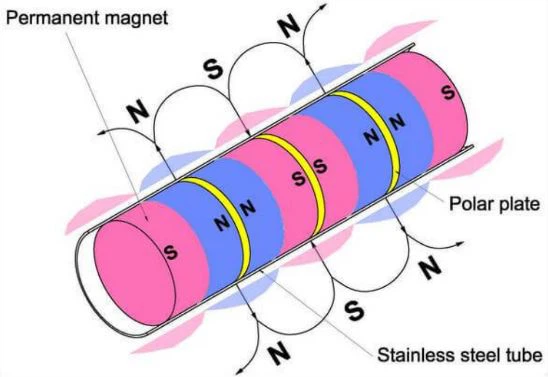
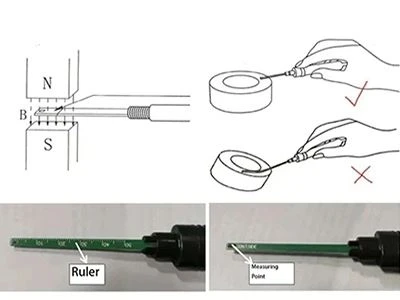
A magnetic field is a force field created by magnetic materials or moving charges. This invisible field enables magnets to apply forces on materials. The strength and direction of a magnetic field determine how effectively it can separate materials during the magnetism-separating mixtures process. The field's influence can be adjusted to pull magnetic materials out of a mixture, while non-magnetic materials are left behind.
Magnetic fields are measured in units referred to as teslas, and the energy of the sphere plays an enormous function in the performance of separation. Industrial magnetic separators are manufactured with powerful magnets that generate robust magnetic fields, letting them handle huge volumes of fabric correctly.
Types of Magnetic Materials
Magnetic materials are divided into three broad categories:
Ferromagnetic Materials:
These materials, such as iron and steel, are strongly attracted to magnets. They are the primary focus of magnetism separating mixtures, as they are the most commonly separated materials in this process.
Paramagnetic Materials:
These materials are weakly attracted to magnets, the same as aluminum. They are not as effective in magnetic separation but can still be influenced by strong magnetic fields.
Diamagnetic Materials:
Materials such as copper or graphite are weakly repelled by magnetic fields, making them largely unaffected during the separation process.
Understanding the types of magnetic materials helps in designing efficient systems for magnetism separating mixtures in different industries.
Principles of Mixture Separation
What are Mixtures?
A mixture is a combination of two or more than two substances where each substance has its properties. In contrast to compounds, the substances in mixtures can be separated by physical methods without altering their chemical structure. Mixtures can either be homogeneous, where the components are evenly distributed or heterogeneous, where the components are easily distinguishable. Magnetism separating mixtures is most useful in separating heterogeneous mixtures, where magnetic and non-magnetic materials are combined.
Methods of Separating Mixtures
There are various methods for separating mixtures, such as filtration, evaporation, and distillation. However, magnetism separating mixtures offers a distinct advantage when one of the materials is magnetic. This method is particularly effective in sorting mixtures of ferrous (magnetic) and non-ferrous (non-magnetic) substances, making it one of the most efficient ways to handle certain types of materials.
Magnetic Separation
What is Magnetic Separation?
Magnetic separation is the process of using magnets to separate magnetic materials from non-magnetic ones. This technique is based on the principles of magnetism and works by utilizing the magnetic properties of materials to attract or repel them from a mixture. It's a straightforward and effective way to separate materials, especially in industrial applications where large quantities of material need to be sorted.

How Magnetic Separation Works
Magnetism in separating mixtures includes exposing a mixture to a magnetic field. Magnetic materials have an attraction to the magnetic field, while non-magnetic materials do not have any effect. For example, in a recycling plant, magnets can be used to remove iron from a stream of mixed materials, leaving behind other non-magnetic substances. The strength of the magnetic field is a key factor in how effectively the materials are separated. High-strength magnets can separate even wonderful particles from mixtures, ensuring efficiency in the process.
Applications of Magnetic Separation
Industrial Applications
The applications of magnetism separating mixtures are widespread, particularly in industries where efficient material recovery or waste reduction is crucial. Some key industrial applications include:
Mining and Mineral Processing:
In the mining industry, magnetic separation is used to separate valuable minerals, such as iron ore, from other materials. This separation increases the purity of the extracted mineral, making the process more efficient.
Recycling:
Magnetic separation is widely used in recycling to separate metals, such as steel and aluminum, from other waste materials. This helps in the recovery of metals, which can be reused, thus promoting sustainability and reducing waste.
Food Processing:
Magnetic separators have been used in food production as well, to eliminate metal contaminants from products like flour and grains. This makes sure that the final product is safe and healthy to use.
Everyday Applications
In addition to industrial applications, magnetism separating mixtures is useful in everyday life. One example is the use of magnetic filters in water purification systems to remove metallic impurities. Additionally, household vacuum cleaners often use magnets to help separate ferrous materials from other debris. These applications show that the benefits of magnetic separation extend beyond industrial processes and into regular household use.
Tools and Techniques in Magnetic Separation
Types of Magnetic Separators
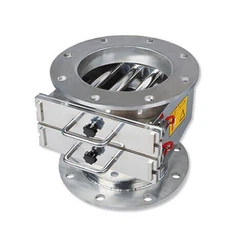
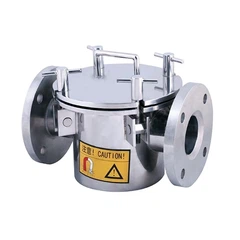
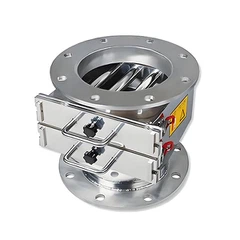
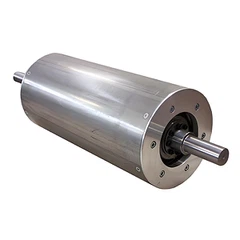
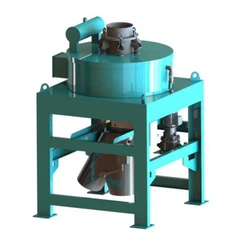
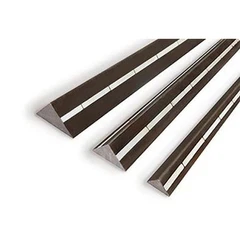
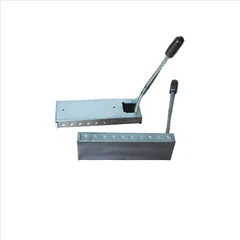
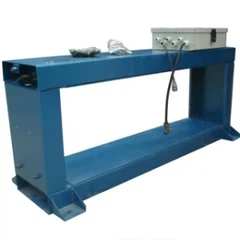
Various types of magnetic separators are tailored to different needs. Some common types include:
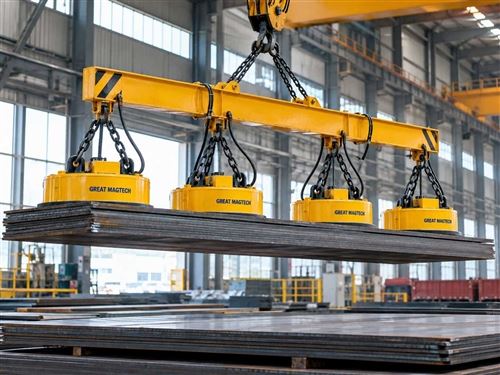
Overband Magnetic Separators: These are commonly used to remove ferrous materials from bulk materials flowing on conveyor belts.
Magnetic Drums: Magnetic drums are used in industries like mining to separate magnetic materials from non-magnetic ones as the material passes through a rotating drum.
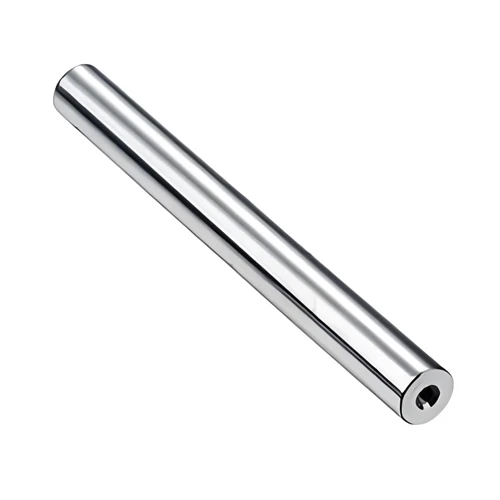
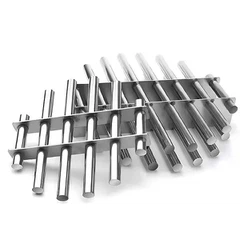
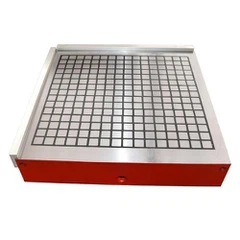
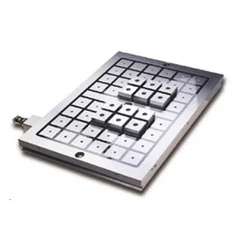
Magnetic Grids: Often used in smaller-scale applications, magnetic grids help separate magnetic particles from powders or liquids.

Advanced Technologies in Magnetic Separation
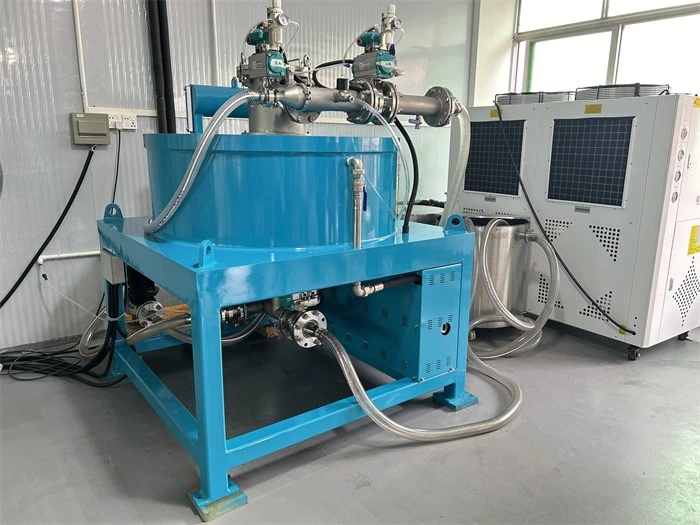
Advancements in technology have led to the development of more efficient magnetic separators, such as high-gradient magnetic separators (HGMS). These separators use powerful magnets to separate fine magnetic particles from mixtures. Additionally, superconducting magnets have been developed for even greater efficiency, particularly in situations where highly sensitive separation is required.
Advantages and Limitations
Benefits of Magnetic Separation
Magnetic separation offers several key benefits:
Environmentally Friendly: The process is eco-friendly, as it doesn't require the use of chemicals or harmful solvents, making it a sustainable choice for industries.
Efficiency: Magnetic separation is fast and effective, especially in handling large quantities of material. It's also highly selective, meaning it can separate materials with great precision.
Cost-Effective: Compared to other separation methods, magnetic separation is often more affordable, especially when dealing with large-scale processes.
Challenges in Magnetic Separation
Despite its advantages, magnetism separating mixtures does have some challenges:
Non-Magnetic Materials: It can only separate magnetic materials, meaning it's not useful for mixtures that do not contain any ferromagnetic substances.
Equipment Costs: The initial setup and maintenance costs for high-strength magnetic separators can be high, which may be a barrier for smaller operations.
Complexity in Handling: Large-scale magnetic separation systems can be complex to operate and require skilled personnel to maintain optimal functionality.
Case Studies
Real-World Applications
One prominent example of magnetism separating mixtures in the mining industry is the separation of iron ore from silica. Using powerful magnetic separators, mining operations can extract high-purity iron from raw ore, significantly improving the quality of the material. This process is not only efficient but also reduces the need for additional chemical processing, making it more environmentally friendly.
Success Stories
In the recycling industry, many companies have adopted magnetic separation to sort metals from electronic waste. By using magnets to remove ferrous metals from mixed waste, recycling plants can recover valuable materials like iron and steel, which can then be reused in manufacturing new products. This process not only boosts recycling rates but also supports sustainability efforts by minimizing waste.
Future of Magnetic Separation
Emerging Trends
The future of magnetism keeping apart combinations lies in advancements in materials technological know-how and magnetic generation. improvements consisting of the development of more effective everlasting magnets and superconducting magnets are making the technique extra green and capable of handling even finer substances.
Opportunities for Growth
With growing interest in sustainability and waste reduction, the demand for magnetism separating mixtures is expected to continue increasing. Industries such as recycling, mining, and food processing are likely to see further advancements in magnetic separation technologies, making the process more cost-effective and accessible for a wider range of applications.
Conclusion
Magnetic separation is a fascinating and vital process in the modern world. By understanding the science behind magnetism and its applications in separating mixtures, industries can continue to innovate and find sustainable, efficient solutions for material separation. Whether in mining, recycling, or daily life, the principles of magnetism remain a cornerstone of progress.
Looking to apply the power of magnetism in your operations? Great Magtech offers top-of-the-line magnetic separators designed to optimize your processes with efficiency and precision. Whether you're in manufacturing, recycling, or mining, our solutions are tailored to meet your needs seamlessly. Explore our range today and experience the perfect balance of innovation and reliability.