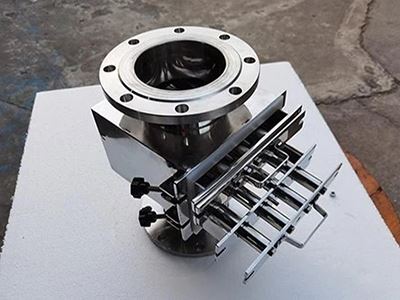
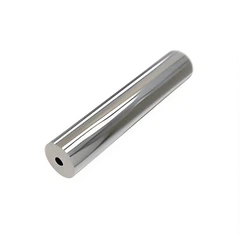
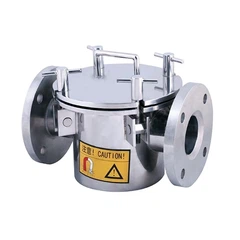
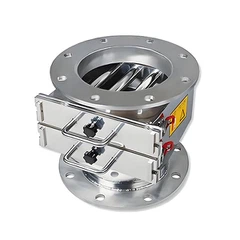
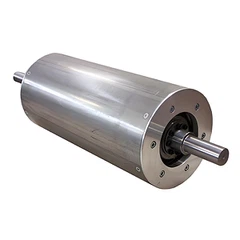
















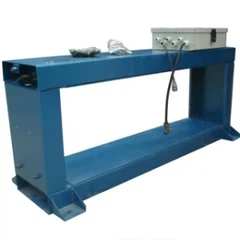
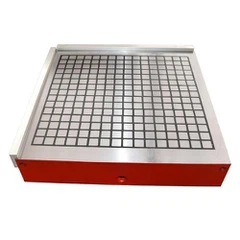

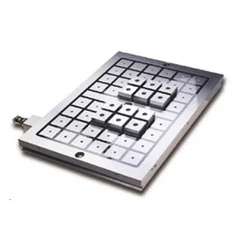


Optimizing industrial systems for performance and reliability is the core of uninterrupted operations with XPath. One of the important devices that contribute to this is the magnetic filter. Knowing the correct place of installation and the method of installation can help boost the performance and longevity of the system, thus making magnetic filters essential for industrial applications.
The Importance of Magnetic Filters
Preventing System Blockages
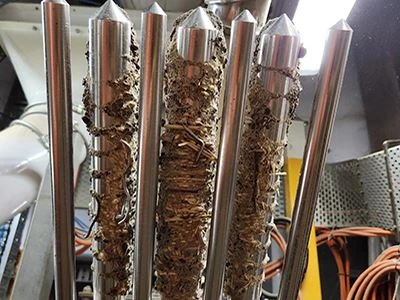
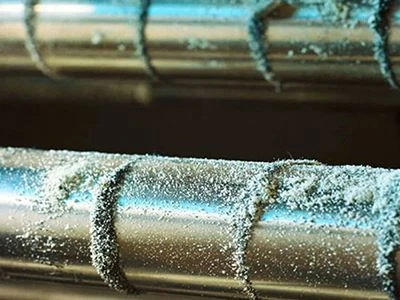
Sediment buildup made up of rust and other deposits, can exist in industrial pipelines and is continually broadcast throughout the system. It builds up and clogs the systems, thus affecting the information transfer as well as revenue generation, ultimately causing costly downtimes. Their role in preventing disruptive blockages is critical; magnetic filters trap and remove these particles to promote smooth, uninterrupted operations.
Enhancing System Efficiency
In industrial systems, contaminants like sludge hinder the machinery from performing, thus urging them to use up more energy. Magnetic filters keep systems clean, reducing the energy needed to attain operational temperatures and increasing overall efficiency.
Prolonging System Lifespan
System components are susceptible to contamination and damage from debris. Magnetic filters prolong the life cycle of industrial machinery because they minimize stress and wear on systems by eliminating particle buildup.

Optimal Placement of Magnetic Filters
The Return Pipe: A Preferred Location
Before the return pipe reaches essential parts of the system, like pumps or heat exchangers, placing magnetic filters on the pipe right before it connects to these components is ideal. This captures debris before it has the chance to diminish operational efficiency or inflict damage.
Considerations for System Design
The return pipe is the most common location of the filter, but an industrial system might need it somewhere else. Additional considerations like pipe configurations and space constraints should be taken into account when deciding where to place the filter.
Professional Installation Insights
Certified engineers should be employed to mount the filters. They can evaluate system parts and suggest the most strategically effective placement for the filter so that it works optimally.
Step-by-Step Guide to Fitting a Magnetic Filter
Necessary Tools and Materials
1. Pipe Cutter: Minute cuts to pipes.
2. Adjustable Wrench: For securing fittings.
3. Magnetic Filter Kit: Comes with the filter and its fittings.
4. PTFE Tape: Teflon tape is used to seal and stop leaks.
5. Collection Container: Used to contain any drained fluids.
Safety Precautions
1. To avoid heat burns, the system must be turned off and cooled down.
2. To mitigate a fast fluid outflow, the system needs to be depressurized.
3. Protective gloves and safety glasses must be worn.
Fitting Process
1. System Drainage
Identify the drain-off point of the system, which is usually found around important parts, and put a collection container under the drain valve. Now drain the system by opening the valve.
2. Cutting the Pipe
Identify where the filter should be placed on the return pipe. Make sure to use a pipe cutter to cut as precisely as possible.
3. Fitting the Magnetic Filter
To prevent leaks, wrap PTFE tape on the filter fittings. Use an adjustable wrench to insert the filter between the pipe sections where it would be secured.
4. System Refill and Testing
Drain the system and close the valve. Then, vent air from the system starting at the farthest component, make sure to check for leaks, and ensure the system is functioning properly.

Maintenance Tips for Magnetic Filters
Establish a Regular Inspection Schedule
As a best practice, it is suggested that a checklist be drafted while creating and maintaining it. The magnetic filters should undergo maintenance every six months or every year, depending on the operational requirements of the system. Some works deal with higher volumes or operate in more challenging environments; those build systems may require more frequent inspections. Having a schedule for these exercises helps allow for early detection of debris buildup or other issues that make sure the system remains clean and efficient.
Cleaning Procedures
1. System Shutdown: Cutting off the system ensures safety. Perform a lock-out tag to maintain control of the parts and ensure that the machine cannot be activated during maintenance.
2. Release System Pressure: The next step is to carefully drain the system pressure. You can use the bleed valve, which is critical to make sure that no fluid is discharged suddenly.
3. Disassemble and Clean: Now you can pull off one portion of the magnetic filter head carefully. Using clean, warm water, wash any accumulated debris around the filter head. You can also pull out the filter while cleaning the internal chamber to make sure there are no remnants left behind.
4. Reinstallation: Once you are happy with cleaning the parts, make sure the filter parts are firmly locked together. It is appropriate also to confirm that the whole fitting is entirely locked.
Watch for Signs Indicating Replacement
1. System Reactivation: The last step is to reboot the system. After being restored into service, keep an eye out for signs of leaks as well as the general performance of the system.
2. Continuous Leakage: If the faucet leaks persistently despite proper servicing, there is likely an issue with the sealing parts of the faucet.
3. Any sign of cracks or corrosion in the body of the filter
Common Misconceptions About Magnetic Filters
1. Myth: They Eliminate the Need for System Flushing
While magnetic filters capture debris, they do not eliminate the necessity to flush a system periodically.
2. Myth: Suitable for All Industrial Systems
Not all industrial systems are compatible with magnetic filters. Make sure to understand system requirements before installing the filter.
3. Myth: Maintenance-Free Devices
There are maintenance practices that need to be followed to stay efficient and effective in terms of filtration and system performance.
Environmental and Economic Benefits of Magnetic Filters
Reducing Waste
Magnetic filters assist industries in capturing particles that would otherwise sit on system components which greatly reduces the need for repairs. This drastically lowers the amount of disposable components that need to be used, making the entire system more sustainable.
Energy Savings
When a system is not clogged, it does not consume a lot of energy. An unclogged system also functions better than the energy magnetic filters eat up when performing their job. Industries can use these filters to recycle and reduce their carbon footprint.
Cost Efficiency
The incorporation of magnetic filters leads to long-term savings. Magnetic filters require little maintenance while boosting the durability of the equipment, leading to savings for the user. The accumulated savings from lesser maintenance and reduced energy spending provide great benefits for industrial operations.

Innovations in Magnetic Filter Technology
Advanced Magnetic Materials
Advanced modern technology can manufacture newer filters that are more effective and can capture more minute particles. As a consequence of newly advanced technology, these filtration systems are now more efficient in even the most challenging industrial environments.
Eco-Friendly Designs
Changes in the economy and socioeconomy have forced manufacturers to utilize materials that are easily recyclable when producing industrial filters to make them more effective.
Case Studies: Real-World Applications of Magnetic Filters
Manufacturing Plant Efficiency Boost
Within months, the leading automotive manufacturer with the new inductive motor reported a drop in maintenance cost by 15% due to the plant installing filters on the system's closed-loop coolants. The plant also observed an increase in productivity from the equipment that was better maintained.
Power Plant Performance Enhancement
In an attempt to solve issues with sludge accumulation within their water circulation systems, a thermal power plant suffers from repetitive forceful shutdowns. The end was achieved by reducing the range of operational disruptions by 20% and significantly increasing the life cycle of equipment.
Food Processing Industry Application
This has been placed in any killing and cooling systems in a beverage processing plant. The filters outperformed at this by providing maximum capturing of the contaminants and this enabled the filters to function well while maintaining the quality of the product.
Future Outlook for Magnetic Filters
The necessity of using the magnetic filter will be higher because of the high concentration on the efficiency and recyclability of industrial products. The increase in those particular technologies may prolong the filter's capabilities to implement better monitoring systems, as well as develop friendly environment filters.
Conclusion
The need for efficient filters and their installation is very important to industrial systems. This may be done through the proper installation of flow control systems and proper placement of filters that need to be maintained from time to time so that B2B sellers can be in a position to enhance their performance while reducing the cost of operations. This way, sellers learn principles that τόσο can enable them to be trusted agents in enhancing clients' industrial systems.