













Magnets are more than curiosities-they are vital in advanced surgeries and treatments. However, the magnets used in these fields are not similar in terms of usage and efficiency. It is not only in the make-up that they differ but also in how they perform in each application.
For those who want to know the specific uses of magnets, this article will give a brief guide as to the differences between the magnets used for magnetic surgery and magnetic therapy.
Understanding Industrial Magnetic Surgery Magnets
Industrial magnetic surgery is performed using magnets that are very strong and highly rated to perform the intended operations. These are employed in non-invasive operations or surgeries like moving biological tissues or in some surgeries. These may be much stronger than the magnets used in other medical applications because they are designed to carry out a specific function with great force.
Magnetic materials used in industrial applications such as magnetic surgery are usually made from metals such as neodymium iron boron (NdFeB), and they are very strong. NdFeB magnets are used because of their strong magnetic field, which can be used to control their ability to capture or respond to other objects, such as biological tissues. These magnets must not only be strong but also perform well in the present time and after sterilization, which is important for surgical procedures.

Magnets in Magnetic Therapy
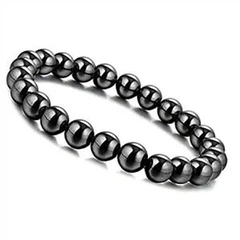
Magnetic therapy is a complementary and alternative medicine that employs magnets to cure, relieve pain, and improve blood circulation. The use of magnets in surgery is operationally different from the use of therapy magnets since the former is more intense than the latter. They offer medical purposes, mainly in items that are worn, such as bracelets, belts, or pads.
Two types of magnets are used in magnetic therapy: ferrite and NdFeB. Nevertheless, their magnetic fields are much less intense compared to the external magnetic field. It is not about touching the tissues or operating on them but just offering a steady magnetic field, which may be useful in reducing or alleviating pain or helping in the healing of joints or muscles.
These magnets are usually painted or plated to increase their corrosion and biocompatibility features. This is because they get applied on the skin's surface or inserted into the body. Coatings protect the skin or body fluids from negatively reacting with other substances.

Essentials of Industrial Magnetic Surgery and Magnetic Therapy
What are the Differences in Material and Strength of Magnets Used In Surgery vs. Therapy?
Magnetic surgery and magnetic therapy are two procedures that use magnetic materials, but their strength and usage are not the same.
In the case of magnetic surgery, the magnets are incorporated into the tool or a robotic system to facilitate micro-surgical operations. These magnets need high anisotropic NdFeB (neodymium iron boron), which has a strong magnetic field capability. In surgical operations like robotic surgery or magnetic navigation of catheters, the strength of these magnets is vital due to the minimally invasive surgeries involved. The high-grade magnets enable fine and accurate control and movements within the body, thus providing safe surgery outcomes.
On the other hand, magnetic therapy employs weaker magnets to provide minor magnetic fields to help with healing or alleviation of pain. Magnetic therapy is used to help reduce inflammation, increase blood flow, and stimulate bone formation, among other benefits. Some of the devices include magnetic bracelets, insoles, or PEMF devices, which employ weaker magnets such as ferrites or NdFeB and not the high-force magnets that are required in surgery. These therapeutic magnets are used for general well-being and not for short-term, invasive treatment.
How do the Grades and Coatings of Magnets Vary?
The grade of a magnet defines its magnetic force, which is important in various industries and medicine in particular. As for the usage of magnets in magnetic surgery, where high accuracy and strength are required, magnets are of higher grades. For instance, NdFeB magnets used in surgical instruments enhance the force that can be used to control some equipment. The stronger the magnet, the better the precision that it provides in activities such as directing a catheter through the body.
On the other hand, magnetic therapy products could be made of low-grade magnets. It is more effective to maintain a steady and long-term exposure to the magnetic field than to increase its intensity. The ferrite magnets are cheaper and less potent than NdFeB magnets and are used in therapeutic appliances. It is a form of treatment that relies on prolonged exposure to low-intensity magnetic fields rather than on the strength of the magnetic field that has to be delivered at a particular time.
Both applications also involve coatings in a very significant manner. In magnetic surgery, the magnets used are covered by a nickel or titanium layer to avoid rusting and interaction with body fluids. This is important for surgical tools that require contact with the body tissues or organs during an operation. On the other hand, there are no strict requirements for coatings of magnetic therapy products because they do not come into contact with the internal parts of the body. Coatings are mainly used for protection from corrosive or abrasion by external forces, but they may not necessarily be biocompatible.
Do Both Industrial Surgery and Magnetic Therapy Use the Same Materials?
While the materials used in magnetic surgery and magnetic therapy are the same, the strength and arrangement of the magnetic fields are different.
As a result, NdFeB magnets and ferrite magnets are used most often in the motors. However, the application alters the properties of the material that is required in the process. In magnetic surgery, Neodymium magnets are normally used in the highest grades to achieve the required surgical accuracy. The higher-grade material helps ensure that the magnets offer the required force to contain the tools and direct devices during operations.
In magnetic therapy, the same materials are used, for example, ferrite and NdFeB, but the grade of these materials is lower. The therapeutic magnets are developed to have a steadier and weaker field than the force required in surgery. It is not to move the instruments in the operation theatre but to touch the body positively for overall well-being. Hence, magnetic therapy products might contain magnets that are created with the ability to be used comfortably and with long-wearing in mind.

How does the Design and Product Functionality Differ Between Surgery and Therapy Magnets?
The magnets used in magnetic surgery are usually designed in many cases. Surgical magnets have to be integrated into various systems, such as robotic surgery arms or catheter steppers. These magnets have to be strong and precise to help the success of minimally invasive surgeries. These tools are incorporated in advanced medical instruments where even a slight change in magnetic force may lead to inaccuracies.
As for magnetic therapy, emphasis is placed on the design of the products for comfort, usage, and the possibility of long-term usage. Magnetic products like bracelets, insoles, or mats are designed to be worn for hours on end to offer slow yet steady results like alleviation of pain, enhanced blood circulation, or faster recovery.
The intensity of the magnetic field in therapeutic products is, however, relatively low compared to medical uses, and the product is constructed in such a way that it is easy to use and comfortable.
How do Industrial Magnets and Magnetic Therapy Magnets Affect the Body?
The magnets applied in industries like surgery are made to apply force on the body in a certain way. It can be used to work with tissues or even help during operations with a high level of accuracy. However, these strong magnets used in industries pose a threat if not well controlled, which is why these magnets are strictly controlled and used for certain medical purposes.
On the other hand, magnets used in magnetic therapy are meant to be weak and continuous so as not to interfere with the body's normal functioning negatively. These magnets are aimed to enhance the self-healing mechanisms in the human body, decrease pain, and stimulate circulation.
What are the Safety Considerations for Each Type of Magnet?
There are several risks associated with the use of magnets in industries as well as in the medical field, and this makes safety an important consideration. The magnets used in industrial magnetic surgery and the area in which they are applied are strong. Thus, safety measures need to be observed. These magnets should be handled carefully to prevent accidents or injuries.
Medical magnets, on the other hand, are used in therapy and do not pose a threat since they are made to be biocompatible. Therefore, they can come in contact with the skin or the body. Since the medical magnets are used for extended periods, the coatings are made of non-corrosive and non-hazardous materials.
Conclusion
Although magnetic surgery and magnetic therapy might utilize materials such as NdFeB and ferrite, they have a significant difference in the strength, grade, and design of the magnets. Whereas magnetic surgery needs strong magnetic fields to be utilized in specific medical operations, magnetic therapy utilizes comparatively lower magnetic fields for non-invasive, chronic treatment. Coatings and the material have been made to enhance their safety to ensure each serves its intended use well. Understanding these differences ensures the right magnetic technology is used for optimal results in surgery or therapy.