
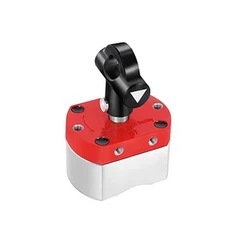







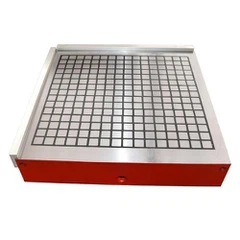
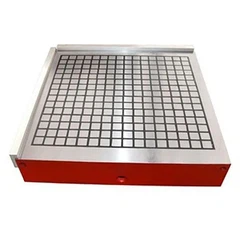
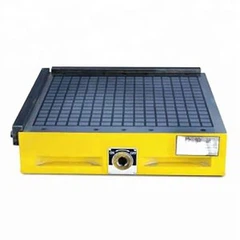
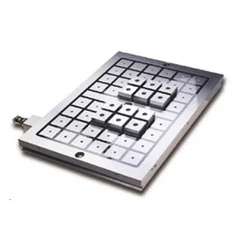


Precision is key in the field of manufacturing. As industries aim for more accuracy and efficiency, the tools used are expected to meet expectations. That's where the magnetic chuck comes in. It is a crucial part of holding workpieces steady during machining.
Recent innovations in magnetic chuck design are changing the way manufacturers handle precision work. These new designs offer better stability and flexibility. They are also easier to use. They don't just boost the performance of traditional machining. But also opens up possibilities in areas like automation as well as robotics.
From stronger holding power to smart technology features, the latest magnetic chucks are setting new industry standards. In this article, we'll look at these exciting advancements, what they mean for precision engineering, and how they are shaping the future of manufacturing. Read on to understand more about this technology.
History of Magnetic Chuck Technology
Magnetic clamping has been around since the early 20th century. During this period, manufacturers needed better ways to securely hold workpieces during machining. Early magnetic chucks were simple. This is because they relied on basic electromagnets. These required constant power and didn't have much holding strength. At the time, they were mainly used in milling as well as grinding. These are activities that require precision.
Advancements in engineering contributed to the development of magnetic chucks as time went on. For instance, permanent magnets were introduced in the mid-20th century. These allowed for more reliable clamping. Constant power wasn't required. This made magnetic chucks more versatile. Again, they were easier to use in various machining environments.

Evolution of Design and Functionality Over the Years
The design of magnetic chucks has evolved in recent times. It has become more functional and adaptable. The proof is that manufacturers have integrated advanced materials like neodymium magnets. These are much stronger but still lightweight. It gives them more holding power as well as flexibility for machining different workpieces.
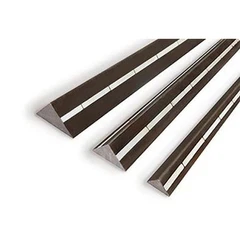
Modern magnetic chucks now have designs that can handle various workpiece shapes and sizes. Some have adjustable pole configurations. These can be customized for specific jobs. They will ensure a better fit with your workpiece surface. This not only improves precision but also cuts down on setup time.
Furthermore, smart magnetic chucks can be created via digital technology. These have sensors that monitor clamping force as well as give real-time feedback. Such will allow operators to keep performance consistent. They can also make adjustments whenever necessary. Precision in machining has been boosted by this development.
Challenges Faced by Manufacturers with Older Designs
Older designs of magnetic chuck technology presented several challenges for manufacturers. For instance, there was uneven clamping force, which often caused the workpiece to shift (or warp) during machining. This problem was obvious for projects involving irregular shapes.
It also required constant maintenance. Older electromagnetic chucks needed regular checkups to function well. If they weren't properly maintained, they could stop working. This would cause downtime and even damage the equipment.
Also, these older designs lacked versatility. They were made for specific tasks or materials, which meant manufacturers had to buy different clamping tools for various jobs, which made operations more expensive.
Key Innovations in Magnetic Chuck Design
Enhanced Magnetic Materials
The development of better magnetic materials has had a big impact on magnetic chuck design, especially for high-energy magnets. These advanced materials have changed the game in precision machining. For instance, they offer more holding power and greater durability.
Magnets like neodymium-iron-boron (NdFeB) and samarium-cobalt (SmCo) have become real game-changers. These newer versions have a much stronger magnetic field, unlike old ferrite magnets. This extra strength allows manufacturers to securely hold different sizes and weights of workpieces. Precision will not be compromised. This helps operators achieve tighter tolerances and better surface finishes. These are essential in aerospace, automotive, and medical device manufacturing.
The benefits go beyond just a stronger grip. These high-energy magnets are also very durable. They resist demagnetization and can withstand temperature changes and corrosion. Because of this, magnetic chucks using these materials last longer. They require less maintenance or replacement. This helps manufacturers save money as well as reduce downtime.
Advanced Control Systems
Another major improvement in magnetic chuck design comes from advanced control systems. The introduction of digital controls has changed how precision machining is done. One key development is the ability to make precise adjustments to magnetic force.
This lets operators securely hold workpieces in place. In other words, it reduces the chance of them moving during machining. The magnetic strength can be fine-tuned with incredible accuracy. With such, it can adapt to different materials as well as shapes. This boosts the quality of the manufacturing process.
These digital control systems often come with easy-to-use interfaces. Operators can quickly monitor and adjust settings in real time. This helps to cut down on delays. Being able to make quick adjustments is especially useful because small errors can lead to big problems.
Automation and remote operation have also brought major benefits to magnetic chuck technology. For instance, many modern magnetic chucks now work well with automated systems as Industry 4.0 grows. Operators can remotely control as well as monitor these chucks using smartphones or tablets. This allows them to manage multiple machines from one place. This not only improves efficiency but also creates safer working environments. Imagine workers not having to be near dangerous equipment.
The combination of digital controls and automation is raising the bar for precision machining. As industries demand more accuracy and efficiency, these advanced systems will play a crucial role in how manufacturers improve their processes.
Modular Designs
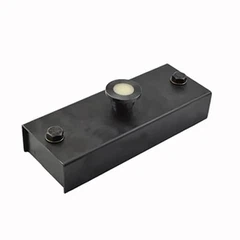
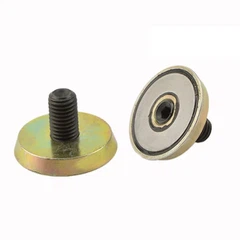
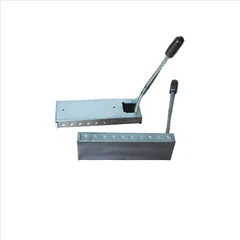
Modular designs are a major improvement in magnetic chuck technology. This is because they offer flexible setups which can be customized for specific tasks. This helps manufacturers adjust their work-holding solutions based on what each machining process needs. For example, modular magnetic chucks can be easily changed to hold different sizes as well as shapes of workpieces.
They are useful for various operations like milling, grinding, and drilling. Such versatility makes setup faster. It also allows for quick changes between tasks. This can help in streamlining production.

How Modularity Can Reducing Downtime and Increase Versatility
The modular design of magnetic chucks brings lots of advantages. These are explained below.
Firstly, operators can quickly swap parts or change the configuration. Such will reduce setup time. It is important in fast-paced machining environments. Also, one modular system can handle multiple functions. This is due to how it can be customized. There won't be any need for extra specialized tools.
Modular designs also make magnetic chucks more versatile. This is due to how they allow different clamping methods depending on the task. For example, operators can set up the chuck for multi-directional machining. They can adjust pole extensions to increase clamping strength. This can improve performance by ensuring better accuracy. There is also optimal contact with the workpiece.
Modular designs have transformed precision machining. They ensure efficiency as well as flexibility. This makes them a key innovation in today's manufacturing world.
How Advanced Magnetic Chuck Designs Improve Workflow
Aerospace Manufacturing
There is no doubt that aerospace manufacturing has been transformed by advanced magnetic chucks. For instance, it improves workflow whenever precision as well as reliability are required. Aerospace involves complicated parts made from complex materials. Therefore, they require strong workholding solutions. Magnetic chucks offer even clamping pressure. This ensures smooth surface grinding and milling for intricate components. Such consistent pressure prevents deformation especially, when sensitive parts are involved.
The quick setup and changeover features of magnetic chucks reduce downtime. Such makes it easier to switch between machining tasks. They can also hold multiple parts at once. This can boost productivity as well as allow efficient batch processing. It is helpful in aerospace, where delays can cause serious issues.
Modern magnetic chucks also have digital control systems. These ensure precise adjustments to the magnetic force. Such adaptability not only increases machining accuracy. It can also help manufacturers quickly respond to production demands. These advanced chucks improve workflow and reliability in aerospace manufacturing.
Automotive Industry
One of the key things that has helped in optimizing workflow performance within the automotive industry is using advanced magnetic chucks. They also handle particular issues such as high-speed machining of large parts. These are a matching set of chucks. This not only leads to faster machining speeds. It would also be critical for high-volume production.
Manufacturers also can reconfigure setups on the fly. That's perfect if you have different components with low downtime. This kind of flexibility is crucial in an industry where customer preferences can change overnight. Apart from triggering action quickly between different parts, it also contributes to improved operational efficiency.
In other words, magnetic chucks can eliminate the requirement for conventional clamping techniques. This is far easier than having to do two four-axis setups. It would cut cycle times and minimize the potential risk of errors from multiple setups.
Medical Device Manufacturing
In this field, advanced magnetic chucks improve workflow by providing gentle but secure workholding solutions. The industry often deals with delicate, thin parts that could be damaged by traditional clamps. Magnetic chucks are known to apply even pressure. This reduces the risk of deformation. It can also ensure sensitive parts are held securely.
These advanced chucks also offer quick setup changes as well as adjustments. They are important in an industry known for rapid prototyping and frequent design changes. They can hold multiple small parts at once. This makes production faster without sacrificing quality.
Finally, the energy-efficient design of permanent magnetic chucks reduces electricity usage. This cuts down on operating costs. Such is particularly required where sustainability, as well as precision, are often a priority. Advanced magnetic chucks ensure high-quality production while improving workflow. This technology can help you meet strict industry standards.
Electronics Manufacturing
In most cases, electronics manufacturing entails ultra-precision. Many of the components are small and sensitive. Therefore, the fragile parts will need attention to detail. They normally require gentle handling. Magnetic chucks distribute the holding force over the entire surface. This will reduce the risk of any damage like bending or scratching.
It is necessary for preserving the integrity of fragile electronic components during machining.
Modern magnetic chucks may also incorporate features that allow parts to be changed quickly. Such an approach is best appreciated where a requirement of production can shift from bulk orders to custom-made orders. The ability to quickly modify parts is key in keeping production up and running continuously.
Digital control systems allow customized magnetic force at any given time. That translates to a chuck that holds components in place. This helps to reduce the errors in machining. Such is a great way to minimize loss by properly managing materials during production.
Robotics and Automation
In robotics and automation, the recent introduction of magnetic chucks is changing workflow by offering flexible and efficient solutions to workpiece-holding challenges. Those rails are intended to mesh seamlessly with automated machinery. All of them help in accurate part positioning and handling without any manual operations.
An important advantage is that an electromagnetic chuck allows for adjustment of its holding strength, depending on the dimension and weight of the part. This is particularly helpful in robotics where parts can be custom-shaped to contain a varying amount of material.
Advanced magnetic chucks also help to reduce work time in automated environments. Robots can replace tasks faster as their fast setup and features reduce the time used on traditional clamps. That rapid adaptability is essential for meeting tight production lines.
Final Words
Magnetic chucks with the aforementioned new designs are committed to transforming precision machining in many industries. Modern chucks have better stability, performance as well as flexibility. This is due to advanced materials used in their design along with smart technology. There is also the use of improved magnetic systems.
Adopting these designs can boost potential operational performance. Keeping up to date on these developments will be critical for businesses wanting to remain competitive in an ever-changing market/future.