






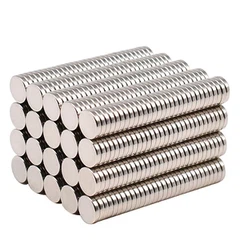
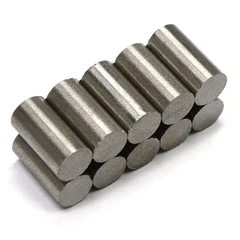






























Neodymium magnets are a type of rare earth magnet made from rare earth elements. Rare earth elements are metals found in the Earth’s crust, and these materials must be mined for the production of neodymium magnets. The mining process can cause environmental harm if done improperly or without carefully managing the chemicals used in the process. Additionally, the manufacturing of neodymium magnets can release hazardous chemicals into the environment.
Illegal mining for neodymium is an ongoing problem and can cause significant environmental damage. This type of unregulated mining often takes place in remote areas with few regulations and safeguards, leading to increased pollution from both the mining process and unregulated waste disposal. In addition, illegal miners often use mercury to extract neodymium from the ore, releasing it into the environment and contributing to further pollution.
The production of neodymium magnets can also have negative environmental impacts. This is due to the use of hazardous chemicals, such as sulphuric acid and hydrochloric acid, during the manufacturing process. These chemicals can damage local wildlife and ecosystems if not properly disposed of. In addition, the mining and processing of neodymium ore can release dust particles, which can contaminate the air and water in the surrounding area.
Common Uses of Magnets
The world production of magnets, both permanent and electro-magnets, is huge. In 2018, the global rare earths magnet production was estimated to be around 4.5 million tons. Of this, neodymium iron boron (NdFeB) magnets accounted for over 95%. This type of magnet is said to be one of the strongest and most stable among permanent magnets.
NdFeB magnets are used in a variety of applications, including electric motors and generators, microphones, loudspeakers, headphones, pumps, and compressors. They are also used in computer hard drives, power tools, MRI scanners, and a range of green energy technologies. With their wide range of applications, it is no surprise that NdFeB magnets have become incredibly valuable commodities. Demand for these types of magnets is growing year-on-year, and they are becoming increasingly important in a global production environment.
Check your home and we are sure that you will find something that has been magnetized inside its internal components. For example, some of the most frequent uses are for magnets by manufacturers. Magnets provide tight sealing, improve power in certain electronic devices as well as help in stabilization.

Neodymium Magnet Production and Resource Consumption
Neodymium magnets are a type of permanent magnet made from an alloy of neodymium, iron, and boron. Permanent magnets are so called because they maintain their magnetic properties even when exposed to a magnetic field. Permanent magnets are made from naturally occurring metals that are easily magnetized, like cobalt, ferrite, iron, nickel, and rare earth metals. These ferromagnetic materials are then combined and altered to create complex and durable magnets ready for use in industrial and commercial sectors. Put another way, magnets have permanent magnetic fields. These magnets are incredibly powerful and widely used for a variety of applications, from consumer electronics to clean energy. However, their production has significant resource consumption implications.
The major source of neodymium magnets is rare earth minerals, which are mined and refined to extract the neodymium. Unfortunately, this process is incredibly resource-intensive and requires the use of a variety of chemicals that can have adverse environmental impacts. The major source of rare earth minerals is inner Mongolia, which produces around 80% of the global supply. As demand for neodymium magnets increases, more pressure is placed on the people and environment of inner Mongolia to increase production, leading to an increased strain on resources.
It is therefore important for those using neodymium magnets to be aware of their resource consumption implications and take action to limit the environmental impacts of their production. Temporally explicit life cycle assessment as an environmental performance decision-making tool in rare earth project development. This may include sourcing sustainable rare earth minerals, or replacing neodymium magnets with other materials when possible. By making these changes, we can reduce the resource consumption of neodymium magnet production and ultimately help protect the environment.
Some companies have even begun producing exclusively recycled magnets. Magnets are also a sustainable alternative to many single-use products. In retail and commercial spaces, magnets are ideal for replacing single-use items such as stickers, paper banners, tape, and more.
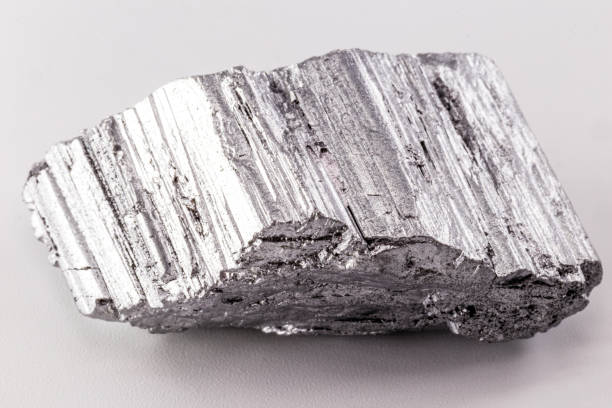
Environmental impacts of the world production of Nd/Pr and Dy/Tb for magnet applications in 2013 and 2035
Figures 6 and 7 show how Nd and Pr are being used in magnet applications worldwide for 2013 and 2035. The data are normalized using the global environmental impact estimates for the year 2000 (van Oers, 2015). Absolute Value includes Support Information S3. The human toxicity of Nd/Pr production is evidently the most important ecological issue. Similarly, the ecological degradation of the Earth's atmosphere is of relatively little importance.
Lithium and cobalt demand could increase ten to twenty times by 2050 because of electric cars. Demand for dysprosium and neodymium is estimated to increase seven to twenty-six times over the next 25 years as a result of electric vehicles and wind turbines. But REEs also have grim prospects: the way companies extract REEs largely damages communities and contaminates surrounding areas.
How do magnets affect the environment?
Unfortunately, magnets are also an important part of environmental pollution as well as climate change, and pollution is a problem worldwide. Magnets can be made from nonrenewable resources such as metals.
The primary production of rare earth elements (REE) used in neodymium-iron-boron (Nd-Fe-B) magnets is associated with environmental impacts from both mining and processing. It has been suggested that recycling of scrap Nd-Fe-B magnets would reduce the primary production of REE, and thus environmental impacts.
Overall, magnets can have both positive and negative effects on the environment. It is important to consider their life cycle inventory and the energy used in their production and recycling processes. Additionally, proper disposal of magnets at the end of their life cycle can help reduce hazardous waste and conserve resources. By taking these steps, magnets can be used in an environmentally-friendly way that helps reduce their environmental impacts and contributes to sustainable development.
To understand the environmental impacts of permanent magnets, it is necessary to conduct a life cycle assessment (LCA). This type of assessment looks at all stages in the production process, from mining rare earth elements to disposing of end-of-life magnets. By analyzing the potential impacts of each step, it is possible to identify where improvements can be made and how to reduce the environmental harm associated with neodymium magnets over their lifetime.
By understanding the environmental impact of these magnets, organizations can strive to minimize their footprint by making sustainable purchasing decisions and implementing best practices that limit the environmental damage of neodymium magnets. Additionally, by researching responsible mining and production practices, organizations can make sure that they are making purchases that minimize negative impacts on the environment. Ultimately, with careful consideration and management of their processes and products, organizations can reduce the environmental impacts of rare earth magnets.