







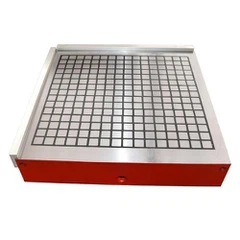
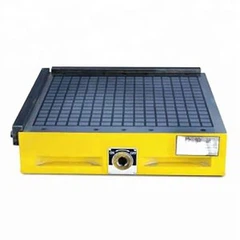
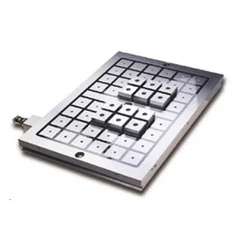


What is Magnetic Separator?
Magnetic separation has been used in the mineral processing industry for many years and is one of the most common methods for extracting valuable minerals from ore. The process involves using a magnetic field to separate materials based on their magnetic susceptibility. Magnetic susceptibility is the measure of how strongly a material responds to a magnetic field, and different materials have varying levels of response.

Types of Magnetic Separator
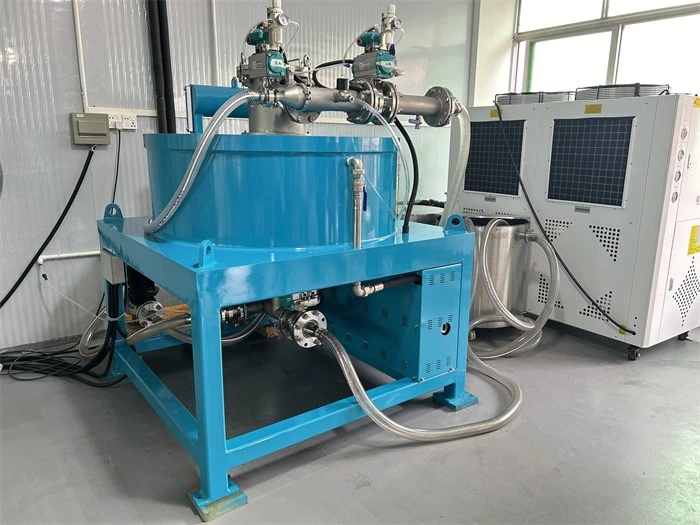
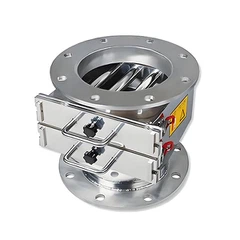
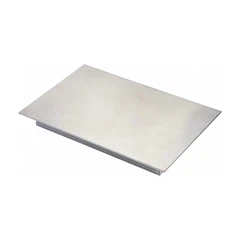
The type of magnetic separator used by a mine depends on what material they are extracting and how much tramp ore is generated by their process. As a result, separators of different magnetic flux, or power, can be used. There are 2 types of magnetic separators; electromagnetic and permanent. The most commonly used magnetic separator is the Frantz Isodynamic Magnetic Separator. It consists of a large electromagnet, through which mineral mixtures are passed on a metal trough.
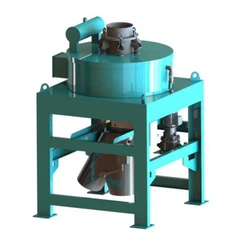
Magnetic separating machine is dry or wet depending upon the application. The magnetic separator is sometimes called Permanent Magnetic Separator and Electro Magnetic Separator respectively. The magnetic separators for mineral processing are divided into three categories based on varying magnetic field strengths. The following magnetic separators are generally: wet high-intensity magnet separators (WHIMS) Wet/dry magnetic drums low-intensity magnetic drums (IMMS).
What is the most common separation method used in mining?
The most common separation method used in mining is magnetic separation. This technique uses a magnetic field gradient to separate magnetic particles from non-magnetic materials, such as iron ore. Magnetic roll separators are the most commonly used type of magnetic separator, which use a large electromagnet to create a strong magnetic field that captures and retains ferrous particles. The magnetic field can be adjusted, allowing for the separation of different types of ore with varying levels of magnetism.
Magnetic separators are used to remove unwanted materials from industrial processes and food production. This process is often needed in order to protect machinery and equipment from damage, as well as to ensure product quality and safety. As a result of its effectiveness and efficiency, magnetic separation is one of the most widely used techniques in the mining industry. It is also a cost-effective solution, as it can significantly reduce costs associated with processing ore. It is important to use the right equipment for each task in order to maximize efficiency and ensure that no valuable minerals are wasted.
Magnetic separators are an essential tool in mining operations and have been used for centuries to separate valuable minerals from unwanted materials. With the right equipment, a site can quickly become a more profitable endeavor.
How Does Magnetic Separation Work?
Magnetic separation is an invaluable process used in the mining industry to separate other valuable minerals from non-magnetic materials. The most common applications of magnetic separation involve separating magnetically susceptible materials such as iron ores, other ferrous metals, and other non-metallic minerals. This process usually involves the use of a device called a separator which consists of a vibrating feeder that feeds particles across different magnets with different strengths. Magnets with varying strengths allow for greater control over the degree of separation required by the user, making it more efficient than other methods of mineral extraction.
Magnetic separators are also used to remove impurities from materials before being processed into finished products or shipped off for further refining. By removing these impurities prior to other processes, magnetic separation helps keep other machinery clean and running smoothly. Magnetic separators also help make it easier to sort other minerals of different sizes and densities, allowing for more accurate sorting of valuable materials compared to alternative methods. In summary, magnetic separation is an incredibly useful process used throughout the mining industry to separate other valuable minerals from non-magnetic materials. It is often used in conjunction with other technologies such as gravity separation to maximize output and ensure a higher quality product can be yielded from mineral deposits. Understanding how it works and its applications is essential for anyone involved in the mining industry.

Magnetic Separator Applications
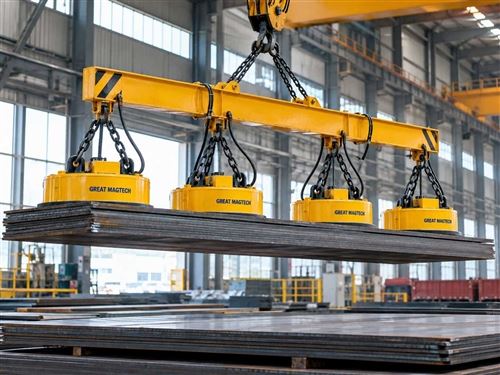
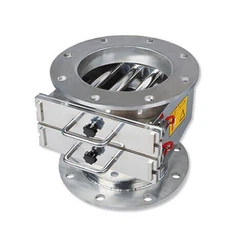
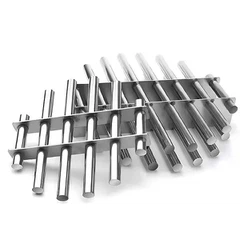
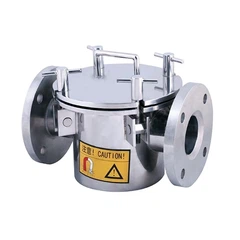
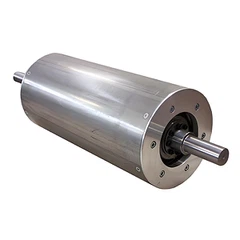
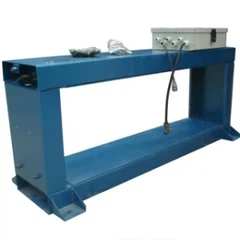
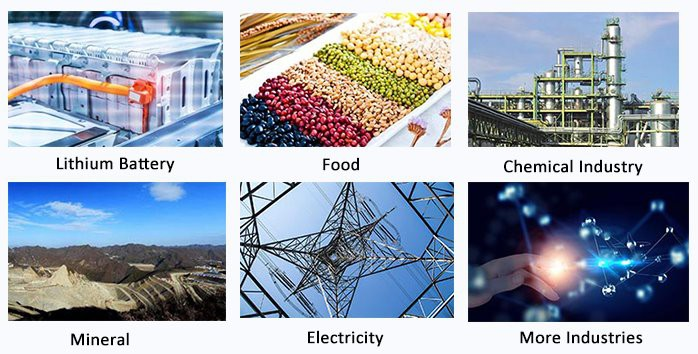
Magnetic separators are often used in industrial settings where a large amount of material must be filtered. Magnetic filters use high intensity magnetic separation to capture and remove ferrous particles from liquids, gases, dry goods, and slurries. Magnetic pulleys can also be used for the automatic extraction of tramp iron or ferrous particles from various types of conveyor belt systems. These magnetic separators can help maintain product purity by preventing contamination from foreign materials. They can also reduce wear on downstream machinery by removing metal particles before they enter them.
By utilizing powerful magnetic fields, these tools provide an efficient way to separate out unwanted particles while protecting valuable equipment and products. In addition, they are relatively simple to install and operate compared to other types of filtration systems. As such, magnetic separators are a valuable tool for many industries.
How is magnetic separation used in mining?
Magnetic separation is an important process in mining as it helps separate magnetic substances from non-magnetic material. Magnetic separation equipment includes a variety of different types of machines including magnetic rollers, drums, and even pulleys. This process uses magnetic force and high intensity magnetic separators to separate magnetic materials from ore via a conveyor belt. The conveyor belt transports the magnetic ore across a powerful magnetic field, causing the magnetic material to stick together, while the non-magnetic material continues along the conveyor belt.
In mining operations, magnetic separators play an important role in protecting both primary and secondary crushers from damage caused by tramp metal that may contain magnetic material such as iron or steel.
By using a combination of strong magnets, ferrous metals can be separated from nonmagnetic materials such as quartz and other minerals that possess very little or no magnetic properties. This type of separation is particularly useful in mining operations where economically valuable ores may contain small amounts of undesirable components that need to be removed before they can be processed further. For example, if a mine produces magnetite ore, the magnetic properties of the rocks may be used to separate out any unwanted metals or elements.
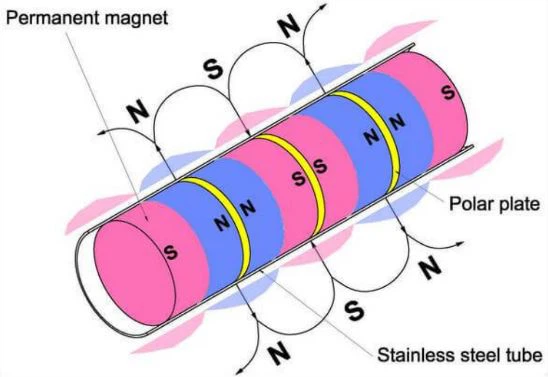
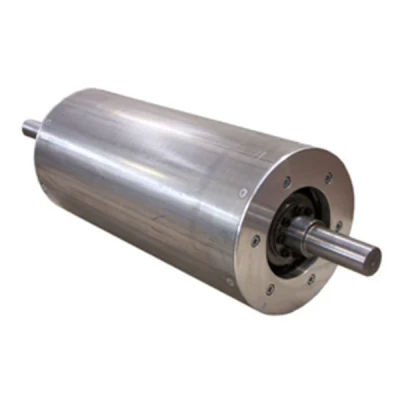
The magnetic rollers used in mining operations are typically constructed of permanent magnets surrounded by a rotating belt that rotates around them. As the material is being fed through the Magnetic Roller, any magnetised pieces of iron or steel will be attracted to the roller and held in place until the rotating force allows it to move away from the roller. This process helps to protect machinery downstream from potential damage caused by tramp metal.
Other magnetic separation equipment such as drums and pulleys can also be used to separate ferromagnetic materials from paramagnetic materials within a variety of industries including recycling, metallurgy, food processing, pharmaceuticals, and more. These machines help to filter out unwanted materials that may contaminate certain products, helping to improve the quality of those products.
Magnetic separation is also an effective tool for recovering valuable materials from waste streams in the mineral processing industry. In this process, magnetic separators are used to separate ferrous and non-ferrous metals from other minerals that have been shredded or crushed into small pieces. This allows businesses to recycle these materials and recover them in a more efficient manner instead of simply discarding them as waste.
In summary, magnetic separation is an essential process that plays a significant role in the mining industry's success. By utilizing this technique, mining companies can enhance their productivity, reduce their costs, and maximize their profits. If you're interested in improving your mining operations and achieving better outcomes, please visit our website to learn more about the latest advancements in magnetic separation technology. Our team of experts is dedicated to helping you achieve your goals and succeed in this dynamic and challenging industry. Feel free to contact us for any inquiries or assistance.