






























Have you ever picked up a metal object and wondered if it would be attracted to a magnet? It is well known that metals such as iron and nickel are magnetic, but the question of whether zinc is magnetic is often confused. Zinc is widely used in the industrial field as an important material in galvanized steel and battery manufacturing, but many people still have questions about its magnetic properties.
Determining zinc's magnetic properties extends beyond scientific curiosity. The magnetic properties of metals determine their applicability within manufacturing sectors and electronics production as well as the construction domain. Knowing what metals are magnetic and non-magnetic proves essential for both those who work with metals and industrial buyers who source materials.
We will investigate the magnetic characteristics of zinc through a comprehensive exploration. This guide explores the scientific magnetism principles alongside zinc's magnetic field interactions and its sectoral industrial usages in magnetic products. Our exploration will give you complete knowledge about the magnetic aspects of zinc along with its broader applications.
1. Understanding Magnetism
The investigation to determine zinc magnetism requires knowledge about magnetic properties. Metals show two different behaviors when it comes to magnets because they either attract to them or resist their magnetic force. Magnetism emerges due to atom electron movement which affects metals such as zinc.
What Determines If a Material Is Magnetic?
Substance magnetic behavior depends directly on its atomic structure. Specifically, it is determined by:
● The arrangement of electrons within the atoms.
● The presence of unpaired electrons.
● When material atoms face magnetic fields, their alignments determine magnetic behavior.
In general, materials exhibit one of three types of magnetism:
1. Ferromagnetism – metals like iron, nickel, and cobalt show the strongest type of magnetism which exists among these elements. Metals containing unpaired electrons develop pairing between spins that leads to intense magnetic field development.
2. Paramagnetism – aluminum, along with platinum, demonstrates a weak magnetic attraction to magnets, yet both lose their magnetic properties after the external field ceases to exist.
3. Diamagnetism – magnetic fields cause weak repulsion in such substances. Zinc belongs to this group of materials. The material classification of zinc means the substance remains unaffected by magnetic fields.
Why Is Magnetism Important in Industrial Applications?

The strong magnetic properties of metals are necessary components for numerous industrial applications. The motor industry along with electricity transformers and electronic appliances, depends on the use of ferromagnetic metals. Paramagnetic materials possess specific applications where they find particular utility,y including mri machines.
But what about diamagnetic materials like zinc? Despite minimal magnetic interaction with magnets, their properties contribute to the performance of electromagnetic shielding systems along with various manufacturing techniques.
2. Zinc's Electron Configuration and Its Effect on Magnetism
The non-magnetism of zinc requires examination of the atomic structure combined with the electron configuration.
What Is Electron Configuration?
The distribution pattern of electrons throughout the atom orbitals constitutes the electron configuration. Electronic arrangement in matter determines its magnetic properties and whether it will exhibit magnetic behavior.
All magnetic materials contain one or more unpaired electrons inhabiting their outer orbitals. The material becomes magnetic because unpaired electrons generate a magnetic field that lets the substance interact with outside magnetic fields.
How Zinc's Electron Configuration Affects Its Magnetic Properties
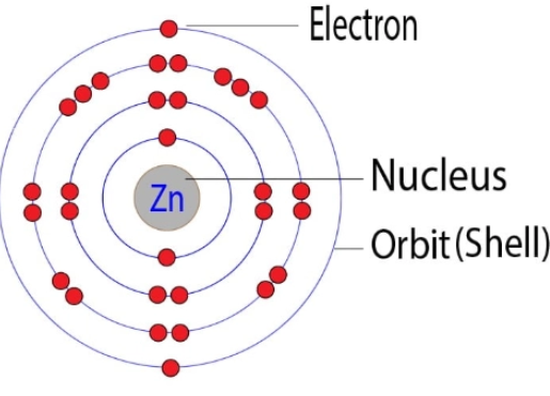
Zinc lacks an internal magnetic moment since its unpaired electrons become absent when the 3d orbital fills completely. Zinc exhibits diamagnetic behavior because it shows weak resistance to magnetic fields despite the lack of attraction to them.
About iron (Fe), cobalt (Co), and nickel (Ni) metals contain partially filled d-orbitals, enabling their unpaired electrons to function together in one direction. Electron alignment along this specific axis results in ferromagnetism becoming a powerful magnetic force commonly used in various industry-based applications.
Can Zinc's Magnetism Be Altered?
Under regular conditions, zinc lacks unpaired electrons; therefore, it remains unmagnetized. Zinc remains unaffected by strong magnetic fields since it fails to sustain either permanent or noticeable magnetic properties.
3. Is Zinc Magnetic?
The material zinc shows no magnetic properties. Zinc items do not present any magnetism when brought near magnetic fields since they fail to adhere or display magnetic attraction. Zinc behaves as a diamagnetic material,l which causes it to move away from strong magnetic fields because diamagnetic substances oppose magnetic fields.
How Does Zinc Compare to Other Metals?
The response of metals diversifies when they face magnetic fields. Under examination, zinc shows differences from other regular metals:
|
Metal |
Type of Magnetism |
Magnetic Behavior |
|
Iron (Fe) |
Ferromagnetic |
Strongly attracted to magnets |
|
Nickel (Ni) |
Ferromagnetic |
Strongly attracted to magnets |
|
Cobalt (Co) |
Ferromagnetic |
Strongly attracted to magnets |
|
Aluminum (Al) |
Paramagnetic |
Weakly attracted to magnets |
|
Copper (Cu) |
Diamagnetic |
Weakly repelled by magnets |
|
Zinc (Zn) |
Diamagnetic |
Weakly repelled by magnets |
By its chemical composition, zinc possesses no unpaired electrons that would cause its magnetic field properties. When subjected to strong magnetic field,s zinc does not develop magnetic properties.
Testing Zinc's Magnetic Properties
To determine whether zinc is non-magnetic, you can easily check it with a powerful magnet. The diamagnetic properties of zinc cause it to neither adhere nor repel strongly from magnets similar to iron or nickel.
A strong magnetic field can result in minimal zinc movement during the observation process. Diamagnetic materials develop a weak contrary magnetic reaction to magnetic fields, although this behavior does not indicate magnetism in zinc.
4. Zinc's Diamagnetism Explained
When subjected to magnetic fields, zinc demonstrates its diamagnetic property because it shows weak repulsion rather than attraction. The lack of unpaired electrons in zinc makes it unable to create strong magnetic forces.
How Diamagnetism Works
When diamagnetic substances approach magnetic fields, they develop weak opposing magnetic fields. The effect of diamagnetism produces a light repulsion force that remains much smaller than the ferromagnetic attraction observed in iron and other materials.
Comparing Zinc to Other Metals
● Ferromagnetic metals (iron, nickel, cobalt) are strongly magnetic.
● Paramagnetic metals (aluminum, platinum) are weakly attracted to magnets.
● Diamagnetic metals (zinc, copper, gold) are weakly repelled by magnets.
Zinc does not contain a magnetic domain, therefore, it cannot attract or retain magnetic properties. The exposure to a powerful magnetic field generates only a limited weak magnetic reaction in zinc, which fades quickly. Zinc manifests no magnetic qualities at any time.
5. Why Is Zinc Not Magnetic?
Zinc remains non-magnetic because it attains its electron configuration. Because all orbitals in zinc's atomic structure contain electrons to the point of completion, there exist no unpaired electrons that could induce magnetism.
Key Reasons Zinc Isn't Magnetic
The existence of unpaired electrons is essential for magnetism, yet zinc lacks any free electrons because its 3d orbital holds a complete set.
Zinc fails to create aligned magnetic regions because it lacks the ability to form such domains.
Under any magnetic field intensity, zinc produces only small repulsive forces.
A simple way to confirm zinc's diamagnetism involves testing its interaction with magnets. The metal will not attach to the magnet and might even demonstrate weak repulsive reactions.
6. Can Zinc Be Magnetized?
No, zinc cannot be magnetized. Zinc cannot become permanently magnetic because it contains no unpaired electrons or magnetic domains so even strong magnets are unable to create magnetic properties in it.
When Might Zinc Show Magnetic Effects?
1. Eddy currents become temporary when exposed to a powerful electromagnetic field.
2. Alloying with ferromagnetic metals (iron) in the material production process results in possible magnetic properties.
3. In practical usage, zinc materials never show magnetic properties. The following sections examine zinc's magnetic characteristics as well as its usage in industrial contexts.
7. Properties of Zinc in Magnetic Fields
Zinc does not exhibit magnetism but functions within magnetic field environments.
Zinc's Behavior in Magnetic Fields
● Zinc has a weak repulsion effect when placed close to strong magnetic fields.
● The material loses all magnetic properties after it leaves a magnetic field since zinc remains fully non-magnetic.
● When movement occurs in a shifting magnetic field, zinc elements produce useful electrical currents known as eddy currents.
Industrial Uses of Zinc's Magnetic Properties

1. Devices gain protection against electromagnetic interference (EMI) by using zinc coatings for electromagnetic shielding.
2. Industry applications of electrical equipment use zinc coatings in galvanized parts that compose motors, along with transformers.
3. Laboratories make use of zinc as their scientific material because it does not respond to magnetic fields.
8. How to Test If Zinc Is Magnetic
A do-it-yourself experiment at home will help you determine whether zinc demonstrates magnetic properties. As a diamagnetic substance zinc exerts a weak repulsion force instead of attracting systems.
Basic Magnet Test
● You need to obtain a neodymium magnet of high force since a regular fridge magnet lacks the required strength to measure diamagnetic properties.
● A pure zinc metal placed near the magnet should not attach.
● Some weak magnetic fields may display very modest repulsive effects in this scenario.
Advanced Tests in a Laboratory
1. Suspension test: A thin piece of zinc suspended between strong magnets exhibits a slight floating reaction according to the suspension test.
2. Eddy current test: Zinc holds the potential to generate minimal opposing forces through eddy currents following its movement through a variable magnetic field.
Sticking of your sample to a magnet indicates the presence of iron, along with possibly other magnetic impurities within your sample. Plain zinc substances never become magnetic.
9. Difference Between Magnetic and Non-Magnetic Metals
Metals split into two groups depending on their electron configuration, together with their magnetic domain structure.
Magnetic Metals (Attracted to Magnets)

1. Ferromagnetic metals – strongly magnetic (Iron, Nickel, Cobalt).
2. Paramagnetic metals – the attraction to magnetic fields among paramagnetic metals is weak, although these materials do not maintain magnetization (Aluminum, Titanium, Platinum).
Non-Magnetic Metals (Not Attracted to Magnets)
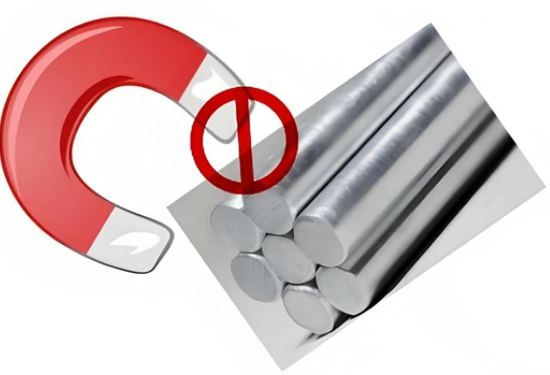
1. Diamagnetic metals – the magnetic field repels weakly from zinc, copper, gold, and silver (showing diamagnetic behavior).
2. Completely non-magnetic metals – the interaction of magnets with Lead and Tin produces no observable effects because these metals display total non-magnetic properties.
Diamagnetic properties describe zinc, which exhibits slight magnetic field reactions without showing magnetic attraction or retention.
10. Zinc for Electromagnetic Shielding
Zinc serves an essential function in electromagnetic shielding even though it shows no magnetic properties. EMI protection of electronic devices in specific industries becomes possible through zinc's valuable characteristics.
Why Is Zinc Used for EMI Shielding?
● Electrical conductivity in zinc enables both wave absorption and direction changes of electromagnetic waves.
● Zinc offers exceptional corrosion protection that enables its effective utilization in extended shielding applications.
● Zinc provides affordable light-weight protection against electromagnetic frequencies better than copper-based shielding materials do.
Common Applications of Zinc in Shielding
1. Electronics industry: Zinc coatings keep exposed sensitive electronic circuits safe inside protective housings in the electronics industry.
2. Telecommunications: Zinc serves as a shielding material for radio and communication signals during telecommunications operations.
3. Medical devices: Prevents interference in mri machines and other equipment.
Zinc stands out as an excellent blocking agent against electromagnetic waves since it maintains magnetic field function.
Conclusion
The diamagnetic properties of zinc cause it to behave differently from both ferromagnetic and paramagnetic metals, which do not experience magnetism. The electron configuration of zinc stops it from building magnetic domain,s along with the ability to attract magnets. Under strong external magnetic fields, the only observable effect from zinc is a weak repulsive force.
Zinc keeps its value in the production of electromagnetic shielding materials and electronics due to its lack of magnetic attraction. The combination of electrical conduction and electromagnetic interference blocking along with corrosion resistance, makes zinc a fundamental material for different industries.
To determine if a metal material is zinc, just put it close to a powerful magnet. The combination of non-attractiveness and slight magnetic repulsion indicates that the sample is a zinc metal.