














When reinforcing concrete, tying rebar efficiently is crucial for productivity and cost. Automated rebar tying machines can speed up the process by 3-5 times compared to manual methods, making them ideal for large projects. However, manual tools remain useful for smaller jobs, tight spaces, or locations without power. This guide compares both methods, offering insights to help you choose the best option for your project.
Overview of Rebar Tying Tools
Before we dive into which tying method is best for your needs, it's important to understand what rebar tying actually is, why it's essential for reinforced concrete, and how different tools have evolved to meet modern construction demands.
Definition of Rebar Tying in Reinforced Concrete Construction
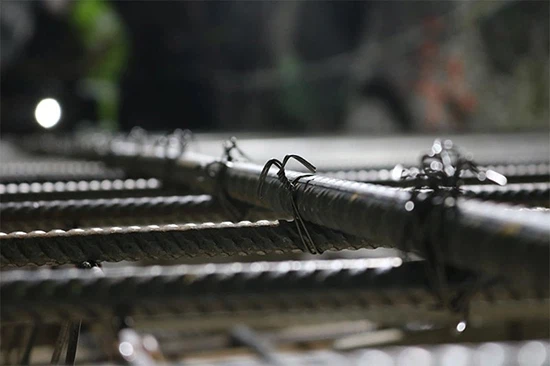
Rebar tying secures intersecting steel bars with wire ties to maintain their position before pouring concrete, ensuring structural integrity. Incorrect tying can shift the reinforcement, creating weak spots, reducing load capacity, and increasing cracking risks. Proper ties are essential for a durable concrete structure.
Role of Rebar Tying Tools in Structural Integrity
The strength of a reinforced concrete structure depends not just on the design, but on how well the rebar is positioned and anchored. Rebar tying tools ensure that the bars are held tightly together so they won't move under the weight of the wet concrete or during vibration.
Using the right tool minimizes the risk of loose ties or inconsistent tension, which can create internal stress points or deformation. A well-executed rebar tie contributes to a seamless load transfer across the structure and better resistance against shear, tension, and compression forces.
Types of Tying Tools
There are three main types of rebar tying tools available today, and choosing the right one depends on your project size, labor resources, and budget:
Manual Tools: These are basic hand tools like pliers or hook-type twisters. They're simple, inexpensive, and require no power, but they demand physical effort and are time-consuming. Great for small jobs or spot tying.
Semi-Automatic Tools: These offer a mechanical assist but still require manual movement. For example, twist-action guns that reduce wrist fatigue while speeding up the process. They're a bridge between full automation and manual labor.
Fully Automatic Machines: These battery-powered or pneumatic tools can complete a tie-in under one second with a consistent wrap. Ideal for repetitive, large-scale tying work where speed and uniformity are key. Although they require a higher upfront investment, they save significant time and labor.
Evolution of Tying Tools in Modern Construction
Rebar tying has evolved from manual labor, reliant on wrist movements and muscle memory, to modern automated machines with improved speed, ergonomics, and battery efficiency. With rising labor costs and safety regulations, mechanization is now essential, reducing fatigue-related downtime and enhancing quality.
What Is a Rebar Tying Machine?
In high-volume construction environments, every second counts. That's why more and more professionals are turning to rebar tying machines-a game-changing tool that automates one of the most repetitive and physically demanding tasks on site: tying rebar intersections.
How Automatic Rebar Tying Machines Work
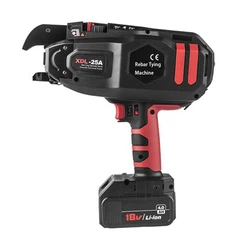
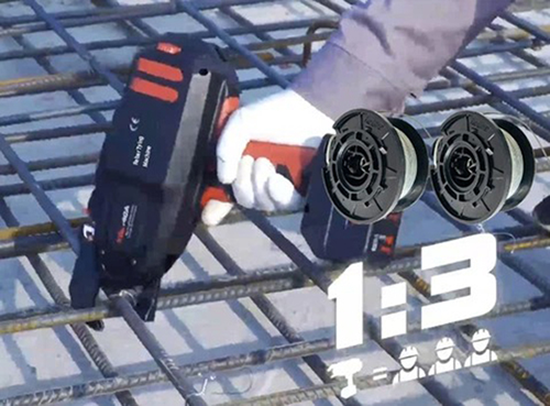
At its core, a rebar tying machine automates the process of wrapping wire around intersecting rebars and twisting it tightly to hold them in place. When the operator places the machine's nose over a rebar joint and pulls the trigger, the tool automatically dispenses the correct amount of tie wire, wraps it around the bars, and twists it securely in about 0.8 to 1.2 seconds.
Main Components
To understand how these machines deliver such efficiency, let's break down their key components:
Motor: Drives the entire tying process, powering both the wire feed and the twisting mechanism. High-quality motors allow for faster, quieter, and smoother operation.
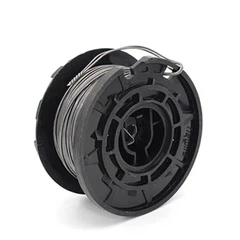
Wire Feed System: Automatically feeds tie wire from a spool through a set of guides and nozzles. Some advanced models can adjust the length and tension of the wire for different bar diameters.
Tie Mechanism: The mechanism responsible for wrapping and twisting the wire tightly around the bars. It ensures the tie is strong, uniform, and fast.
Common Types
There are several types of rebar tying machines, each suited for different working conditions and project scopes:
Battery-Operated: These are the most common machines used on modern construction sites. They are lightweight, portable, and cordless, allowing workers to move freely, and most machines can complete over 2,000 lashings on a single charge.
Pneumatic Tying Machines: These use compressed air to power the tying mechanism and are ideal for stationary applications, such as precast yards or factory lines. They offer consistent power but require air hoses and compressors.
Handheld Models: Compact versions of automatic machines, often weighing under 3 kg. Ideal for overhead work, tight spaces, or vertical formwork where larger tools would be cumbersome.
Applications in Large-Scale Infrastructure and Commercial Builds
Automatic rebar tying machines shine in high-volume, labor-intensive environments. Think bridges, tunnels, highways, high-rise buildings, or precast concrete manufacturing. In such scenarios, manual tying simply can't keep up without excessive labor costs or extended timelines.
What Is a Manual Rebar Tying Tool?
Before advanced machinery took over, manual rebar tying tools were the standard on every construction site-and in many situations, they still are. These hand tools may seem simple compared to high-speed automatic machines, but don't underestimate their importance. They offer versatility, affordability, and complete control, especially when working in confined spaces or on smaller projects.
Description of Basic Hand Tools Used for Rebar Tying
Manual rebar tying typically involves one or two hand tools:
Pliers or Lineman's Tools: Common in the U.S., these are used to twist wire by hand after wrapping it around the rebar joint. Pliers offer more control but require more effort.
Coil Wire and Dispensers: Tie wire is usually carried in a belt-mounted dispenser or simply wrapped around a hand. Workers manually cut or pull lengths of wire to tie.
These tools are inexpensive and widely available, but they depend heavily on the operator's technique, speed, and endurance.
Tying Techniques
Manual tying offers the flexibility to use several techniques depending on the type of reinforcement and structural requirements:
Snap Tie (Simple Wrap): A quick, single-loop wrap around the intersection, twisted until secure. It's fast but not ideal for structural load zones.
Saddle Tie: The wire crosses over the top and bottom bars, providing more stability than a snap tie. Common in slab work.
Figure-Eight Tie: Forms a loop in the shape of an "8" around the bars. Offers extra holding strength and is useful in areas subject to vibration or movement.
Double-Loop Tie: Two loops are twisted simultaneously for maximum strength-often used in seismic zones or highly stressed areas.
Skilled workers can perform these tasks in a matter of seconds, but consistency varies with fatigue and hand strength.
Manual tying tools are most commonly used in:
Residential construction (e.g., driveways, patios, single-family homes).
Spot tying in repair or retrofit projects.
Tight or awkward locations where large machines can't fit.
Projects with budget constraints that can't justify the cost of automated equipment.
Speed and Productivity Comparison
Whether you're racing to complete a commercial slab pour or trying to meet municipal project deadlines, productivity matters. That's why understanding the speed difference between manual rebar tying and automatic machines is essential when choosing your tools.
Tying Speed: Machine (Ties Per Second) vs Manual (Ties Per Minute)
A skilled worker using a manual rebar tying tool can complete 20–30 ties per minute (8,000–10,000 daily under ideal conditions), depending on fatigue and complexity. In contrast, an automatic rebar tying machine operates at 0.8–1.2 seconds per tie, achieving 50–75 ties per minute (25,000–30,000 daily) with minimal physical strain. Machines also ensure consistency in tightness and positioning, unaffected by fatigue or weather. Overall, automation delivers 2.5–3 times higher productivity than manual methods.
Output Analysis: Workers with Machines vs Without
Imagine a team of five workers manually tying rebar. At full efficiency, they might achieve 40,000 to 50,000 ties in a day. But those numbers come with a cost: wrist fatigue, slowed pace after lunch, and increased chances of inconsistent ties by the end of the day.
Now, picture the same team using two or three rebar tying machines. Each operator can focus on positioning the machine and pulling the trigger, while others manage wire spools or bar layout. In this scenario, you can expect:
60,000 to 80,000 ties per day, with fewer workers.
Reduced errors and rework due to consistent tension.
Shorter project timelines and lower labor costs.
Even more importantly, you reduce worker fatigue, which not only helps maintain a steady output but also lowers the risk of job-site injuries.
Wire Consumption and Material Efficiency
When choosing rebar tying methods, wire consumption efficiency impacts costs significantly, especially in high-volume projects.
Difference in Wire Usage Per Tie Between Automatic and Manual Tying
Automatic rebar tying machines reduce wire waste by 40–50% compared to manual tying, as they precisely measure and use only the required amount (15–20 cm per tie). In contrast, manual tying relies on feel, often using 25–35 cm per tie due to inconsistency and over-pulling. Over 10,000 ties, resulting in significant material savings.
Compatibility of Different Wire Types
Black Annealed Wire: The most common and cost-effective option. Soft, flexible, and easy to twist- ideal for most general applications.

Galvanized Wire: Coated to resist corrosion, often used in marine or outdoor projects. Some machines require special feed adjustments or tension settings.
Stainless Steel Wire: For high-corrosion environments like wastewater facilities or coastal construction. It's stronger but also more expensive, so precise usage becomes even more critical.
Before selecting your wire, always check the manufacturer's specifications. Not all machines are optimized for high-tensile or coated wire types, and using incompatible wire can increase wear or cause feed issues.
Impact of Efficient Wire Usage on Long-Term Material Costs
Let's break this down with a simple example:
Manual tying using 30 cm per tie × 10,000 ties = 3,000 meters of wire
Automatic tying using 18 cm per tie × 10,000 ties = 1,800 meters of wire
That's a 40% reduction in wire usage for the same number of ties. If you're using premium galvanized or stainless steel wire, that reduction directly impacts your material budget.
In short, the more consistent your tying process, the more predictable and efficient your material usage will be. That's one reason why many contractors see wire efficiency as a hidden ROI factor when switching to automatic tying tools.
Durability and Maintenance Considerations
No matter how advanced or affordable a tool is, its value lies in consistent performance over time. Whether choosing a manual rebar tier or an automatic machine, consider durability, maintenance needs, and downtime to set realistic expectations for long-term use.
Lifespan of Tying Machines vs Manual Tools
Manual rebar tying tools like twist hooks and pliers are simple and durable, lasting years with minimal care if protected from moisture, rust, and impact. Though prone to human error, they rarely fail mechanically. In contrast, automatic rebar tiers have more complex parts but are built for tough conditions. A quality machine can last 3–5+ years with proper maintenance, often achieving 100,000+ ties before major servicing. Longevity depends heavily on correct use and regular upkeep.
Common Failure Points and How to Service Them
Every tool has its weak spots. Here's what you need to watch for:
Wire Feed Mechanism: Over time, dust, wire debris, or misalignment can cause the wire to feed improperly. Regular cleaning and calibration help prevent jams.
Twisting Gear System: The internal gears that twist the wire under high torque may wear down. Lubrication and occasional replacement are essential.
Trigger and Sensor: For auto machines, trigger switches and tie sensors may lose sensitivity. Ensure these are checked during routine servicing.
Blades or Cutters: These dull with use and must be sharpened or replaced to maintain clean ties.
Wire Jam Risks, Battery Life, and Tool Wear
Wire jams are the most common frustration with automatic machines. They typically occur when:
The incorrect wire is used.
The spool is loaded improperly.
Dust or rust builds up inside the feed channel.
Clearing a jam usually takes 2–5 minutes, but consistent cleaning and using high-quality wire can reduce this risk.
Finally, be aware that tool wear-grips, noses, and drive motors are all subject to wear and should be inspected weekly for signs of fatigue or cracks.
Maintenance Schedule Best Practices
To get the most out of your investment, follow these simple but effective best practices:
Daily: Wipe down the tool after use; check wire alignment and battery charge.
Weekly: Inspect feed system, sensors, and moving parts for buildup or damage.
Monthly: Lubricate gear components; inspect twist mechanism and cutters.
Quarterly: Replace worn parts and perform full cleaning; log usage hours for service tracking.
By sticking to a proactive maintenance schedule, you'll extend your machine's lifespan, avoid unexpected breakdowns, and keep your team productive.
Application Scenarios
Knowing when to use a rebar tying machine and when to stick with manual tools can significantly impact your workflow, cost efficiency, and crew productivity. Let's explore the most common application scenarios and help you match the right tool to the right job.
Projects Ideal for Machines: Large-Scale Rebar Grids, Precast Yards
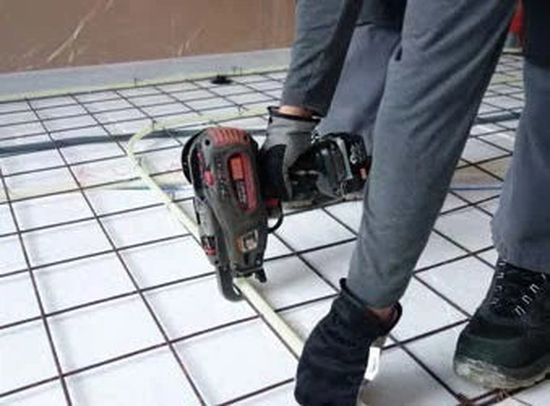
Automatic rebar tying machines are purpose-built for high-volume, repetitive tying tasks. If you're working on a project that involves thousands of intersections- think bridge decks, high-rise floor slabs, parking garages, tunnels, or precast panel production-machines are a smart investment.
Projects Suited for Manual: Simple Foundation, Repairs, and Tight Access Areas
Manual rebar tying tools still play an important role in jobs where precision, flexibility, or mobility are more important than speed.
Hybrid Approach: Combining Both Methods for Optimal Performance
The smartest contractors use a hybrid strategy: machines for main slab work and manual tools for detail zones, vertical rebar, or final touch-ups.
Having both options on hand ensures your team can adapt to any situation on-site without delay or compromise.
Summarize
Choosing between a rebar tying machine and a manual tool involves speed, efficiency, material savings, and labor strategy. Automatic machines tie faster, use 40% less wire, and reduce fatigue, ideal for large-scale projects. Manual tools are cost-effective and suit tight spaces or small jobs. A hybrid approach often optimizes flexibility and ROI by balancing project needs.