














In reinforced concrete construction, rebar wire tying is a critical step that directly impacts the structural stability, safety, and durability of a build. Whether working in precast concrete production or traditional in-situ casting, tying rebar correctly ensures that steel reinforcements maintain their intended position during concrete placement and vibration. For contractors, site engineers, and construction professionals, mastering this technique is essential for meeting project timelines and structural codes. This article provides an in-depth guide on how to tie rebar wire using the right methods, tools, and safety protocols, while also highlighting the most suitable applications for each technique.
What Is Rebar Wire Tying?
Rebar wire tying refers to the process of fastening intersecting steel bars using specialized steel wire to prevent displacement during concrete pouring. It serves as a temporary hold until the concrete sets, but its impact is long-lasting. The technique is widely used in residential foundations, bridge decks, precast components, and retaining structures. Tying methods vary depending on project requirements and can be performed manually or with mechanized tools. Selecting the correct tie method and wire type directly influences reinforcement strength and placement accuracy.
Tools and Materials Required
Before tying begins, it's crucial to understand the range of materials and tools available-and which are best suited for your project. The tools and wire you choose will influence tying speed, accuracy, durability, and long-term resistance to environmental factors.
Understanding the different types of rebar wire and tying tools helps ensure proper application and material longevity under varied jobsite conditions.
Types of Rebar Tie Wire
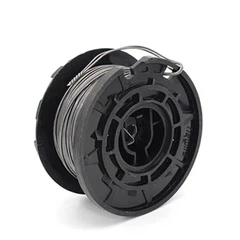
Annealed Wire (Black Steel): Most commonly used due to its flexibility and ease of twisting. Available in gauges such as 16.5 or 16.0. Ideal for general construction use.
Galvanized Wire: Zinc-coated for corrosion resistance, making it suitable for exterior concrete or damp environments. Often used in retaining walls or foundations.

PVC-Coated Wire: Adds another layer of corrosion protection and prevents galvanic reaction between dissimilar metals. Useful in coastal or high-humidity regions.
Stainless Steel Wire: Designed for aggressive environments such as marine structures, wastewater facilities, or chemical plants. Though costlier, it offers unmatched corrosion resistance.
Selection Tip: Choose the thinnest gauge that provides secure holding without compromising flexibility-overly thick wire slows down installation and fatigues workers.
Tying Tools
Manual Pliers: Ideal for small-scale jobs or detailed work. Should have spring-loaded return handles and a robust grip.
Twister Hook Tools: Increase efficiency by mechanically twisting the wire without repeated wrist movement-essential for horizontal slab tying.
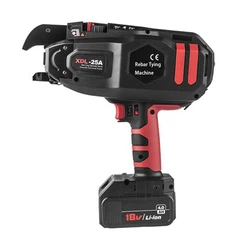
Rebar Tie Guns (Automatic): Battery-operated, these tools tie up to five times faster than manual methods. Useful in repetitive production like precast concrete panels or tunnel linings.
Additional Tools: Include wire reels, belt-mounted wire holders, protective gloves, and safety glasses.
Buying Checklist
Tool weight and handle ergonomics.
Charging time and battery life for tie guns.
Compatibility with wire gauge.
Availability of replacement parts.
Common Rebar Wire Tying Methods
Different tying techniques serve different purposes-some are designed for speed, others for stability or high-stress zones. Understanding these distinctions allows for efficient, code-compliant rebar installations.
This section outlines the most widely used tying techniques, complete with instructions, strengths, and ideal use cases.
Snap Tie (Saddle Tie)
Instructions: Loop the wire diagonally across two rebars, twist tightly at the top using pliers.
Pros: Quick, minimal wire usage.
Use: Horizontal slabs, mesh, or light wall panels.
Wrap and Saddle Tie
Instructions: Wrap the wire around the intersecting bars once before twisting.
Pros: Stronger than a snap tie; provides greater resistance to shifting.
Use: Vertical rebar cages, beam reinforcement.
Figure-Eight Tie
Instructions: Cross wire in a figure-eight loop over bars and twist ends securely.
Pros: Locks both axes, ideal for movement-prone zones.
Use: Seismic areas, foundations in high-load structures.
Double-Staggered Tie
Instructions: Apply two ties in a staggered pattern on both sides of the joint.
Pros: Maximum joint stability.
Use: Critical intersections, multi-level rebar frameworks.
End Tie (Used at bar ends)
Instructions: Twist wire at bar ends to secure terminations.
Use: Where bar movement is most likely during pouring or vibration.
Step-by-Step Guide to Tying Rebar Wire Manually
Manual tying is the foundation of rebar placement. While labor-intensive, it remains the most flexible approach for small to medium-sized jobs.
Follow these steps to achieve a secure and consistent tie.
Prepare Your Setup: Arrange rebar as per structural drawings. Use bar chairs to elevate and support alignment.
Measure Wire Length: Cut 4" to 6" of wire depending on bar thickness.
Wrap the Wire: Use your chosen method (e.g., snap tie) to loop around the bars.
Twist and Secure: Using pliers, twist the ends together tightly. The tie should be firm, not cutting into the bars.

Inspect and Move On: Ensure the tie does not protrude and is free from sharp edges.
Mechanical Rebar Tying: When and Why to Use It
Mechanical tying is indispensable in large projects where speed and uniformity are priorities.
When timelines are tight and tie points number in the thousands, automation reduces fatigue and improves output quality.
Benefits:
Speed: One tie every 0.8 seconds
Consistency: Pre-set tension settings ensure uniform ties
Ergonomics: Reduces wrist and finger strain
Use Case: Precast wall panels, bridge decks, mass foundation footings.
Note: Despite its speed, automatic tying does not replace the need for inspections. Ties must still be verified for placement and tension.
Common Mistakes to Avoid
Errors in rebar tying can lead to structural shifts, inadequate cover, or reduced bond strength. Below are frequent missteps:
Using inappropriate wire types for the environment.
Leaving ties loose or inconsistent.
Over-tightening causes wire failure.
Failing to comply with the tie spacing per design codes.
Tying without personal protective equipment (PPE).
Recommendation: Train all tying personnel with a standardized checklist before deployment.
Best Practices and Safety Tips
Rebar tying isn't just about productivity-it also affects jobsite safety and structural outcomes.
These best practices help ensure quality workmanship and worker protection.
Wear Gloves at All Times – Prevents puncture injuries and improves grip.
Tie at Intersections Only – Avoid tying mid-span, which can compromise concrete consolidation.
Follow Tie Spacing Codes – Refer to ACI or local codes; e.g., 12" spacing for slabs, 6" for walls.
Do Not Reuse Bent or Rusted Wire – Weakens the tie's holding power.
Maintain Tools Daily – Especially tie guns-clean jaws, recharge batteries.
Use Wire Reels and Belts – Minimize movement and save time.
Document Tie Patterns – In inspections, logged tie methods and counts can avoid disputes.
Industry Applications of Rebar Wire Tying
Each use case demands unique tying approaches to suit the structural load, geometry, and environmental factors. Rebar wire tying is used across a broad spectrum of concrete construction. Below are detailed applications per sector:
Precast Concrete Components
In precast concrete production, the steel reinforcement cage serves as the structural backbone of each unit. All rebar must be tied accurately before casting to ensure precise positioning inside the mold. This prevents movement during concrete pouring and vibration, helping maintain the designed dimensions and reducing the risk of cracking.
Automatic rebar tying guns are commonly used on production lines for precast beams, slabs, and columns to improve productivity and reduce labor fatigue. For outdoor storage of precast elements, galvanized or PVC-coated tie wires are recommended to prevent corrosion and ensure long-term durability.
Foundation Slabs
Foundation slabs bear the load of the entire building, making secure and evenly spaced rebar essential. Steel mesh is typically tied in a grid layout using snap ties or double ties to prevent movement during pumping and vibration.
In basements or damp environments, galvanized or corrosion-resistant tie wire is crucial to prevent premature rust. Given the tight rebar spacing and limited work space, lightweight pliers or compact automatic tying tools can significantly improve efficiency and safety.
Columns and Beams
Columns and beams are critical load-bearing components that often require multi-layer vertical cages. The strength and stability of these cages depend heavily on precise tying. In high-stress or seismic areas, wrap-and-saddle ties or figure-eight ties provide additional resistance to lateral movement.
During crane lifting or formwork placement, well-tied cages prevent structural collapse. In high-rise construction, stainless steel tie wire is recommended due to its superior tensile strength and corrosion resistance in elevated or exposed conditions.
Infrastructure and Highway Projects
Large-scale infrastructure such as bridges, tunnels, subways, and highways often uses heavy-gauge rebar in dense configurations. Mechanized tying solutions-such as rebar tying robots or twin-tie devices-are favored for their speed and consistency across thousands of tie points.
Durability and corrosion resistance are critical in these projects. Heavily galvanized or infrastructure-grade tie wires are standard to ensure structural longevity. For example, box girders and cap beams in bridges frequently rely on high-grade wire to meet DOT specifications.
Marine and Coastal Projects
Marine and offshore structures-like piers, ports, sea walls, and breakwaters-are constantly exposed to salt spray and high humidity. Standard annealed wire corrodes quickly in these environments, so 316L stainless steel or thick PVC-coated tie wire is the preferred solution.
Due to space constraints and environmental challenges (e.g., waves, wind), workers often use compact, one-handed automatic tying tools to ensure speed and accuracy. These tools also enhance safety on unstable platforms.
To meet the design life expectations of 100 years or more for marine structures, high-performance tying materials and reinforced redundancy in tie spacing are essential.
Conclusion
Rebar tying might seem like a small task in a massive project, but it forms the basis of every structurally sound concrete component. From the right wire selection to the application of efficient methods and tools, every detail matters. By following the practices and guidance outlined in this article, construction professionals can ensure stronger, safer, and more durable outcomes for every project phase.
FAQs
1. What is the most commonly used type of rebar tie wire?
The most commonly used type is black annealed wire due to its flexibility and cost-effectiveness. It's ideal for general construction but may not be suitable for corrosive environments.
2. How do I choose between manual and automatic tying tools?
Manual pliers are suitable for small-scale or low-volume projects. For large-scale or repetitive jobs like precast concrete production, automatic rebar tie guns significantly improve speed and reduce worker fatigue.
3. Can I use galvanized tie wire for all outdoor applications?
Galvanized tie wire is highly resistant to rust, making it suitable for most outdoor applications. However, in high-salinity or marine environments, stainless steel or PVC-coated wire is preferred for superior durability.
4. What's the ideal spacing between rebar ties?
Spacing depends on structural requirements and local codes. ACI guidelines often recommend 12 inches for slabs and 6 inches for vertical structures like walls and columns.
5. Does tie wire contribute to structural strength?
Tie wire's primary role is to hold the reinforcement in place during pouring and vibration. It does not contribute to structural load-bearing but is essential for maintaining rebar positioning and concrete cover.
6. Is there a risk in over-tightening rebar ties?
Yes. Over-tightening can cause the wire to snap or damage the rebar, potentially leading to reduced bond strength or misalignment. Proper tensioning is crucial.
7. Can a tie wire be reused?
It is not recommended. Once bent or exposed to the environment, the tie wire loses strength and flexibility. Always use fresh wire to ensure secure binding and compliance with safety standards.