











Have you ever wondered how food manufacturers ensure that your food is free from harmful metal contaminants? Food manufacturing companies continuously experience challenges to uphold their maximum possible safety measures. Products with even the tiniest metal fragment exposure generate significant health and recall expenses that simultaneously degrade brand credibility forever.

Magnetic separators serve as essential instruments that address food processing needs. Specialized equipment named magnetic separators function to eliminate dangerous metal fragments in raw material and finished food products so that products maintain their safe quality standards. The process of food production enables metal fragments to enter through multiple stages where machinery wear and tear meets accidental contamination. Effective metal removal systems protect manufacturers from violations of food safety standards along with regulatory non-compliance as well as production inefficiencies.
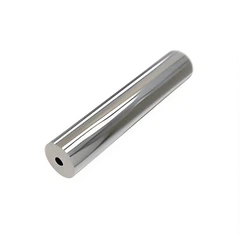
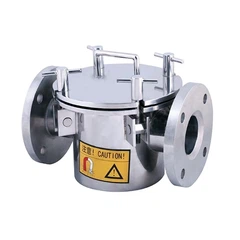
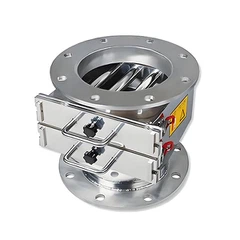
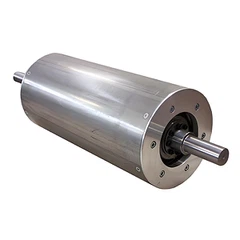
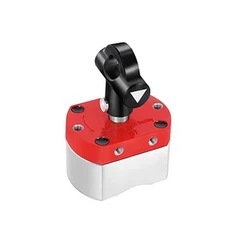
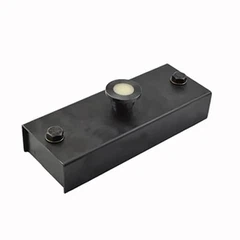
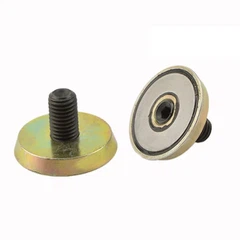
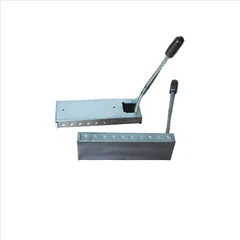
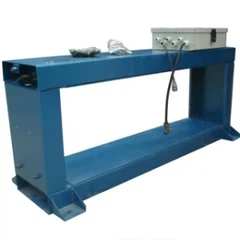
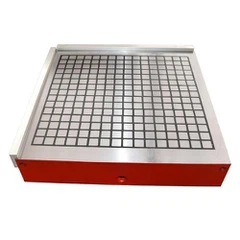
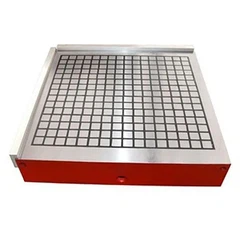
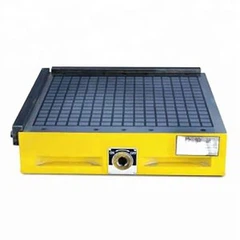
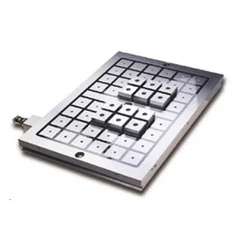
GME addresses food safety risks by strictly adhering to industrial quality standards and providing food-grade magnetic separation equipment, which consists of magnetic filters, grid separators, and high-strength magnetic grids to protect food from metal impurities.
Businesses and consumers require an understanding of how food manufacturing magnetic separation operates while simultaneously selecting appropriate equipment to safeguard public health. This guide explains magnetic separator operations with an exploration of different types of devices and discusses their critical role in protecting food quality and safety standards.
Understanding Magnetic Separators and Their Role in Food Processing
How Magnetic Separators Work
Food processing facilities must preserve product purity as their main operational priority. All food processing operations that use modern manufacturing facilities encounter metal contamination mainly because of machinery deterioration as well as accidental foreign materials or contamination from the raw ingredients stage. Magnetic separators serve as protective systems that stop metal impurities from reaching final products.
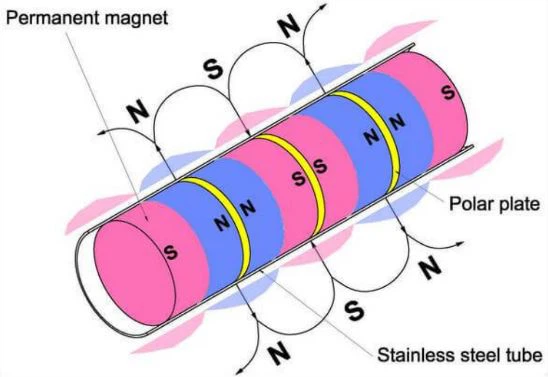
The magnetic device utilizes a powerfully magnetic field that draws and secures metallic ferrous particles while materials flow. Main components stay trapped inside until cleaning operates while blocking the formation of product contamination in lower production locations. Magnetic separation efficiency in processed food depends on several aspects including magnetic force strength as well as equipment design alongside point of installation in the manufacturing process.
Magnetic separators effectively eliminate the common ferrous metal contaminants which are:
Stainless steel fragments – Often originating from processing equipment or cutting tools.
Iron shavings – Produced by machinery friction and component wear over time.
Rust particles – Formed due to oxidation of metal components in humid environments.
Metal debris from raw materials – Traces of metal introduced during harvesting, transportation, or packaging.

Such equipment rapidly removes impurities which protects consumers from obtaining unclean or unsafe food products.
Why Magnetic Separation is Essential in the Food Industry
Food contamination with trace amounts of metal particles results in serious detrimental outcomes. Consumers who eat metal particles risk cuts in addition to choking risk and internal tissue damage. The harmful impact of contamination incidents extends beyond public health risks causing permanent damage to the financial state of food businesses as well as serious damage to their public image.
Metal contamination produces various severe effects which include:
Massive product recalls – Recalling contaminated products results in huge financial losses and damaged consumer trust.
Legal penalties and fines – Regulatory bodies impose strict fines and actions against non-compliance with food safety standards.
Brand reputation damage – One incident of contamination damages brand reputation and customers lose their trust in the company.
Machinery breakdowns and maintenance costs – Food processors face two serious challenges because metal contaminants destroy their equipment while creating maintenance expenses through non-scheduled machine stoppages.
Manufacturing operations add compliant magnetic separators to their systems as a way to minimize these potential risks. Such separators eliminate ferrous contaminants while assisting businesses to meet food safety requirements.
Food companies that implement food contaminant removal by magnetic separators protect their products while upholding compliance standards and protecting their customer base and business operations from harmful contamination.
Types of Magnetic Separators Used in Food Processing
Magnetic Grate Separators for Food Safety
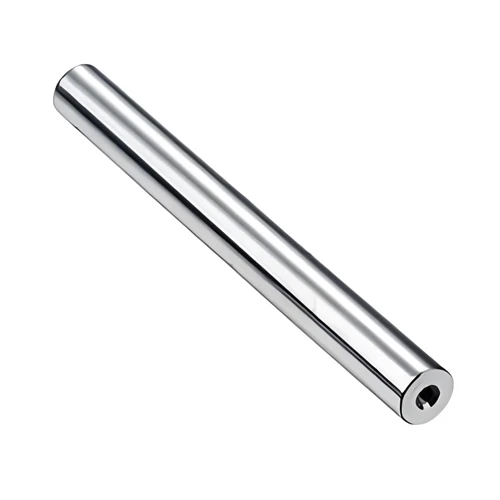
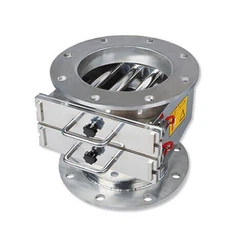
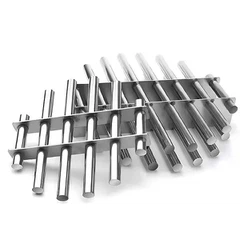
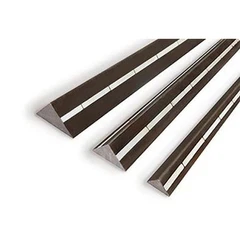
Food processing industries heavily rely on magnetic grate separators for their widespread use. The equipment uses stainless-steel bars arranged to create magnetic fields that capture metal residues. Magnetic grate separators find their installation locations at hoppers along with chutes and in conveyor systems.

Benefits of magnetic grate separators:
1. Effective in removing fine metal particles.
2. Easy to clean and maintain.
3. Available in different sizes and strengths.
Magnetic Filters for Food Safety
Magnetic filters find applications for liquid and semi-liquid food processing through their use in dairy products and sauces along with beverages. Liquid food moving through pipelines can have metallic impurities collected by the filters installed in these systems.

Advantages of magnetic filters:
1. Ideal for wet food applications.
2. Helps in ensuring food purity and quality.
3. Compliance with international food safety standards.
High-Intensity Magnetic Separators for the Food Industry
Magnetic separators equipped with powerful magnets trap minuscule metal fragments. Flour mills, spice companies, and dairy organizations frequently utilize these devices in their processing industries.
Why high-intensity magnetic separators are important:
1. Detect and remove ultra-fine metallic particles.
2. Prevent contamination in powdered food processing.
The Future of Magnetic Separation in the Food Industry
Magnetic separation technologies in food manufacturing are constantly evolving due to stricter food safety regulations and rising production requirements. Modern commercial magnetic separation systems provide higher operational efficiency, precise consistency, and automated flourishing for producing contamination-free foods.
Advancements in Magnetic Separation Technology
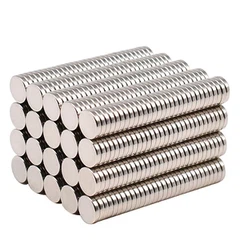
Rare-earth magnetic separators represent a major advancement through their ability to use neodymium magnets that seize the smallest ferrous particle contaminants. The intense magnetic power present in these magnets serves critical purposes when operators work with dairy products and fine powders as well as substances during liquid-based food production processes.
Self-cleaning magnetic separators introduce a major advancement to magnetic separation technology systems. Self-cleaning systems operate automatically to eliminate trapped metal contaminants thus they boost efficiency and reduce maintenance requirements that manual separators need. These devices reach maximum food security through advanced AI-integrated detection systems that provide real-time contamination monitoring send alerts and automatically optimize metal removal procedures.
Magnetic Separation and Sustainable Food Processing
The role of sustainability continues to increase its importance in magnetic separation systems designed to handle food contaminants. The use of magnetic separators stops contamination which enables manufacturers to decrease waste production and enhance resource management. Stainless steel magnetic grids used for food processing maintain their durability which produces long-term performance alongside affordability as an alternative to disposable filtration methods.
Food manufacturers can build operational sustainability through the continuous advancement of compliant magnetic separators which enable them to stay in compliance with international food safety standards. The contemporary purchase of high-intensity magnetic separators for food production purposes yields product safeguarding against contamination together with operational efficiency and sustainability improvements.
Enhancing Production Efficiency with Magnetic Separation
Reducing Downtime and Equipment Damage
Metal contamination within the food processing environment adversely affects both human health and damages the processing machinery. Processing equipment experiences operational breakdowns when metal fragments enter thus causing both repairs and unplanned stoppages. Food-grade magnetic separation systems allow manufacturers to block metal contaminants therefore prolonging the useful life of their machinery systems.
Magnetic separators allow food processing facilities to achieve uninterrupted operations and reduce operational interruptions. The separators perform ferrous contaminant capture operations before damage occurs thus allowing production to continue without requiring regular maintenance stoppages. Magnetic separators create both cost efficiency and operational performance improvements.
Optimizing Product Quality and Yield
The food industry depends on product quality at its optimum level. Small quantities of metal impurities cause food processors to abandon complete batches thus creating considerable monetary losses. The use of magnetic separation systems for food contaminants protects manufacturing yield from product loss resulting from contaminated materials.
High-intensity magnetic separators installed for food production help processors obtain the following benefits:
The risk of rejected batches and recalls decreases through the proper implementation of technology.
Increased customer confidence in product safety.
Manufacturers benefit from stainless-steel magnetic grids in food processing because they improve food quality control which enables production efficiency and regulatory compliance. Magnetic separators for food manufacturing provide more than compliance benefits because they boost productivity and waste reduction and contribute to increased profitability.
Choosing the Right Magnetic Separator for Your Food Processing Line
Factors to Consider When Selecting a Magnetic Separator
A selection of separator depends on different aspects that include:
Type of food product: Different magnetic separators exist for the separate production of liquid and powder and granulated and solid food items.
Size of metal contaminants: The type along with the size of metallic contaminants determines the magnetic strength required in the separator.
Production capacity: Food production lines requiring substantial quantity capacity should use industrial-grade separators.
Cleaning requirements: The cleaning requirements of separators can be improved by features designed for quick maintenance which shortens equipment downtime.
Comparison of Different Magnetic Separation Solutions
|
Type of Magnetic Separator |
Best For |
Strength Level |
Key Benefits |
|
Magnetic Grate Separators |
Dry bulk food (flour, grains) |
Medium |
Captures fine metal fragments |
|
Magnetic Filters |
Liquid food processing (milk, juices) |
High |
Ideal for pipelines and wet environments |
|
High-Intensity Magnetic Separators |
Powdered food, spices |
Very High |
Removes even the smallest metal contaminants |
The Role of Magnetic Separation in Food Manufacturing
Preventing Costly Recalls and Contamination Incidents
Companies can achieve strict industry standards through stainless steel magnetic grids used in food processing which preserves product quality. The food manufacturing industry minimizes critical risks through financial investments in magnetic separation systems.
Real-World Example:
The 2021 food manufacturer product retrieval order affected thousands of packaged snack products because metal fragments appeared in their items. Proper installation of a magnetic grate separator would have avoided this particular issue.
Enhancing Production Efficiency
By using food-grade magnetic separation equipment, manufacturers can:
Reduce waste caused by contaminated batches.
Minimize machine downtime due to metal damage.
Improve overall product quality.
Where to Buy the Best Magnetic Separators for Food Processing?
Invest in Reliable Magnetic Separation Solutions for Maximum Food Safety
Food protection from metal impurities requires businesses to make essential investments in high-quality magnetic separators during food processing operations. Your selection of an appropriate supplier will give you long-lasting high-powered magnetic equipment that adheres to international food safety requirements.
GME operates as a top leader in the industry by producing diverse compliant magnetic separators that protect food production lines. GME provides premium magnetic equipment which includes magnetic grate separators for food safety together with stainless steel magnetic grids for food processing and high-intensity magnetic separators for food industry applications.

Why Choose GME for Your Food-Grade Magnetic Separation Equipment?
Industry-Leading Technology – Advanced magnetic separation solutions for food contaminants.
Customizable Designs – Tailored to fit your specific food processing requirements.
Reliable Performance – High-intensity magnets to ensure maximum metal removal efficiency.
Competitive Pricing and Fast Delivery – High-quality magnetic separators at the best prices.
Users seeking comprehensive food manufacturing solutions with magnetic separation need to visit GME to enhance their product quality standards and food safety measures.
Conclusion
The food safety requirement depends on magnetic separators to eliminate metal contamination because they safeguard manufacturers and consumers. The devices successfully extract ferrous debris thus they support maintaining food quality while minimizing product recalls and meeting all regulatory standards. Food-grade magnetic separation equipment increases operational efficiency and production reliability across food processing lines through use in dry bulk materials and liquid processing and high-intensity applications. Magnetic separation technology developments enable the industry to detect and remove more metal particles which enhances food quality standards.
The purchase of suitable magnetic separation solutions that protect against food contaminants represents both a legal necessity and a means of preserving manufacturer credibility with their customer base. Obtaining certified magnetic separators from reputable suppliers brings both complete protection from contamination and enhanced production effectiveness to your facilities. The food industry demands specific performance requirements so GME supplies magnetic grate separators along with filters and stainless-steel magnetic grids. The ongoing development of food safety regulations makes it essential for manufacturers to adopt contemporary magnetic separation in their operations to deliver both industry standards and contaminant-free high-quality products.