







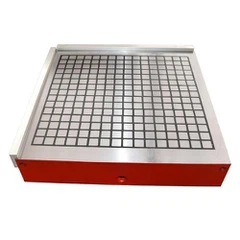
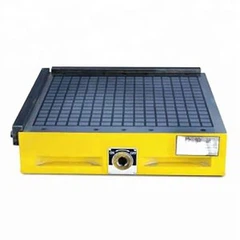
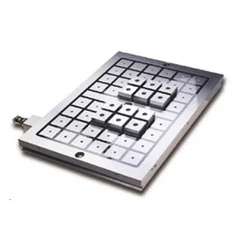


Magnetic separators are widely used in industrial production to remove unwanted ferrous contaminants from raw materials. They help protect downstream equipment, improve product purity, and reduce
maintenance costs.
However, choosing the right magnetic separator is not always simple.
Different materials, particle sizes, production capacities, and installation environments require different magnetic strengths and structural designs. Selecting the wrong type can lead to reduced
separation efficiency, frequent downtime, or unnecessary investment.
This buying guide focuses on practical selection factors rather than general definitions. It will help you understand key technical parameters, compare common separator types, and choose a solution
that fits your production line.

What Is a Magnetic Separator?
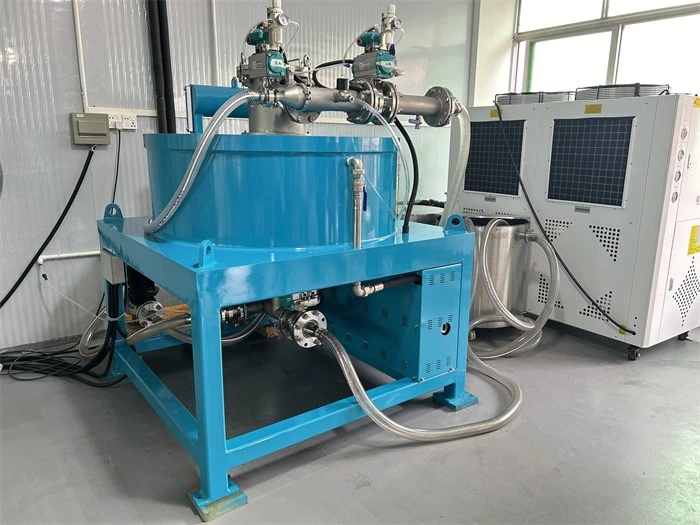
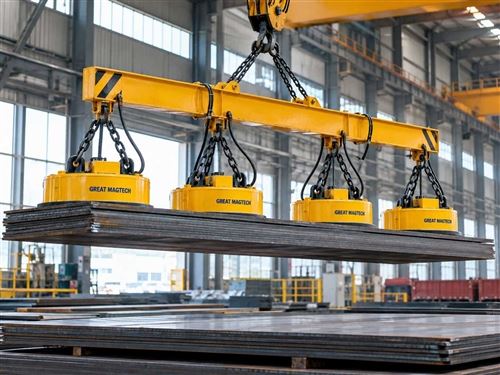
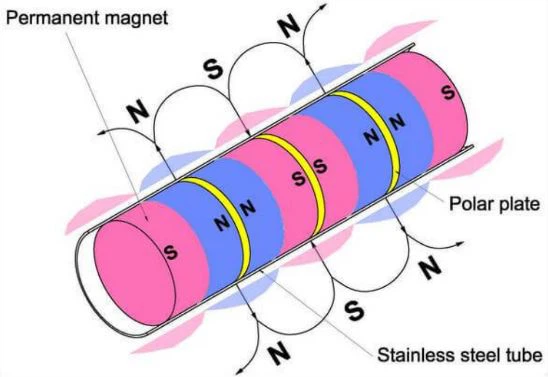
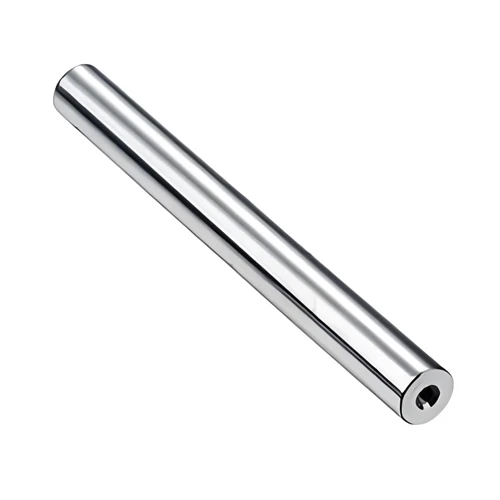
A magnetic separator
is a device that helps remove metal particles from other materials. It uses magnets to attract iron or steel fragments that shouldn't be there. These metals can come from damaged equipment, raw
materials, or simply from wear and tear during daily production.
Magnetic separators are often used in industries that require clean, metal-free materials, such as food processing, plastics, mining, and chemicals. Their goal is simple: to protect your equipment,
improve product quality, and ensure smooth operation.
Types of Magnetic Separators
Magnetic separators are available in several designs, each suited for different material flows and installation environments. Selecting the correct type depends on contamination size, production
capacity, and whether continuous cleaning is required.
Below is a practical comparison of common magnetic separator types used in industrial applications.
| Type | Best For | Magnetic Strength | Cleaning Method | Typical Installation |
|---|---|---|---|---|
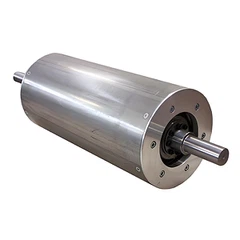
| Magnetic Drum Separator | Bulk material with high throughput | Medium to High | Automatic (continuous) | Conveyor discharge or material outlet |
| Overband Magnetic Separator | Removing tramp iron from conveyor belts | High | Self-cleaning or manual | Suspended above the conveyor |
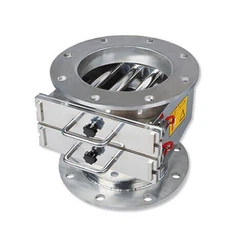
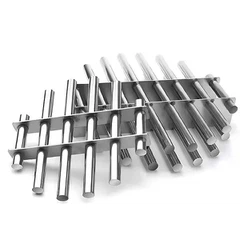
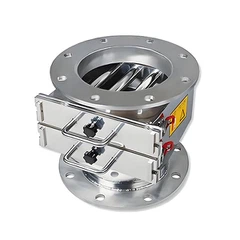
| Magnetic Grate Separator | Fine powders and granular materials | Medium to High | Manual cleaning | Installed inside hoppers or chutes |
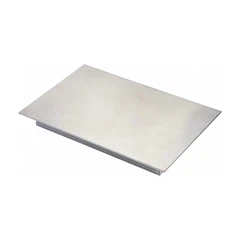
| Magnetic Plate Separator | Thin material layers on belts | Medium | Manual cleaning | Mounted under or above the conveyor |
| Eddy Current Separator | Non-ferrous metal separation | Variable | Automatic | Recycling lines |
Each type serves a specific purpose.
Magnetic drum separators are commonly used in mining and recycling operations where large volumes of material must be processed continuously.
Overband separators are ideal for removing large iron contaminants from conveyor belts in cement plants and aggregate facilities.
Magnetic grates work best for fine materials such as plastic pellets or food-grade powders, where direct contact improves separation efficiency.
Magnetic plates are suitable when space is limited and material flows in thin layers.
Eddy current separators are used in recycling industries to separate non-ferrous metals such as aluminum.
Before choosing a separator, consider material type, contamination size, and whether your production line requires continuous or periodic cleaning.
What Are the Three Materials Used for Magnetic Separators?
The power of a magnetic separator depends largely on its material. Different materials produce different magnetic fields, and each performs best in specific environments. The following are the three main materials used in magnetic separators.
Ferrite Magnets
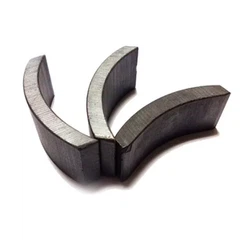
Ferrite magnets, also known as ceramic magnets, are the most common. They are affordable and rust-resistant, making them ideal for general-purpose separations. They operate even in high-temperature environments and have a long service life. If your work involves dry materials or doesn't require extremely strong magnets, ferrite magnets are an ideal choice.

Neodymium Magnets
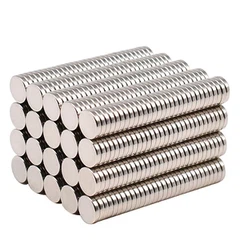
Neodymium, or rare earth magnets, are the strongest magnets currently available. Despite their small size, neodymium magnets still offer strong separation power, making them ideal for fine powders or fine contaminants. They can capture even the tiniest metal particles. However, they should be handled with care, as they are fragile.
Samarium Cobalt Magnets
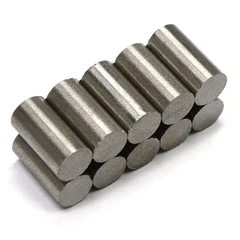
Samarium Cobalt magnets offer similar strength to neodymium magnets, making them well-suited for high-temperature or acidic environments and robust and stable, but they are more expensive. They are also corrosion-resistant, making them effective in extreme or dirty environments. They are commonly used in the chemical and food industries.
By understanding these materials, you can choose a separator that meets your needs, balancing strength, cost, and durability.
Key Technical Features to Consider
When selecting a magnetic separator, technical specifications matter more than general descriptions. Performance depends on measurable factors, not just magnet type.
Below are the core parameters you should evaluate before making a decision.
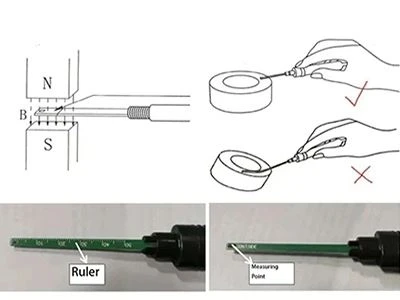
Magnetic Strength (Gauss)
Magnetic strength determines how effectively ferrous contaminants are captured.
For light contamination, moderate Gauss levels may be sufficient.
For fine particles or weakly magnetic materials, higher Gauss levels are required.
Choosing excessive strength can increase cost without improving efficiency. Choosing insufficient strength reduces separation performance.
Magnetic Depth
Some magnetic separators require manual cleaning. Others have automatic cleaning systems that keep the magnets clean without stopping the line. When choosing a type, consider the time and effort you can devote to maintenance.
Cleaning Methods
Magnetic depth refers to how far the magnetic field can penetrate into the material flow.
If materials move in thick layers, deeper magnetic fields are necessary.
For thin material streams, shallow magnetic reach may be adequate.
Matching magnetic depth to material thickness improves efficiency.
Throughput Capacity
Production capacity is usually measured in tons per hour (T/H).
A separator must handle your actual material flow rate.
Undersized equipment may cause overflow or reduced separation efficiency.
Always confirm capacity with your operating speed and belt width.
Particle Size and Material Type
The size and physical characteristics of the material influence separator performance.
Fine powders behave differently from large aggregates.
Wet or sticky materials may reduce magnetic exposure.
Material testing is recommended when contamination levels are uncertain.
Cleaning Method
Magnetic separators are available in manual-cleaning and self-cleaning versions.
Manual units require scheduled downtime for cleaning.
Self-cleaning systems are better suited for continuous production lines.
The correct choice depends on labor cost, downtime tolerance, and production stability requirements.
Once you understand these technical factors, the next step is selecting the right separator configuration for your production line.
How to Choose the Right Magnetic Separator
Choosing the right magnetic separator starts with understanding your material and production process. A clear evaluation reduces trial-and-error and improves long-term efficiency.

Step 1: Identify the Type of Contamination
First, determine what kind of metal contamination you are removing.
Is it large tramp iron?
Fine iron particles?
Weakly magnetic stainless steel?
Different contaminants require different magnetic strengths and separator designs.
Step 2: Evaluate Material Flow Conditions
Consider how the material moves through your system.
Is it on a conveyor belt?
Inside a chute or hopper?
Free-falling or in a thick layer?
The thickness and speed of material flow directly affect magnetic separation performance.
Step 3: Confirm Production Capacity
Check your actual throughput, usually measured in tons per hour.
A separator must match your production volume.
Oversized equipment increases cost.
Undersized equipment reduces efficiency.
Capacity alignment is essential.
Step 4: Select Magnetic Strength
Higher Gauss levels are not always better.
Match magnetic strength to contamination size and material characteristics.
For fine or weakly magnetic particles, higher intensity may be necessary.
Avoid over-specifying without clear justification.
Step 5: Choose Cleaning Method
Decide between manual cleaning and self-cleaning systems.
Manual separators are suitable for smaller operations with periodic maintenance.
Self-cleaning units are better for continuous production lines where downtime must be minimized.
Step 6: Consider Installation and Space Constraints
Measure available installation space.
Suspended separators require clearance above conveyors.
Inline grates must fit inside chutes or pipelines.
Improper installation planning often causes operational issues later.
Self-Cleaning vs Manual Magnetic Separators
One of the most important decisions when selecting a magnetic separator is choosing between manual cleaning and self-cleaning systems. The right option depends on production volume, labor cost, and downtime tolerance.
| Feature | Manual Magnetic Separator | Self-Cleaning Magnetic Separator |
|---|---|---|
| Cleaning Method | Requires manual removal of collected metal | Automatic belt or discharge system |
| Downtime | Requires a production stop during cleaning | Minimal or no production interruption |
| Maintenance Frequency | Periodic, depending on contamination level | Continuous removal of contaminants |
| Labor Requirement | Higher | Lower |
| Suitable For | Small to medium production lines | Continuous, high-volume operations |
| Initial Cost | Lower | Higher |
Manual magnetic separators are commonly used in smaller operations where contamination levels are manageable and downtime is acceptable. They are simple in structure and easier to maintain. However,
they require regular inspection and manual cleaning, which can interrupt production.
Self-cleaning magnetic separators are designed for continuous processing lines. They automatically discharge collected metal contaminants without stopping the system. This makes them ideal for
mining, recycling, cement, and other high-throughput industries.
When contamination levels are high or production runs continuously, a self-cleaning system often improves long-term efficiency despite the higher initial investment.
Before deciding, evaluate how often cleaning would be required and whether production interruptions are acceptable in your operation.
Magnetic Separator Applications by Industry
Magnetic separator requirements vary by industry. Material type, contamination size, and production speed determine the correct solution.
Mining and Quarrying
Used to remove tramp iron from bulk ore and aggregates. Drum and overband separators are common for high-capacity operations.
Recycling
Separates ferrous metals from mixed waste streams. Overband and eddy current separators are typically installed above conveyors.
Food Processing
Removes fine iron particles from powders and granular materials.
Magnetic grates are widely used inside hoppers and pipelines.
Plastics and Chemicals
Protects processing equipment from small metal contamination.
Plate separators and grates are often used before molding or extrusion.
Cement and Aggregates
Prevents metal damage to crushers and mills. Suspended overband separators are common in conveyor systems.
Selecting a separator based on industry-specific contamination and flow conditions improves efficiency and reduces equipment wear.
Common Mistakes When Selecting a Magnetic Separator
Selecting a magnetic separator without proper evaluation often leads to poor separation efficiency or unnecessary operating costs.
Below are common mistakes you should avoid.
Choosing Insufficient Magnetic Strength
Low gauss levels may fail to capture fine or weakly magnetic contaminants. Always match magnetic strength to particle size and material type.
Ignoring Material Flow Conditions
Magnetic performance depends on how materials move.
Thick material layers or high-speed conveyors reduce effective separation if not properly accounted for.
Overlooking Throughput Capacity
Selecting equipment that does not match production volume can cause overflow or frequent maintenance issues. Capacity alignment is essential for stable operation.
Choosing the Wrong Cleaning Method
Manual systems may increase downtime in high-volume operations.
Self-cleaning systems may be unnecessary for small production lines.
The cleaning method should match your production rhythm.
Improper Installation Position
Incorrect mounting height or angle can reduce magnetic exposure.
Installation planning should be considered during the selection stage.
When Is a Magnetic Separator the Right Choice?

Magnetic separators are highly effective when the primary contamination is ferrous metal. They operate without continuous power (in the case of permanent magnets), require minimal maintenance, and provide reliable protection for downstream equipment such as crushers, mills, and extruders.
They are especially suitable for industries that process bulk materials, powders, or granules where iron contamination can damage machinery or affect product quality.
However, magnetic separators cannot remove non-ferrous metals such as aluminum or copper. Their performance also depends on proper installation, material flow thickness, and magnetic strength selection. In high-temperature environments, magnet grade must be carefully specified to prevent performance loss.
A magnetic separator is the right choice when iron contamination is the main risk and when long-term equipment protection is a priority. Proper sizing and application matching ensure stable and efficient operation.
Installation, Maintenance, and Safety Guidelines
Proper installation ensures effective separation performance. Position the separator where material flow is stable and evenly distributed. Ensure sufficient structural support and clearance for inspection and cleaning. Alignment with the material stream is essential to maximize magnetic exposure.
Regular maintenance maintains efficiency. Establish a cleaning schedule based on contamination level and production volume. For manual units, remove accumulated metal before buildup affects performance. For self-cleaning systems, inspect discharge mechanisms periodically to prevent blockage.
Routine inspection should include:
Checking magnetic surfaces for buildup
Verifying mounting stability
Inspecting structural wear
Monitoring magnetic strength over time
Strong magnets require safe handling. Keep tools and electronic devices away from active magnetic fields. Follow lockout procedures during maintenance to prevent injury.
Proper installation and routine inspection extend service life and maintain stable separation performance.
Cost Factors and ROI Considerations
The cost of a magnetic separator depends on magnet type, size, construction material, and cleaning system. Rare earth magnets typically increase price but provide higher magnetic strength. Larger units and custom configurations also affect total investment.
Additional cost factors may include installation requirements and transport.
ROI should be evaluated based on long-term performance rather than initial price alone. Effective separation reduces equipment damage, product rejection, and unplanned downtime. In continuous production lines, improved efficiency often offsets higher upfront costs.
When comparing options, consider contamination level, maintenance frequency, and expected service life. A properly matched separator delivers stable performance and lowers overall operating risk.
FAQs
Q: What Gauss level is required for effective iron removal?
A: The required Gauss level depends on particle size and contamination type. For general tramp iron removal, medium-strength magnets are often sufficient. For fine powders or weakly magnetic particles, high-intensity rare-earth magnets are typically required. Matching gauss level to material characteristics is more important than simply choosing the strongest option.
Q: Can a magnetic separator remove stainless steel?
A: It depends on the stainless steel grade. Magnetic separators can remove martensitic and ferritic stainless steel because they are magnetic. Austenitic stainless steel (such as 304 or 316) is weakly magnetic or non-magnetic and may require high-intensity systems for partial removal.
Q: What is the typical lifespan of a magnetic separator?
A: The structural components can last many years with proper maintenance. Magnet lifespan depends on grade and operating conditions. Regular inspection ensures long-term stability.
Q: What is the difference between permanent magnetic and electromagnetic separators?
A: Permanent magnetic separators do not require continuous power and have lower operating costs. Electromagnetic separators allow adjustable magnetic strength and are often used in heavy-duty or specialized applications, but they consume energy and require more maintenance.
Q: Can magnetic separators be customized?
A: Yes. Magnetic separators can be customized in terms of size, magnetic strength, housing material, mounting configuration, and cleaning system. Customization ensures compatibility with specific production lines and industry requirements.
Q: What industries require high-intensity magnetic separation?
A: Industries such as food processing, pharmaceuticals, plastics, and fine chemical production often require high-intensity separation due to strict purity standards and fine particle sizes.
Conclusion
Choosing the right magnetic separator means matching magnetic strength, separator type, and cleaning method to your material and production conditions. A well-selected system improves product
purity, protects equipment, and reduces downtime.
Incorrect selection can lead to efficiency loss or unnecessary operating costs.
At Great Magtech, we support magnetic separator selection based on your material type, throughput, and installation layout. If you are evaluating options for your production line, feel free to share your
requirements for technical consultation.
Other Best-selling Magnetic Separators

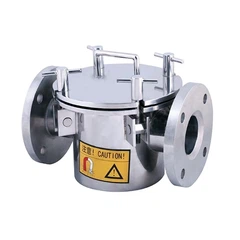
Magnetic Grill

Magnetic Bar

Magnetic Liquid Trap

Drawer Magnet

Magnetic Roll Separator

Magnetic Plate

Magnetic Sheet Separator

Electromagnetic Separator