









If you work with metalworking machinery, especially precision machine tools such as surface grinders, you've likely used magnetic chucks. These devices play a crucial role in the machining process, firmly holding ferrous materials during cutting, grinding, or drilling operations. Whether you're manufacturing tools, handling production tasks, or performing maintenance on CNC machines, magnetic chucks can help improve stability, precision, and workflow efficiency.
This article will explain what magnetic chucks are, how they work, and when resurfacing may be necessary. You'll also learn how to use magnetic chucks and the associated risks safely. If you're responsible for ensuring smooth equipment operation, this guide is for you.
What Is a Magnetic Chuck
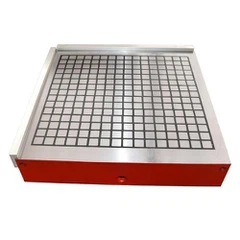
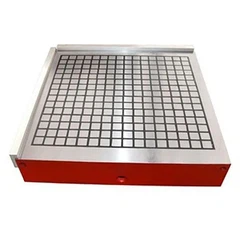
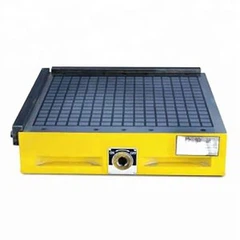
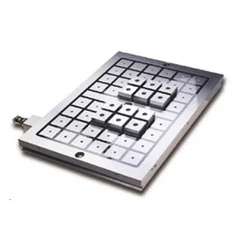
A magnetic chuck is a workholding device used in machining to securely hold ferromagnetic materials such as steel and iron. It eliminates the need for clamps or vises, relying instead on magnetic force to secure the part. This makes machining all sides of the workpiece easier without repositioning. If you frequently machine flat or thin-walled metal parts, a magnetic chuck can save time and improve precision. Mechanical clamping does not damage the part and maintains full contact with the workpiece surface.
However, like any tool, a magnetic chuck must be used correctly and maintained in good condition. If the surface is damaged or uneven, it may not hold the part properly. This is where machining comes into play, so understanding how these chucks work is crucial.
How Does a Magnetic Chuck Work?
After reading the previous section, I believe you now understand what a magnetic chuck is. So, how does it work? A magnetic chuck uses magnetism to hold metal parts in place. This may sound complicated, but the principle is simple. Please continue reading.

The Magnetic Field
Inside the chuck, magnets are arranged in a pattern. When activated, either by electricity (in electromagnetic chucks) or by turning a handle (in permanent magnetic chucks), these magnets generate a magnetic field across the top surface. If your workpiece is made from a magnetic material, the field pulls it down tight against the chuck surface.
Holding Force
The holding power depends on a few things:
The material of your workpiece.
How flat and smooth the bottom of the part is.
How clean and level the chuck surface is.
If both surfaces are in good shape, the holding force is strong enough to resist side forces from grinding or cutting.
On and Off Control
One of the key benefits is control. You can switch the magnet on to hold the part and switch it off to release it. No need to loosen bolts or clamps, just one motion and you're ready.
Types of Magnetic Chucks and Their Machinability
There are many different types of magnetic chucks, and not all can be machined in the same way. Each type has its unique internal structure, operating method, and surface design. Before considering machining a magnetic chuck, it's important to understand what type of chuck you're using.
Permanent Magnetic Chucks
Permanent magnetic chucks use strong magnets and a mechanical switch to control the magnetic field on and off. No power is required during operation.
You can machine the top surface of a permanent magnetic chuck, but caution is advised. Removing too much material may weaken the magnetic circuit or damage the magnetic pole pattern. If the top surface is uneven or worn, you can perform light surface sanding, but be sure to follow the limits of the permanent magnetic chuck.

Electromagnetic Chucks
Electromagnetic chucks rely on an electric current to generate a magnetic field. They can precisely control the clamping force, but they stop working when the power is removed.
Machining these chucks requires extreme care. Many have internal coils and laminated steel structures located just below the surface. Grinding too deeply can cut into these coils. In most cases, only minor surface refinishing is permitted.
Electro Permanent Magnetic Chucks
Electro permanent magnetic chucks are a hybrid. Power is only needed to switch the magnet on or off, not to maintain it. They're popular for CNC and heavy-duty setups.
Most electro permanent chucks can be resurfaced, but again, only within safe tolerances. Machining too far will reduce holding power or ruin the chuck entirely.
So before resurfacing any magnetic chuck, always check the type, its build, and its machining allowance.
Common Magnetic Chuck Issues That Lead to Machining
Over time, magnetic chucks can develop surface issues that affect their performance. When parts don't stick evenly or aren't flat, resurfacing is necessary. Let's look at some common issues that may cause magnetic chucks to require resurfacing in your machine tool setup.
Surface Wear from Repeated Use
Daily clamping and unclamping cause wear. Chips, dust, and coolant can grind into the surface. As the top plate wears down, it loses its flatness and grip. Even slight dips or grooves can make precision work harder. That's when light grinding might restore the surface and bring back reliable holding.

Damage from Overheating
Running a chuck for long hours, especially an electromagnetic type, can lead to heat buildup. If the chuck gets too hot, thermal distortion can change the surface shape. This creates high and low spots that interfere with accurate clamping. If you notice warping or inconsistent pressure, light machining may help, but don't go too deep.
Accidental Impact or Tool Hits
Sometimes mistakes happen. A dropped part or a tool crash can dent or gouge the chuck's face. Even small marks affect how well the magnet holds parts flat. If the damage is shallow, you can usually grind it down just enough to fix it.
Uneven Pole Heights
On some chunks, especially older ones, the magnetic poles can become uneven. This makes it hard to hold thin or flat workpieces securely. Light surfacing helps even out the poles and restore holding force.
In all of these cases, machining is a repair, and careful measurements must be taken before and after the operation to avoid overdoing it.
Risks of Machining Magnetic Chucks and How to Avoid Them
Machining a magnetic chuck can repair its surface, but it also carries risks. If you're not careful, a small mistake can lead to major problems, such as insufficient holding force or even damage to the chuck. Here's what to watch out for and how to avoid problems while working on your machine tool.
Over-Grinding the Top Plate
Every magnetic chuck has a limited working surface. This top plate is made to handle wear, but only to a point. If you grind too much, you might expose the magnet system underneath. Once that happens, the chuck loses strength-and you can't undo it.
What to do:
Always check the plate thickness before machining. Use a dial indicator to see how much material needs to be removed, and only take off the minimum.
Weakening the Magnetic Field
Grinding the chuck while it's powered off may reduce accuracy and shift the internal parts. That can cause inconsistent holding force later.
What to do:
Always machine with the magnetic chuck turned on. This keeps the poles locked in place and ensures a flat, stable surface during grinding.
Uneven Surface Finish
If your grinding setup isn't aligned or your passes are too aggressive, you can create dips or waves across the surface.
What to do:
Use a fine wheel, make light passes, and double-check your setup. Precision matters.
Keep the Surface Clean
Dust, metal chips, and coolant residue can build up quickly.
What to do:
Wipe the chuck after every use. Use a soft cloth or brush. If it gets oily, use a gentle degreaser-never anything too harsh or corrosive.
Check for Rust and Corrosion
Moisture is a real threat, especially in humid environments. Over time, rust can form and affect the surface accuracy.
What to do:
Apply a light coating of rust preventive oil when the chuck isn't in use. And always dry it off completely after coolant exposure.
Magnetic Chuck Buying Guide
When you're ready to buy a magnetic suction cup, it's important to choose one that suits your working style and materials, as well as your machine tool type. There's no one-size-fits-all solution, so consider your needs before making a decision.
Understand What You'll Be Holding
Begin by examining the types of parts you typically work with.
Are they small, thin, or oddly shaped?
Do they require fine finishes or heavy stock removal?
Will you use it on a surface grinder, a milling machine, or a lathe?
The answers help you decide whether to choose a permanent magnetic chuck or an electromagnetic one. Permanent types don't need power and are reliable for most general grinding tasks. Electromagnetic chucks offer more control, which is helpful for precision or tricky setups.
Size and Pole Style Matter
You want a chuck that matches your machine table and part size. Oversized chucks waste space and power. Undersized ones limit your options.

Pole type also plays a role:
Fine pole chucks work better for small, thin parts.
Standard or wide pole chucks are suited for larger workpieces and rougher operations.
Ease of Use and Maintenance
Choose a chuck with features that make life easier-simple controls, durable housing, and easy cleaning. Magnetic strength should be stable and easy to engage or release.
Lastly, don't forget support. Make sure parts and service are available, just in case something goes wrong.
If you're looking to purchase a Magnetic Chuck that delivers both performance and reliability, Great Magtech is the supplier you can count on. With years of expertise in magnetic technology and a wide selection of magnetic chucks for grinding, milling, and turning applications, Great Magtech helps you find the right solution for your shop. Whether you need a permanent magnetic chuck or an electromagnetic model, they offer customizable options to match your specific needs.
Conclusion
Magnetic chucks can withstand light machining, but this must be carefully controlled to avoid internal damage to your machining equipment. Regular cleaning and proper use can help reduce the need for resurfacing. Proper maintenance and the use of protective top plates can resolve issues without cutting into the chuck. If wear is severe, replacing the chuck may be a better option. For a reliable choice, trust Great Magtech.