









Choosing the right magnetic chuck is not always straightforward. You may think it's just about holding force, but there is more to it.
The type of machine you use, the material of your workpiece, and even its thickness can all change how a magnetic chuck performs. A setup that works well for grinding may not work the same way for milling or EDM. If you make the wrong selection, you may encounter issues such as weak holding, poor accuracy, or unstable machining.
In this guide, you'll learn how to choose a magnetic chuck based on real working conditions, so your setup stays reliable and consistent. Please continue reading below.
What Is a Magnetic Chuck?
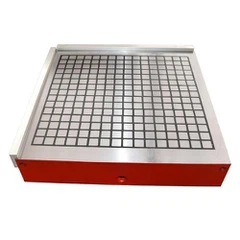
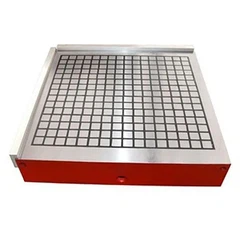
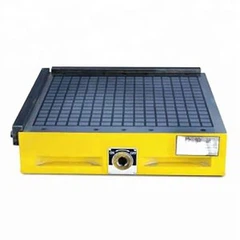
A magnetic chuck is a specialized workholding device used in machining. You will often see it in grinding, milling, and even some turning setups. It uses magnetic force to hold ferrous metal workpieces securely in place. Instead of using clamps or vises, the chuck holds the part evenly across its surface.
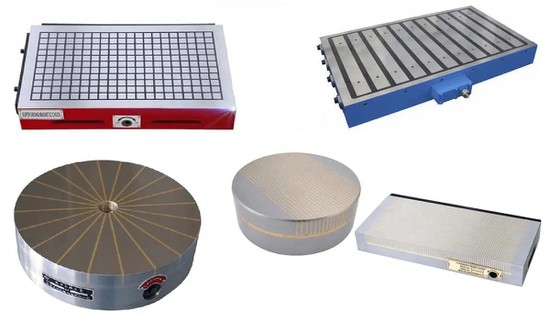
This means less setup time and fewer pressure points. Without mechanical clamping, you can machine more sides of the part, often up to five faces, without repositioning. This is especially useful when working with thin or delicate parts that could bend under uneven force.
Types of Magnetic Chucks
Different machines and jobs need different types of magnetic chucks. If you understand the main options, it becomes easier to choose the right one for your setup.
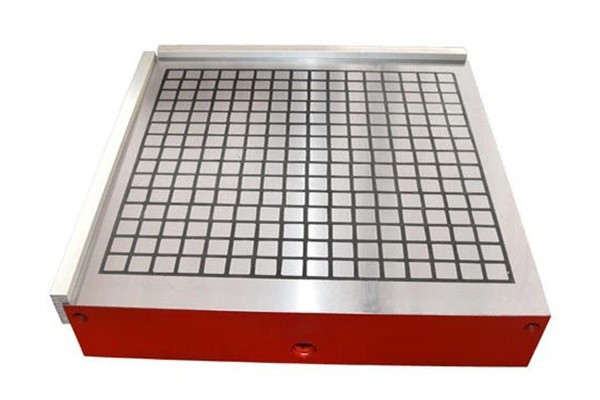
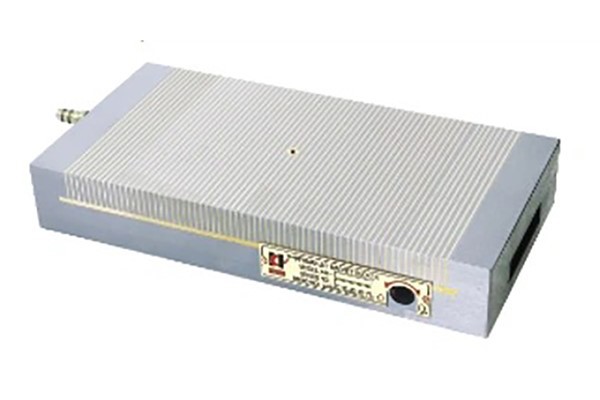
Permanent Magnetic Chuck
A permanent magnetic chuck does not need electricity. You turn the magnetic force on and off with a handle or lever. It is simple to use, stable, and often chosen for grinding work or general shop use. If you want low maintenance and straightforward operation, this type is a common choice.
Electromagnetic Chuck
An electromagnetic chuck works with electric power. Once powered, it creates a magnetic field to hold the workpiece. This type is often used when a stronger or adjustable holding force is needed.
It can work well in heavier machining tasks, but power supply matters.
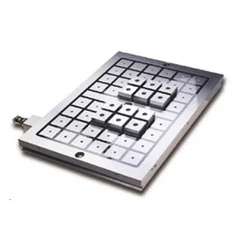
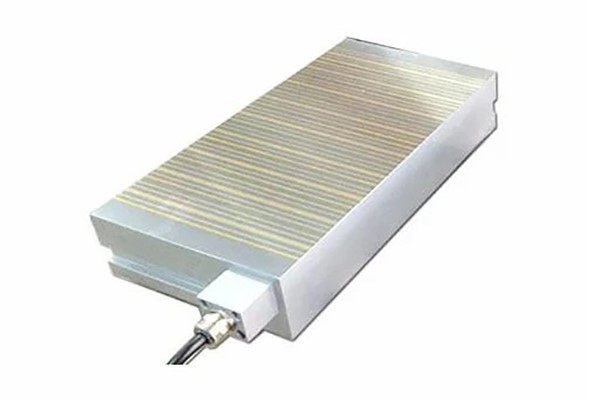
Electro-Permanent Magnetic Chuck
An electro-permanent magnetic chuck combines features of both types. It uses electricity only when switching on or off, but not while holding the part. This gives you a strong holding force with lower energy use and added safety.



How Magnetic Chucks Work in Real Machining Applications
A magnetic chuck works by creating a magnetic field that pulls the workpiece down against the chuck surface. Once the part is in full contact, it stays in place during machining.
The basic idea is simple.
Good contact creates better holding.
In real machining, performance depends on more than just magnet strength. The workpiece material, thickness, and contact area all affect how well the chuck works. A thick steel part usually holds better than a thin one. A flat surface also gives more reliable contact than an uneven one.
Key Factors to Consider When Choosing a Magnetic Chuck
Choosing a magnetic chuck is about matching the tool to your real working conditions. Not just picking the strongest option.
Workpiece Material
Magnetic chucks only work with ferrous materials. Steel and cast iron respond well, but the holding force can still vary between them. Some alloys hold better than others. If the material has low magnetic response, you may need a stronger chuck or a different setup.
Workpiece Size and Thickness
Size and thickness directly affect holding performance. Thick parts usually hold more securely because the magnetic field can pass through them more easily. Thin parts are more challenging.
Required Holding Force
Holding force should match your machining process. Grinding needs a stable but moderate force. Milling often requires more, especially with higher cutting loads.
Too little force can cause movement.
Too much force can make removal difficult.
You want a balance that fits your operation.
Machine Type
Different machines place different demands on the chuck. A surface grinder focuses on flatness and even holding. A milling machine involves cutting forces from multiple directions. EDM requires stable positioning without distortion.
Choose a chuck that fits how your machine works, not just what it holds.

Precision Requirements
If your work requires tight tolerances, the chuck must provide even magnetic distribution. Uneven holding can lead to slight deformation, especially on thin parts. This can affect flatness and final accuracy.
Safety Considerations
Safety should not be overlooked. For example, electromagnetic chucks rely on power. If power is lost, the holding force can drop. Other types may be more stable in this case.
Also consider:
secure positioning before machining.
proper contact surface.
safe release after the operation.
Magnetic Chuck vs Mechanical Clamping
Choosing between a magnetic chuck and mechanical clamping depends on how you work, not just what you hold. Each method has its own strengths and limitations.
|
Factor |
Magnetic Chuck |
Mechanical Clamping |
|
Setup Time |
Fast, minimal adjustment |
Slower, requires positioning and tightening |
|
Workpiece Access |
More surface access, fewer obstructions |
Limited by clamps and fixtures |
|
Holding Method |
Even the magnetic force across the surface |
Point-based pressure from clamps |
|
Suitability for Thin Parts |
Better support, less deformation (if properly matched) |
Risk of bending or distortion |
|
Flexibility |
Easy to reposition and repeat setups |
Less flexible, requires re-adjustment |
|
Holding Strength |
Depends on the material and thickness |
Can provide a very high clamping force |
|
Surface Protection |
Less marking or damage |
May leave marks or pressure points |
|
Safety |
Stable, but depends on type (e.g., power for electromagnetic) |
Very secure if properly tightened |
In simple terms, a magnetic chuck gives you speed and better access, especially for flat parts. Mechanical clamping provides a higher force and works on more materials.
Magnetic Chuck for Different Machines
The right magnetic chuck depends a lot on the machine you use. A chuck that works well on one machine may not be the best fit for another.
Surface Grinders
For surface grinding, even holding is very important. You want the workpiece to stay flat and stable across the whole surface. Permanent magnetic chucks are often used here because they are simple, reliable, and well-suited for flat grinding work.
Milling Machines
Milling puts more cutting force on the part, often from different directions. Because of that, you need a stronger holding force and better stability. Electromagnetic or electro-permanent magnetic chucks are often better choices for milling, especially when the workpiece is large or the cuts are heavier.
EDM Machines
In EDM, the goal is stable positioning without adding too much pressure to the workpiece. A magnetic chuck can help hold the part securely while keeping the setup clean and simple. This is useful when you need accuracy and easy access.
General CNC Machining
For CNC work, your choice depends on the material, cutting load, and setup style. If you change parts often, a magnetic chuck can help reduce setup time and improve repeatability.
Common Applications of Magnetic Chucks
Magnetic chucks are used in many machining tasks where stable holding and quick setup matter. They are especially useful when you want better access to the workpiece and fewer obstructions from clamps.
Surface Grinding
This is one of the most common uses. A magnetic chuck helps you hold flat ferrous parts evenly across the surface. That makes grinding more stable and can improve flatness and finish. It also saves setup time.
Milling of Flat Parts
In some milling jobs, a magnetic chuck is used to hold plates, blocks, or simple parts without side clamps. This gives you better access for cutting. It can also help when you need to machine multiple faces with fewer setup changes.
EDM Work
Magnetic chucks are also used in EDM applications. They keep the workpiece steady while allowing a clean and open setup. This is useful when you need accurate positioning without adding extra clamping pressure.
Toolroom and Mold Work
If you work with tools, dies, or mold components, a magnetic chuck can help with repeatable positioning and easier handling. This is especially practical for small batches or precision work.
Thin or Delicate Workpieces
Magnetic chucks are often chosen for thin parts that may bend under mechanical clamping. Because the holding force is spread across the surface, the risk of local pressure marks can be lower when the setup is matched correctly.
How to Test a Magnetic Chuck Before Use
Before you start machining, it's worth checking how the magnetic chuck performs in your actual setup. A quick test can prevent problems later.
Check the Holding Force
Place a test workpiece on the chuck and turn it on. Try applying light force by hand to see if it shifts. If the part moves too easily, the holding force may not be enough for your operation.
You can also compare different positions on the chuck surface.
Inspect Surface Contact
Good contact is critical. Make sure both the chuck surface and the workpiece are clean and flat. Dirt, oil, or small gaps can reduce holding strength. Even a small uneven area can affect performance.
Test Flatness and Stability
Run a simple test cut or grinding pass. Watch for vibration or movement during machining. If the part is not stable, the chuck may not be suitable for that setup. This step reflects real working conditions.
Check Switching Performance
Turn the chuck on and off several times. The switching should feel consistent and smooth. If the mechanism is hard to operate or unstable, it may affect daily use.
Simulate Real Conditions
If your work involves heat, coolant, or vibration, test the chuck under those conditions. A setup that works in a clean environment may behave differently in actual production.
The closer your test matches real use, the more reliable your result will be.
FAQs
Q: Can a magnetic chuck hold thin workpieces safely?
A: Yes, but it depends on thickness and contact. Thin parts may not hold as strongly as thick ones. You may need a fine-pole chuck or additional support to improve stability.
Q: What happens if power fails on an electromagnetic chuck?
A: If power is lost, the magnetic force can drop. This may cause the workpiece to move. That is why backup systems or electro-permanent chucks are often used in critical applications.
Q: Can magnetic chucks be used on all materials?
A: No. Magnetic chucks only work with ferrous materials like steel or iron. Non-magnetic materials such as aluminum or plastic will not be held.
Q: Should you consider future applications when selecting a chuck?
A: If your production changes often, it's a good idea. A slightly more flexible solution may help you avoid replacing equipment later. But for stable production, a more focused selection is usually better.
Q: What is the biggest mistake when choosing a magnetic chuck?
A: Focusing only on the holding force. In real use, factors like contact surface, workpiece thickness, and machine type often matter just as much.
Q: When should you choose a custom magnetic chuck instead of a standard one?
A: A custom magnetic chuck is worth considering when standard models do not match your machine, your workpiece shape is unusual, or your process has special requirements for holding force, flatness, or safety.
Q: Can magnetic chucks be customized for special machines?
A: Yes. Magnetic chucks can be customized to match different machine sizes, table layouts, and working conditions. If your machine has special mounting dimensions or space limits, a custom solution may fit better than a standard model.
Conclusion
Choosing the right magnetic chuck comes down to how well it fits your actual machining setup. The material of your workpiece, its thickness, the type of machine you use, and the cutting conditions all affect how the chuck will perform. If one of these is not matched properly, you may run into issues like weak holding or unstable machining. A good setup should feel stable and predictable, not something you have to adjust repeatedly. Instead of focusing on a single factor, it helps to look at the whole process and how everything works together.
At Great Magtech, you can explore magnetic chuck options for different machines and applications. If your setup has special requirements, custom solutions are available to better match your working conditions.