









Mining sites are tough on equipment. Ore is abrasive. Dust gets everywhere. And if tramp metal slips through, it can damage crushers, screens, and conveyors fast.
Here's the tricky part: not every magnetic separator works well in mining applications. What performs great in a clean plant can struggle in a real mine, where feed rates change, moisture comes and goes, and material size isn't always consistent.
So how do you choose the best option?
In this guide, you'll learn which types of magnetic separators fit common mining stages, what to look at before you buy, and the mistakes that quietly cut recovery and raise downtime.
Why Mining Needs Specific Separator Features
Mining conditions aren't gentle on magnetic separators. You're not handling clean, uniform material. You're dealing with hard, abrasive ore, heavy dust, and sometimes irregular chunks of ferrous scrap hitting the system. If the separator isn't built for wear and proper sealing, you'll see fast abrasion, clogging, and unstable performance. And then comes the expensive part: unplanned downtime and constant maintenance.
What makes it trickier is that your feed changes all the time. Even in the same mine, today's material might be dry and coarse, while tomorrow it's wetter, finer, and more clay-rich. Magnetic separation isn't a "stronger is always better" game. It's about staying consistent through those swings. Choose the wrong type or the wrong key features, and you'll usually get lower recovery and dirtier concentrate. In the worst cases, you also overload the next stages and drag down the whole line's efficiency.
Then there's the reality of uptime. A mining line is built to run, not to pause, because cleaning is inconvenient. Details like fast cleanout, continuous tramp metal discharge, stable feeding, and dust or splash protection decide how smooth your shift goes. Get those features right, and you spend less time chasing problems-and more time hitting steady output and better results.
Types of Magnetic Separators for Mining
Think of these as different tools for different jobs on site. Each has a specific role.
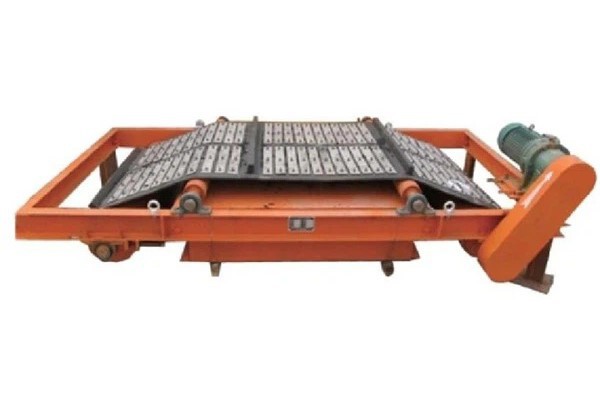
Armoring Magnet Separator Mining Equipment
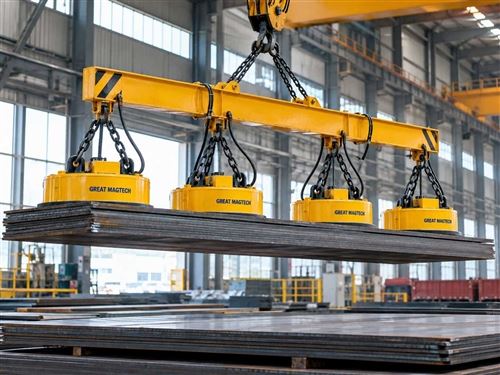
Used for heavy-duty applications where durability and high performance are essential. It protects equipment from tramp metal, ensuring smooth operations in tough environments.
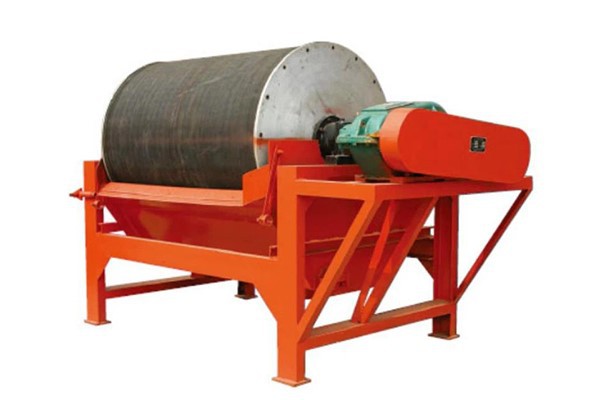
Drum Magnetic Separator
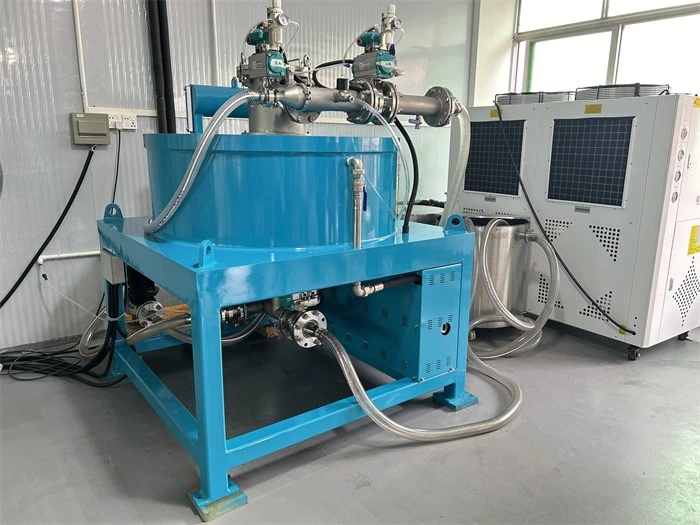
Often the go-to for high-volume, continuous operations. This magnetic separator works well in wet circuits and is commonly used for iron ore recovery and scavenging applications, capturing magnetic materials from slurry.
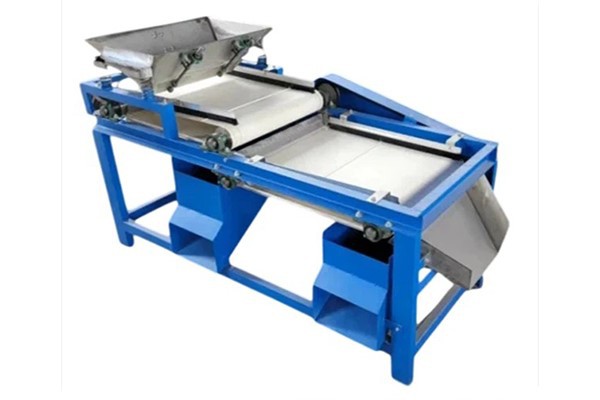
Dry High Intensity Magnetic Separator
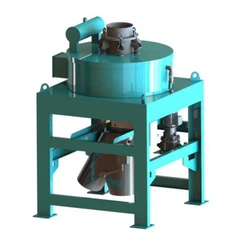
Ideal for dry regions and pre-concentration processes before milling. This separator removes magnetic particles from a falling stream and needs consistent feed and good dust management to perform optimally.
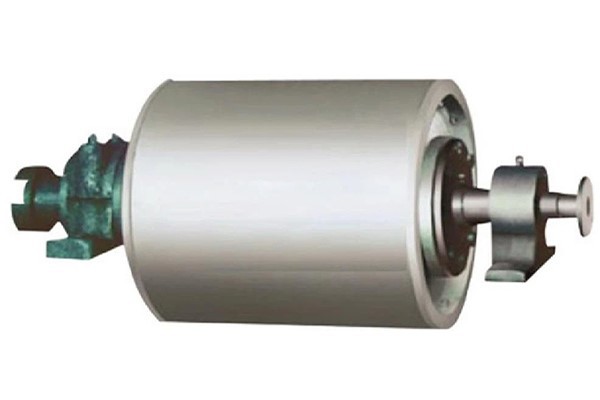
Magnetic Pulley Conveyor
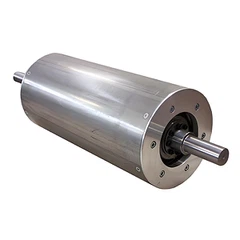
A compact solution, where a magnetic pulley replaces the head pulley on a conveyor. It provides continuous separation of ferrous materials, dropping them separately as material moves off the conveyor. Perfect for consistent protection in tight spaces.
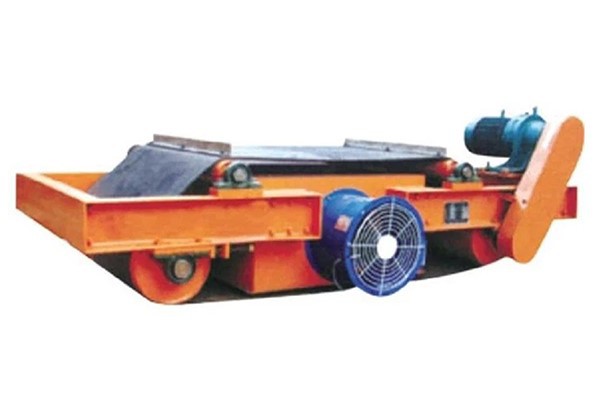
Magnetic Separator Conveyor Belts
For tramp metal removal, a cross-belt magnetic separator sits above a conveyor and uses its own belt to discharge ferrous contaminants continuously, protecting downstream equipment like crushers and mills from damage.
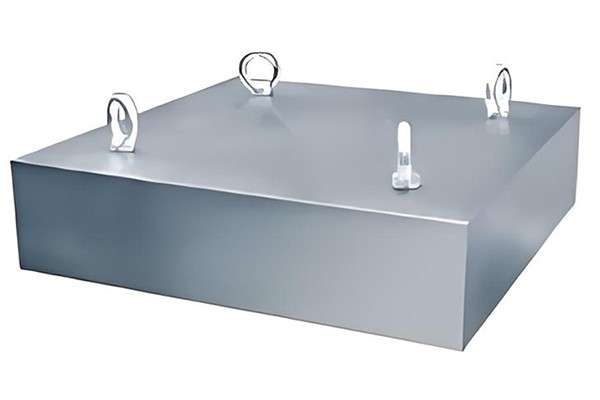
Suspended Magnet
A fixed magnet positioned over a belt or chute, providing simple and effective separation of tramp metal. It's easy to use, rugged, and ideal for lower-duty lines or as a backup for more complex setups.
Key Factors When Buying a Magnetic Separator for Mining
Choosing the right magnetic separator is a practical decision. Ask yourself these questions before you buy.
|
Consideration |
Why It Matters |
What You Should Do |
|
Your Ore's Magnetism |
This is the most important factor. Strongly magnetic ore (like magnetite) and weakly magnetic ore (like hematite) need completely different machines. |
Test your ore's magnetic susceptibility. Don't guess. Match the magnet strength to your material. |
|
Wet or Dry Process? |
A wet separator won't work on dry feed, and a dry one will clog in slurry. The entire design is different. |
Look at your flowsheet. Be honest about moisture and stick with the separator type built for that environment. |
|
Particle Size |
A machine great for gravel-sized rocks will let fine powder slip through. A machine for ultra-fine clay can't handle coarse feed. |
Know your particle size distribution. Coarse material needs drum separators. Fine, weak magnetics need high-gradient or roll types. |
|
How Much Rock Per Hour? |
You can't run 500 tons per hour through a lab-scale unit. A separator that's too small is a major bottleneck. |
Give the manufacturer your realistic throughput range. Factor in possible surges in feed rate. |
|
Installation Space |
An overhead cross-belt magnet needs headroom. A magnetic pulley needs to fit where your head pulley is. |
Measure your space-height, width, and length. Check access for maintenance. A great magnet that doesn't fit is useless. |
|
Cleaning & Maintenance |
Some units clean themselves. Others need manual shutdowns. Your team's time and skill matter here. |
Be realistic. If you can't schedule weekly cleanings, choose a self-cleaning design. Ask about spare part availability. |
|
Material of Construction |
Mining ore is abrasive. The separator's shell, liners, and belts must be tough enough to last. |
Look for wear-resistant liners, sealed bearings, and robust construction. Don't accept light-duty materials for a heavy-duty job. |
|
The Real Cost |
The lowest upfront price can lead to the highest long-term cost from downtime, low recovery, and repairs. |
Think total cost of ownership. A reliable, efficient separator that runs for years is a better investment than a bargain that fails often. |
Benefits of Using the Right Magnetic Separator in Mining
Choosing the correct separator isn't just about buying a machine. It's about making your whole operation run smoother. Here's what happens when you get the match right.
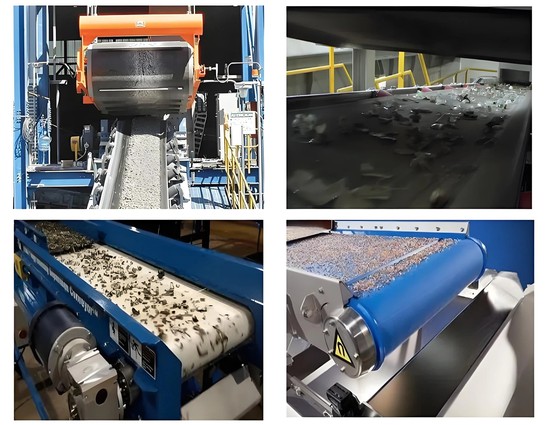
Better Recovery Without Chasing Your Tail
When the separator type matches your ore and your process, you stop fighting the circuit. Magnetic material gets captured where it should, and non-magnetic material moves on. That means you're not losing value to tailings just because the field strength or setup is wrong. Over the long run, small gains add up.
Cleaner Concentrate, Fewer Downstream Headaches
A good match also helps control contamination. If your goal is upgrading, you want fewer unwanted particles carried into the concentrate. If your goal is tramp metal removal, you want iron pieces pulled out before they reach crushers, screens, and mills. Either way, the next stage runs smoother, and your operators spend less time fixing preventable issues.
More Uptime in Real Plant Conditions
Mining doesn't pause because a magnet is hard to clean. The right design reduces stoppages. Self-cleaning conveyor units keep discharging metal without calling someone over every hour. Wet circuits benefit from stable drum systems that don't require constant adjustment. You get a process that holds steady even when the feed changes.
Lower Cost Per Ton, in Ways You Can Feel
This isn't just about energy. It's also about wear parts, belt damage, and labor.
Here are a few practical cost wins you'll notice:
Fewer belt tears and less unplanned shutdown time.
Less rework caused by dirty product or poor separation.
Fewer emergency repairs from metal hitting the wrong machine.
More predictable maintenance windows.
Common mistakes to avoid
Buying a magnetic separator seems straightforward, but a few small oversights can lead to big headaches. Here are the common traps to steer clear of.
Choosing by "magnet Strength" Alone
It's easy to focus on big numbers. But mining performance depends on your ore type, particle size, and where the unit sits in the flow. A strong magnet in the wrong place can still give you low recovery or a dirty product.
Ignoring how the Feed Behaves.
A separator needs a consistent material to work well. If your feed surges, has wet clumps, or the particle size changes wildly, even the best machine will underperform. Look at your material flow first, then choose a separator that can handle those real-world conditions.
Ignoring Cleaning and Wear
Some separators need planned cleanouts. Others need a matrix cleaned on a schedule. If you don't plan for that, metal builds up, flow gets restricted, and capture drops. Wear is also real in mining. If you don't protect key areas, you'll be replacing parts too often.
Installing It in the Wrong Spot
Placement matters as much as the machine itself. Putting a separator too early might overload it with waste rock. Putting it too late means valuable material has already been lost. Work with your supplier to find the optimal point in your process flow.
FAQs
Q: Which magnetic separator is best for iron ore mining?
A: If your target mineral is strongly magnetic and your circuit is wet, a wet drum separator is often the first choice. For dry pre-concentration, a dry drum can work well if your feed is consistent. The "best" option depends on where you place it in the flowsheet.
Q: What information should I prepare before asking for a quote?
A: Share your ore type, particle size range, wet or dry conditions, and target throughput. Add basic installation details like conveyor width and speed, or slurry density for wet circuits. With that, a supplier can recommend a realistic type and size instead of guessing.
Q: How do I know if the separator is actually working well on my line?
A: Track two things: recovery (what you capture) and cleanliness (what you don't want in the product). Also, watch practical signs like metal carryover, belt damage, and how often cleaning is needed. If those metrics drift, your feed conditions or setup may have changed.
Q: Can one separator handle both tramp metal removal and mineral concentration?
A: Rarely. These are two different jobs. Tramp metal removal needs a strong, simple magnet to catch large pieces. Mineral concentration requires precise control to separate specific minerals. Trying to do both with one machine usually means compromising on both goals.
Conclusion
Choosing the right magnetic separator comes down to understanding your own operation. There's no single "best" machine, only what works best for your specific ore, your process flow, and your site's conditions.
The right choice pays you back every day. Your recovery improves, your equipment stays protected, and your costs become more predictable. The wrong choice becomes a constant source of downtime and frustration.
Your next step doesn't have to be complicated. Gather your basic ore data and process details. Share them with a knowledgeable supplier who can ask the right questions. Together, you can narrow down to two or three realistic options that will actually perform in your plant.
Good separation shouldn't be something you worry about. It should just work, quietly pulling value from waste and keeping your operation running smoothly.
If you're evaluating magnetic separation solutions, Great Magtech invites you to connect with our technical team. Share your ore sample details and site conditions, and we'll provide targeted equipment analysis and preliminary configuration recommendations to help you make an informed decision.
We look forward to partnering with you and creating tangible value for your mining operation.